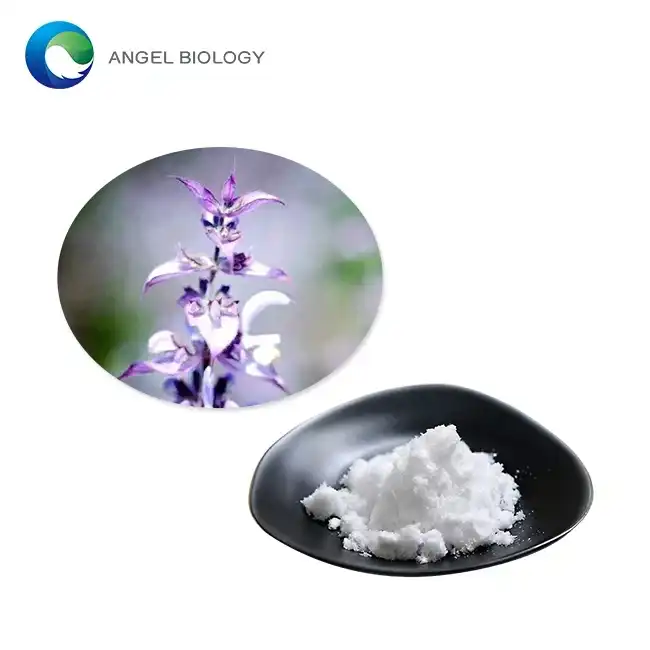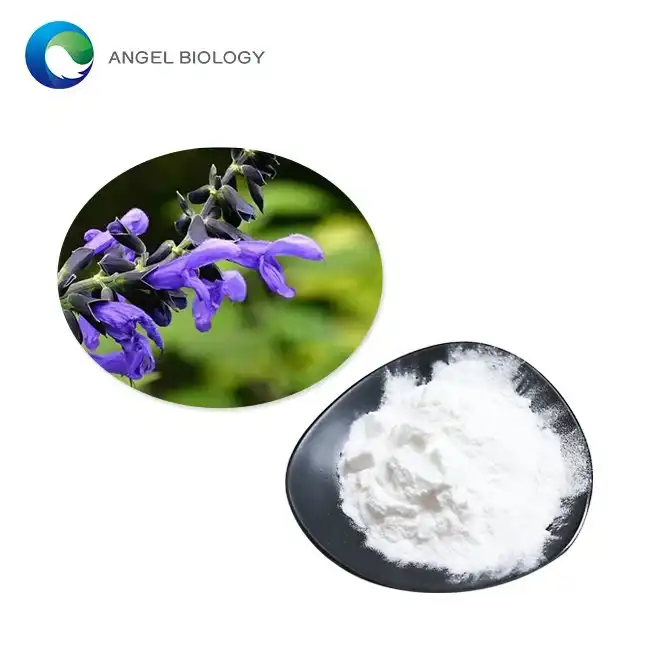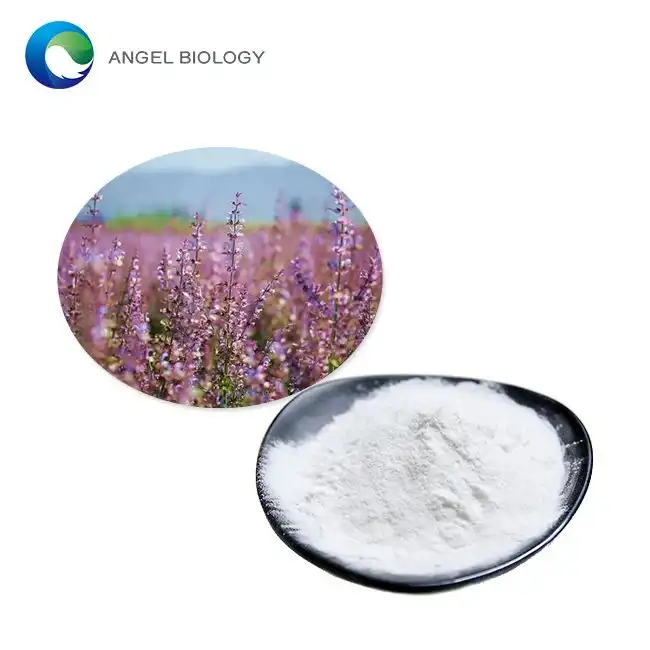




Chamomile Benefits: A Soothing Botanical Extract for Natural Beauty
Chamomile has been a trusted ingredient in health and beauty regimens for years – and now its concentrated form is expanding the application potential of plant-based actives in modern formulations. Chamomile extract powder standardised to key botanical markers such as apigenin and bisabolol can provide more consistent specifications for nutraceuticals, skincare and functional beverages. Whether you’re a formulation scientist seeking reliable botanical actives or a procurement manager sourcing clean-label botanicals at scale, understanding the full profile of this ingredient is crucial to developing unique, market-ready solutions.
Understanding Chamomile Extract Powder: Composition and Health Benefits
What Makes the Extract Different from Other Chamomile Forms?
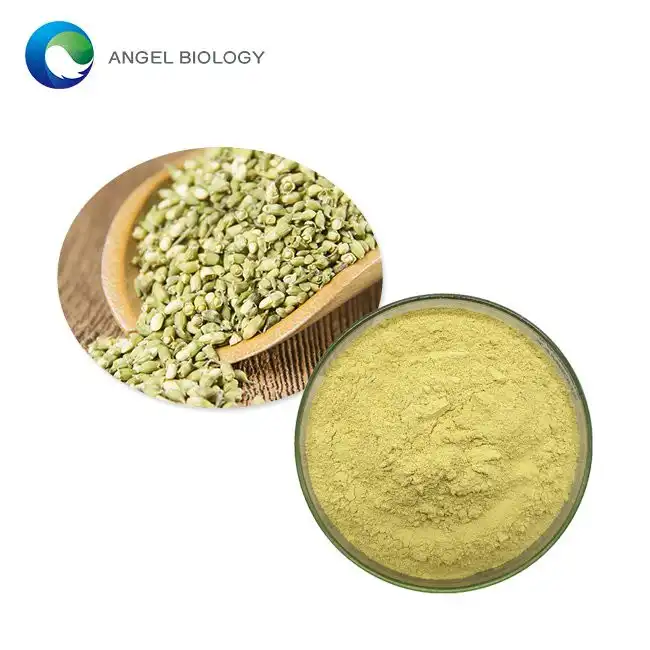
Chamomile is available in several forms, such as tea blends, traditional herbal preparations, essential oils, and whole flowers. Extract powder offers a more concentrated and specification-focused format for commercial formulation. Drying may be performed by spray-drying water or ethanol extracts containing selected botanical compounds. These may include apigenin, bisabolol, chamazulene, and apigenin-7-O-glucoside, depending on the raw material and extraction process. HPLC specifications should be defined according to the individual product grade rather than assuming a universal purity level. The quality properties of raw chamomile tea depend on when it is harvested, where it is grown, and how long it is kept. The extract helps reduce some of this variability and provides formulators with a more defined ingredient that can be used consistently with predetermined marker specifications such as 4:1 or 10:1 extract ratios.
Core Functional Benefits Backed by Research
There are several characteristics of chamomile that may be relevant to modern formulation development. Apigenin is a naturally occurring flavone that has been investigated for its interaction with GABA-A receptor-related pathways, which may contribute to the botanical's calming profile observed in research. This area has been investigated in scientific studies, including research published in Phytomedicine. Bisabolol and chamazulene contribute to the characteristic chemical profile of chamomile and its established use in botanical formulations. Chamomile has a long history of use in botanical products, making it suitable for a range of functional product concepts. This is relevant for functional supplement makers developing botanical-based product concepts. The formulation profile makes the extract a practical candidate for relaxation-oriented, botanical, and digestive-themed product lines, subject to the intended market's claim requirements.


Chamomile Extract Powder for Natural Beauty and Skin Care
Why Do Formulators Choose It for Sensitive and Aging Skin?
Effective plant-based active ingredients are gaining increasing importance in cosmetic research. Chamomile extract powder is a popular ingredient among formulation specialists developing products for a wide range of skincare applications. Flavonoids are naturally occurring compounds that contribute to the characteristic formulation profile of chamomile extract. These flavonoids also support the botanical positioning of chamomile-based skincare formulations. One of its main terpenoids is bisabolol, which has been evaluated in formulation studies for its suitability in cosmetic applications and compatibility with co-formulated ingredients. Its actual performance and skin delivery depend on the finished formulation and should be confirmed through appropriate testing.
The key application areas in cosmetic formulations are
- Facial creams & moisturisers: Glycosylated versions of the extract are widely used in emulsion systems in face creams and lotions, while chamomile extract powder can be incorporated to support a botanical positioning. Inclusion rates are usually determined by the specific extract, formulation system, and intended cosmetic claims.
- Serums and ampoules: Some cosmetic, relaxing or botanical serums utilise standardised grades with defined marker specifications, such as 10:1 or apigenin-standardised cosmetic grades.
- Sheet masks and leave-on treatments: Water-dispersible grades of chamomile extract can be suitable for sheet masks and leave-on treatments when their solubility and compatibility have been validated for the intended formulation.
Applications demonstrate that the extract may be used in a range of products. It has strong consumer recognition, can be incorporated into scalable formulations, and is a practical option for companies developing professional skincare and natural beauty products.
Organic vs. Non-Organic: Selecting the Right Grade
The rising demand for organic chamomile extract powder among U.S. market firms that provide natural or clean-label goods reflects continued interest in certified botanical ingredients. Grades may be certified organic under programs such as USDA NOP or EU organic, provided the specific product and supplier hold the relevant certification. Standardised non-organic grades can also provide defined botanical specifications and may be preferred for cost-sensitive formulations where organic certification is not required. Procurement teams should evaluate the end-market positioning, certification requirements, target specifications, and documentation before deciding on a grading system.
How to Choose and Buy Quality Chamomile Extract Powder for B2B Procurement?
The source of the plant-based compounds can have a significant influence on ingredient consistency, documentation, and regulatory suitability. Procurement teams must consider the following characteristics when assessing a vendor of chamomile extract powder:
- Standardisation document: HPLC can be used to check the level of apigenin or other selected markers, and each batch should be accompanied by a Certificate of Analysis.
 When you purchase from a qualified provider, documentation can support traceability from raw materials through the finished extract.
 - Manufacturing Certifications: GMP and ISO-certified facilities can provide useful evidence of a structured quality system. Food-grade or other applicable manufacturing standards should be selected according to the intended use and target market. Suppliers serving both nutraceutical and cosmetic industries should be able to provide documentation appropriate to each application.
- Solubility specifications: Water-, glycol-, and ethanol-soluble grades may be employed in diverse industrial environments, including formulations containing chamomile extract powder. A qualified supplier should be able to assist in choosing the appropriate grade according to formulation requirements.
- Sustainable and transparent sourcing: US brand partners may seek more responsible sourcing of Matricaria chamomilla, which can involve documentation of flower origin, agricultural practices, and pesticide-residue testing where required.
Minimum order quantities, lead times, and costs vary among direct-source manufacturers and distributors. In many circumstances, working directly with a manufacturer can provide greater communication efficiency and access to technical support, especially when developing new specifications or resolving formulation requirements.
Case Studies and Applications: How Leading Brands Use This Botanical Active?
Many companies are interested in chamomile extract as consumer demand for recognisable botanical ingredients continues. Market research has reported growth in the chamomile extract sector, driven in part by interest in natural beauty products and functional supplements. Supplement manufacturers may combine standardised chamomile extract powder with ingredients such as melatonin or magnesium glycinate in relaxation-focused formulations, with the specific product positioning and permitted claims determined by the target market. Water-soluble grades of chamomile extract can also support RTD functional beverage development where manufacturers require convenient dispersion and a clean-label botanical positioning.
From a skincare perspective, cosmetic makers may evaluate formulas containing chamomile through consumer perception and finished-product testing to assess their botanical positioning and overall product experience. This can help brands differentiate within the competitive botanical skincare market. The extract offers two practical advantages for product development: a recognisable botanical identity and a defined composition that can be incorporated into formulation and quality-control programs.
Conclusion
Chamomile extract powder is a botanical ingredient that can connect traditional plant-based sourcing with contemporary formulation technology. Its defined botanical profile, cross-sector application and strong consumer recognition make it a useful raw material for supplement companies, cosmetic makers and functional food producers. Clean-label and plant-based trends continue to influence consumer product development, while standardised botanical ingredients can provide a more consistent foundation for product differentiation. When sourced from a technically reliable supplier with appropriate quality documentation, chamomile extract powder can support the consistency and specification control that commercial formulations require.

FAQ
1. Is chamomile extract powder suitable for all skin types?
Chamomile extract powder is used in a range of cosmetic preparations formulated for different skin types. Its suitability depends on the extract composition, inclusion level, finished formulation, and individual product requirements. In industry practice, formulators often carry out appropriate patch testing and finished-product evaluation before determining inclusion rates in final cosmetic products.
2. How does extract powder differ from chamomile essential oil?
For capsules, tablets, liquids, and emulsions, the powder form can deliver standardised flavonoid markers – including apigenin where specified – in a water- or glycol-dispersible matrix. Chamomile essential oil contains volatile compounds and is primarily used for fragrance and selected cosmetic applications. The powder format can provide greater flexibility for formulations requiring a defined botanical specification and controlled addition level.
3. How do I verify the quality of a chamomile botanical extract supplier?
Request a Certificate of Analysis for each batch covering the specified marker content by HPLC, heavy metal testing, microbiological specifications, and pesticide-residue results where applicable. GMP certification, traceability documentation, and facility-audit availability are also useful indicators of a supplier with a developed quality system.
4. What concentration ratios are commonly available?
Standardised apigenin grades and extract ratios vary by supplier and product specification. Commercial extract ratios may include 4:1, 10:1, and 20:1, while marker-standardised products can be specified according to a defined apigenin content. Selection depends on the intended application, formulation requirements, target market, and amount used per serving or finished composition.
Partner with Angelbio for Certified Chamomile Extract Powder
Angelbio, backed by over 18 years of independent R&D and a joint investment with Xi'an Jiaotong University's Institute of Life and Health Research, supplies chamomile extract powder to nutraceutical, cosmetic, and functional food manufacturers worldwide. As a chamomile extract powder supplier, Angelbio provides CoA documentation, quality-controlled production, and application-specific grade customization. Reach our team directly at angel@angelbiology.com to request samples, specifications, and pricing.

References
- Srivastava, J. K., Shankar, E., & Gupta, S. — Chamomile: A herbal medicine of the past with bright future. Molecular Medicine Reports, 2010.
- Viola, H. et al. — Apigenin, a component of Matricaria recutita flowers, is a central benzodiazepine receptor ligand with anxiolytic effects. Planta Medica, 1995.
- Bhaskaran, N., et al. — Chamomile: An anti-inflammatory agent inhibits inducible nitric oxide synthase expression by blocking RelA/p65 activity. International Journal of Molecular Medicine, 2010.
- Martínez-Flórez, S., et al. — Flavonoids: Anti-inflammatory mechanisms and structure-activity relationship. Nutrición Hospitalaria, 2002.
- Grand View Research — Chamomile Extract Market Size, Share & Trends Analysis Report. Grand View Research, 2023.
- European Medicines Agency — Assessment Report on Matricaria recutita L., Flos. EMA Committee on Herbal Medicinal Products (HMPC), 2015.