



Chamomile Extract Powder: A Gentle Herbal Ally For Wellness And Calm
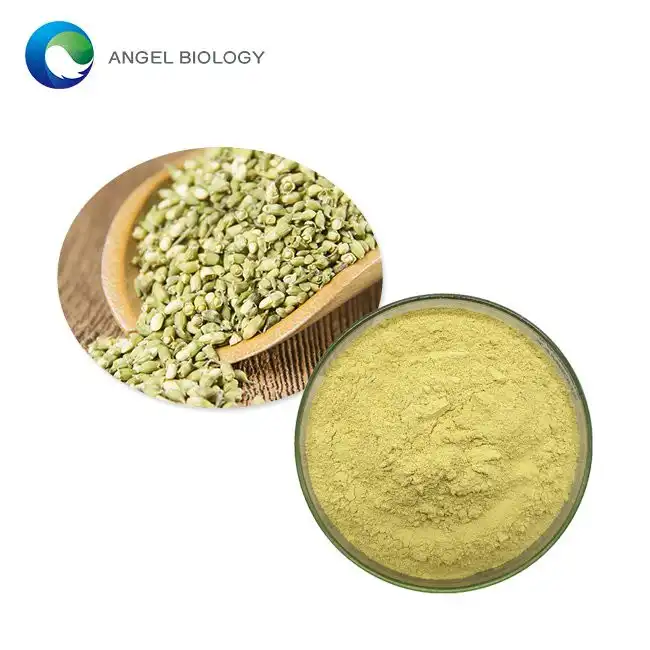
Chamomile extract powder is among the most widely used botanical ingredients in the health and personal care industries today. Standardized powder made from the dried flower heads of Matricaria chamomilla (German chamomile) or Chamaemelum nobile (Roman chamomile) can concentrate characteristic plant compounds, including apigenin, bisabolol, and chamazulene, in a stable, formulation-ready form. It provides B2B buyers in the nutraceutical, cosmetic, and functional food industries with a dependable bridge between traditional herbal use and current product development.
Understanding Chamomile Extract Powder: Nature's Gentle Remedy
What Makes It Different From Raw Chamomile
Raw chamomile flowers can present challenges related to microbial load, variable active-compound levels, and storage stability. Chamomile extract powder can help address these formulation and sourcing considerations. Manufacturers produce a concentrated powder, often standardized to a specified apigenin level, generally ranging from 1.2% to 98% by HPLC depending on the grade, through processes such as water/ethanol extraction and spray-drying. This creates a more defined ingredient profile and can simplify storage, handling, and formulation compared with raw botanical material.
Key Bioactive Compounds
The characteristic composition of chamomile extract is associated with several important compounds. Apigenin is a flavonoid that has been studied for its interaction with GABA-A receptors and its potential role in relaxation-related research. Bisabolol is a sesquiterpene alcohol commonly used in cosmetic formulations for skin-conditioning applications. Chamazulene, which can form during steam distillation, contributes to the characteristic blue color of chamomile-derived materials and has been investigated for antioxidant-related activity. Together, these compounds contribute to the broad research and formulation interest surrounding chamomile extracts.


Production Standards That Matter
High-quality chamomile powder should be supported by clear traceability from source material to finished batch. Typical quality control checks include residual solvent screening, heavy metal testing, and microbiological analysis. Concentration levels may be expressed as extraction ratios such as 4:1 or 10:1, although assay-standardized grades can provide more precise information about selected marker compounds for supplement, cosmetic, and functional food formulation.
Chamomile Extract Powder in Comparison: Making the Right Choice
Powder vs. Liquid Extract vs. Capsules
Various uses need various chamomile formats. Liquid extracts may offer convenient incorporation into certain formulas but can involve shorter stability windows and more complex logistics. Capsules are a good fit for finished-product applications but provide less flexibility for formulators. Chamomile extract powder is well known for its formulation flexibility and may be included in tablets, gummies, drinks, topical products, and tea blends. Its dry format can also simplify bulk storage, packaging, and shipping.
Organic vs. Conventional: Does Certification Matter?
Organic certification can be relevant for firms addressing the clean-label market because it may support specific sourcing and labeling requirements. Certified organic chamomile powder must comply with the applicable requirements of programs such as USDA Organic or EU organic regulations. Buyers should verify the current certification scope, raw-material source, processing conditions, and supporting documentation rather than assuming that all organic grades have identical specifications. This distinction is particularly relevant for personal care and supplement firms using ingredient transparency as part of their product positioning.
Chamomile Powder vs. Valerian Root: Choosing the Right Herbal Base
Both chamomile and valerian root are used in relaxation- and sleep-oriented formulas, but they have different botanical compositions and formulation profiles. Chamomile is often positioned as a mild botanical option, while valerian is associated with a different set of characteristic compounds and traditional uses. For companies developing botanical wellness products, the choice should be based on the desired ingredient profile, regulatory positioning, formulation compatibility, and supporting documentation.
Applications of Chamomile Extract Powder Across Industries
Chamomile extract powder is a versatile botanical ingredient used across multiple product categories. Whether it is considered for a sleep-oriented supplement, a skin-conditioning serum, or a functional beverage, the extract can be evaluated according to its standardized composition, solubility, stability, and compatibility with the final formula. Its long history of traditional use and growing body of scientific research continue to support interest from product developers.
Nutraceuticals and Sleep Support Supplements
Chamomile extract powder is a popular ingredient used in the formulation of capsules, softgels, and gummies for relaxation- and sleep-oriented products. It may be combined with ingredients such as melatonin, GABA, or L-theanine depending on the formulation concept. Standardized grades with defined apigenin content can help manufacturers calculate ingredient quantities consistently and develop formulas around a clearly specified botanical active profile.
Skincare and Dermo-Cosmetic Products
Chamomile extract, including grades containing characteristic compounds such as bisabolol, is widely considered by cosmetic chemists for serums, creams, and skin-conditioning formulations. It may be used in products designed for soothing and conditioning applications, although the final sensory and skin-feel performance depends on the complete formulation. For water-based cosmetic bases, the extract should be appropriately tested for particulate matter, microbiological quality, compatibility, and stability before commercial production.
Functional Beverages and Herbal Teas
Water-dispersible or water-soluble chamomile powder grades may be considered for functional foods and beverages such as ready-to-drink botanical beverages and herbal tea blends. Thermal stability during pasteurization can be an important technological consideration, so formulators should request application-specific stability data. Chamomile also offers a familiar botanical taste profile that can be combined with other plant ingredients depending on the final beverage concept.
Procurement and Supplier Insights for Global B2B Clients
Where to Source and What to Look For
Global purchasers acquire chamomile extract powder from direct producers, ingredient wholesalers, and B2B platforms. Working directly with manufacturers may provide clearer technical documentation, specification discussions, and customization options. Important evaluation points for a chamomile extract supplier include batch-specific CoAs, analytical data for relevant marker compounds, extraction information, traceability, and a clearly defined standardization specification.
Minimum Order Quantities, Lead Times, and Logistics
The bulk purchase of chamomile extract powder can begin with laboratory samples and progress to commercial quantities depending on the supplier and application. Lead times vary according to extraction ratio, standardization level, packaging, stock availability, and customization requirements. Appropriate moisture- and light-protective packaging should be considered for shipment and storage when supported by the supplier's stability data. Exporters should also provide the documentation required for the destination market and product category.
OEM and Private Label Opportunities
Many manufacturers provide OEM services for branded chamomile extract products, including specific extraction ratios, carrier systems, and private-label packaging. This can be helpful for supplement brands and cosmetic firms that want to develop differentiated products without establishing their own extraction infrastructure. Partnering with a capable producer of chamomile extract powder can streamline sourcing, specification management, and product-development communication through a single supplier relationship.
Ensuring Quality and Maximizing Value in Chamomile Extract Powder Procurement
Standardization and Potency Testing
Reliable chamomile extract powder should be evaluated for relevant marker compounds, such as apigenin, using an appropriate analytical method such as HPLC when applicable. Batch COAs should document the tested values and agreed specifications. Buyers may also request third-party testing when independent verification is important for supplier qualification or internal QA. Extraction ratio alone is not sufficient as a complete quality benchmark; standardized analytical data provides more useful information for comparing commercial batches.
Packaging, Storage, and Shelf Life
Chamomile extract powder should be packed in sealed, moisture-protective containers, such as suitable foil bags or fiber drums with inner liners, according to the supplier's packaging specification. Store in a cool, dry environment and limit unnecessary exposure to direct light. Shelf life should be confirmed from the specific supplier's specification and available stability data rather than applying one universal period to every extract. Buyers should verify packaging and storage recommendations before placing orders, particularly for long-distance shipping.
Pricing Trends and Negotiation Considerations
Chamomile extract cost varies by source, extraction ratio, level of standardization, certification requirements, testing scope, and order volume. Organic-certified grades may carry a higher cost than conventional grades depending on certification and raw-material availability. For larger purchases, buyers may compare suppliers according to total landed cost, documentation, analytical consistency, and supply reliability rather than price per kilogram alone. Practical solutions for controlling price changes include longer-term supply discussions, volume planning, and clear communication about raw-material cost factors.
Conclusion
Chamomile extract powder has established itself as a versatile botanical ingredient in modern product development. The combination of well-characterized plant compounds, formulation flexibility, and broad industry use makes it a practical option for businesses spanning supplements, cosmetics, and functional foods. The objective for procurement teams and R&D experts is to source from a supplier with clear specifications, transparent documentation, analytical support, and reliable supply capabilities. When these conditions are met, this familiar botanical ingredient can provide consistent, verifiable value for different formulation projects.
FAQ
1. What is the recommended dosage of chamomile extract powder in supplement formulations?
There is no single dosage that applies to every chamomile extract product because extract ratio, marker-compound concentration, intended use, formulation format, and market requirements can differ. Formulators should determine the appropriate inclusion level based on the specific extract specification, available research, applicable regulations, and product-development objectives rather than treating one published range as a universal recommendation.
2. How does chamomile extract powder compare to traditional chamomile tea?
The extract can be more concentrated and more consistently specified than brewed chamomile tea. A standardized powder can provide measurable levels of selected marker compounds such as apigenin, while the composition of brewed tea varies according to the plant material, water temperature, extraction time, and preparation method. For product development, the extract offers greater control over raw-material specifications and batch consistency.
3. Is chamomile extract powder safe for use in cosmetic formulations?
Chamomile extract powder can be used in cosmetic formulations when the selected grade is appropriate for the intended application and supported by suitable quality and safety documentation. Cosmetic developers should review ingredient specifications, microbiological quality, allergen information, formulation compatibility, and applicable market requirements. Bisabolol-containing grades may be considered for skin-conditioning applications, with final suitability determined through formulation and safety assessment.
Partner With Angelbio for Premium Chamomile Extract Powder
Angelbio, backed by over 18 years of independent R&D and collaboration with Xi'an Jiaotong University's Institute of Life and Health Research, brings technical expertise to chamomile ingredient sourcing. As a trusted chamomile extract powder supplier, we offer HPLC-standardized grades, batch-specific documentation, and flexible OEM support for nutraceutical, cosmetic, and functional food brands. Contact our team at angel@angelbiology.com to request samples, review specifications, or discuss bulk procurement.

References
1. Srivastava, J. K., Shankar, E., & Gupta, S. — Molecular Medicine Reports, 2010.
2. Miraj, S., & Alesaeidi, S. — Electronic Physician, 2016.
3. Hieu, T. H., et al. — Phytotherapy Research, 2019.
4. European Medicines Agency — Assessment Report on Matricaria recutita L., EMA, 2015.
5. Bhaskaran, N., et al. — Journal of Ethnopharmacology, 2010.
6. United States Pharmacopeia — USP–NF Monograph: Chamomile Flower, USP, 2022.