



Low-Standardized Salicin: Why Weak Willow Bark Extracts Fail in Formulas
When formulators and procurement teams source botanical actives, salicin standardization rarely receives the scrutiny it deserves — until a batch underperforms. White willow bark extract salicin, derived from Salix alba and allied species, is a natural glucoside valued across nutraceutical, cosmetic, and functional food applications. The critical variable that separates a consistent ingredient from a sourcing liability is standardization. An extract labeled "willow bark" without verified salicin concentration can be difficult to evaluate, inconsistent from batch to batch, and commercially challenging. This article breaks down exactly why weak extracts create formulation problems and what to verify instead.
Understanding the Problem: What Is Low-Standardized Salicin and Its Impact?
The Gap Between Label Claims and Actual Potency
Low-standardized salicin refers to white willow bark extract salicin products whose salicin content is either too low, not properly verified, or different from batch to batch. Commercial specifications may range from low-level extracts to highly concentrated grades, with the actual salicin level requiring verification by a suitable analytical method. However, a lot of the products that are sold in the B2B ingredient market are tested using UV spectrophotometry, which can respond to multiple salicylate-related compounds and other constituents, making the apparent assay results higher than the actual salicin content. A 15% UV-tested product might show a substantially lower salicin value when tested by HPLC. That gap can affect formulation consistency and purchasing decisions directly.
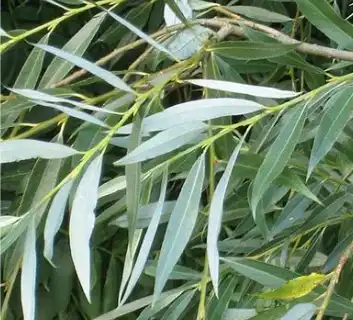
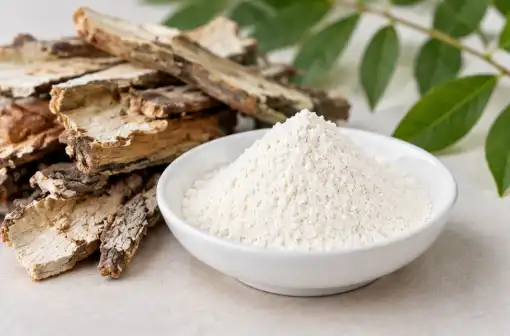
Why Standardization Matters in Commercial Formulations
Inconsistency from batch to batch sets off a chain of problems further down the line. It doesn't matter if the product is positioned for botanical supplements, cosmetic formulations, or functional beverages; what matters is that the target salicin concentration is known and controlled within an agreed specification. When salicin amounts change, so can the ingredient's contribution to the formula, while inconsistent specifications can reduce confidence in finished-product quality. This also makes documentation more difficult in regulated markets like the US, where product claims and labeling requirements must be supported by appropriate evidence. Clear ingredient specifications make that documentation easier to manage.
Analyzing Causes: Why Do Some Willow Bark Extracts Have Low Salicin Content?
Raw Material and Harvest Variables
The amount of salicin in Salix alba bark naturally changes depending on the species, where it comes from, the time of year it is collected, and the maturity of the tree when it is harvested. When inner bark is collected during suitable seasonal conditions, it may contain different levels of glucosides than material collected out of season. When sellers get materials from more than one unknown source without verifying the plants, the raw materials can already vary before they are extracted.
Extraction Process and Quality Shortfalls
The separation method has a big effect on the end composition. Higher and more consistent white willow bark extract salicin levels can be obtained through controlled extraction processes with defined parameters such as solvent ratio, temperature, and pH. Suppliers who try to cut costs by using poorly controlled extraction methods or skipping process optimization can end up with lower or more variable concentrations. The problem is made worse when suppliers do not provide reliable third-party COAs or consistent in-process testing. This means that extracts can be difficult to characterize, compare, and document for commercial use.
Market Pressure and Adulteration Risk
Tough price competition in the world's material markets can increase the risk of lower-quality products. Some suppliers may mix concentrated natural extract with fillers or add isolated or synthetic salicin to make assay readings appear stronger than the underlying botanical material supports. Salicin that comes from white willow bark extract has a characteristic chromatographic profile that can include naturally occurring co-markers such as tremulacin and salicortin. If an HPLC profile appears unusually simple with only a dominant salicin peak and limited supporting botanical markers, buyers should investigate further and consider additional identity or authenticity testing where appropriate.
Principles of Selecting High-Standardized Salicin Extracts for Reliable Formulations
Non-Negotiable Quality Documentation
When buying standardized plant extracts, choices should be based on proof that can be checked, not just price sheets. Before putting in an order, every qualified buyer should look at these main factors:
- HPLC-verified COA: Confirms the measured amount of white willow bark extract salicin rather than relying on estimates of total salicylates. Chromatographic data should be provided along with the applicable specification, such as 15%, 25%, 50%, or 98%, when offered.
- Organic certifications and quality documentation: Show that the supplier has defined controls for raw-material sourcing, processing, documentation, and final-product testing. Certification requirements should be matched to the target market and application.
- Full-spectrum co-active profile: Less concentrated extracts may contain naturally occurring polyphenols, flavonoids such as isoquercitrin, and tannins, which can contribute to the overall botanical profile and may be relevant to product positioning.
- Stability documentation: Salicin-containing extracts can be affected by moisture, heat, and storage conditions. Suppliers should provide available stability information that supports the stated shelf life and recommended storage conditions.
These requirements are not just nice-to-haves; they are the technical basis for determining whether an extract can be consistently specified, processed, and tracked throughout commercial formulation.
Physical Form and Application Compatibility
Powder is the most common form for bulk B2B supply, and it gives you the most options for solid dosage forms, topical formulations, and beverage uses. Lower-quality extracts may show variable dispersibility or solubility in water and may require additional formulation adjustments in cosmetics or supplements. High-purity white willow bark extract salicin can offer a more defined composition, but its actual solubility and compatibility should still be confirmed under the target formula's pH, temperature, and processing conditions. By matching the purity grade to the application chemistry, problems with solubility and structure that only show up during scale-up can be reduced.
Case Studies: Success Stories Using High-Standardized Salicin Extracts
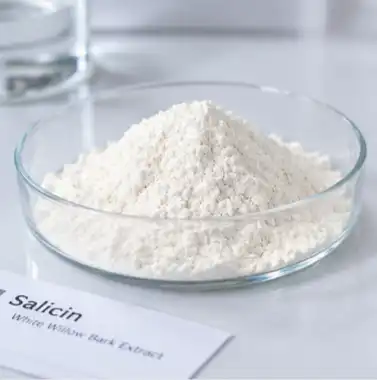
Several B2B companies have reported more consistent production outcomes after switching from poorly characterized willow bark powder to HPLC-standardized extracts. When a US-based botanical supplement brand switched to a 25% HPLC-verified white willow bark extract salicin, they reported fewer batch-related quality issues and greater confidence in their ingredient documentation. The actual impact depends on the complete formulation, supplier controls, and finished-product specifications, but the example highlights why analytical verification matters when purchasing standardized ingredients.
In cosmetics, OEM companies that use standardized botanical actives can build clearer ingredient specifications for products positioned around botanical or clean-beauty concepts. Salicin from willow bark differs chemically from manufactured salicylic acid and should not automatically be treated as an equivalent substitute in a formulation. Its suitability depends on the intended product concept, concentration, processing conditions, and applicable regulatory requirements. In competitive cosmetic markets, clearly communicating the botanical source and analytical profile can provide useful differentiation. Traceability, or understanding exactly what is in the ingredient before it goes into the recipe, is what ties all of these results together.
Summarizing Key Takeaways: Avoiding Pitfalls of Weak Willow Bark Extracts
There are more risks when willow bark extracts aren't well standardized. For example, inconsistent formulations and unsupported label statements can lead to gaps in sourcing paperwork and create additional quality-review work. To protect your supply chain, you need to be cautious about how you buy ingredients.
A useful buying checklist should have the following items:
- Get COAs that have been tested with HPLC instead of relying only on broad UV-assay reports, and compare the salicin content of different batches side by side.
- Review the supplier's quality documentation and ask for site audit records, testing procedures, or relevant third-party verification when appropriate.
- Confirm botanical origin through HPLC co-marker profiling or C-14 isotope testing if there is a high risk of adulteration and authenticity is commercially important.
- Evaluate minimum order flexibility, lead times, and whether the supplier offers technical formulation support for white willow bark extract salicin.
When you use this checklist regularly, your buying process will change from being reactive to having a quality system that you can document and defend. This system can help protect both your formulation consistency and your brand's ingredient quality standards.
Conclusion
Salicin uniformity is not a side issue; it is what makes the difference between a well-specified white willow bark extract salicin and one that creates unnecessary cost and uncertainty during formulation. Every choice you make about how to buy an ingredient affects the reliability of your recipe in some way. These choices include HPLC verification, analytical documentation, and application-matched purity grades. A practical way to support consistent ingredient performance and long-term sourcing confidence is to work with a supplier who sees standardization as a core output rather than an afterthought.
FAQ
1. What amount of salicin should a good willow bark product have?
Commercial extracts can be offered at different salicin specifications, such as 15%, 25%, 50%, or 98%, depending on the extraction process and intended application. The actual specification should be checked using an appropriate analytical method such as HPLC. Lower-purity grades may retain more naturally occurring co-actives such as flavonoids and polyphenols, while highly concentrated grades provide a more defined salicin specification. Always ask for HPLC COAs and confirm the analytical method used for the reported value.
2. How does natural salicin differ from synthetic salicylic acid in formulations?
Natural salicin and synthetic salicylic acid are chemically different ingredients and should not automatically be considered interchangeable. Salicin can undergo conversion through enzymatic and metabolic processes, while salicylic acid is a different compound with its own formulation characteristics. For cosmetic and supplement products, ingredient selection should be based on the intended product positioning, formulation requirements, concentration, and applicable regulatory considerations.
3. Can low-standardized extracts cause formulation inconsistencies?
Yes. Different batches of a product can contain different amounts of salicin, which makes it harder to maintain consistent ingredient specifications and finished-product quality. Unverified standards are not just a matter of quality choice for B2B buyers; they can also create additional sourcing, testing, and documentation work.
4. How do I detect adulterated salicin?
Check the HPLC chromatogram to see whether naturally occurring co-markers such as salicortin and tremulacin are present in a profile consistent with the declared botanical material. If the profile only shows a dominant salicin peak with few supporting botanical components, it may warrant additional investigation. C-14 isotope testing can provide useful evidence for distinguishing recent plant-derived carbon from certain synthetic sources, but authenticity assessment should use a suitable combination of analytical evidence rather than relying on a single test alone.
Partner with Angelbio for Verified White Willow Bark Extract Salicin
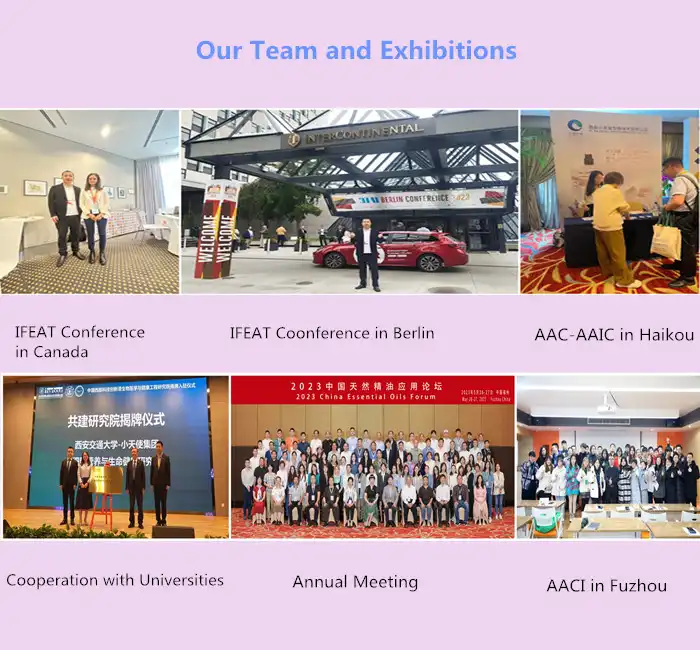
The Angel Holding Group and the Institute of Life and Health Research at Xi'an Jiaotong University both support Angelbio's research and development activities. Each batch benefits from over 18 years of independent research and development experience. Angelbio is a reliable source for white willow bark extract salicin. They offer HPLC-standardized grades ranging from 15% to 98%, quality documentation, traceability support, and formulation assistance for applications in nutraceuticals, cosmetics, and functional foods. You can email our scientific team at angel@angelbiology.com to ask for samples and specification sheets.
References
1. Vlachojannis, J., Cameron, M., & Chrubasik, S. (2009). A systematic review on the effectiveness of willow bark for musculoskeletal pain. Phytotherapy Research, 23(7), 897–900.
2. Chrubasik, S., Eisenberg, E., Balan, E., Weinberger, T., Luzzati, R., & Conradt, C. (2000). Treatment of low back pain exacerbations with willow bark extract. The American Journal of Medicine, 109(1), 9–14.
3. Nahrstedt, A., Schmidt, M., Jäggi, R., Metz, J., & Khayyal, M. T. (2007). Willow bark extract: The contribution of polyphenols to the overall effect. Wiener Medizinische Wochenschrift, 157(13–14), 348–351.
4. European Medicines Agency (EMA). (2017). Community Herbal Monograph on Salix, Cortex. EMA/HMPC/295572/2009 Rev. 1.
5. Schmid, B., Lüdtke, R., Selbmann, H. K., Kötter, I., Tschirdewahn, B., Schaffner, W., & Heide, L. (2001). Efficacy and tolerability of a standardized willow bark extract in patients with osteoarthritis. Zeitschrift für Rheumatologie, 60(3), 149–154.
6. Shara, M., & Stohs, S. J. (2015). Efficacy and safety of white willow bark (Salix alba) extracts. Phytotherapy Research, 29(8), 1112–1116.