



Choosing the Best Ambroxide Powder: Plant-Extracted vs. Biosynthetic Sources
The source of Ambroxide Powder is very important when getting aromachemicals for high-performance flavor formulas. This crystalline sesquiterpenoid molecule, which has the CAS number 6790-58-5, gives current perfumers and formulators the amber-woody-musky profile they want. The difference between biosynthetic alternatives made through controlled fermentation processes and plant-extracted alternatives drawn from botanical sources like clary sage has a direct effect on the uniformity of the smell, the stability of the batches, and the environmental friendliness of your product. By knowing these differences, buying teams can choose raw materials that meet formulation needs, legal standards, and corporate responsibility obligations, all while lowering costs across global supply chains.
Understanding Ambroxide Powder—Properties, Uses, and Benefits
Chemical Composition and Molecular Structure
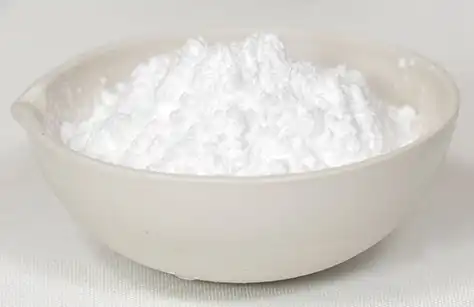
Ambroxide is a tetranorlabdane oxide that has the formula C16H28O. It is a white crystalline material that is very stable at high temperatures. The compound's freezing point is between 74°C and 77°C, and the levorotatory (-)-isomer has the strongest smell-related properties. Gas chromatography research usually shows levels of purity higher than 99%, and the specific optical spin is between -29° and -31° when dissolved in ethanol solutions. This optical specificity lets you tell the difference between high-quality materials and racemic mixes that don't have the right amount of scent. The substance is lipophilic, which means it dissolves easily in ethanol, diethyl phthalate, and other popular fragrance liquids. It does not dissolve in water, though, which makes it more stable on skin and fabrics.
Core Industrial Applications Across Sectors
This aromachemical is used a lot in the fragrance business as a base note fixative in fine perfumery. Dosage rates usually run from 0.5% to 5% in alcohol-based mixtures. Niche perfume houses were the first to use overdose methods, using concentrations as high as 10% to make effects that look like clear amber and molecular scent experiences. The compound's hydrophobic properties and resistance to alkaline environments make it useful for more than just perfumes. For example, functional fragrances are used in laundry care products. Detergents and fabric softeners that contain this ingredient keep the smell even after harsh washing cycles and drying at high temperatures, leaving behind a lasting scent on dried fabrics.
The substance is added to shampoos, body washes, and soap bases by people who work in personal care to cover up the smell of raw chemicals that are found in surfactant systems. Its chemical strength lets it handle pH levels from 4 to 10, and it doesn't break down during saponification. Chemists who work with cosmetics like how well it mixes into emulsion systems, adding light notes without making cream and lotion formulas less stable.
Performance Advantages and Technical Benefits
The compound has a very low odor threshold—below 0.5 parts per billion—which makes formulation efficient and cost-effective. It lets perfumers get the smell patterns they want with the least amount of material. Testing for persistent fragrance shows that it lasts longer than 400 hours on regular smelling blotters, which means that final goods will last a very long time. Synthetic musks can cause problems with regulations, but this material has FEMA 3471 approval and EU REACH compliance, which makes it easier to get into foreign markets.
The ingredient works well as a diffusion booster, making volatile top notes like citrus and floral ones last longer and spread further. This trait, combined with Ambroxide Powder, works with others to cut down on the amount of expensive flower absolutes needed in high-end formulas while keeping the scent's effect. Concerns about oxidation or off-note development during normal warehouse storage times are taken away by shelf stability under atmospheric storage conditions.


Comparing Plant-Extracted vs. Biosynthetic Ambroxide Powder
Production Methodologies and Raw Material Sources
Different types that come from plants are made from sclareol, a diterpene alcohol that is found in large amounts in clary sage essential oil, which comes from growing Salvia sclarea. In traditional extraction, sclareol is changed chemically over several steps using cyclization processes to get the desired three-ring structure. The end product is linked to agricultural supply lines through this botanical route. This means that it can be affected by changes in harvest times, seasonal availability, and weather conditions that affect food yields. The growth conditions in the Mediterranean and Eastern Europe affect both the amount of sclareol present and the cost of extraction.
Engineered microbe types, usually yeast or bacterial cultures that are best at making terpenes, are used in biosynthetic production. Microorganisms use metabolic pathways to change simple sugar feedstocks into target molecules in fermentation tanks, which are controlled environments. In the next steps, extraction, filtering, and crystallization are used to reach pharmaceutical-grade pure levels. This genetic method separates production from the cycles of agriculture. This lets manufacturing happen all year with steady output levels.
Purity Profiles and Olfactory Characteristics
The paths to 99%+ purity that are needed for high-end fragrance uses can be reached by either production method, but they are very different. There may be small amounts of organic co-extractives in materials that come from plants. Some perfumers think these add a "natural halo effect" that is useful in some niche uses. Biosynthetic versions usually have better chromatographic profiles with fewer impurity peaks, which makes them appealing to formulators who need complete stability between production runs.
Evaluations of smells by expert perfumers show subtle changes in how scents smell. Materials that have been taken from plants sometimes have slightly warmer, more complicated undertones that are caused by small molecules that are present in the botanical framework. Biosynthetic versions have very consistent scent profiles from batch to batch, which is important for keeping brand signatures in mass-market perfumes where customers expect stability, which leads to repeat purchases.
Supply Chain Reliability and Cost Considerations
Agricultural sourcing includes factors like when to gather, crop fails caused by bad weather, and political situations in shipping areas. These unknowns can cause price changes and gaps in supply that make it hard to plan for long-term purchases. Forward contracts and long-term ties with farming cooperatives help lower risks, but they require advanced supply chain management. The prices of materials that come from plants are based on how much it costs to grow the plants, build the structures needed to extract them, and do all the chemical changes that are needed to make the finished product.
Biosynthetic manufacturing improves supply reliability by creating controlled production settings that are less likely to be interrupted by outside factors. Fermentation capacity can be increased or decreased based on predicted demand, and the ability to produce close to where the food is consumed cuts down on shipping costs and wait times. Initial capital investment in bioreactor infrastructure is a barrier to entry, but once facilities hit their peak production rates, maintenance costs are often lower than those of botanical extraction. Biosynthetic prices have become more competitive as production methods get better and economies of scale show up, according to a study of the market.
Environmental Impact and Sustainability Metrics
In the life cycle studies that compare the two ways of making things, adding Ambroxide Powder shows that there are many complicated trade-offs. Plant farming needs open land, irrigation water, and agricultural inputs like fertilizers and pest control products, but during growth stages, plants take in carbon from the air. The energy used to transport harvested plants to extraction centers and then process them adds to the total environmental impact. Sustainable farming licenses and organic farming methods can help rural agricultural areas deal with some of these effects.
Biosynthetic methods don't compete for land with food crops, and they use less water than agriculture that depends on irrigation. Fermentation processes do need energy to keep the right temperature, stir the mixture, and clean it later on. The environmental success of the facility depends a lot on its energy sources. Operations that use green electricity have much smaller carbon footprints than operations that use fossil fuels. Both routes create processing waste that needs to be thrown away properly, but biosynthetic approaches create more reliable waste streams that can be treated using standard methods.
How to Choose the Best Ambroxide Powder for Your Business Needs?
Establishing Quality and Purity Requirements
The standards for procurement should match the end-use needs and regulatory context of your formulation. For fine fragrances, the quality must be at least 99%, which can be checked by gas chromatography, and optical rotation must be used to make sure the desired stereoisomer is present. To make sure the material works the way you want it to, ask for reports of analysis that list the melting point ranges, optical rotation values, and levels of leftover solvent. Functional scent uses in home care goods might be able to handle slightly wider specification ranges while still keeping olfactory performance, which could lead to cost savings.
As part of your testing methods, you should do rapid aging studies to make sure the product is stable under the storage conditions that are common in your supply chain. Materials that keep their color, solid structure, and smell after being stored for a long time or at different temperatures reduce the need for reformulation and customer complaints. To meet quality assurance standards and make it easier to get goods through customs, packages of materials must come with regulatory paperwork like safety data sheets, allergen releases, and IFRA compliance statements.
Matching Production Capacity with Supply Volumes
Compare how much your supplier can produce with how much you use each year to make sure there will be consistent long-term supply. Biosynthetic makers with specialized fermentation capacity ranging from pilot scale to commercial production can meet the needs of a wide range of customers, from small names to large global companies. Plant-extraction experts may be able to help with smaller amounts when biochemical minimum production runs are higher than what is needed in the short term. When you commit to buying a lot of something, you can often get better prices. But procurement teams have to weigh the savings in costs against the costs of keeping supplies and the length of time that materials last.
Order quantity flexibility is important during the development of a product, when changes to the recipe may affect the amount of ingredients needed. Suppliers with lower minimum order amounts make it easier to try new things and test the market without having to keep too much cash on hand in raw material supplies. On the other hand, established goods with steady demand can benefit from volume contracts that guarantee supply while lowering costs per kilogram through economies of scale.
Evaluating Technical Support and Application Expertise
The expert teams of suppliers should have a strong understanding of fragrance chemistry and formulation science. They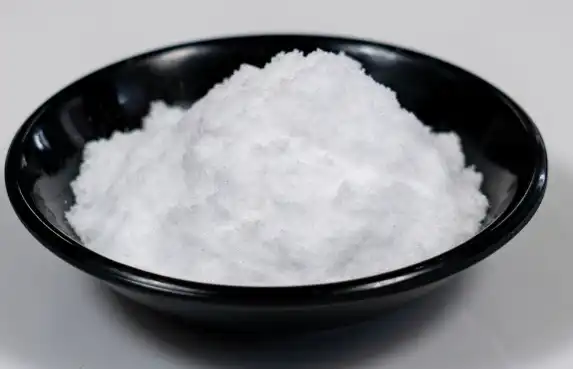 should be able to give advice on the best amounts to use, how to make sure they work with other ingredients, and how to fix performance problems. Having access to application laboratories where you can do basic blending trials cuts down on the time it takes to make a product and the number of expensive reformulation steps that need to be done. As markets tighten limits on fragrance materials, regulatory affairs support becomes more valuable. Proactive suppliers keep an eye on changing requirements and help with compliance paperwork.
When looking for a provider, custom analytical services that include olfactory profiling, stability testing under your specific formulation conditions, and method development for quality control processes—along with Ambroxide Powder—are things to consider. These value-adding skills make partnerships stronger than transactional ones. They make sellers more like development partners who care about your product’s success.
Conclusion
When deciding between plant-extracted and organic Ambroxide Powder, you have to weigh a lot of things, such as the need for cleanliness, the dependability of the supply chain, the need for sustainability, and the cost. Both ways of making materials meet strict quality standards for difficult scent uses. Which one to choose often depends on the needs of the recipe and the company's values. Biosynthetic alternatives offer stability and supply predictability that are good for large-scale manufacturing operations. Plant-derived alternatives are liked by brands that value botanical history and farming care. Assessing technical materials and building relationships with suppliers are two important parts of successful buying strategies. This makes sure that companies can get high-quality aromachemicals, which is important for long-term business growth and setting products apart in competitive markets.
FAQ
1. What safety precautions apply when handling this aromachemical?
Standard procedures for handling chemicals apply, such as working in well-ventilated areas to avoid breathing in too much dust and wearing the right safety gear, like safety glasses and gloves. The material is not very dangerous in the short term, but it is best to avoid direct eye contact and long-term skin exposure. Keeping things in cases with tight lids and away from heat sources and oxidizing agents keeps them stable and stops them from getting contaminated.
2. How do fragrance profiles differ between biosynthetic and plant-extracted sources?
Both versions have the same amber-woody-musky scent, and the only way to tell them apart is for trained perfumers to compare them side-by-side. Some plant-based materials have slightly warmer notes that are caused by small organic co-extractives. On the other hand, biosynthetic forms have very uniform scent profiles that vary very little from batch to batch. Most people can't tell the difference between sources in finished scent formulations, so they choose based on technical details rather than changes they can smell.
3. What represents optimal dosage rates across different application types?
Fine scent formulas usually have concentrations between 0.5% and 5%. However, niche perfumery sometimes uses overdose methods that reach 10% for unique amber-based blends. Functional fragrance uses 0.1% to 0.3% in washing products, depending on how strong of a smell you want to stay on dried clothes. Personal care products like shampoos and body washes work well at concentrations of 0.05% to 0.2% because they cover scents without overpowering the smell of the product itself. The best doses depend on how complicated the recipe is and what effect you want it to have on the senses.
Partner with Angelbio – Your Trusted Ambroxide Powder Supplier
Angelbio has been doing independent research for 18 years and has production facilities that are fit for medicinal use. This allows them to make Ambroxide Powder that is of the highest quality and meets international standards. Because we know how to harvest botanicals well and are committed to sustainable sources, we can track materials from the time they are grown until they are delivered to the customer. Our expert support services, such as application advice, stability testing, and help with regulatory paperwork, are useful for procurement teams. Get in touch with our fragrance materials experts at angel@angelbiology.com to talk about your formulation needs, ask for certificates of analysis, and find out how our fully integrated supply chain can help your fragrance creation projects.
References
1. Kraft, P., and Bajgrowicz, J.A. "Synthesis and Olfactory Properties of Ambroxide Derivatives." Chemistry & Biodiversity, Vol. 8, 2011, pp. 1-42.
2. Surburg, H., and Panten, J. "Common Fragrance and Flavor Materials: Preparation, Properties and Uses." 6th Edition, Wiley-VCH, 2016.
3. Brenna, E., et al. "Biotechnological Methods for the Production of Natural Aromachemicals." Molecules, Vol. 18, 2013, pp. 5434-5452.
4. Williams, D.G. "The Chemistry of Essential Oils: An Introduction for Aromatherapists, Beauticians, Retailers and Students." Micelle Press, 2012.
5. Arctander, S. "Perfume and Flavor Chemicals (Aroma Chemicals): Volume I and II." Allured Publishing Corporation, 1994.
6. Sell, C.S. "Chemistry and the Sense of Smell." John Wiley & Sons, 2014.