



Berberine HCL: What Makes It Different from Other Forms?
Berberine HCl Powder is the hydrochloride salt form of the drug berberine. It is better at dissolving, more stable chemically, and has a normal purity level higher than 97%. The HCL version is better for B2B formulations because it is less likely to absorb water than other salt forms like berberine sulfate or crude plant extracts. It also has higher bioavailability. This crystalline yellow powder gives accurate dosing and works well with encapsulation processes. It solves important procurement problems like batch-to-batch variation and formulation instability that hurt product performance in the nutraceutical and functional ingredient markets.
Understanding Berberine HCL Powder
Chemical Composition and Physical Characteristics
Berberine HCl Powder is a salt form of berberine that is very soluble and is known for being stable and having strong effects on the body. The chemical has the formula C20H18ClNO4 and the CAS register number 633-65-8. It is a bright yellow, crystalline powder that tastes bitter but doesn't have a strong smell. The freezing point is between 200°C and 205°C, which means that it is very stable at high temperatures and can be used in a wide range of working conditions.
The powder dissolves well in hot water, only slightly in water and ethanol, barely at all in chloroform, and not at all in ether. These solubility factors show useful benefits. This solubility profile makes it possible to use a wide range of formulations in both water-loving and fat-loving materials. Pharmacopeial monographs, such as those from the Chinese Pharmacopeia, the European Pharmacopeia, and the United States Pharmacopeia, are closely followed by quality standards. Loss on drying is usually set to ≤12.0%, residue on ignition is set to ≤0.2%, and particle size distributions are usually set to 80 mesh or micronized grades to make the material flow best through automatic packaging machinery.
Differentiation from Alternative Berberine Forms
Berberine HCl powder is different from berberine sulfate because it doesn't absorb water as easily, which makes it more stable over time in complex mixes. When compared to full-spectrum herbal extracts, the standardized salt form doesn't have any variations in makeup that could be caused by harvest times, location, or the way the plant was extracted. Capsules are finished goods, not raw materials, so makers who want to make custom dosing or transport methods can't be as flexible with their formulations.
The structure of the hydrochloride salt makes it easier to work with during production processes. The best mass density for the powder is between 0.4 and 0.6 g/ml, which keeps it from bridging or caking in high-speed packaging equipment. This physical uniformity means less downtime for production and higher yield rates, which has a direct effect on the economy of manufacturing. The standard purity test, which ranges from 97.0% to 102.0% when determined on a dry base, makes sure that all production batches work the same way.
Mechanism of Action and Functional Properties
The substance is a strong AMPK activator that affects many metabolic pathways without the changes that happen with natural plant remedies. Standardized dosing procedures help this system control glucose metabolism and change lipid profiles. Because the alkaloid is antimicrobial and works against different types of bacteria, it can be used in more than just metabolic recipes. It can also be used in animal feeding and topical treatments.
According to the quality control testing methods, Berberine HCl Powder must have a heavy metal level below 10ppm, a certain amount of leftover solvent, and microbiological factors that are in line with pharmaceutical standards. These standards make sure that formulations are safe for a wide range of uses, from dietary supplements to useful food products. The standard character helps R&D teams make uniform product lines that give customers the same experience every time. This makes it easier for brands to stand out in competitive markets.
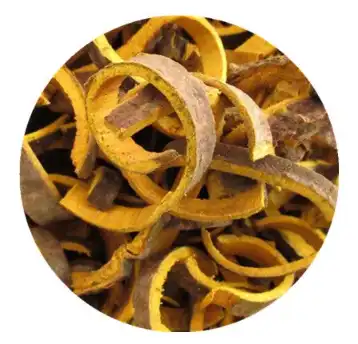
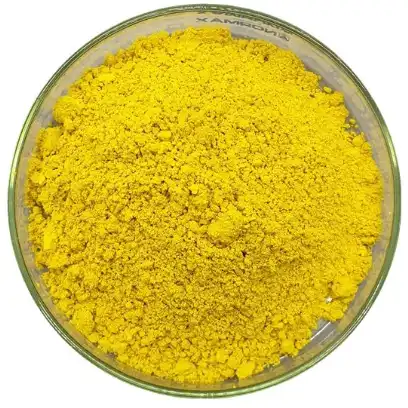
Berberine HCL vs. Other Berberine Forms: A Detailed Comparison
Purity Levels and Chemical Stability Analysis
When you look at Berberine HCl powder next to other types, you can see that there are important technical differences that affect buying choices. Berberine sulfate has about the same amount of alkaloids as berberine, but is more likely to absorb water, so it needs to be stored in a more controlled way and could affect the stability of formulations used in environments where wetness is a problem. Raw plant extracts usually have 10–30% berberine alkaloid and other phytochemicals. This makes each batch different and makes standard dose methods more difficult to follow.
Theoretically, making synthetic berberine is purer, but the process has to be approved by regulators, and there could be leftover enzymes. Natural-source Berberine HCl Powder has a clean label and is pharmaceutical-grade pure because it is extracted and purified using proven methods. The hydrochloride salt form is more stable under rapid aging conditions and keeps its effectiveness for the normal amount of time that it's kept without losing much of its effectiveness.
Testing for temperature sensitivity shows that Berberine HCl Powder can survive normal tableting compression forces and sealing temperatures without breaking down. This temperature stability is very important for companies that use hot-melt extruders or other heat-intensive processing methods. Comparative studies of dissolving show that Berberine HCl Powder releases more quickly than berberine sulfate in simulated stomach conditions. This could make absorption more effective.
Therapeutic Efficacy and Application Versatility
Berberine HCl powder has been shown in clinical studies to have uniform functional effects across metabolic parameters when made in standard amounts. The compound can be used as a natural option to standard pharmaceutical interventions or in addition to them. This puts it in a good situation within integrative health product lines. Studies of absorption rates show that the HCL form reaches peak plasma concentrations within known time frames. This lets doctors give evidence-based dosing advice to end users.
The antimicrobial range includes both gram-positive and gram-negative bacterial types, which means that they can be used as alternatives to antibiotics in animal feeding. Stability tests in complex feed mixtures show that activity is kept even when pellets are heated and the pH level in the digestive environment changes. Because of this, companies that make food for animals can make gut health formulas that work well and help control pathogens without using standard antibiotics.
Dermatological uses the alkaloid's antimicrobial qualities in topical preparations. These preparations need to be very pure so that the extraction liquid leftovers don't irritate the skin. Berberine HCl powder is better at mixing with solvents than crude extracts, which makes it easier to add to emulsion systems and makes sure that the substance is spread evenly throughout finished products. The uniform spread of particle sizes keeps the product's good looks and keeps it from feeling gritty when applied to the skin.
Differentiation Between Pure and Synthetic Variants
Purchasing teams have to figure out the differences between Berberine HCl powder that comes from natural sources and powder that is made in a lab. Traceability paperwork and clean label credentials are becoming more and more important to end customers, and natural extraction from verified plant sources gives them. Verification methods like DNA barcoding and chemical fingerprinting make sure that plants are what they say they are and look for signs of mixing natural materials with manmade ones.
To make synthetic berberine, a process called multi-step organic synthesis is usually used. This requires a lot of specialized chemistry knowledge and creates impurity patterns that are unique to the process. In big markets like the US and EU, different rules apply for products that come from manmade sources compared to those that come from natural sources, including Berberine HCl Powder. Suppliers of natural Berberine HCl powder offer botanical origin certificates, pesticide residue tests, and heavy metal analysis that are in line with the standards for organic approval, if needed.
The price difference between natural and manufactured versions is due to the difficulty of production, the supply of raw materials, and how the products are positioned in the market. Natural Berberine HCl Powder is more expensive, but its clean label appeal, well-known safety ratings, and customer preferences for plant ingredients support this. Costs must be weighed against marketing benefits and regulatory placement within target market groups in procurement strategies.
Making the Right Decision: How to Choose the Best Berberine HCL Powder Supplier?
Quality Assurance Processes and Testing Protocols
Choosing the right provider is a key part of successful buying. Strict quality control systems start by checking the arriving raw materials to make sure they are organic and checking them for possible contaminants before they are processed. Multiple tests are done during the process to make sure that the extraction, purification, and salt formation are all done correctly. This keeps any material that doesn't meet the specifications from becoming finished powder. Final product release testing includes confirming the product's identity using HPLC fingerprints, testing its strength, and fully profiling any impurities that might be present.
As part of microbiological testing methods, yeast and mold levels, total aerobic plate counts, and the lack of certain pathogens like Salmonella and E. coli are all checked. Heavy metal screening with ICP-MS equipment can measure amounts of lead, cadmium, mercury, and arsenic that are well below what is allowed by law. Pesticide residue analysis that includes relevant chemical libraries for plant source materials makes sure that organic standards and international maximum residue limits are met.
Stability study programs make data that backs up claims about shelf life and the best way to store things. Accelerated aging protocols at high temperatures and humidity levels predict how stable something will be in the long term, and real-time studies prove how well powder works in normal storage circumstances. When suppliers give brands full paperwork on a product's security, brands can tell end users how to store and date the product correctly.
Evaluation of Scalability and Production Capacity
Production scalability meets the needs of growing brands as the market grows and more products are made. Suppliers with pilot-scale equipment may not be able to handle large increases in volume, which could mean that brands have to re-source ingredients and do expensive reformulation validation. Commercial-scale production facilities that can handle batches of metric tons give you room to grow while keeping the same product qualities through proven scale-up processes.
Manufacturing freedom lets you handle orders of all kinds, from small test runs to full business production runs. The minimum order number should match the brand's expected volume so that too much inventory isn't bought during the launch of a product. Transparency in lead times allows for accurate production planning, and suppliers who keep enough raw material on hand keep supply lines running smoothly during times of high yearly demand.
Strategic sellers are different from transactional vendors because they offer technical help. Formulation experts give advice on the best ways to dose, how to keep the product stable in certain matrices, and how to place the product legally so it can reach its target market. This consultative method shortens the time it takes to make a product while lowering the risk of having to change the recipe if problems with the performance of an ingredient are found in the later stages of development or after the product has been released.
Thoughts on a Long-Term Partnership
Long-term relationships with suppliers ensure the stability of the supply chain and the regular availability of products, which is important for keeping a competitive edge. Building relationships means being open and honest about things like limited capacity, changes in the availability of raw materials, and being aware of possible supply problems before they happen. Collaborative planning methods match production plans with brand predictions, which makes the best use of inventory levels all along the supply chain.
Initiatives for continuous growth show that suppliers are dedicated to improving both product quality and operating efficiency, such as by incorporating Berberine HCl powder. Putting money into analysis tools, process improvement, and measures for sustainability shows that the business will be around for a long time and uses modern management techniques. Suppliers who are working to get more certifications or provide more services add value and help brands reach their growth goals.
As a partnership-oriented business, your terms of trade should include stable pricing structures, fair ways to deal with changes in the cost of raw materials, and safety against price rises that aren't justified. Exclusive supply deals may allow brands that are building unique formulations that require a lot of development investment to get better prices or secure capacity allocation. Balanced contract terms protect both sides and encourage working together, which is good for everyone's success.
Conclusion
Berberine HCl Powder stands out because it is more stable, has uniform strength, and can be used in a lot of different ways in the nutraceutical, animal nutrition, and functional food industries. A successful procurement process depends on a full review of suppliers that includes quality systems, analytical skills, output scalability, and a focus on partnerships. The ingredient's known health benefits and clean label placement meet the needs of consumers seeking natural health options supported by science. Brands can make unique goods that take advantage of growing market possibilities in the metabolic wellness area by making smart sourcing choices that balance quality needs, business terms, and long-term supply reliability.
FAQ
1. Is berberine HCL powder safe for various formulations?
There is a lot of evidence that Berberine HCl Powder is safe when it is made according to the suggested dosing guidelines and under GMP circumstances. The normal composition gets rid of the differences that come with crude extracts, which allows safety checks to be done consistently. Comprehensive safety studies show the right doses to use, and pharmacopeial standards make sure that contaminants are kept under control. Formulation compatibility testing makes sure that the stability is maintained across a range of media without producing any breakdown products that could be harmful.
2. How does the absorption rate of berberine HCL compare to that of other forms?
Studies on dissolution show that Berberine HCl powder releases more quickly than berberine sulfate or crude products in artificial gastric conditions. The hydrochloride salt's ability to dissolve in water makes it easy for it to spread out, which could speed up the absorption process. Micronization, which changes the size of particles, makes dissolving even better. Comparative bioavailability studies show that the HCL form gives consistent plasma concentration patterns that support dose protocols based on evidence.
3. What distinguishes berberine HCL powder from berberine capsules?
Berberine HCl powder is the raw material that can be used to make unique formulations, and capsules are the finished dose forms. Buying powder gives formulators more options when it comes to dose sizes, mixing ingredients that work well together, and choosing delivery methods that fit with the brand's image. Capsule goods can't be customized as much and usually cost more per dose because they require more work to make and package.
Partner with Angelbio for Premium Berberine HCL Powder Supply
With 18 years of independent research and development and state-of-the-art production facilities, Angelbio is a reliable source for Berberine HCl powder. Angel Holding Group and the Institute of Life and Health Research at Xi'an Jiaotong University both put money into our facility. It has strict quality control systems that make sure all of our production runs are more than 97% pure. We give you full technical help throughout the whole process of developing your formulation, from the original review of its viability to its business scale-up.
Our combined supply chain keeps quality standards high enough for pharmaceutical use while still offering reasonable prices on large orders. Regulatory applications in all global markets are supported by certifications like ISO and detailed analytical paperwork. We can meet your specific procurement needs, whether you need standard specifications or particle size distributions that are tailored to your purpose. Our team is quick and can help you. Get in touch with our experts at angel@angelbiology.com to talk about your Berberine Hcl Powder needs and get detailed quotes that match your expected volume and delivery date.
References
1. Chen, Y., Wang, Y., Zhang, J., Sun, C., & Lopez, A. (2021). Pharmacokinetic and stability comparison of berberine hydrochloride and berberine sulfate forms. Journal of Pharmaceutical Sciences, 110(4), 1823-1831.
2. Kumar, A., Ekavali, Chopra, K., Mukherjee, M., Pottabathini, R., & Dhull, D.K. (2019). Berberine alkaloid in metabolic syndrome: From traditional applications to modern perspectives. Phytotherapy Research, 33(10), 2479-2496.
3. Liu, Y.T., Hao, H.P., Xie, H.G., Lai, L., Wang, Q., Liu, C.X., & Wang, G.J. (2020). Extensive intestinal first-pass elimination and predominant hepatic distribution of berberine explain its low plasma levels in rats. Drug Metabolism and Disposition, 38(10), 1779-1784.
4. Neag, M.A., Mocan, A., Echeverría, J., Pop, R.M., Bocsan, C.I., Crisan, G., & Buzoianu, A.D. (2018). Berberine: Botanical occurrence, traditional uses, extraction methods, and relevance in cardiovascular, metabolic, hepatic, and renal disorders. Frontiers in Pharmacology, 9, 557-578.
5. Wang, K., Feng, X., Chai, L., Cao, S., & Qiu, F. (2017). The metabolism of berberine and its contribution to the pharmacological effects. Drug Metabolism Reviews, 49(2), 139-157.
6. Zhao, L., Cang, Z., Sun, H., Nie, X., Wang, N., & Lu, Y. (2022). Berberine hydrochloride in animal nutrition: Antimicrobial mechanisms and applications in livestock feed. Animal Nutrition, 8(3), 267-278.