



Cinchona for Hair: Benefits, How to Use, Safety
Cinchona bark extract is a botanical ingredient that can be incorporated into shampoos, scalp tonics, and hair serums to give formulations a distinctive plant-based profile. Cinchona Bark Extract is derived from the bark of Cinchona trees and naturally contains alkaloids such as quinine, along with other botanical constituents. For cosmetic brands, its potential value lies in its botanical identity, traditional background, and formulation characteristics. Before incorporating it into a product, buyers should evaluate its solubility, pH compatibility, appearance, and stability. Product suitability and safety depend on the extract specification, concentration, intended application, and assessment of the finished formula. The following sections explore these considerations in detail.
What Is Cinchona Bark Extract for Hair Care?
Botanical Origin and Background
Cinchona is a genus of trees native to the Andes region of South America and belongs to the Rubiaceae family. Commercial raw materials may come from different species, including Cinchona officinalis, Cinchona succirubra, and Cinchona calisaya, historically associated with the name "Jesuit's bark." In 1820, French chemists Pelletier and Caventou isolated quinine from Cinchona bark, making the plant an important part of natural product chemistry.
Cinchona has also appeared in historical hair-care preparations, including traditional hair tonics. This background can provide a botanical storytelling angle for modern cosmetic brands. However, historical use should be treated as cultural and product-development context rather than proof of a specific hair-care effect. For today's formulations, ingredient identity, composition, and finished-product performance are more important considerations.


How the Extract Differs from Bark Powder and Purified Quinine
Buyers should distinguish among three materials that are sometimes confused. Raw Cinchona bark powder is produced by drying and pulverizing the bark without a concentration step. Cinchona bark extract is obtained by processing the bark with a suitable solvent, followed by concentration and, where applicable, drying. Purified quinine is an isolated chemical compound, often supplied in salt form.
A botanical extract may contain quinine and other naturally occurring constituents, including tannins and alkaloids such as quinidine, cinchonine, and cinchonidine. Its composition depends on the Cinchona species, raw-material origin, extraction solvent, and processing conditions. Therefore, bark powder, botanical extract, and purified quinine should not be considered interchangeable. Buyers should review the product specification and analytical documentation to confirm the material's identity and composition before selecting a grade.
What the Typical Profile Looks Like?
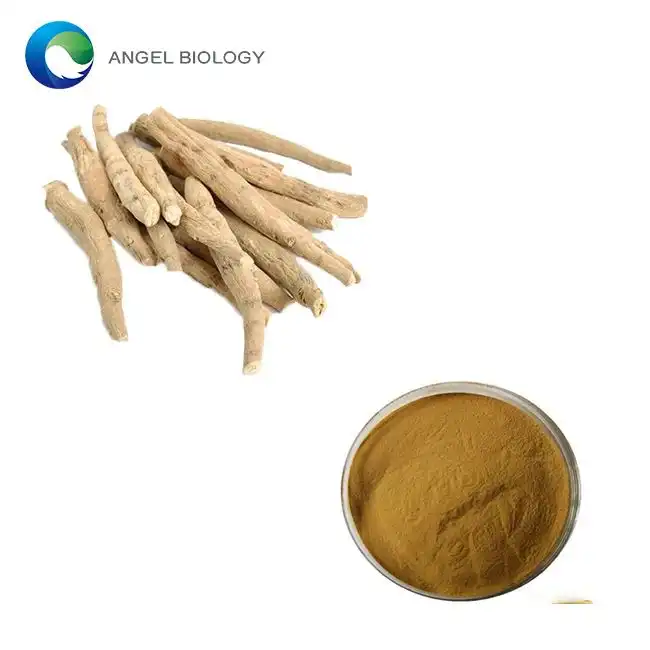
Cinchona bark extract powder may range from reddish-brown to dark brown and can have a characteristic woody, earthy odour and bitter taste. Its solubility depends on the extract composition, solvent system, and pH. Some Cinchona alkaloids are more soluble under acidic conditions or in suitable organic solvents than in neutral water, so the solubility of a commercial extract should be confirmed through testing rather than assumed from the botanical name.
Published technical information reports variation in alkaloid content among Cinchona materials. Figures sometimes cited for crude extracts, such as 5% to 20% quinine, should not be applied to every commercial extract without supporting analytical data. Species, geographical origin, harvest conditions, and extraction methods can all influence the final profile. Buyers should therefore request batch-specific testing and confirm the actual quinine or total alkaloid content stated in the Certificate of Analysis (COA).
Potential Benefits of Cinchona for Hair and Scalp
Scalp-Refreshing and Botanical Appeal
Cinchona bark extract can be considered for hair-care formulations that emphasize botanical ingredients and a distinctive sensory profile. Its naturally occurring tannins and other plant constituents contribute to its characteristic composition. Depending on the extract grade and finished formula, the ingredient may also influence product colour, odour, and overall sensory experience.
For cosmetic brands, a suitable positioning could focus on botanical-inspired scalp-care products and a refreshing user experience, provided that the finished formulation supports the wording used. Phrases such as "botanical scalp-care formula" or "designed for a refreshing cleansing experience" can describe product positioning without suggesting an unverified biological effect. The ingredient may be combined with other botanical materials, such as mint or citrus extracts, when their compatibility has been assessed. Its value is best communicated through accurate ingredient information, formulation performance, and a clear product concept.
Antioxidant Potential and Its Limits
Cinchona bark contains plant constituents, including phenolic compounds and tannins, that may show antioxidant activity in laboratory assays. Such findings can be useful background information during ingredient research and product development. However, results from isolated compounds or controlled laboratory tests do not automatically demonstrate an effect on human scalp or hair.
They also do not establish that a finished shampoo, serum, or tonic will improve hair growth, change scalp conditions, or deliver a specific cosmetic result. Brands considering antioxidant-related positioning should assess whether suitable evidence exists for the actual ingredient grade and finished formulation. Any stronger product statement should be supported by relevant testing and reviewed against the regulations of the target market. Until then, it is more appropriate to focus on botanical composition, formulation characteristics, and verified product attributes.
Product Types That Suit Cinchona
Cinchona bark extract may be evaluated for several hair-care product formats, including shampoos, scalp tonics, serums, masks, and salon treatments. Shampoos are rinse-off products with relatively short contact times, while tonics and serums may remain on the hair or scalp for longer periods. These differences affect ingredient selection, concentration, preservation, and compatibility requirements.
Brands often use botanical ingredients in products designed for hair that looks dull or feels dry and brittle. However, the suitability of Cinchona extract should be determined by the actual formulation rather than by assuming that the raw material can deliver a particular result. Buyers should first identify whether the intended product is rinse-off or leave-on, then evaluate the required grade, colour, odour, solubility, and stability. These factors can influence the finished product's appearance, sensory profile, and production cost.
How to Use Cinchona Bark Extract in Hair Products?
Choosing Between Liquid and Powder Forms
Cinchona bark extract may be supplied in liquid or powder form, depending on the supplier's product range and extraction process. Both formats can be considered for shampoos, scalp tonics, leave-on treatments, masks, serums, and other hair-care applications.
Liquid extracts can be convenient for dosing and incorporation into compatible liquid formulations. However, their solvent system, concentration, carrier ingredients, and preservation requirements should be reviewed before use. Powder extracts are suitable for dry premixes and may offer advantages in storage and transportation, depending on moisture content and packaging.
Because the solubility of Cinchona constituents varies with pH and solvent conditions, formulators should not assume that every powder will dissolve completely in neutral water. A preliminary solubility test can help determine whether a compatible solvent, glycol, or adjusted pH is needed. Any solvent or processing aid must also be suitable for the intended cosmetic application. Small-scale laboratory trials are recommended before adding the ingredient to a production batch. The preferred format will depend on the manufacturing process, target concentration, packaging requirements, and logistics.
Formulation Checks Before Scale-Up
Before scaling up, formulators should evaluate several key parameters: solubility, pH compatibility, colour, odour, heat and light stability, preservative compatibility, and microbiological quality. These checks help identify potential formulation issues before commercial production. In particular, the reddish-brown colour of some Cinchona extracts may affect clear shampoos or light-coloured serums.
Light exposure and storage conditions should be considered during stability testing. Rather than assuming that any colour change indicates a particular chemical reaction, formulators should compare stored samples under defined conditions and assess changes in appearance, odour, and relevant analytical parameters. Opaque or light-resistant packaging may be considered when supported by the stability results.
Some technical references suggest trial concentrations of approximately 0.5% to 2% for certain botanical scalp preparations. This range should not be treated as a universal recommendation for every Cinchona extract or finished product. The appropriate concentration depends on the extract's composition, intended use, formulation characteristics, and safety assessment. Buyers should establish the actual use level through laboratory trials and finished-product evaluation. Storage conditions and shelf life should likewise be based on supplier data and appropriate stability testing rather than assumed from a general recommendation.
Guidance for Consumers on Finished Products
Consumers should use finished hair-care products according to the directions on the product label. Concentrated Cinchona extract is a cosmetic raw material, not a ready-to-use hair-care product, and should not be applied directly to the scalp unless it has been specifically formulated and assessed for that purpose.
Brands should provide clear instructions covering the amount to use, application method, contact time, and frequency of use where relevant. A patch test may be recommended as an additional precaution for consumers with sensitive skin, but it does not replace a proper safety assessment of the finished product. For commercial packaging, concise and easy-to-understand directions can help reduce confusion during home or salon use. Clear ingredient information and appropriate use instructions also contribute to a more reliable customer experience.
Cinchona for Hair Safety, Quality Documentation, and Regulatory Considerations
Safety Assessment Starts with the Specification
Cinchona bark extract naturally contains quinine and may contain other alkaloids. Therefore, safety evaluation should begin with the actual product specification rather than relying only on the botanical name. Different Cinchona extracts can vary in alkaloid concentration, extraction solvent, carrier ingredients, and other compositional characteristics.
A botanical cosmetic extract is not the same material as purified quinine or a medicinal preparation. Its suitability for a hair-care product must be assessed according to the intended cosmetic application. A qualified safety assessor should consider the extract composition, quinine content, proposed concentration, exposure conditions, and whether the product is rinse-off or leave-on. The finished formulation may also require appropriate skin-compatibility evaluation.
Buyers should ensure that the safety assessment refers to the actual ingredient grade and relevant batch documentation. If the supplier changes the raw-material source, extraction process, or product composition, the updated information should be reviewed to determine whether the existing assessment remains applicable. This approach helps brands make more informed ingredient decisions and maintain consistent product documentation.
Documents to Request from Suppliers
A complete document package helps buyers evaluate an ingredient before placing a commercial order. For Cinchona bark extract, useful documents may include a Certificate of Analysis (COA), Technical Data Sheet (TDS), Safety Data Sheet (SDS), botanical identification information, allergen and contaminant declarations, heavy-metal test results, microbiological data, residual-solvent information, and relevant market-specific compliance documents.
Some technical references provide example limits for contaminants, such as lead below 3 ppm, arsenic below 1 ppm, cadmium below 1 ppm, and mercury below 0.1 ppm. These figures should not be treated as universal legal limits or automatic acceptance criteria for every product. Buyers need to confirm the applicable requirements for their intended use and destination market, then include the relevant limits in their purchasing specification. The analytical method, test laboratory, and batch identification should also be clear.
For example, heavy metals may be assessed using ICP-MS or another suitable validated method. Microbiological limits and residual-solvent requirements should be determined according to the ingredient category, applicable regulations, and customer specifications. Reviewing these documents before procurement can help reduce the risk of specification mismatches and unnecessary delays during product development.
US Regulatory Context and Claims
In the United States, products intended for cleansing or beautifying hair are generally regulated as cosmetics, unless their intended use or claims place them within another regulatory category. The Modernization of Cosmetics Regulation Act of 2022 (MoCRA) introduced additional requirements for the cosmetics sector, including applicable facility registration, product listing, and safety substantiation obligations.
Cosmetic claims should accurately reflect the product's intended purpose and available evidence. Statements suggesting that a product treats a disease, affects a body function, or produces an unsubstantiated hair-growth effect may raise regulatory concerns. Brands should therefore review product names, website copy, labels, and promotional materials together rather than evaluating individual claims in isolation.
For products marketed in the European Union, Regulation (EC) No 1223/2009 provides the main framework for cosmetic products. Buyers should verify the current requirements relevant to Cinchona-derived ingredients, including any applicable restrictions concerning quinine or its salts, before finalizing a formulation. Requirements can vary by ingredient identity, concentration, product type, and market. For international sales, brands should check the applicable rules in each destination market and ensure that supplier documentation supports the intended product positioning.
Choosing and Sourcing Cinchona Bark Extract for B2B Procurement
Specifications Buyers Should Evaluate
A product name alone is not enough to make an informed purchasing decision for Cinchona bark extract. Buyers should confirm the botanical species, plant part, geographical origin, extraction process, and batch traceability. They should also determine whether the product is a non-standardized botanical extract, a marker-standardized extract, a grade specified by quinine content, or a material tested for total alkaloids.
Other useful parameters include the extract ratio, extraction solvent, dry matter content, carrier ingredients, moisture, appearance, odour, and particle size. Depending on the intended application, a supplier may also provide chromatographic identification or a chemical fingerprint using methods such as HPLC or TLC. Additional evaluation items may include marker-compound testing, microbiological limits, heavy metals, pesticide residues, residual solvents, and available stability information.
A suitable analytical profile helps buyers compare different batches and identify possible differences in composition. It can also support internal formulation review and the preparation of product documentation. When requesting quotations, buyers should provide clear specifications so that suppliers can quote comparable materials rather than products with different compositions or processing characteristics.
Standardized Versus Traditional Extracts, and Supplier Evaluation
A standardized extract may offer a more clearly defined marker range, which can make batch comparison and formulation development more straightforward. This can be useful for brands that require consistent ingredient specifications across multiple production runs. A non-standardized botanical extract may be suitable for products that emphasize a broader plant-derived composition, but buyers should still define the required identity, composition, and acceptance criteria.
If organic positioning is important to a brand, buyers should verify the relevant certification, scope, traceability, cost, minimum order quantity, and continuity of supply. The choice between different grades should also reflect the final product format. For example, a rinse-off shampoo and a leave-on scalp tonic may have different requirements for colour, odour, solubility, and ingredient concentration.
When evaluating a supplier, buyers should review production capability, quality-control procedures, technical documentation, export experience, communication efficiency, sample availability, and capacity to support future orders. Angelbio provides natural ingredient sourcing and technical support for business customers. Its experience in natural ingredient projects, product testing, and supply chain coordination can be discussed with buyers according to their specific Cinchona extract requirements. Company experience and service details should be confirmed against the latest supplier documentation.
Procurement Steps and Common Mistakes
A straightforward procurement process starts with a clearly defined application, preferred extract format, required marker information, target market, and estimated annual volume. Buyers can then request samples, specifications, and analytical documents before testing the ingredient in a representative formulation. Once compatibility has been evaluated, the next steps include confirming the product specification, packaging, minimum order quantity, lead time, quotation, shipping arrangements, and payment terms.
It is also important to clarify the supplier's role. A raw-material supplier provides the ingredient and its supporting documentation, while a contract manufacturer may offer additional services such as formulation development, filling, packaging, or private-label production. Confirming these responsibilities early can help avoid misunderstandings during project planning.
Export shipments may require commercial invoices, packing lists, certificates of analysis, safety data sheets, certificates of origin, and other documents depending on the destination market and customer requirements. Common purchasing mistakes include assuming that Cinchona extract promotes hair growth, treating a botanical extract as equivalent to purified quinine, and ordering without confirming marker data or product composition. Buyers may also focus only on unit price while overlooking solubility, batch variation, missing documents, packaging suitability, or supply continuity. Comparing the full procurement requirements provides a more reliable basis for supplier selection.
Conclusion
When its botanical identity, composition, and intended application are clearly defined, Cinchona bark extract can be considered for hair-care formulations that feature plant-derived ingredients and a distinctive sensory profile. It differs from raw bark powder and purified quinine, and its composition may include quinine, other alkaloids, tannins, and additional botanical constituents. Its potential value in cosmetic products should be discussed in terms of ingredient characteristics, formulation compatibility, and verified finished-product performance rather than unsupported hair-growth or therapeutic claims.
Both liquid and powder formats may be suitable for different production requirements. However, solubility, pH compatibility, colour, odour, light stability, and use level should be evaluated before scale-up. Safety depends on the actual extract specification, alkaloid content, intended concentration, and finished formulation. Regulatory requirements and product claims should also be reviewed for each target market.
For B2B buyers, the practical approach is to define the intended application and specification first, then review batch data, analytical methods, traceability, documentation, and supply capacity before selecting a supplier. A clear technical brief also helps suppliers recommend a more suitable grade and provide a more accurate quotation.
FAQ
Q1: Is Cinchona bark extract the same as purified quinine?
A: No. Cinchona bark extract is a botanical mixture that may contain quinine, other alkaloids, tannins, and additional plant constituents. Purified quinine is an isolated chemical compound. Their composition, specifications, and regulatory considerations are different, so they should not be substituted for one another in a formulation. Buyers should check the product specification and COA to confirm exactly which material a supplier offers.
Q2: Can I promise hair growth with Cinchona for hair products?
A: Hair-growth claims should not be made based solely on the traditional use or botanical composition of Cinchona bark extract. The available background information does not establish that every Cinchona extract or finished hair-care product promotes hair growth. Brands should focus on verified ingredient characteristics and appropriate cosmetic positioning. Any stronger performance claim requires relevant evidence for the actual finished product and a review of the target market's regulations.
Q3: Should I choose a liquid or a powder extract?
A: The choice depends on the formulation and production process. Liquid extracts may be convenient for dosing in compatible liquid systems, while powders can be useful for dry premixes and certain storage or transportation requirements. Buyers should compare the solvent system, concentration, carrier ingredients, solubility, and stability of each option. Small-scale formulation trials can help determine which format is more suitable.
Q4: What should I send when I request a quote?
A: Provide your intended application, preferred format, target marker or quinine range, required documentation, destination market, and estimated annual volume. If you have specific requirements for colour, solubility, packaging, or analytical methods, include those details as well. This information helps a supplier identify a suitable specification and prepare a more accurate quotation.
Request Cinchona Bark Extract Samples from Angelbio
Angelbio supports business customers seeking botanical ingredients for cosmetic and personal-care applications. If you are sourcing Cinchona bark extract, share your intended application, preferred powder or liquid format, target marker range, and destination market with our team. We can discuss available specifications, sample arrangements, technical documentation, and quotation details to help you evaluate the ingredient for your formulation.
Contact: angel@angelbiology.com
References
1. Natural Products (Springer), 2013 – Kacprzak, K. M., "Chemistry and Biology of Cinchona Alkaloids."
2. Frontiers in Plant Science, 2017 – Maldonado, C., et al., "Phylogeny predicts the quantity of antimalarial alkaloids within the iconic yellow Cinchona bark (Cinchona calisaya, Rubiaceae)."
3. Angewandte Chemie International Edition, 2005 – Kaufman, T. S., and Rúveda, E. A., "The quest for quinine: those who won the battles and those who won the war."
4. U.S. Food and Drug Administration, 2022 – Modernization of Cosmetics Regulation Act of 2022 (MoCRA).
5. Official Journal of the European Union, 2009 – Regulation (EC) No 1223/2009 on cosmetic products.