



Sourcing Bovine Lactoferrin: Supplier Audits and Quality Testing
To source bovine lactoferrin successfully, buyers need to evaluate both the supplier and the ingredient itself. A supplier audit helps verify who manufactures the lactoferrin powder, how production quality is controlled, and whether each batch can be traced back to its milk or whey source. Quality testing confirms whether the product meets the required specifications for identity, purity, moisture, microbiological quality, solubility, and stability. Together, these steps help determine whether the material can maintain consistent quality from the initial sample to subsequent commercial orders. Purchasing, quality, R&D, distribution, and OEM teams all benefit from a clear and repeatable supplier evaluation process. This guide outlines the key steps.
Define Requirements and Audit the Lactoferrin Powder Manufacturer
Define Your Bovine Lactoferrin Powder Sourcing Requirements
Before sending a sourcing inquiry, buyers should define their application and technical requirements. A dietary supplement brand may prioritize taste, purity, and dosage flexibility. Infant formula manufacturers may require more detailed regulatory documentation, ingredient traceability, and application-specific evaluation. For beverage applications, solubility, heat tolerance, and compatibility with other ingredients are important considerations.
Prepare a list of technical requirements, including lactoferrin content, product grade, appearance, moisture, microbiological limits, packaging, shelf life, delivery destination, and any requirements concerning origin or organic status. Separate mandatory specifications from preferred options. Sending the same questionnaire to every supplier makes it easier to compare quotations, technical capabilities, and product suitability on an equal basis.
Audit the Lactoferrin Powder Manufacturer and Supplier
The first question during a supplier audit is straightforward: who actually manufactures the product? Request the legal entity name, manufacturing-site address, and applicable certificates or site documentation. Then review production controls, facility hygiene, equipment calibration, personnel training, corrective and preventive actions (CAPA), change management, and complaint-handling procedures.
A capable supplier should provide clear answers and supporting records. Distributors and trading companies can also offer value through local inventory, logistics, and access to different product sources, but they should be able to identify the manufacturing facility and provide relevant product documentation. If a supplier cannot clarify the product's manufacturing origin or provide basic supporting information, further qualification should be considered carefully.
Check Traceability, Capacity, and Continuity
Traceability begins with the raw material. Since bovine lactoferrin is derived from milk or whey, buyers should understand the dairy raw-material source and how lot numbers connect incoming materials with finished powder. Selecting a batch number and requesting the corresponding traceability records is a practical way to evaluate the system.
Production capacity is equally important. Ask about monthly output, equipment availability, alternative raw-material sources, inventory arrangements, and contingency plans for production interruptions. Lactoferrin is commonly separated from dairy materials using processes such as cation-exchange chromatography and ultrafiltration, which require specialized equipment and process controls. Limited production capacity or dependence on a single processing line may affect delivery schedules. Transparent information helps buyers assess whether a supplier can support both initial orders and recurring commercial demand.
Read the CoA and Build a Testing Program
Review Product Specifications and the Certificate of Analysis
Careful review of the Certificate of Analysis (COA) is essential when evaluating a supplier. A useful COA should be specific to the batch and include the product name, batch number, manufacturing date, retest or expiry date, test methods, specification limits, and actual results for relevant parameters such as identity, protein content, moisture, appearance, and microbiological quality.
A general product specification describes the supplier's target requirements, while a batch-specific COA provides test results for a particular lot. These documents serve different purposes and should be reviewed together.
Some high-purity lactoferrin products are marketed with a purity of at least 95% by HPLC, total protein content above 93%, and moisture below 4.5%. However, these figures are not universal requirements for every grade or analytical method. Buyers should confirm the test method, calculation basis, and actual product specification before using these values as acceptance criteria. Requesting several recent COAs can also help identify trends in purity, colour, and moisture.
For U.S. dietary supplement manufacturers, 21 CFR Part 111 includes requirements concerning component identity testing and supplier qualification. The use of supplier-provided test results for other specifications should be evaluated in accordance with applicable requirements and documented supplier-verification procedures.
Build a Practical Testing Program
A practical testing program should cover identity, composition, safety-related parameters, and application performance. First, confirm that the analytical method is suitable for bovine lactoferrin and the sample matrix being tested. Depending on the intended application and destination market, routine evaluation may include microbiological counts, heavy metals, pesticide residues, veterinary drug residues, and other relevant contaminants.
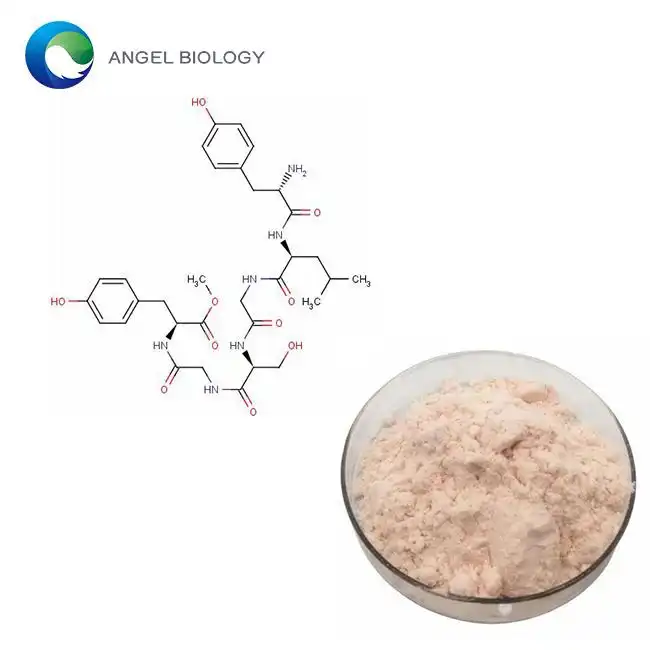
Functional and formulation testing can include solubility, dispersibility, moisture, particle size, flowability, heat tolerance, and compatibility with the intended product matrix. Because lactoferrin binds iron, bovine lactoferrin powder may have a naturally pale pink or cream-coloured appearance. Colour can provide a preliminary visual reference, but it cannot replace identity or purity testing.
For initial supplier qualification, buyers should consider a comprehensive testing panel. Once several batches demonstrate consistent results and the supplier's performance is established, a risk-based testing frequency may be considered. This approach balances quality oversight with testing efficiency while retaining appropriate verification for incoming materials.
Use Independent Laboratory Verification
Independent laboratory testing provides an additional way to verify supplier data. It can be especially useful during initial supplier qualification, first commercial shipment approval, and investigations involving inconsistent results or specification concerns.
Take a representative sample from the same batch identified on the COA and send it to a qualified laboratory. Where possible, agree on the analytical methods and reporting format in advance so that the results can be compared meaningfully with the supplier's data. If differences appear, discuss the sampling procedure, analytical method, and acceptance criteria before drawing conclusions.
Retaining representative samples from each batch can also support future investigations. Choose a laboratory with relevant experience in protein and dairy ingredient analysis, and confirm the expected testing timeline before shipment approval. These records provide useful supporting evidence for internal quality review and supplier-performance monitoring.
Compare Lactoferrin Powder Formats and Evaluate Stability
Compare Lactoferrin Powder Formats, Sources, and Product Options
Buyers should compare ingredient formats according to their intended applications rather than relying only on price or purity claims. Powder is generally more convenient to transport and store than liquid concentrate and can be used in bulk blending, sachets, beverage premixes, and private-label products.
Human lactoferrin and bovine lactoferrin are different source materials, so ingredient identity, labeling, and regulatory review must reflect the actual origin. Pure lactoferrin and blended products also have different formulation considerations. A single-ingredient material may offer more flexibility when designing a formulation, while blends may require additional checks on composition and compatibility.
The iron-saturation level is another important specification. Apo-lactoferrin generally has a lower iron-saturation level, often below 20%, while holo-lactoferrin has a higher level, commonly above 70%. These are typical classification ranges rather than guaranteed specifications for every commercial product. Buyers should request analytical data to confirm the actual iron-saturation level.
Processing methods also influence product characteristics. Freeze-dried and spray-dried powders may differ in solubility, particle properties, processing history, and cost. It is not appropriate to assume that one method always preserves more functional properties than another. Buyers should compare actual test results and application performance when selecting a grade.
Evaluate Solubility and Stability Under Real Conditions
Supplier statements about solubility and stability should be verified under the intended processing and storage conditions. Lactoferrin solubility and dispersion can be influenced by pH, ionic strength, temperature, concentration, and interactions with other ingredients. Some acidic formulations or combinations with polyphenol-rich materials may cause precipitation, aggregation, or changes in appearance. Clear acidic beverages therefore require careful compatibility testing.
Heat exposure is another important consideration. Lactoferrin is a protein, and elevated temperatures may affect its structure and measurable functional properties. The extent of change depends on temperature, processing time, pH, and the composition of the surrounding formulation. Some formulators consider adding lactoferrin after the main thermal processing step when the manufacturing process permits, but this approach must be evaluated for the specific product and microbial-control requirements.
Claims that a particular drying process retains a fixed percentage of activity should be supported by relevant analytical data. During formulation trials, record temperature, pH, concentration, mixing conditions, dispersion time, sedimentation, foaming, and visible particles. These observations help determine whether a selected grade is suitable for the actual production process.
Review Packaging, Storage, and Shelf Life
Lactoferrin powder can be affected by moisture exposure, packaging conditions, and storage temperature. Buyers should review the supplier's recommended packaging, which may include multilayer aluminum foil bags with suitable moisture barriers. Storage recommendations such as temperatures below 25°C and relative humidity below 60% can be used as preliminary reference conditions only when they are consistent with the supplier's product-specific stability data.
Check the package seal and container condition upon arrival, and ask about transportation and storage arrangements. Shelf-life information should be supported by appropriate stability records rather than relying only on a printed expiry date.
Stability studies should reflect the product's intended storage conditions and packaging. Conditions such as 25°C/60% relative humidity and accelerated conditions such as 40°C/75% relative humidity may be considered where suitable for the product and study design. ICH Q1A(R2) is a pharmaceutical stability guideline and should not automatically be treated as a universal requirement for food or dietary ingredient powders. Buyers should select an appropriate stability protocol for the ingredient category and destination market.
Finished-product stability testing is also important. Monitor relevant parameters such as protein content, appearance, moisture, microbiological quality, and formulation performance throughout the proposed shelf life.
Compare Suppliers and Qualify Samples
Compare Suppliers by Commercial, Operational, and Compliance Criteria
For a meaningful supplier comparison, evaluate every quotation using the same criteria. Each quote should specify the same purity or content requirements, grade, packaging, order quantity, Incoterm, and currency. Add freight, insurance, customs charges, documentation costs, and independent testing fees to estimate the landed cost per kilogram.
Consider sample, pilot, and commercial-order minimum quantities separately. Other factors include lead time, replenishment capacity, payment terms, export experience, and technical support for the destination market. A weighted scorecard can help purchasing teams make consistent decisions. Before receiving quotations, agree on the relative importance of product quality, documentation, production controls, supply capacity, price, and technical communication. Under this approach, the lowest quotation does not automatically become the preferred supplier.
Qualify Samples and Pilot Batches
Move from document review to sample testing in a structured sequence. A complete lactoferrin powder sample package should include the batch number, current COA, product specifications, safety and allergen documents, source information, applicable certificates, and storage instructions.
Evaluate the powder's appearance, odour, solubility, dispersibility, handling properties, and compatibility with the intended formulation. After the sample passes the initial evaluation, consider placing a pilot order from regular production rather than requesting a specially prepared lot. This allows buyers to assess packaging, delivery, documentation, and batch consistency under more representative commercial conditions.
Compare pilot-batch results with the original sample and the supplier's COA. Consistent results across these stages provide useful evidence of the supplier's ability to maintain the agreed specification. Any deviation should be documented and clarified before moving to larger orders.
Approve the First Commercial Shipment
The first commercial shipment should receive a thorough incoming inspection. Upon arrival, verify the product identity, quantity, expiry date, container integrity, batch number, and accompanying COA against the purchase specification and shipping documents.
Where required by the agreed acceptance criteria, submit a representative sample for laboratory testing. Retain reference samples and follow the agreed material-release procedure until the relevant results meet the acceptance requirements. Record available transportation information, including temperature data when provided by the supplier or required by the product specification.
After the material is approved, monitor its performance during production. Relevant observations may include dispersion time, solubility, handling characteristics, and compatibility with the formulation. Share feedback with the supplier and document any issues or deviations. This early feedback process helps establish realistic expectations and shows how effectively the supplier responds to technical questions.
Choose a Long-Term Partner and Use a Checklist
Choose the Right Bovine Lactoferrin Supplier for Long-Term B2B Procurement
The right supplier depends on the priorities of each purchasing team. Procurement departments usually focus on price, delivery schedules, and contract stability. Quality and regulatory teams prioritize traceability, accessible testing data, and audit transparency. Formulators need information about solubility, stability, and ingredient compatibility. Distributors may require export documentation, suitable packaging, and reliable shelf-life information. OEM customers may also look for larger production runs, customized blends, and labeling support.
Direct manufacturers may provide greater visibility into production and processing, while qualified distributors may offer local inventory or access to multiple product sources. Regardless of the sourcing model, buyers should document the agreed specifications, complaint-handling procedures, service expectations, and supplier-performance review schedule. A clear working arrangement supports more predictable procurement and long-term cooperation.
A Practical Supplier Audit and Quality-Testing Checklist
These three steps can be adapted to your own supplier approval process.
Before quotation: Define the application, target market, purity, grade, packaging, forecast volume, and required documents. Send the same questionnaire to every supplier before price discussions begin, and keep written responses in one shared file so that purchasing and quality teams can compare offers using consistent information.
During qualification: Verify the manufacturing site, applicable certificates, traceability, capacity, change management, recent COAs, and export experience. Test samples and pilot lots for identity, purity, microbiological quality, relevant contaminants, solubility, stability, and processing performance. Compare the results with supplier data, document any differences, and request clarification when needed.
Before regular orders: Finalize specifications, acceptance criteria, quality agreements, pricing, MOQ, lead time, Incoterms, and procedures for nonconforming lots. Confirm how process or specification changes will be communicated, how complaints and returns will be handled, and which records both parties must retain.
From the first inquiry to regular supply, these steps create a procurement process that can be reviewed and improved over time.
How Angelbio Supports Lactoferrin Powder Buyers
Angel Holding Group and the Institute of Life and Health Research at Xi'an Jiaotong University have invested in Angelbio. Angelbio has more than 18 years of experience in natural ingredient research and testing. Its ingredient portfolio serves a range of industries, including dietary supplements, functional foods, cosmetics, personal care, fragrances, and flavor applications.
Bovine lactoferrin is a transferrin-family glycoprotein derived from cow's milk or whey, with a molecular weight of approximately 80 kDa and the ability to bind iron. Cation-exchange chromatography and ultrafiltration are commonly used in lactoferrin separation and purification. The specific process and product characteristics should be confirmed against the available product documentation.
Angelbio focuses on product specifications, analytical information, and supply coordination to support ingredient buyers. Share your target purity, application, and destination-market requirements with our team, and we can review them against available product data and discuss the relevant documentation, samples, and quotation details.
Conclusion
Successful bovine lactoferrin sourcing requires a careful evaluation of both the supplier and the ingredient. Clearly defined requirements make quotations easier to compare, while supplier audits help confirm the manufacturing site, traceability, capacity, and quality-control procedures. Batch-specific COAs and independent testing can provide additional verification of identity, protein content, moisture, and microbiological quality.
Ingredient performance and stability depend on factors such as pH, temperature, packaging, iron-saturation level, and processing method. Buyers should therefore evaluate apo and holo forms, as well as freeze-dried and spray-dried powders, using actual specifications and application tests rather than general assumptions. A weighted supplier scorecard, pilot batches, and first-shipment inspections can reduce procurement uncertainty, while written specifications and quality agreements help maintain clear expectations.
By following a structured sourcing process, buyers can make better-informed decisions and establish a more reliable long-term supply of lactoferrin powder.
FAQ
1. What should I verify before buying lactoferrin powder online?
Confirm the actual manufacturer, request a batch-specific COA, and review the product specifications, source information, and applicable certificates. Evaluate a representative sample before committing to a large commercial order.
2. How do I compare price per kilogram fairly?
Ask each supplier to quote against the same purity or content specification, packaging, order quantity, and Incoterm. Calculate the landed cost by including freight, insurance, customs charges, documentation, and testing expenses.
3. Which fields belong on a useful COA?
A useful COA should include the product name, batch number, manufacturing and expiry or retest dates, test methods, specification limits, and measured results for relevant parameters such as identity, protein content, moisture, appearance, and microbiological quality.
4. How should I store lactoferrin powder?
Follow the supplier's product-specific storage instructions. Lactoferrin powder should generally be kept in tightly sealed, moisture-resistant packaging and protected from unsuitable temperature and humidity conditions. Multilayer aluminum foil bags may be appropriate when supported by the supplier's packaging and stability data.
Request a Lactoferrin Powder Sample or Supplier Qualification Package
Angelbio welcomes inquiries from dietary supplement brands, food and beverage manufacturers, OEM teams, and distributors sourcing lactoferrin powder. Send your intended application, target market, required purity, estimated order volume, and packaging preferences to angel@angelbiology.com.
Our team can review your requirements and discuss available product specifications, samples, technical documentation, and quotation details to support your supplier evaluation and purchasing process.

References
1. Superti, F. Lactoferrin from Bovine Milk: A Protective Companion for Life. Nutrients, 2020.
2. Wang, B., Timilsena, Y. P., Blanch, E., and Adhikari, B. Lactoferrin: Structure, Function, Denaturation and Digestion. Critical Reviews in Food Science and Nutrition, 2019.
3. Kell, D. B., Heyden, E. L., and Pretorius, E. The Biology of Lactoferrin, an Iron-Binding Protein That Can Help Defend Against Viruses and Bacteria. Frontiers in Immunology, 2020.
4. Steijns, J. M., and van Hooijdonk, A. C. M. Occurrence, Structure, Biochemical Properties and Technological Characteristics of Lactoferrin. British Journal of Nutrition, 2000.
5. International Council for Harmonisation. ICH Q1A(R2): Stability Testing of New Drug Substances and Products, 2003.
6. Code of Federal Regulations, Title 21, Part 111: Requirements for Dietary Supplement Manufacturing, Packaging, Labeling, and Holding Operations, 2007.