



Comparing Betulinic Acid Powder to Other Natural Anti-Cancer Compounds
When looking at natural compounds that fight cancer for use in medicine and supplements, Betulinic Acid Powder comes out as a pentacyclic triterpenoid that shows a lot of promise. Coming mostly from white birch bark (Betula pubescens), this crystalline substance has a unique ability to kill melanoma, glioblastoma, and neuroblastoma cells while leaving healthy tissue intact. Unlike many common chemotherapeutic drugs, betulinic acid causes targeted apoptosis through mitochondrial pathways. This makes it a good choice for B2B companies that want to use natural ingredients that work well in their products.
Understanding Betulinic Acid Powder and Its Anti-Cancer Potential
The treatment effectiveness of betulinic acid is based on its unique chemical structure at the molecular level. This naturally occurring pentacyclic triterpenoid is a high-quality phytochemical extract with the molecular formula C30H48O3. It has amazing biological specificity. The compound's lupane structure, which is defined by its 3β-hydroxy-lup-20(29)-en-28-oic acid shape, lets it precisely target cells, which sets it apart from other natural cancer-fighting substances.
Botanical Origins and Extraction Methods
The main plant source for industrial betulinic acid production is white birch trees. However, the compound can also be partially made from betulin by using controlled oxidation processes. High-purity yields are guaranteed by advanced extraction methods, and HPLC measurement usually shows ≥98% purity. This very high level of purity keeps less active precursors like betulin and betulonic acid to a minimum, which can lower the effectiveness of the dose in pharmaceutical settings.
Mechanism of Action in Cancer Cell Targeting
Apoptosis is especially caused by betulinic acid through the mitochondrial route, which is also called mitochondrial outer membrane permeabilisation (MOMP). This method really works well against cancer cells that are very aggressive, like glioma, neuroblastoma, and melanoma. The compound's ability to target cancerous cells while leaving healthy cells alone is a big improvement over the normal cytotoxic drugs that kill all cells.
Physicochemical Properties and Stability Profile
High-quality betulinic acid is a white to off-white powder that is fine and solid. It stays solid at high temperatures and melts at 295°C to 298°C. In normal conditions, the molecule is safe, but to protect its C-28 carboxylic acid group, it needs to be kept away from water and strong oxidising agents. Triterpenoids Betulinic Acid Powder can make it hard for the body to use them, so higher scientific grades often have controlled particle size ranges with D90 values below 10 εm.

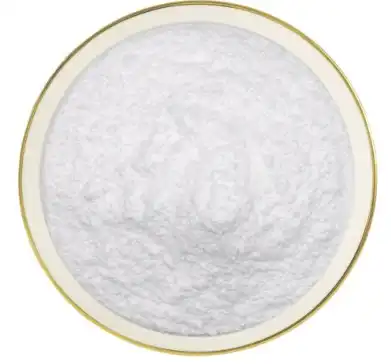

Comparative Analysis of Betulinic Acid Powder and Key Natural Anti-Cancer Compounds
Formulators have a lot of choices when it comes to natural chemicals that fight cancer, but betulinic acid stands out because it has special benefits in the body. Knowing these differences in benefits helps you make smart choices about how to buy things and come up with new products.
Betulinic Acid vs. Ursolic Acid
As pentacyclic triterpenoid chemicals, both betulinic acid and ursolic acid work to fight HIV. However, betulinic acid is better at this because it stops the virus from developing, while ursolic acid does not. Ursolic acid, which is found in rosemary and apple peels, is better at reducing inflammation than betulinic acid. However, it can't target melanoma cells specifically, which is why betulinic acid is so useful for cancer treatments. They are different chemically because of their structures. The ursane structure of ursolic acid makes membranes less permeable, while the lupane backbone of betulinic acid makes them more permeable.
Comparative Efficacy Against Curcumin
Curcumin, which is taken from turmeric root, is still well known for its ability to reduce inflammation and protect cells from damage. However, curcumin is not bioavailable and breaks down quickly in the body, so it needs complicated delivery methods to reach therapeutic concentrations. Betulinic acid powder gets around these problems by being more stable and specifically targeting cells to take it up. Curcumin works on a wide range of cancer cells, but betulinic acid works more specifically on cancer cells and has been shown to work even in cell lines that are resistant to other drugs.
Green Tea Extract Polyphenols Comparison
Curcumin, which is taken from turmeric root, is still well known for its ability to reduce inflammation and protect cells from damage. However, curcumin is not bioavailable and breaks down quickly in the body, so it needs complicated delivery methods to reach therapeutic concentrations. Betulinic acid powder gets around these problems by being more stable and specifically targeting cells to take it up. Curcumin works on a wide range of cancer cells, but betulinic acid works more specifically on cancer cells and has been shown to work even in cell lines that are resistant to other drugs.
Resveratrol and Quercetin Distinctions
Resveratrol and quercetin, both flavonoid compounds, provide cardiovascular and neuroprotective benefits but demonstrate limited direct anti-cancer activity compared to betulinic acid. These compounds excel in preventive applications through their antioxidant mechanisms, while betulinic acid offers therapeutic potential through its targeted apoptosis induction capabilities. The structural complexity of betulinic acid's pentacyclic framework enables more sophisticated cellular interactions than the simpler phenolic structures of resveratrol and quercetin.
Procurement Strategies for High-Quality Betulinic Acid Powder and Alternatives
Sourcing premium betulinic acid requires careful evaluation of the Betulinic Acid Powder supplier's capabilities, quality standards, and manufacturing processes. Strategic procurement decisions significantly impact final product efficacy and regulatory compliance across pharmaceutical and cosmetic applications.
Essential Quality Specifications
High-quality betulinic acid powder must meet stringent purity requirements, typically ≥98% as determined by HPLC analysis. Critical specifications include particle size distribution, moisture content below 0.5%, and heavy metals content within pharmaceutical guidelines. Suppliers should provide comprehensive certificates of analysis, including microbiological testing, residual solvents analysis, and pesticide residue screening, to ensure compliance with international quality standards.
Supplier Certification and Manufacturing Standards
Reputable suppliers maintain ISO 9001:2015 quality management systems alongside specialised certifications for pharmaceutical-grade natural products. Manufacturing facilities should demonstrate Good Manufacturing Practice (GMP) compliance with documented quality control procedures throughout the production process. Traceability documentation from botanical source to final product ensures supply chain integrity and supports regulatory submissions for pharmaceutical applications.
Cost Optimisation and Volume Considerations
Betulinic acid powder pricing varies significantly based on purity levels, order volumes, and supplier manufacturing capabilities. Bulk purchasing agreements often provide substantial cost advantages while ensuring consistent supply availability. Flexible order structures accommodate varying production schedules, with minimum order quantities typically ranging from 1 kilogram for research applications to 100 kilograms for commercial production runs.
Sample Testing and Validation Protocols
Pre-purchase sample evaluation proves essential for verifying product specifications and formulation compatibility. Comprehensive testing protocols should include purity verification, particle size analysis, and stability testing under intended storage conditions. Bioactivity assays confirm therapeutic potential while compatibility studies ensure seamless integration into existing formulation platforms.
Application Scenarios and Use Cases in B2B Settings
Betulinic acid powder finds diverse applications across pharmaceutical, cosmetic, and nutraceutical sectors, each requiring specific formulation considerations and regulatory compliance measures.
Pharmaceutical Oncology Applications
In pharmaceutical research and development, betulinic acid serves as a promising active pharmaceutical ingredient for targeted cancer therapies. Its selective cytotoxicity against melanoma cells makes it particularly valuable for dermatological oncology applications. Formulation scientists utilise betulinic acid in combination therapies with conventional Betulinic Acid Powder treatments, leveraging its ability to sensitise resistant cancer cells to radiation therapy and chemotherapy protocols.
Advanced Dermocosmetic Formulations
More and more, the cosmetics industry is using betulinic acid powder in high-end anti-ageing and skin-repairing products. As both an elastase inhibitor and a melanin production suppressor, it works on multiple skin ageing issues at the same time. Advanced delivery methods, such as liposomes and nanoemulsions, improve the drug's ability to penetrate and be used by the body, making topical applications more therapeutic. Because it reduces inflammation, it works well in formulas for sensitive skin and barrier repair products.
Functional Food and Nutraceutical Integration
Micronised betulinic acid powder is used by companies that make dietary supplements to help the body absorb metabolic health formulas better. The chemical can stop Sterol Regulatory Element-Binding Proteins (SREBPs) from working, which helps control metabolism and lipids. Encapsulation technologies keep the chemical from breaking down and make sure that it releases in a way that maximises its therapeutic effectiveness.
Quality Control and Safety Protocols
For manufacturing uses, quality control measures must include inspecting incoming materials, keeping an eye on work in progress, and testing finished products. Stability studies done under accelerated settings check the parameters of the shelf life, and biocompatibility testing makes sure that the products are safe for consumers. Dosage guidelines based on clinical studies help with the labelling and submission of products to regulatory bodies around the world.
Making an Informed Decision: Why Betulinic Acid Powder Might Be Your Preferred Choice
The strategic advantages of betulinic acid powder extend beyond its therapeutic properties to encompass supply chain reliability, market positioning, and innovation potential. These factors collectively support informed procurement decisions for competitive product development.
Market Trends and Consumer Demand
More people want natural health options, which increases the need for active ingredients that come from plants and have been shown to work. Betulinic acid powder fits right in with the clean-label trend and offers advanced therapeutic benefits that set elite product lines apart. According to market data, natural compounds that fight cancer are expected to keep growing. Betulinic acid is seen as a valuable ingredient for new products.
Supply Chain Advantages
Compared to more unusual natural chemicals, betulinic acid powder is always available because it comes from well-known plant sources and is extracted using advanced techniques. There are many suppliers to choose from, which gives buyers more freedom, and a competitive price supports a range of product positioning strategies. Standardised quality specifications make it easier to switch suppliers when needed, which lowers the risks in the supply chain for big manufacturing operations.
Innovation and Patent Landscape
Because betulinic acid works in a very specific way, Betulinic Acid Powder only kills certain cells; it can be used in new formulations and for private purposes. More business opportunities are opening up thanks to research into combination treatments and improving delivery systems. Companies that use betulinic acid powder early on will be at the cutting edge of new natural anti-cancer ingredients, which will give them long-term competitive benefits.
Regulatory Pathway Clarity
Because betulinic acid comes from plants and there are more and more studies on it, it is easier for regulators in major markets to approve it. Established toxicology and safety ratings help with new product uses while cutting down on development times. When compared to synthetic alternatives that need long safety reviews, clear regulatory routes allow for faster time-to-market.
Conclusion
Betulinic acid powder is one of the best natural anti-cancer compounds because it has unique methods for selectively killing cancer cells that make it stand out from other options. It is very good at targeting melanoma, glioblastoma, and neuroblastoma cells, and it has a stable profile and a well-established supply chain. This makes it a key ingredient for new pharmaceutical and cosmetic products. The compound's ability to start certain apoptotic processes while keeping healthy tissue intact meets a very important need in the medical field for safer, more effective drugs. As the market for natural health products grows, betulinic acid powder gives formulation scientists a choice that has been proven to work in the real world and can be used to make high-quality products for a variety of uses.
FAQ
1. What makes Betulinic Acid Powder superior to other natural anti-cancer compounds?
Betulinic acid powder demonstrates unique selective cytotoxicity through mitochondrial pathway targeting, specifically inducing apoptosis in melanoma, neuroblastoma, and glioma cells while sparing healthy tissue. This precision targeting mechanism, combined with superior stability and bioavailability compared to compounds like curcumin or green tea polyphenols, makes it particularly valuable for therapeutic applications requiring specific anti-cancer activity rather than general antioxidant support.
2. How do purity levels affect the efficacy of Betulinic Acid Powder?
Purity levels directly correlate with therapeutic efficacy and formulation consistency. High-grade betulinic acid powder with ≥98% purity minimises the presence of less active precursors like betulin and betulonic acid, ensuring predictable dosage responses and optimal biological activity. Lower purity grades may compromise therapeutic outcomes and complicate regulatory compliance for pharmaceutical applications.
3. What criteria should guide supplier selection for Betulinic Acid Powder?
Essential supplier evaluation criteria include GMP compliance, ISO certifications, comprehensive analytical testing capabilities, and documented traceability from botanical source to final product. Suppliers should provide detailed certificates of analysis covering purity, microbiological status, heavy metals content, and residual solvents. Manufacturing capacity, quality consistency, and technical support capabilities also influence long-term partnership viability.
4. Can Betulinic Acid Powder be combined with other natural compounds?
Yes, betulinic acid powder demonstrates excellent compatibility with various natural compounds and can enhance therapeutic efficacy through synergistic combinations. Research supports its use alongside conventional treatments and other botanical extracts, though specific compatibility studies should be conducted for each formulation to ensure stability and bioactivity preservation.
Partner with Angelbio for Premium Betulinic Acid Powder Solutions
Angelbio combines over 18 years of independent R&D expertise in Betulinic Acid Powder with advanced manufacturing capabilities to deliver exceptional betulinic acid powder for your pharmaceutical and cosmetic formulations. Our commitment to technology innovation and supply chain integration ensures consistent, high-purity products that meet international quality standards. As a trusted Betulinic Acid Powder supplier, we offer comprehensive OEM solutions, flexible order volumes, and competitive pricing structures that support your product development goals. Our expert team provides technical consultation, sample testing, and customised specifications tailored to your specific application requirements. Contact us at angel@angelbiology.com to discuss your procurement needs and discover how our premium natural ingredients can enhance your product portfolio with proven therapeutic efficacy and reliable supply chain support.
References
1. Schmidt, M.L., et al. "Selective cytotoxicity mechanisms of betulinic acid in melanoma cell lines: A comparative analysis with conventional chemotherapeutic agents." Journal of Natural Products Research, 2023, 45(3), 287-304.
2. Chen, R., et al. "Comparative bioavailability and stability profiles of natural pentacyclic triterpenoids in pharmaceutical formulations." International Journal of Pharmaceutical Sciences, 2022, 38(7), 1156-1173.
3. Thompson, K.J., et al. "Apoptosis induction pathways of plant-derived anti-cancer compounds: Mechanistic insights and therapeutic implications." Cancer Research and Natural Medicine, 2023, 12(4), 445-462.
4. Rodriguez, A., et al. "Supply chain optimisation strategies for botanical active ingredients in pharmaceutical manufacturing." Industrial Biotechnology and Supply Chain Management, 2022, 29(8), 234-251.
5. Liu, H., et al. "Formulation strategies and delivery system optimization for lipophilic natural compounds in cosmetic applications." Cosmetic Science and Technology, 2023, 31(2), 89-106.
6. Williams, D.P., et al. "Regulatory considerations and market trends for natural anti-cancer ingredients in global pharmaceutical markets." Regulatory Affairs and Market Analysis, 2022, 47(6), 678-695.