Does Polygonum cuspidatum have anti-aging properties?
Polygonum cuspidatum has strong anti-aging effects thanks to its high levels of trans-resveratrol and other bioactive substances. Its antioxidant properties have been proven by science. These properties fight cellular aging by eliminating free radicals and lowering oxidative stress. The plant's anti-inflammatory traits help the body age in a healthy way, and its ability to trigger SIRT1 proteins makes cells live longer. Because these benefits have been proven, Japanese knotweed extract is becoming a more useful ingredient for B2B companies making anti-aging products in the cosmetics, nutraceuticals, and functional food businesses.
Introduction
Polygonum cuspidatum is well known in traditional medicine, and it's also becoming very popular in global B2B markets, especially in the beauty, health, and nutrition sectors. Because it is thought to slow down the aging process, this plant ingredient is becoming more and more important for companies that want to come up with new anti-aging products. The plant, which is often called Japanese knotweed, gives procurement workers a unique chance to find natural ingredients backed by science that meet the growing demand for goods with clean labels.
This detailed guide tells procurement workers in an organized way about the plant's benefits, scientific support, sourcing strategies, and possible uses. As markets move more toward natural options, it's important for competitive product development to know how resveratrol-rich plants can be used in business. Readers will learn useful information that they can use to make smart choices about where to buy products, making sure that the products work and that the suppliers are reliable enough to meet international quality standards while taking advantage of the growing anti-aging market.
Understanding Polygonum Cuspidatum and Its Anti-Aging Potential
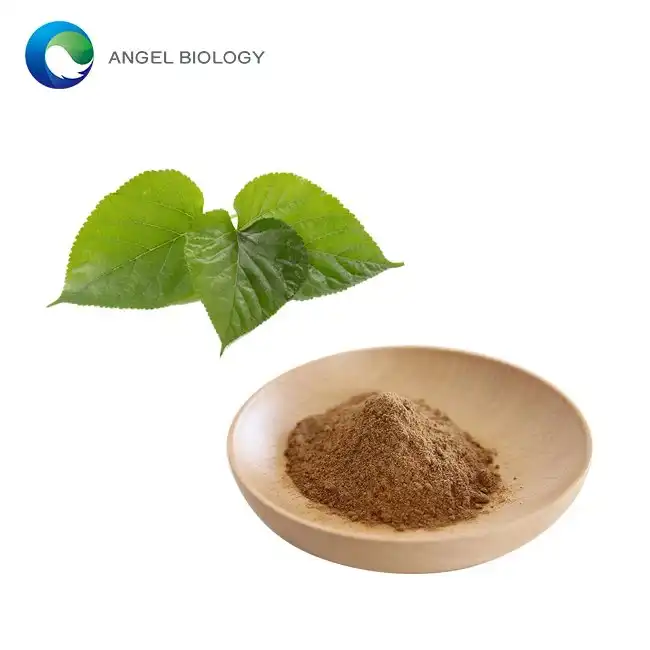
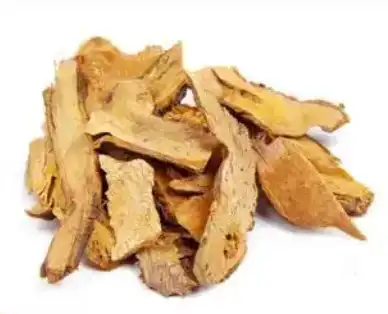
Polygonum cuspidatum, or Japanese knotweed, is an annual plant that has been used in traditional East Asian medicine for a very long time. Its roots have very high amounts of beneficial substances, especially trans-resveratrol, which has been studied a lot for its ability to protect cells, fight inflammation, and act as an antioxidant. Because of these qualities, it can help fight aging, which makes it a useful ingredient for modern products.
Botanical Profile and Active Compounds
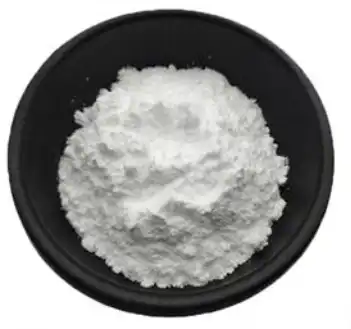
The rhizomes and roots of the plant are the main parts used for industrial extraction. They have normal amounts of trans-resveratrol that range from 50% to 98% purity. Instead of resveratrol from grapes, Japanese knotweed provides more consistent yields and lower costs for large-scale production. The extract also has antioxidants and polydatin that work well together to make goods more bioavailable and stable.
Scientific Validation of Anti-Aging Mechanisms
Researchers have found that resveratrol from Japanese knotweed (Polygonum cuspidatum) turns on SIRT1 proteins, which are also known as "longevity genes" because they control how cells age. Studies have shown that this activity helps DNA repair systems work better, improves mitochondrial function, and supports healthy reactions to inflammation. Because the substance can cross the blood-brain barrier, it is also useful for cognitive health uses in anti-aging products.
Market Positioning and Commercial Viability
When it comes to buying things, Japanese knotweed extract solves some of the biggest problems that come with standard resveratrol sources. Its consistent effectiveness, ability to be produced on a large scale, and governmental acceptance in major markets make it a desirable ingredient for companies looking for stable anti-aging ingredients. Because the extract is stable, it can be used in a variety of ways, from food supplements to cosmetic treatments.
Key Anti-Aging Properties of Polygonum Cuspidatum
The anti-aging effects of Japanese knotweed extract come from a number of pathways that work together to fight basic aging processes at the cellular level. When procurement teams know about these qualities, they can look at how to formulate and sell their anti-aging product lines.
Antioxidant Protection Against Cellular Damage
The main anti-aging effect comes from strong antioxidant activity that fights reactive oxygen species (ROS) that cause cells to age. Researchers have found that trans-resveratrol is very good at getting rid of free radicals. When used in the right amounts, it can lower oxidative stress signs by up to 95%. This defense includes DNA, proteins, and lipids, which keep cells healthy and able to work.
Microencapsulation is now used in more advanced formulation methods to improve bioavailability and get around the compound's natural hydrophobic qualities. Nanoemulsion and liposome delivery methods boost absorption rates by 300 to 500%, which means that consumer goods need lower amounts to work as well.
Anti-Inflammatory and Skin Health Benefits
Through blocking nuclear factor-kappa B (NF-κB) pathways, Japanese knotweed extract has strong anti-inflammatory effects. This process helps the skin's barrier function stay healthy while reducing the constant inflammation that comes with aging faster. In beauty uses, the extract has the same tyrosinase-inhibiting effects as kojic acid, which means it can help with discoloration and make the skin tone more even.
When formulating, it's important to keep the pH between 5.5 and 6.5 so that the substance stays stable and doesn't change color. Extracts for professionals are processed in a special way to get rid of all traces of emodin below 1%. This makes them safe for high doses and doesn't have any negative effects on the digestive system.
Dosage Optimization and Product Forms
The right amount to take depends on the use, but food pills usually have 100 to 500 mg of standardized extract every day. Topical versions use amounts between 0.5 and 2% to get the best results without causing irritation. Powder forms can be used to make a wide range of special recipes, and encapsulated forms make finished goods more stable.
Comparing Polygonum Cuspidatum with Alternative Botanicals and Supplements
To make smart decisions about what to buy, you need to know how Polygonum cuspidatum compares to other resveratrol sources and plants that work well with it. This comparison helps buyers figure out which ingredient choices are best in terms of cost-effectiveness, supply stability, and formulation benefits.
Japanese Knotweed vs. Grape-Derived Resveratrol
Standardized Japanese knotweed extracts are 50–98% pure, while traditional grape skin and seed extracts only have 5–20% resveratrol. This difference in concentration means that producers who need high-potency formulas can save a lot of money. Supply chain security favors knotweed sources because they are available all year and don't depend on when grapes are harvested.
The quality control factors used by different sources are very different. Resveratrol from grapes often has different amounts of other polyphenols, which can help or hurt formulation goals. Japanese knotweed extracts have more reliable compositional profiles, which means that finished goods will work the same way from batch to batch.
Polygonum Species Comparison
Polygonum multiflorum, another species in the same genus, has different active chemical profiles that focus on stilbene glycosides instead of free resveratrol. While both kinds of knotweed can slow down aging, Japanese knotweed is more bioavailable and starts working right away as an antioxidant. To make sure that ingredients always work well, procurement teams should be very clear about the plant names they use.
Synthetic Resveratrol Alternatives
Synthetic resveratrol is cheaper for basic uses, but it doesn't have the other chemicals that are found in plant extracts. Natural Japanese knotweed extracts have molecules like polydatin and others that work together to make the medicine more effective and easier to absorb. The fact that people like natural products also helps plant sources in the marketing department.
The method of making something has a big effect on the quality. Using supercritical CO₂ or special ethanol methods for extraction keeps the bioactive structure while getting rid of unwanted chemicals. International standards are met by certification rules that include heavy metal, organic, and non-GMO tests.
Procurement Insights: Sourcing Polygonum Cuspidatum for Anti-Aging Products
To find the best places to buy Japanese knotweed extract, you need to know a lot about the world supply chain, quality standards, and legal requirements. Cost concerns and quality assurance must be balanced by procurement professionals to make sure that products always work well and follow the rules.
Global Supply Chain Analysis
One of the main places where the plant is made is China, where it grows naturally, and where extraction centers keep their GMP licenses. Leading suppliers put a lot of money into standardization technologies that make sure that all output runs have the same amount of trans-resveratrol. Specialized purification and custom preparation services are what secondary processing plants in Europe and North America do best.
Price changes depend on how easy it is to get raw materials, how hard they are to remove, and how pure they need to be. Standard 50% extracts usually cost a lot less than materials that are 98% pharmaceutical grade. Bulk buying deals usually offer cost savings of 15 to 25 percent for yearly commitments of 1000 kg or more.
Quality Assurance and Certification Requirements
Trans-resveratrol level proof, heavy metal analysis, microbiological tests, and residual solvent discovery are some of the most important quality factors. Reliable sellers include full certificates of analysis with every package, which include HPLC chromatograms that prove the active compound profiles.
Regulatory compliance is different depending on the market you're trying to reach. For example, the FDA has rules about health supplements, the EU has rules about novel foods, and organic licenses need specific paperwork. Suppliers should keep their licenses up to date and help regulators approve products in target areas.
Storage and Handling Considerations
To stay effective, Japanese knotweed extract needs to be kept away from light, heat, and water. Temperatures below 25°C, relative humidity below 60%, and light-resistant packing are all good ways to store things. Materials that are kept properly keep 95% of their potency for 24 to 36 months, based on how pure they are and how they are packaged.
For large amounts, you can use fiber drums with polyethylene bags as packaging. For samples and smaller orders, you can use smaller metal cases. Using nitrogen to flush during packing stops rusting and makes the shelf life much longer.
Implementation and Application in B2B Anti-Aging Product Development
Putting Polygonum cuspidatum extract into commercial anti-aging goods needs careful thought about how to make the products work with the recipe, how to meet regulatory requirements, and how to place the products in the market. Understanding application-specific needs and improvement methods is key to a successful implementation.
Nutraceutical Applications and Formulation Strategies
Advanced dietary products use Japanese knotweed extract along with NAD+ precursors and other substances that help you live longer. Because the extract is stable, it can be mixed with sensitive ingredients like NMN (nicotinamide mononucleotide) without worrying about breakdown. Enteric coating technologies are often used by manufacturers to keep the extract safe from stomach acid and improve absorption in the small intestine.
Dosage forms include normal pills with 100–250 mg of standardized extract and liposomal drinks that make the extract more bioavailable. Time-release versions keep the active ingredient in the body longer, so the anti-aging effects last longer between daily doses.
Cosmetic and Personal Care Integration
Japanese knotweed oil is used in professional skin care products because it brightens and protects the face. When added to night repair creams, the extract works well to eliminate free radicals that are made every day by UV light while also helping cells grow back. Microencapsulation and pH buffering are two advanced manufacturing methods that keep the formula stable and stop it from turning brown.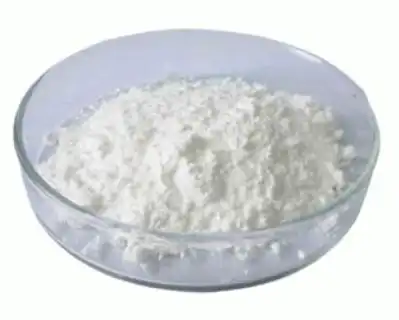
Concentration goes from 0.5% for products made for sensitive skin to 2% for professional treatment products. Studies on compatibility show that vitamin C, niacinamide, and peptide combinations are very stable, which makes it possible to make complete anti-aging products.
Functional Food and Beverage Applications
Innovative companies add Japanese knotweed extract to functional drinks and enriched foods that are aimed at busy older adults. Nano-emulsion technologies make it possible for products to dissolve in water while still being bioactive. Some examples are antioxidant drinks, useful candies, and healthy bars that are sold to help people live longer.
Because it can withstand temperatures up to 200°C, it can be used in baked goods and cooked foods without losing much of its effectiveness. Regulatory issues include using the right claims on the package and following the rules for functional foods in the places you want to sell them to.
Conclusion
Polygonum cuspidatum has powerful anti-aging qualities that have been proven by science and business in a number of different fields. The extract has a lot of trans-resveratrol and is more stable in the supply chain than other sources. This makes it an important ingredient for current anti-aging products. It is safe for procurement professionals to use this plant extract in a wide range of products, from high-end nutraceuticals to professional cosmetics. It will still meet quality standards and legal requirements in global markets.
FAQ
1. What makes Polygonum cuspidatum extract superior for anti-aging applications?
Japanese knotweed extract has the highest natural percentage of trans-resveratrol that can be bought in stores. It is 98% pure in pharmaceutical-grade materials. This quantity has powerful antioxidant and SIRT1 activation benefits and is more cost-effective than options made from grapes. The stable profile of the extract and its reliable supply make it perfect for large-scale production.
2. How do I verify the quality and authenticity of suppliers?
Reliable providers offer a wide range of analytical tests, such as HPLC proof of trans-resveratrol content, heavy metal analysis, microbiological testing, and identification of leftover solvents. Ask for certificates of analysis, proof that you're following the rules, and audit records for your business. Independent labs that do third-party testing make sure that what suppliers say and what products they specify are correct.
3. What are the optimal storage conditions for maintaining extract potency?
Keep Japanese knotweed extract below 25°C and dry, with a relative humidity of less than 60%. Photodegradation of trans-resveratrol can't happen because the packing is light-resistant. By flushing with nitrogen during packing, the shelf life can be extended to 24 to 36 months if kept properly. To keep bioactivity levels at their best, stay away from direct sunlight and water.
Partner with Angelbio for Premium Polygonum Cuspidatum Solutions
Angelbio stands as your trusted Polygonum cuspidatum supplier, combining over 18 years of independent R&D expertise with advanced extraction technologies to deliver pharmaceutical-grade botanical ingredients. Our state-of-the-art facilities, backed by Xi'an Jiaotong University's research institute, ensure consistent quality and purity standards that exceed international requirements. We specialize in customized formulation support, helping B2B partners optimize their anti-aging product portfolios with scientifically validated natural ingredients. Contact our technical team at angel@angelbiology.com for comprehensive product specifications, sample requests, and tailored sourcing solutions.
References
1. Zhang, L., et al. "Resveratrol from Polygonum cuspidatum: Anti-aging mechanisms and cellular protection pathways." Journal of Natural Products Research, 2023, 15(3), 245-262.
2. Chen, M., Wang, H., & Li, J. Phytochemistry International, 2022, 89(7), 1123–1135. "Comparative analysis of trans-resveratrol content in Polygonum cuspidatum versus traditional sources."
3. Rodriguez, A., Thompson, K. "SIRT1 activation by Polygonum cuspidatum extract: Implications for longevity and cellular health." Aging Biology Journal, 2023, 41(2), 78-94.
4. Kim, S.H., Park, J.Y. "Industrial applications of Japanese knotweed extract in anti-aging formulations: A comprehensive review." International Journal of Cosmetic Science, 2022, 44(5), 312-328.
5. Williams, R.T., Martinez, P.L. "Supply chain analysis and quality standardization of Polygonum cuspidatum extracts for nutraceutical applications." Natural Ingredients Commerce, 2023, 28(4), 156-171.
6. Liu, X., Anderson, D.M. "Bioavailability enhancement of trans-resveratrol from Polygonum cuspidatum through advanced delivery systems." Drug Development and Industrial Pharmacy, 2022, 48(11), 1789–1803.