



Dendrobium officinale: Health Benefits, Uses, and Bioactive Compounds
Dendrobium officinale is an orchid species whose stems have a long history of use in traditional East Asian herbal preparations. Its naturally occurring polysaccharides, bibenzyls, flavonoids, and amino acids have attracted attention in botanical research. Dendrobium officinale extract powder is used by manufacturers in a range of product formats, including capsules, tablets, instant drinks, functional foods, and personal care formulations. Laboratory and preclinical studies have investigated its polysaccharide and phenolic components, particularly their antioxidant-related properties. However, these findings do not establish specific health outcomes in humans. Before requesting samples, research and development teams and purchasing professionals should understand the botanical source, compound profile, application requirements, and product specifications. This guide covers the main bioactive compounds, potential applications, quality considerations, and sourcing factors to help buyers evaluate suppliers more effectively.
What Dendrobium Officinale Extract Powder Is
Botanical Identity and Naming
The botanical name of this plant is Dendrobium officinale Kimura et Migo, and it is commonly known in China as Tie Pi Shi Hu. It belongs to the Orchidaceae family. The stem is the primary plant part used in traditional preparations and commercial extract production. Depending on the botanical reference and classification system, the species may also be listed under the name Dendrobium catenatum.
Other species in the Dendrobium genus, such as D. nobile, have their own chemical profiles and should not be treated as interchangeable with D. officinale. For buyers, confirming the Latin name, plant part, and geographical origin is essential. Botanical identification helps reduce the risk of species substitution and supports accurate ingredient specifications and product labeling in different markets.


Raw Herb, Plant Powder, and Standardized Extract
Although they may look similar, raw herb, whole-stem powder, and extract powder have different compositions and processing characteristics. Whole-stem powder is produced by drying and milling the stems, retaining much of the original plant material and insoluble fiber. It is not simply ground leaf material, as the stem is the main part used for Dendrobium officinale products.
Extract powder is produced through extraction, filtration, concentration, and drying. Water is commonly used to obtain water-soluble constituents, while other solvent systems may be selected according to the target compounds and processing requirements. This process separates some insoluble plant material and can concentrate selected constituents, including polysaccharides.
A standardized extract is characterized by an agreed marker-compound specification and analytical method. It may offer more predictable ingredient input for manufacturers than unstandardized whole-stem powder. However, the actual concentration, dispersibility, and powder properties depend on the extraction process and finished grade. Buyers should compare products based not only on price per kilogram but also on marker content, solubility, processing performance, and the amount of extract required in the final formulation.
Key Bioactive Compounds
The chemical composition of Dendrobium officinale has been investigated in various phytochemical studies. Polysaccharides are among its major reported constituents, with glucomannan-type structures containing mannose and glucose units receiving particular attention. Their molecular weight, monosaccharide composition, and structural characteristics may vary with the raw material and extraction conditions.
Other reported constituents include flavonoids, phenolic compounds, amino acids, minerals, bibenzyls, and flavonoid glycosides such as violanthin and isoviolanthin. Certain alkaloids have also been reported, although their presence and levels can vary and should not be assumed to be consistent across all Dendrobium species or commercial extracts.
The composition of the finished powder depends on botanical identity, growing conditions, harvest time, extraction solvent, concentration, and drying method. For manufacturers who need repeatable product performance, batch-specific testing and clearly defined marker specifications are important. A single polysaccharide value may not fully describe the complete chemical profile of the extract.
Health Benefits Supported by Research
Polysaccharides and Antioxidant Activity
Polysaccharides from Dendrobium officinale have attracted scientific interest because of their structural diversity and water-soluble properties. Laboratory studies have investigated their activity in chemical antioxidant assays, including tests related to free-radical scavenging. Some animal studies have also examined changes in antioxidant-related indicators and biological responses.
These findings provide a basis for further research into the plant's polysaccharides, but they do not demonstrate that commercial Dendrobium officinale extract powder produces the same effects in humans. Results may differ according to polysaccharide molecular weight, monosaccharide composition, extraction method, and test conditions.
For ingredient manufacturers and formulators, the polysaccharide profile is therefore an important technical characteristic to evaluate. A defined extraction process and suitable analytical methods can help compare different batches and support formulation development. Buyers should distinguish between laboratory research findings and substantiated claims for finished consumer products.
Traditional Wellness Uses and Modern Interest
The stems of Dendrobium species have a history of use in traditional Chinese medicine. Dendrobium officinale is particularly associated with the traditional herbal material Dendrobii Officinalis Caulis, which is included in the Chinese Pharmacopoeia. Traditional descriptions refer to its use in preparations associated with Yin nourishment and fluid-related wellness concepts. These descriptions belong to a traditional-use context and should not be presented as proof of clinically established effects.
Today, Dendrobium officinale extract powder is of interest to manufacturers developing botanical supplements, herbal beverages, and personal care products. Its plant origin and polysaccharide-rich composition provide a recognizable ingredient profile for product concepts focused on traditional botanicals and plant-derived components.
For brands entering international markets, it is important to distinguish traditional-use information from modern scientific evidence. Clear botanical identification, accurate ingredient descriptions, and market-appropriate labeling can help communicate the product's background without making unsupported health promises.
How Far the Evidence Goes and How to Word Claims
Research on Dendrobium officinale includes chemical analysis, cell studies, animal experiments, and a limited amount of human research. The available evidence is not sufficient to establish broad clinical benefits for every extract grade or finished product. The results of one study should not automatically be applied to all commercial powders, especially when extraction methods and compound profiles differ.
For this reason, manufacturers should use cautious, evidence-based language. In the United States, dietary supplement labeling and marketing are subject to the applicable requirements of the Dietary Supplement Health and Education Act (DSHEA) and FDA regulations. Structure/function claims must be truthful, not misleading, and supported by appropriate evidence. Required disclaimers and notifications should also be reviewed where applicable.
Serving sizes should not be selected simply by copying values from unrelated studies. Formulators should consider the actual extract specification, formulation design, available safety information, and intended market. Regulatory review should take place before finalizing product labels and marketing materials.
Common Uses of Dendrobium Officinale Extract Powder
Capsules, Tablets, and Granules
Dendrobium officinale extract powder can be incorporated into capsules, tablets, and granule products. It may be combined with other botanical ingredients, such as American ginseng, depending on the formulation concept and applicable market requirements. Any proposed product positioning should be supported by appropriate evidence rather than assuming that a combination delivers a particular health outcome.
Powder flow and bulk density influence filling accuracy and production efficiency. Some commercial grades may have a bulk density in the range of 0.45–0.65 g/mL and a particle-size specification such as 95% passing through an 80-mesh sieve. These values should be treated as product-specific examples, not universal properties of all Dendrobium officinale extracts. Buyers should confirm the actual figures in the supplier's technical data sheet and COA.
The powder may also be suitable for tablet and sachet formulations, depending on its flowability, compressibility, and dispersibility. Polysaccharide-rich materials can interact with moisture, which may influence powder handling and caking. Small-scale formulation trials can help assess flow, packing, binder compatibility, and the effect of humidity before commercial production.
Functional Beverages and Foods
Manufacturers may use Dendrobium officinale extract powder in herbal drinks, instant beverages, powdered drink mixes, and other functional food concepts. Its botanical origin and polysaccharide content make it an ingredient worth evaluating for products based on traditional herbal ingredients.
The powder's dispersibility, sedimentation, mouthfeel, color, and taste should be assessed in the intended beverage system. Water-based extracts may be easier to incorporate into some formulations, but complete dissolution should not be assumed. The behavior of the powder depends on its molecular-weight distribution, particle size, extraction process, and polysaccharide concentration.
For products that undergo heating or extended storage, formulators should test the extract in the actual matrix. Acids, minerals, sugars, and other ingredients can affect viscosity, dispersion, and sedimentation. A pilot trial using the intended processing conditions is a practical way to identify potential issues before large-scale production.
Skincare and Personal Care
The polysaccharide and phenolic components of Dendrobium officinale have attracted interest in cosmetic ingredient research. Manufacturers may evaluate the extract for use in masks, serums, lotions, and other personal care formulations. Its suitability should be assessed based on formulation performance rather than assuming that laboratory antioxidant results will translate into visible skin benefits.
When developing a topical product, formulators should evaluate the extract's dispersibility, color, odor, pH compatibility, and interaction with thickeners, preservatives, and other ingredients. The stability of relevant phenolic and bibenzyl compounds should also be considered if they are part of the target specification.
For water-based formulations, a grade with suitable dispersibility may simplify incorporation. However, polysaccharide content can influence viscosity and texture, so batch consistency is important. Finished-product stability, compatibility, and skin-tolerance assessments should be completed according to the intended application and target market.
Production, Quality Control, and Formulation Performance
From Stem to Powder
For Dendrobium officinale extract powder, raw-material identification and traceability are important from the beginning of production. The stems are generally sorted, cleaned, cut, and dried before extraction. Water or a water-ethanol mixture may then be used, depending on the desired compound profile and process requirements. The resulting extract is filtered and concentrated before drying.
Vacuum concentration under controlled temperature conditions may be used to manage heat exposure. A temperature below 60°C may be selected in some processes, but the appropriate conditions depend on the equipment, extract composition, and production objectives. Spray drying is commonly used to convert concentrated liquid extract into powder. Freeze drying is another option and may be selected for projects with specific processing requirements, although it generally involves higher production costs and can produce powders with different physical properties.
When evaluating a supplier, buyers should ask about the main production stages and the controls used to maintain product consistency. Extraction and drying conditions can influence the final powder's color, yield, composition, moisture, and dispersibility. Understanding these factors helps buyers select a grade that is suitable for their formulation.
Specifications and Testing
Before placing an order, buyers should request a clear product specification and confirm the analytical methods used for each reported parameter. The following are examples of specifications that may be relevant to commercial grades:
1. Polysaccharide content: Some commercial grades may be offered within a 10%–50% range, measured by the UV-Vis phenol-sulfuric acid method. Buyers should confirm the actual grade, calculation basis, and test method.
2. Moisture or loss on drying: A moisture specification below 5% may be available for certain grades. The actual limit should be confirmed with the supplier and checked against the batch COA.
3. Botanical identity: Methods such as thin-layer chromatography (TLC) and DNA-based identification may be used as appropriate to support botanical authentication. The suitability of each method depends on the sample and processing stage.
4. Monosaccharide composition: HPLC or other suitable analytical methods may be used to evaluate monosaccharide profiles. A mannose-to-glucose ratio should be interpreted as a compositional indicator, not as a standalone guarantee against adulteration.
5. Contaminant testing: Heavy metals, pesticide residues, microbiological limits, and residual solvents should be evaluated against the applicable product specification and target-market requirements. Specific limits, such as lead below 3 ppm, arsenic below 1 ppm, or residual ethanol below 5,000 ppm, should only be stated when supported by the relevant specification and test results.
These tests can help evaluate botanical identity, composition, and product safety. No single test is sufficient to establish every aspect of quality. Buyers should review the full analytical profile and request batch-specific documentation before approving a shipment.
Solubility, Stability, and Packaging
The term "water-soluble" should be supported by a defined test method, temperature, concentration, and mixing time. The dispersibility and dissolution behavior of Dendrobium officinale extract powder may be affected by pH, particle size, extraction and drying methods, and polysaccharide composition. Some grades may form a dispersion or increase viscosity rather than dissolve completely, so the expected behavior should be clarified before formulation.
Moisture control is important because polysaccharide-rich powders may absorb moisture under certain storage conditions. Suitable packaging may include sealed PE liners, moisture-barrier bags, or other protective containers, with desiccants where appropriate. The packaging configuration should match the product's moisture sensitivity, storage conditions, and transportation route.
Buyers should request a technical data sheet, available stability information, and an application sample. Testing taste, color, viscosity, dispersibility, reconstitution, and transportation stability in the intended formulation can help identify potential problems before pilot production. This practical evaluation is especially important for products with specific texture or appearance requirements.
How to Choose and Buy in Bulk
Choosing the Right Grade
Start by defining the intended application, target product format, and required polysaccharide specification. A grade with a higher polysaccharide content may be suitable for some formulation concepts, but it may also have a different viscosity, taste, dispersibility, or price. The best choice depends on whether the final product is a capsule, tablet, liquid, instant beverage, or personal care formulation.
If organic status or another sourcing attribute is important, request documentation that applies to the specific product and raw-material source. Do not assume that a supplier's general statement automatically applies to every grade.
Once samples are available, evaluate their appearance, odor, taste where relevant, analytical results, dispersibility, and compatibility with the intended formulation. Compare the sample results with the technical specification and confirm whether the material meets your development requirements. Price per kilogram is only one part of the total purchasing decision. Batch consistency, technical support, documentation, export experience, and supply reliability also contribute to long-term value.
Documents to Request Before You Order
In addition to a batch-specific certificate of analysis (COA), buyers should request a technical data sheet, safety information, allergen statement where applicable, botanical origin details, and traceability information. Each COA should clearly identify the batch number, test method, specification, actual result, testing date, and relevant laboratory information.
Check that the documents correspond to the same batch as the sample or shipment being evaluated. For products intended for the United States or other international markets, confirm the required commercial and shipping documents with the relevant customs broker or importer. These may include packing lists, invoices, shipping documents, and certificates of origin where applicable.
It is also useful to discuss how the supplier communicates changes to raw materials, processing conditions, specifications, or packaging. A clear change-notification process helps buyers assess whether a new batch remains suitable for an existing formulation.
Working With a Qualified Manufacturer
Before purchasing, determine whether the supplier is the actual manufacturer, a distributor, or a trading company. Each type of supplier may offer different levels of production control, documentation, technical support, and supply flexibility.
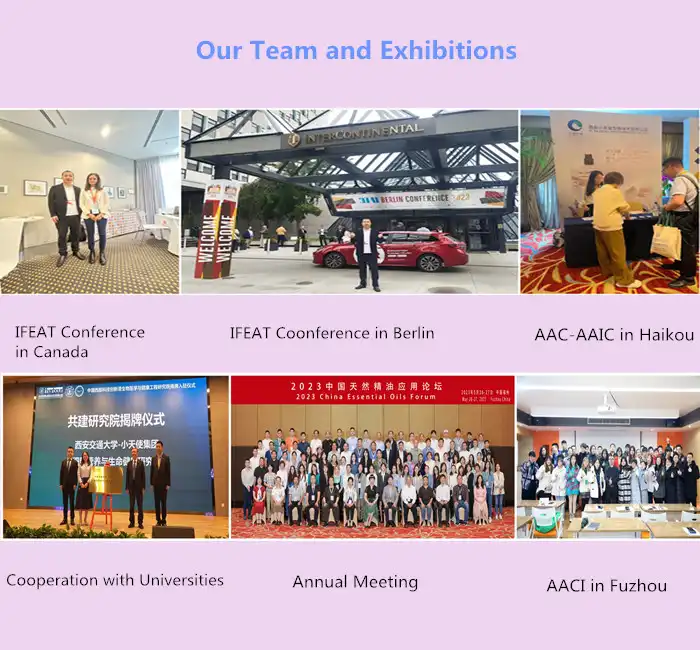
Angelbio was established with the involvement of Angel Holding Group and the Institute of Life and Health Research at Xi'an Jiaotong University. The company has more than 18 years of experience in natural ingredient research, development, and testing. Its ingredient portfolio serves applications in food, cosmetics, personal care, flavors and fragrances, and related industries.
For OEM or private-label projects, the process may include specification discussions, sample evaluation, packaging confirmation, pilot production, bulk manufacturing, final quality review, and shipment. Buyers should request a quotation that clearly states the minimum order quantity (MOQ), lead time, packaging options, specification, and available pricing levels. Clear communication at the beginning can make product development and repeat procurement more efficient.
Conclusion
Scientific research into Dendrobium officinale continues to explore the composition and properties of this traditional orchid stem. Dendrobium officinale extract powder is valued for its naturally occurring glucomannan-type polysaccharides, bibenzyls, flavonoids, and amino acids. Laboratory and preclinical research has investigated antioxidant-related properties and other biological activities, but the available evidence does not establish broad or guaranteed health benefits in humans. Product claims should reflect the strength of the evidence and comply with the requirements of the target market.
The extract may be evaluated for use in capsules, tablets, herbal beverages, functional foods, and personal care formulations. Its suitability depends on factors such as polysaccharide content, dispersibility, viscosity, moisture, pH compatibility, and finished-product stability. Botanical identification, controlled processing, contaminant testing, and batch-specific analysis are important parts of ingredient evaluation.
For B2B buyers, selecting the appropriate grade requires more than comparing prices. Review the product specification, batch COA, sample performance, traceability information, and available technical support before making a purchasing decision. A clearly defined specification and a reliable supplier can help improve formulation consistency and support long-term procurement.
FAQ
1. Is Dendrobium officinale extract powder the same as raw herb powder?
No. Raw herb powder is produced by drying and milling the stems, so it retains more of the original plant material and insoluble fiber. Dendrobium officinale extract powder undergoes extraction, concentration, and drying. Depending on the grade, it may offer a specified polysaccharide content and different dispersibility and powder properties.
2. Does the extract dissolve completely in cold water?
Not necessarily. Some water-based grades may disperse readily, while others form a suspension or increase the viscosity of the liquid. Actual performance depends on the polysaccharide profile, particle size, concentration, and mixing conditions. Buyers should request application data and test the sample in their intended formulation.
3. What polysaccharide range is available?
Some commercial grades may be offered within a 10%–50% polysaccharide range using the UV-Vis phenol-sulfuric acid method. Available specifications vary by supplier and product grade. Contact the supplier to confirm the current options, test method, and batch-specific results.
4. How do you prevent caking?
Caking can be managed by controlling moisture exposure and using suitable sealed packaging. Some grades may be supplied with moisture specifications below 5%, but the actual result should be confirmed through the batch COA. Store the powder in a tightly sealed container under the supplier's recommended conditions. Desiccants and moisture-barrier liners may also be considered according to the packaging design.
Source Dendrobium officinale Extract Powder With Angelbio
For supplement, beverage, and personal care brands developing products with Dendrobium officinale extract powder, selecting the right specification is an important first step. Angelbio has more than 18 years of experience in natural ingredient research, development, and testing. The team can discuss available polysaccharide grades, product specifications, sample evaluation, and packaging options according to your project requirements.
To request a sample or bulk quotation, email angel@angelbiology.com. Please include your intended application, target polysaccharide content, preferred packaging, estimated annual purchase volume, and destination market. Angelbio can then provide relevant product information, batch documentation, and sample options to help you evaluate the ingredient for your formulation.
References
1. Tang H, Zhao T, Sheng Y, Zheng T, Fu L, Zhang Y. "Dendrobium officinale Kimura et Migo: A Review on Its Ethnopharmacology, Phytochemistry, Pharmacology, and Industrialization." Evidence-Based Complementary and Alternative Medicine, 2017.
2. Xing X, Cui SW, Nie S, Phillips GO, Goff HD, Wang Q. "A Review of Isolation Process, Structural Characteristics, and Bioactivities of Water-Soluble Polysaccharides from Dendrobium Plants." Bioactive Carbohydrates and Dietary Fibre, 2013.
3. Teixeira da Silva JA, Ng TB. "The Medicinal and Pharmaceutical Importance of Dendrobium Species." Applied Microbiology and Biotechnology, 2017.
4. Ng TB, Liu J, Wong JH, et al. Review of research on Dendrobium and its traditional uses. Applied Microbiology and Biotechnology, 2012. Please verify the exact article title and publication details before publication.
5. Lam Y, Ng TB, Yao RM, et al. Review of chemical constituents and biological research on Dendrobium plants. Evidence-Based Complementary and Alternative Medicine, 2015. Please verify the exact article title and publication details before publication.
6. Pharmacopoeia Commission of the People's Republic of China. Pharmacopoeia of the People's Republic of China, 2020 Edition.