



What are the benefits of cistanche?
Cistanche is a desert botanical traditionally used in East Asian herbal practices. Its potential benefits have attracted research interest in antioxidant activity, physical vitality, cognitive function, metabolic health, and healthy aging. However, much of the available evidence comes from traditional use, laboratory studies, and animal research, and human evidence remains limited. Cistanche extract powder is a concentrated ingredient containing characteristic compounds, particularly echinacoside and acteoside. It can be incorporated into capsules, tablets, sachets, and beverage formulations. This guide explores its botanical background, key constituents, potential applications, processing considerations, and sourcing factors to help supplement manufacturers and ingredient buyers make informed decisions.
What Is Cistanche Extract Powder?
A Desert Botanical with Traditional Roots
Cistanche is a genus of parasitic plants that grow in dry, sandy environments. These plants obtain water and nutrients from the roots of host plants because they lack sufficient chlorophyll for independent photosynthesis. Two commonly studied species are Cistanche deserticola and Cistanche tubulosa, both found in arid regions of Asia, including northwestern China.
Their fleshy stems have a long history of use in traditional East Asian herbal practices. Cistanche is sometimes referred to as "desert ginseng" because of its traditional reputation and growing research interest. However, the chemical composition of the plant can vary depending on species, host plant, growing conditions, harvest time, and processing methods. Buyers should therefore verify the botanical identity and product specifications for every batch.


Extract Powder vs. Raw Powder and Tea
Cistanche raw powder is generally produced by drying and grinding the plant stems. It retains more of the original plant material, including dietary fiber, and its constituent levels may vary with the raw material and processing conditions. Traditional preparations and teas are made by extracting the plant in water, with the resulting composition depending on factors such as temperature, extraction time, and water volume.
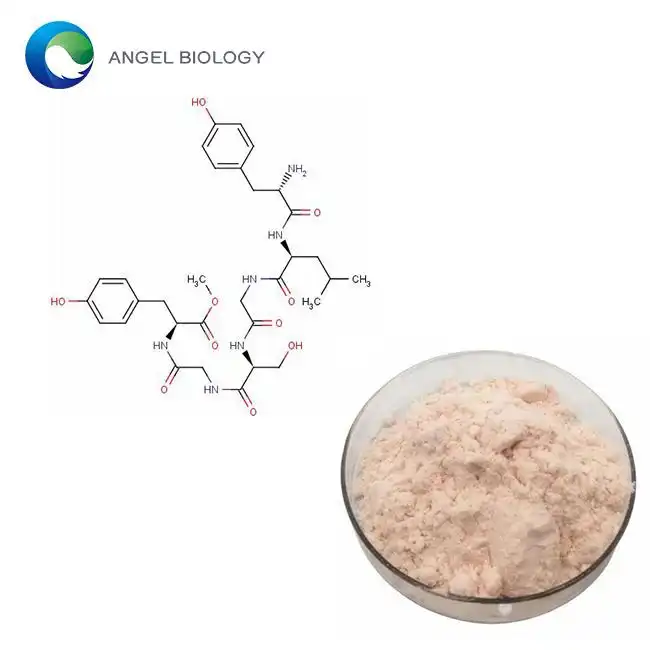
Cistanche extract powder is produced through a more controlled extraction process, commonly using water, ethanol, or a combination of both. The resulting liquid is concentrated and dried into powder. Depending on the extraction and purification methods, the finished ingredient can contain higher levels of selected marker compounds and less insoluble plant material than raw powder. Standardized specifications can also help buyers compare batches more consistently.
Raw powder and traditional preparations may suit products that emphasize whole-plant ingredients, while extract powder is often considered for capsules, tablets, sachets, and beverage mixes where defined constituent levels are important.
Key Constituents and Marker Compounds
Different Cistanche species contain several groups of naturally occurring compounds, including iridoids, lignans, oligosaccharides, polysaccharides, and phenylethanoid glycosides. Research on Cistanche chemistry, including studies published in the Journal of Chromatography A, has helped characterize these constituents.
Echinacoside and acteoside, also known as verbascoside, are two widely recognized phenylethanoid glycosides used as analytical markers. Their measured levels can help describe the composition and compare the specifications of different extracts. However, a higher marker concentration does not automatically establish a greater health benefit.
For procurement, buyers should request batch-specific analytical results, preferably including HPLC measurements for echinacoside and acteoside, as well as total phenylethanoid glycosides when included in the product specification. The analytical method and reporting basis should also be clearly stated.
What Are the Potential Benefits of Cistanche?
Antioxidant Activity and Healthy Aging
Antioxidant activity is one of the most frequently investigated properties of Cistanche. Phenylethanoid glycosides such as acteoside have demonstrated free-radical-scavenging activity in laboratory experiments. These findings have attracted research interest in the potential role of Cistanche constituents in oxidative-stress-related processes.
Some researchers are also investigating Cistanche in the context of healthy aging. Its naturally occurring compounds are being studied for their interactions with cellular pathways associated with oxidative balance. However, laboratory antioxidant results do not directly demonstrate that consuming Cistanche extract can slow aging or produce measurable improvements in human health.
For supplement manufacturers, antioxidant-related positioning should be supported by appropriate evidence for the specific ingredient and finished formulation. Claims should be carefully adapted to the regulatory requirements of the target market.
Vitality, Cognitive, and Metabolic Wellness
Cistanche has a long history of traditional use in formulations associated with vitality and general wellness. Modern studies have investigated compounds such as echinacoside and acteoside for their possible interactions with pathways related to memory, physical performance, and metabolic processes.
Researchers have also explored Cistanche polysaccharides and other carbohydrates in laboratory and animal models. These findings provide a basis for further investigation, but they do not establish that Cistanche extract powder improves memory, increases endurance, or regulates blood sugar and lipid levels in people.
Human studies remain limited, and results from one extract cannot automatically be applied to another. Brands developing products for cognitive wellness, active lifestyles, or general nutrition should avoid guaranteed outcomes and ensure that their product positioning is supported by relevant evidence and local regulations.
Tradition, Lab Data, and Human Evidence
Understanding the different levels of evidence is essential when evaluating Cistanche:
1. Traditional use: Provides historical context for how the plant has been used in herbal practices, but does not independently establish clinical effectiveness.
2. Laboratory research: Explores the chemical properties and possible biological activities of individual constituents or extracts.
3. Animal studies: Offer preliminary information about biological responses in experimental models, but findings may not translate directly to humans.
4. Human research: Provides more direct information about safety and potential effects in people. However, studies involving specific Cistanche preparations remain limited.
Claims relating to sexual wellness, reproductive health, energy, or cognitive performance should be treated particularly carefully. Traditional applications and preclinical findings are not sufficient to guarantee these effects in finished products. The available research, including reviews published in Frontiers in Pharmacology, provides useful background but also highlights the need for further human investigation.
The species, extraction method, marker profile, formulation, and study conditions all influence how research findings should be interpreted. Before making product claims, manufacturers should assess the evidence for the actual ingredient and confirm that the proposed wording complies with the requirements of the intended market.
How Does Cistanche Extract Powder Work?
Echinacoside, Acteoside, and Total Phenylethanoid Glycosides
These three measurements are commonly used to describe the chemical profile of Cistanche extract powder. Total phenylethanoid glycosides represent a broader group of related compounds, while echinacoside and acteoside are measured individually.
Researchers have investigated these constituents for their interactions with oxidative-stress-related pathways in experimental settings. However, their presence in an extract does not establish a specific physiological effect in humans.
Two powders with the same extraction ratio may have different marker levels because of differences in raw materials, solvents, extraction conditions, and purification methods. The extraction ratio alone therefore cannot fully describe an ingredient's composition. Buyers should compare the actual marker specifications, analytical methods, and batch-specific test results.
Standardization can help improve product consistency and make supplier comparisons more meaningful. Nevertheless, it should not be presented as proof of clinical effectiveness. Research findings are most relevant when the tested material has a composition and preparation method comparable to the ingredient being purchased.
From Raw Material to Finished Powder
Cistanche extract powder production generally begins with the selection and identification of suitable plant materials. Suppliers may assess botanical identity, raw material condition, moisture, and potential contaminants before extraction.
The plant material is then extracted using water, ethanol, or a suitable combination of solvents. Depending on the desired specification, the liquid may undergo filtration, concentration, and further purification. Some manufacturers use macroporous resin processing to enrich selected phenylethanoid glycosides. The concentrated extract is subsequently dried, commonly through spray-drying or vacuum-drying, and then milled and sieved as required.
Finished-product testing may include marker compounds, moisture, heavy metals, and microbiological parameters. The powder is then packaged according to the product specification and intended storage conditions.
Because processing conditions can affect the final composition, buyers should work with suppliers who can provide clear process information, batch identification, analytical records, and traceable documentation.
Extraction Ratio and Solvent Choices
What does a 10:1 extraction ratio mean? In general, it indicates that approximately 10 parts of starting botanical material were used to produce 1 part of extract, based on the supplier's stated calculation method. It does not mean that the finished powder contains ten times the active compounds or delivers ten times the effect.
The extraction solvent and processing conditions influence which constituents are recovered. Water extraction may be suitable for more water-soluble components, including certain polysaccharides, while ethanol or mixed-solvent extraction can produce a different constituent profile. Further purification may be used to adjust the levels of selected phenylethanoid glycosides.
Consequently, products sold as Cistanche extract powder can differ considerably between suppliers. Buyers should review the botanical species, extraction solvent, extraction ratio, marker content, and analytical method together. HPLC conditions and reporting standards should also be consistent when comparing analytical results.
Cistanche Extract Powder Uses in Supplements and Functional Products
Capsules, Tablets, Sachets, and Beverages
Cistanche extract powder can be considered for a range of supplement and functional-food formats. Capsules and tablets require attention to bulk density, particle size, moisture, flowability, and compatibility with other formulation ingredients to support consistent filling and compression.
For sachets and beverage mixes, dispersibility, taste, color, and storage stability are important formulation considerations. Cistanche extracts are commonly yellow-brown to brown and may have a characteristic earthy taste. These sensory properties should be evaluated during product development.
Water dispersibility can vary according to the extract composition and processing method. Manufacturers should test the ingredient in the intended beverage base to assess dissolution or dispersion, sedimentation, and stability under the product's expected temperature and pH conditions.
Some botanical powders may absorb moisture during storage. Suitable packaging, controlled storage conditions, and small-scale formulation trials can help manufacturers evaluate handling and product performance before moving to larger production volumes.
Blending with Maca, Ginseng, or Goji
Cistanche extract powder can be evaluated in multi-ingredient formulations with botanicals such as maca, ginseng, or goji. These combinations may be considered for general wellness, active-lifestyle, and botanical supplement concepts, depending on the intended product positioning and target market.
For a uniform blend, manufacturers should assess particle-size distribution, bulk density, flow properties, and mixing conditions. Differences between ingredients can contribute to segregation during blending, filling, or transportation. Stability testing should also consider the interaction of botanical ingredients, flavoring components, and other formulation materials.
Cistanche phenylethanoid glycosides have also attracted preliminary research interest in cosmetic ingredient development. However, their potential use in personal care formulations requires separate evaluation of ingredient suitability, formulation compatibility, and finished-product performance. Claims for each application should be assessed independently rather than transferred from supplement research.
Using Cistanche Extract Powder Responsibly
The appropriate use of Cistanche extract powder depends on the product format, extract concentration, marker profile, intended consumer group, and regulations in the destination market. Serving levels found online may not apply to every extract because concentrated ingredients can differ substantially from raw botanical powders.
Manufacturers should determine formulation levels through supplier specifications, available safety information, product-development testing, and qualified professional review. The finished product should be evaluated for ingredient compatibility, stability, and suitability for its intended users.
Product labels and promotional materials should accurately describe the ingredient and comply with applicable local requirements. For products sold in the United States, brands should review the relevant dietary supplement labeling and structure/function claim requirements before market launch.
How to Choose the Best Cistanche Extract Powder for B2B Procurement
Define Your Application and Verify Identity
Start by defining the intended application, dosage form, target market, and product specification. These factors help determine which Cistanche species and extract profile are most suitable.
Pay particular attention to the botanical identity. Cistanche deserticola and Cistanche tubulosa are distinct species and may differ in their chemical profiles and sourcing conditions. Buyers should confirm the scientific name, plant part, geographical origin, and raw material documentation.
If a product requires specific marker levels, communicate those requirements before requesting a quotation. Ask suppliers to provide the relevant analytical data, extraction information, and batch specifications so that the proposed ingredient can be evaluated against your formulation needs.
Documents and Certifications to Request
Before placing a bulk order, buyers should review the supplier's technical and quality documentation. Important items include:
1. Specification sheet and batch-specific COA: This should identify the botanical species, plant part, extraction ratio, echinacoside and acteoside content, total phenylethanoid glycosides where applicable, moisture, heavy metals, microbiological results, and analytical methods. Request a current COA for the relevant batch rather than relying only on an older sample report.
2. Third-party analysis and applicable certificates: Independent laboratory results can provide additional information for evaluating supplier data. Depending on the target market and project requirements, buyers may request relevant food-safety, organic, Halal, or Kosher documentation. Check the validity, scope, issuing organization, and product or facility coverage of each document.
3. Safety and origin records: Request allergen statements, safety data sheets where applicable, raw material origin information, batch traceability records, and available shelf-life or stability information. These documents help procurement and technical teams assess ingredient suitability and respond to customer or audit inquiries.
For U.S. dietary supplement projects, brands should also review the documentation needed for their own supplier qualification, product specifications, records, and applicable regulatory responsibilities.
Total Supply Value and Supplier Support
The lowest price per kilogram does not necessarily represent the best purchasing value. Buyers should also consider minimum order quantity (MOQ), lead time, packaging options, specification flexibility, documentation, and technical communication.
Angelbio operates within Angel Holding Group and works with the Institute of Life and Health Research at Xi'an Jiaotong University. The company focuses on ingredient development, production, and quality-control improvements. For Cistanche extract powder projects, buyers can discuss customized specifications, packaging requirements, OEM services, and private-label options according to project needs.
A supplier that provides clear specifications, timely documentation, responsive communication, and practical technical support can help purchasing and product-development teams evaluate ingredients more efficiently.
Conclusion
Cistanche is a desert botanical traditionally used in East Asian herbal practices and is sometimes called "desert ginseng." Its main research-related constituents include echinacoside, acteoside, and other phenylethanoid glycosides. Studies have explored their antioxidant properties and possible interactions with pathways related to vitality, cognitive function, metabolism, and healthy aging. However, much of the current evidence comes from laboratory and animal research, and human evidence remains limited.
Compared with raw Cistanche powder, extract powder offers manufacturers a more concentrated ingredient with specifications that can be defined around selected marker compounds. Its suitability for capsules, tablets, sachets, and beverages depends on the botanical species, extraction method, constituent profile, and formulation requirements.
For B2B buyers, the key evaluation factors include botanical identity, extraction ratio, marker content, batch-specific COAs, analytical methods, documentation, and supplier support. Reviewing these details helps manufacturers select an ingredient that fits their formulation and procurement requirements.
FAQ
1. What are the main benefits of Cistanche extract powder?
Cistanche has attracted research interest for its antioxidant properties and potential relevance to vitality, cognitive wellness, metabolic processes, and healthy aging. However, most findings come from traditional use, laboratory studies, and animal research. Human evidence remains limited, so specific health outcomes should not be guaranteed.
2. How does extract powder differ from raw Cistanche powder?
Extract powder is produced by extracting selected constituents from the plant material and concentrating the resulting liquid into a powder. It can be specified by marker-compound content, such as echinacoside and acteoside. Raw powder is made by drying and grinding the plant material and generally retains more of its original fiber and other plant components.
3. Why do dosage recommendations vary?
Serving levels depend on the extract ratio, marker-compound concentration, extraction method, finished-product format, and applicable market requirements. Recommendations for raw botanical powder should not automatically be applied to concentrated extracts. Manufacturers should establish formulation levels using product-specific information and qualified professional guidance.
4. What should I request from a supplier?
Request a product specification, a current batch-specific COA, analytical methods, botanical identity and origin information, relevant safety documentation, and applicable certificates. You can also ask about samples, MOQ, packaging, lead time, and customization options.
Request Cistanche Extract Powder Specifications and Samples from Angelbio
Are you sourcing Cistanche extract powder for a dietary supplement, functional beverage, or botanical ingredient project? Angelbio can discuss product specifications and supply options based on your application requirements.
Email angel@angelbiology.com with your preferred Cistanche species, target marker content, estimated order quantity, intended application, destination market, documentation requirements, and packaging preferences. Our team can help you review available specifications, sample options, quotations, lead times, and batch-specific COA.
References
1. Analysis of chemical constituents in Cistanche species. Journal of Chromatography A, 2009.
2. Cistanches Herba: An overview of its chemistry, pharmacology, and pharmacokinetic properties. Journal of Ethnopharmacology, 2018.
3. Herba Cistanche (Rou Cong-Rong): One of the best pharmaceutical gifts of traditional Chinese medicine. Frontiers in Pharmacology, 2016.
4. Cistanche deserticola Y. C. Ma, "Desert ginseng": A review. The American Journal of Chinese Medicine, 2012.
5. Pharmacopoeia of the People's Republic of China, 2020.