



Elderberry Extract Sourcing: How Country of Origin Affects Quality
The importance of growing location is a common question among procurement teams looking for reliable elderberry extract ingredients. The answer is yes, but origin is only one of several factors that influence quality. The anthocyanin profile, phytochemical composition, and processing conditions of black elderberry extract powder can vary with the growing region, cultivar, harvest maturity, and post-harvest handling of Sambucus nigra fruit. Soil conditions, climate, and agricultural practices may contribute to these differences, but they do not guarantee a higher bioactive content or better finished-product quality. Understanding these factors helps R&D directors and formulation managers make informed purchasing decisions and select ingredients that meet their product specifications.
Understanding Elderberry Extract: Quality Factors Defined
Before comparing elderberry extracts from different origins, buyers should understand the factors that determine extract quality. Appearance, color, and aroma can provide useful preliminary information, but they are not sufficient to verify identity, composition, or consistency.


What the Extract Actually Contains
Anthocyanins, including cyanidin-3-glucoside (C3G) and cyanidin-3-sambubioside, are important characteristic compounds in many black elderberry extracts. Their presence and relative concentrations can help describe an extract's composition, but they do not alone establish product safety or confirm botanical identity. A reliable assessment should combine suitable identity testing with quantitative analysis.
High-Performance Liquid Chromatography with Diode-Array Detection (HPLC-DAD) can be used to separate and quantify selected anthocyanins when an appropriate method and reference standards are available. UV-visible spectrophotometry can estimate total anthocyanin content under specified test conditions, but it may provide less compound-specific information. The best method depends on the testing objective, product specification, and validation of the analytical procedure.
How Extraction Method Shapes the Final Powder
Extraction and drying methods are important factors in the quality of elderberry extract. Water or water-ethanol systems may be used to recover selected plant compounds, while filtration and concentration steps can help refine the extract. Spray drying is one common method for converting a liquid concentrate into powder, although the final characteristics depend on the process conditions and any carrier ingredients used.
Anthocyanin retention, powder flowability, solubility, moisture content, and color can vary with the raw material and processing parameters. No single extraction or drying method guarantees a particular stability level or a fixed percentage of processing loss. Buyers should request relevant product specifications and, where available, analytical data comparing the extract before and after processing.
Why Origin Influences These Quality Markers
The anthocyanin content and broader phytochemical profile of elderberries may vary according to cultivar, soil, climate, sunlight exposure, harvest maturity, and post-harvest handling. Research has reported compositional differences among berries grown under different conditions, but results from a specific study should not be generalized to every harvest or supplier in a region.
Central European cultivation has an established history of elderberry production, yet geographical origin alone cannot establish that an extract will have a higher anthocyanin concentration or greater stability. For buyers, origin records are most useful when considered alongside cultivar information, harvest traceability, extraction parameters, and batch-specific analytical results.
Comparative Analysis of Elderberry Extract Quality from Leading Regions
Several regions contribute to the elderberry supply chain as demand for botanical ingredients continues. Each sourcing area may offer different advantages in availability, traceability, production scale, and cost. Actual quality should be evaluated at the supplier and batch level rather than inferred from geography alone.
Central Europe: Poland and Germany
Poland and Germany are established European sourcing areas for Sambucus nigra raw materials and related botanical ingredients. The Haschberg cultivar, widely associated with Central European elderberry cultivation, is one example of a selected cultivar used in commercial production. Its composition can vary with growing conditions, maturity, and processing, so it should not automatically be treated as a universal quality benchmark.
European suppliers may provide cultivation and traceability documentation, and products entering relevant markets must comply with applicable requirements. However, regulatory frameworks do not guarantee identical anthocyanin concentrations or batch consistency across all suppliers. Buyers should review origin documentation, the applicable pesticide-residue requirements, and current batch-specific test results before selecting a source for black elderberry extract powder.
North America: United States
Elderberry cultivated in the United States may appeal to brands that emphasize domestic sourcing or regional agricultural supply chains. Availability, cultivar selection, harvest volumes, and processing capacity can vary by supplier and season. Organic status should be verified through valid documentation when it is part of the purchasing specification; it should not be assumed for all domestically sourced materials.
For buyers working with large production volumes, minimum order quantities, lead times, and seasonal availability should be confirmed directly with the supplier. A domestic origin may support a particular brand story, but the final choice should also consider composition, analytical results, cost, and supply continuity.
Asia: China and Beyond
China has developed a broad botanical ingredient manufacturing sector, including facilities that produce standardized elderberry extracts. Production scale, drying technology, and integrated sourcing may offer commercial advantages, depending on the supplier and product specification. However, price and manufacturing capacity alone do not establish ingredient quality.
Buyers should evaluate the supplier's documented production controls, batch traceability, third-party testing where appropriate, and ability to meet agreed specifications. HPTLC or other suitable botanical identification methods may help assess authenticity, while chromatographic analysis can characterize selected compounds. Such testing should be selected according to the product and risk assessment rather than relying on a single test to rule out every possible adulterant.
The same principles apply across all sourcing regions: verify the identity, composition, and quality of the actual material being purchased instead of treating country of origin as a substitute for testing.
Procurement Considerations: How Origin Impacts Supply Chain and Cost
Choosing an origin involves more than comparing ingredient prices. Geographic sourcing may influence availability, transportation time, documentation, traceability, and exposure to seasonal supply changes. These factors should be assessed alongside product quality and intended application.
When selecting a supplier, B2B buyers should consider the following points:
Certifications and documentation: Request a current specification sheet, batch-specific COA, and relevant third-party laboratory reports. Where required, verify organic certification and applicable market-specific documentation. Additional certifications or testing programs may support supplier assessment, but their relevance depends on the product, target market, and buyer's requirements.
Adulteration risk and analytical verification: A UV-based total-content result and an HPLC chromatographic profile do not provide the same information. Consider appropriate botanical identity testing, selected anthocyanin assays, and additional checks based on the risk assessment. Reviewing batch-specific records is more useful than relying only on an initial sample report.
Minimum order quantities and lead times: Supply volumes and delivery schedules differ among suppliers and regions. International shipments may require additional time for production planning, customs clearance, and transportation. Confirm the actual lead time, MOQ, packaging options, and stock availability before placing an order, particularly when working with pilot batches or tight production schedules.
A consistent incoming-quality process can help buyers compare suppliers more objectively. Reviewing each batch against agreed acceptance criteria also helps identify unexpected variations before the material enters formulation or production.
How to Select the Right Supplier Based on Origin
Selecting a supplier is not simply a price negotiation; it is also a decision about quality expectations, supply reliability, and technical support. The most suitable origin is the one that meets the formulation requirements and applicable expectations of the target market.
Evaluate Documentation and Quality Controls First
Before requesting a sample of black elderberry extract powder, confirm that the supplier can provide current product specifications, batch-specific COAs, and relevant testing information for identity, anthocyanin content, heavy metals, and pesticide residues as applicable. Organic documentation should be requested when organic status is a requirement.
Angelbio highlights its botanical extract R&D experience and in-house quality-control capabilities. Buyers should confirm the specific documentation and testing records available for the product and grade they intend to purchase. Clear communication about test methods, acceptance limits, and traceability helps reduce uncertainty during supplier qualification.
Align Origin with Formulation Goals
The appropriate anthocyanin specification depends on the intended product, serving size, formulation design, and applicable market requirements. Some commercial elderberry extracts are offered with different total-anthocyanin specifications, but a range such as 5%–25% should not be assumed to be suitable for every product or interchangeable across analytical methods.
For a supplement, buyers should confirm the required assay, serving size, ingredient contribution, and relevant formulation constraints with their R&D and regulatory teams. For beverage applications, additional considerations may include dispersibility, color behavior at the intended pH, moisture content, and compatibility with other ingredients. These properties should be evaluated using the actual grade and, where necessary, the finished formulation.
A well-characterized powder from any suitable region may meet the requirements when its specifications and performance are supported by relevant evidence. The priority is to match the material to the application rather than choosing solely on origin.
Start With Samples and Scale Strategically
Before entering a long-term supply agreement, evaluate representative samples and request batch-specific analytical reports. Where practical, comparing at least two production batches can provide an initial indication of variation, although a broader batch history may be needed to assess long-term consistency.
In high-speed encapsulation or blending operations, flowability, bulk density, moisture content, and particle-size distribution may affect handling performance. These characteristics should be checked against the needs of the manufacturing process. Discussing sample evaluation, scale-up requirements, and acceptance criteria with the supplier can help identify potential issues before a larger purchase.
Future Trends in Elderberry Extract Sourcing: Sustainability and Innovation
The elderberry ingredient market continues to evolve. Buyers increasingly consider not only composition and price but also traceability, supply continuity, and sustainability information when evaluating potential suppliers.
New Cultivation Regions Are Emerging
Cultivation and sourcing networks for Sambucus nigra and related elderberry materials may expand across different regions as agricultural practices and commercial demand develop. New sourcing areas can offer additional supply options, but suitability depends on cultivar, growing conditions, harvest management, and processing capacity.
Buyers considering a new origin should request information about botanical identity, cultivation or collection records, seasonal availability, and representative analytical results. Early supplier qualification can help manufacturers evaluate alternative sources, but purchasing decisions should be based on documented quality and total sourcing costs rather than an assumption that emerging regions will always offer lower prices.
Technology Is Supporting Quality Management
Technologies such as membrane filtration, controlled drying, and microencapsulation may be used in botanical ingredient processing or formulation, depending on the desired product characteristics. Their effects on anthocyanin retention, dispersibility, color stability, and shelf life depend on the material and process conditions.
For example, microencapsulation may help protect selected sensitive compounds in certain formulations, but its effectiveness should be demonstrated for the specific ingredient system. Interactions with vitamin C and other formulation components should also be evaluated under relevant storage conditions rather than assumed to follow a universal degradation pathway. Buyers should request suitable stability data when these properties are important to product performance.
Sustainability Demands Are Reshaping Supplier Selection
Consumers and brand owners increasingly value information about ingredient sourcing and supply-chain transparency. Depending on the market and purchasing policy, relevant considerations may include traceability, responsible agricultural practices, solvent management, energy use, and waste reduction during processing.
Suppliers that can provide clear, relevant sourcing records and explain their environmental practices may help buyers meet internal procurement goals. Any sustainability or certification claim should be supported by appropriate documentation rather than inferred from the country of origin alone.
Conclusion
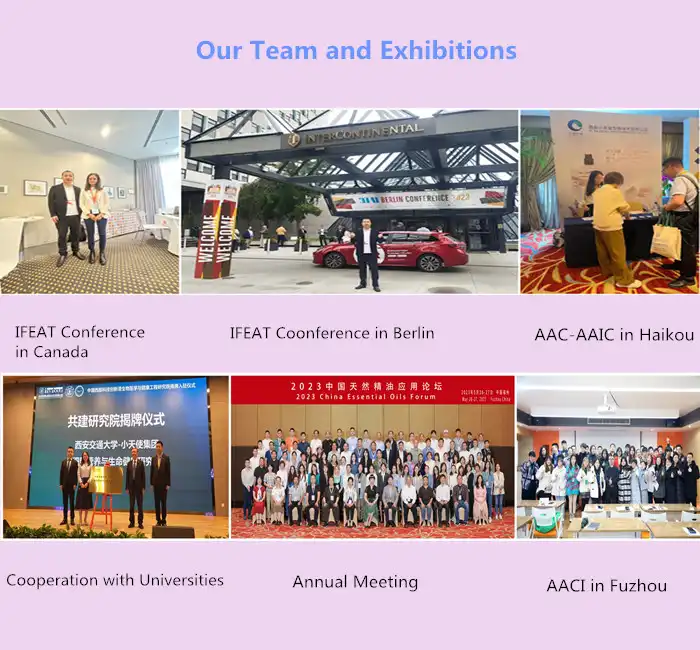
Angelbio offers black elderberry extract powder for B2B buyers evaluating botanical ingredients for functional foods, supplements, and selected cosmetic applications. The company's botanical extract experience and collaboration with the Institute of Life and Health Research at Xi'an Jiaotong University are points buyers can explore further when assessing its technical capabilities.
Country of origin can help explain differences in raw material sourcing, but it does not independently prove purity, safety, anthocyanin concentration, or finished-product performance. Buyers should confirm the product's identity, agreed specifications, batch-specific analytical results, traceability, and suitability for the intended application. Reviewing these factors together helps manufacturers make more informed sourcing decisions and reduce avoidable quality risks.

FAQ
1. Does country of origin directly affect anthocyanin dosage in the final product?
Growing location may influence the anthocyanin profile of elderberries, but the effect depends on cultivar, harvest conditions, maturity, and processing. A European Haschberg material should not automatically be assumed to contain more cyanidin-3-glucoside than every other source. For a standardized extract, buyers should review the declared assay, test method, and batch-specific COA to understand the actual anthocyanin content.
2. What documentation should I request for bulk elderberry extract purchases?
Start with the product specification sheet and a recent batch-specific COA. Depending on the product and target market, relevant documentation may include botanical identity testing, anthocyanin assay results, heavy-metal testing, pesticide-residue reports, and applicable certification records. There is no single universal limit that applies to every product and market, so acceptance criteria should be checked against the relevant regulations and the buyer's requirements. Organic certification should be verified when the product is marketed or purchased as organic.
3. Is there a safety concern with sambunigrin in processed elderberry powder?
Sambunigrin is a cyanogenic glycoside that may be present in some elderberry materials, particularly unripe fruit and other plant parts. Its presence and levels depend on the raw material and processing. Buyers should not assume that a particular heat-treatment step guarantees complete removal or degradation. Where relevant to the raw material and intended use, request appropriate analytical results or documented processing information and confirm that the finished ingredient meets applicable requirements.
4. How do I verify that a powder is genuine Sambucus nigra and not an adulterant?
Ask for suitable botanical identity testing, which may include HPTLC fingerprinting, microscopy where applicable, or other validated analytical approaches. HPLC analysis of selected anthocyanins can provide complementary compositional information, but no single test should be assumed to exclude every possible adulterant. The appropriate testing plan depends on the product form, potential adulterants, and the supplier's available evidence.
Partner With Angelbio for Verified Elderberry Extract Supply
Elderberry raw materials can vary by cultivar, growing location, harvest conditions, and processing method. For black elderberry extract powder, a clear specification and suitable batch testing provide a more reliable basis for evaluating consistency than origin claims alone.
Angelbio supports B2B buyers seeking elderberry extract for ingredient sourcing and formulation development. Contact our team to discuss your target anthocyanin specification, application, packaging preferences, documentation needs, and order volume. You can also request a sample to assess the material against your internal requirements.
Email: angel@angelbiology.com
References
1. Mikulic-Petkovsek, M. et al. — Journal of Agricultural and Food Chemistry, 2012.
2. Mohammadsadeghi, S. et al. — Food Chemistry, 2013.
3. Hawkins, J. et al. — Complementary Medicine Research, 2019.
4. Tiralongo, E. et al. — Nutrients, 2016.
5. Elderberry Supplement Market Report — Grand View Research, 2023.
6. European Food Safety Authority (EFSA) — EFSA Journal, 2021.