



Plant-Derived vs Synthetic Ceramides: Efficacy, Cost and Formulation Fit
When sourcing ceramide powder for skincare formulations, procurement teams often ask whether plant-derived or synthetic ceramide powder is the better choice. Both can be used in products designed to support skin hydration and barrier function, but they differ in origin, composition, production methods, cost structure, and formulation requirements. Neither source is universally superior. For R&D directors, formulation managers, and procurement teams, understanding these differences helps support evidence-based purchasing decisions, improve formulation compatibility, and align ingredient selection with product positioning.
Understanding Ceramide Powder: Plant-Derived vs Synthetic
Ceramides are lipids that contribute to the structure of the skin's outer barrier and help limit moisture loss. Commercial ceramide ingredients vary in composition, concentration, and physical form. Powder products may contain different levels of active ceramides depending on the ingredient grade, carrier system, and manufacturing process. Buyers should review the actual specification rather than assume that all ceramide powders contain 95%–99% active material. The choice between plant-derived and synthetic ceramides should reflect the intended application, product requirements, and target market.
What Are Plant-Derived Ceramides?
Plant-derived ceramides, often called phytoceramides, are obtained from botanical sources such as rice, wheat, and konjac. Their composition depends on the plant species, extraction process, and subsequent purification. Some ingredients are supplied as powders or standardized extracts for use in skincare products and oral beauty supplements.
These ingredients may appeal to brands seeking plant-origin or vegan-positioned formulations, provided that the specific ingredient and supply chain support those claims. However, botanical origin alone does not guarantee greater efficacy, higher purity, or a particular environmental benefit. Buyers should verify the botanical source, composition, carrier ingredients, and relevant documentation before selecting a phytoceramide ingredient.
What Are Synthetic Ceramides?
Synthetic ceramides are produced through chemical synthesis to obtain specified ceramide structures. Depending on the ingredient, these may include structures corresponding to ceramide NP, AP, or EOP. A defined molecular structure can help formulators control the composition of a formula, while analytical methods such as HPLC may be used to assess specified components when the method is suitable.
Purity levels vary by product and should be confirmed through the supplier's specification and analytical documentation. Synthetic ceramides may be suitable for targeted cosmetic formulations where a particular ceramide structure is required, but their suitability depends on the ingredient grade, formulation design, and applicable requirements. The production method alone does not establish that an ingredient is more effective or safer than a plant-derived alternative.
Why the Powder Form Matters for Both
Powder ingredients can offer convenient storage, transport, and dosing for certain applications. Their handling characteristics and shelf life, however, depend on composition, packaging, moisture sensitivity, and storage conditions. Powder form does not automatically provide a longer shelf life than every liquid or pre-dispersed ingredient.
In anhydrous systems, powders may be incorporated according to the ingredient's compatibility and dispersion requirements. For water-based skincare products, ceramides may need appropriate heating, emulsification, or dispersion techniques because of their limited water solubility. Both powder and pre-dispersed forms can be useful, depending on production equipment, formulation complexity, and manufacturing objectives.
Efficacy Comparison: How Plant-Derived and Synthetic Ceramides Perform in Skincare
Ceramides are important components of the skin's outer lipid barrier. Topical formulations containing suitable ceramides may help support skin hydration and barrier function, but the results depend on the ceramide composition, concentration, delivery system, and overall formulation. Evidence for one specific product cannot automatically be applied to every plant-derived or synthetic ceramide ingredient.
Barrier Support and Hydration Performance
Plant-derived ceramide ingredients may contain a mixture of related lipid compounds, depending on the botanical source and extraction process. Synthetic ceramides can provide more defined molecular structures when the ingredient is manufactured and tested to the required specification. These differences may influence how an ingredient is incorporated into a formula, but they do not establish that one source consistently delivers better skincare results.
Ceramides are often formulated alongside cholesterol and fatty acids to help create lipid systems that resemble aspects of the skin's outer barrier. The performance of these systems depends on the relative proportions of the components, their organization within the formulation, and the finished product's characteristics. Formulators should assess hydration, skin feel, and relevant barrier-related outcomes using tests appropriate to the intended product rather than relying solely on the source of the ceramide.
Suitability Across Skin Types
Both plant-derived and synthetic ceramides may be considered for products intended for different skin types. Tolerability depends on the specific ingredient, its purity, the other formulation components, and the finished product. Neither source automatically guarantees that a product will be suitable for sensitive skin or qualify as hypoallergenic.
Some botanical ingredients may contain residual proteins or other source-related components, depending on the extraction and purification process. Wheat-derived ingredients should therefore be evaluated using their actual composition and relevant allergen information rather than assuming that every wheat-derived ceramide presents the same risk to people with gluten sensitivity. Similarly, synthetic origin alone does not prove the absence of every potential irritant or contaminant. Product-specific safety assessment and appropriate testing are important when developing skincare lines for sensitive-skin positioning.
Real-World Formulation Outcomes
In practical formulation work, synthetic ceramide powder may be useful when a defined ceramide structure is required. Plant-derived ceramide ingredients may be suitable when their composition, carrier system, and intended use fit the formulation. Neither type is guaranteed to perform better in multi-lamellar emulsion systems; compatibility depends on the ingredient's physical properties, concentration, processing conditions, and the other lipids in the formula.
Phytoceramides are also used in some oral beauty supplement formulations. However, evidence from a particular ingredient or study does not automatically demonstrate that every phytoceramide powder is absorbed in the same way or reaches specific skin layers at a meaningful level. Buyers should assess the evidence for the exact ingredient, dosage form, and intended product claims before using research findings in commercial marketing.
Cost Analysis: Evaluating Price vs Value for Bulk Procurement
The cost of ceramide powder involves more than the price per kilogram. For procurement teams managing commercial production, the total formulation cost also depends on the ingredient concentration, dispersion requirements, processing needs, packaging, quality specifications, and supply reliability.
The following are key cost factors to compare:
Plant-derived ceramide powder: Pricing depends on the botanical source, extraction yield, standardization level, carrier ingredients, documentation requirements, and order volume. Agricultural supply and seasonal variation may also affect availability and lead times. Any quoted price range should be confirmed with a current supplier quotation.
Synthetic ceramide powder: Pricing varies according to the specified molecular structure, purity, production route, batch size, and analytical requirements. A defined structure may be advantageous for some formulations, but synthetic products are not always more expensive or more price-stable than plant-derived ingredients.
Active concentration and use level: A higher assay result does not automatically mean that a lower inclusion rate will deliver better performance. The appropriate concentration depends on the ingredient's composition, the finished formulation, and the intended product characteristics. Compare cost at the planned use level rather than relying on the price per kilogram alone.
Minimum order quantities (MOQs) and lead times: MOQs and delivery schedules vary by supplier, ingredient grade, and stock availability. Request a quotation that specifies sample quantities, commercial order volumes, packaging, production lead time, and shipping arrangements.
A meaningful cost comparison should consider the ingredient specification, expected use level, formulation performance, quality documentation, and supply continuity. These factors provide a more realistic basis for evaluating total cost and commercial value.
Formulation Fit: Matching Ceramide Powder to Product Types and Manufacturing Needs
Selecting the right ceramide ingredient requires an understanding of its physical properties and behavior in the intended formulation. Solubility, dispersion, processing temperature, compatibility with other lipids, and storage stability can all affect the finished product.
Solubility and Stability Considerations
Both plant-derived and synthetic ceramides are generally lipophilic, meaning they have limited solubility in water. Depending on the ingredient grade, formulators may need to use an appropriate oil phase, emulsification system, or dispersion technique. The required processing conditions should be confirmed using the supplier's technical documentation and formulation trials.
Melting behavior varies by ceramide structure and product composition. A single temperature range should not be assumed to apply to all ceramide NP powders or all synthetic ceramide products. Similarly, plant-derived ingredients do not necessarily have higher melting points simply because of their botanical origin.
Before scale-up, evaluate dispersion, compatibility, processing temperature, appearance, and stability in the intended formula. Bench testing and finished-product stability studies can help identify potential issues before commercial production.
Regulatory Compliance and Labeling
Ingredient naming and labeling requirements vary by market and product category. For cosmetic products, the appropriate INCI name should be confirmed for the specific ingredient, and claims such as "plant-derived," "natural origin," or "vegan" should be supported by the ingredient's composition and sourcing documentation.
Synthetic origin does not automatically make a ceramide suitable for pharmaceutical use, and plant-derived origin does not automatically qualify an ingredient for a particular clean-label claim. References to pharmacopoeial standards or other quality frameworks should be made only when the relevant standard applies to the specific material. Buyers should confirm the applicable requirements for their product category and target market before finalizing labeling and marketing claims.
Synergistic Combinations
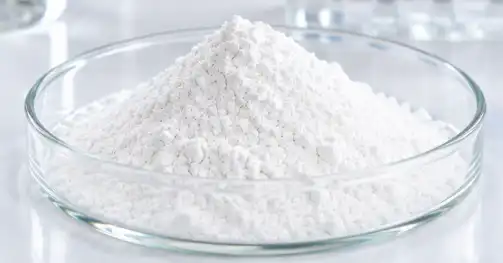
Ceramides may be formulated with ingredients such as hyaluronic acid, niacinamide, cholesterol, and fatty acids. Hyaluronic acid is commonly used as a humectant, while cholesterol and fatty acids may contribute to the lipid composition of barrier-support formulations. Niacinamide has its own formulation properties and potential skincare benefits, but the combined performance of these ingredients depends on their concentrations, compatibility, and the finished formula.
Both plant-derived and synthetic ceramide powder may be considered for these combinations when their specifications and physical properties are suitable. Formulation trials should assess dispersion, stability, texture, and the intended product performance. Any claims about a combined or synergistic effect should be supported by evidence relevant to the finished formulation.
Making the Right Procurement Decision: Key Factors for B2B Buyers
When evaluating ceramide powder, buyers should compare more than botanical origin or production method. The most appropriate ingredient is the one that meets the product specification, formulation needs, documentation requirements, and commercial objectives.
Supplier Documentation and Testing Protocols
Request a current specification sheet and batch-specific certificate of analysis (CoA). Depending on the ingredient and its intended use, relevant information may include identity confirmation, assay results, heavy-metal testing, residual-solvent data, and other impurity controls. Confirm which analytical methods are used and what each reported result measures.
Ask suppliers for relevant quality-system documentation and any applicable third-party test reports. Certification requirements should be assessed according to the ingredient, production process, and target market. Clear specifications, traceable batch records, and consistent communication are useful indicators when comparing potential suppliers.
Product Positioning and Consumer Preferences
Plant-derived ceramides may suit brands that prioritize botanical sourcing, vegan positioning, or plant-origin ingredients, provided that the relevant claims are supported by documentation. Synthetic ceramides may suit formulations that require a defined ceramide structure or a specific compositional profile.
Neither source automatically guarantees a better consumer response or greater product performance. Buyers should align ingredient selection with the target audience, formulation design, cost objectives, and substantiated marketing claims. For products positioned around sensitive skin or oral beauty supplementation, the evidence and safety assessment should be relevant to the exact ingredient and finished product.
ROI and Scalability
The commercial value of a ceramide ingredient depends on its price, required use level, processing needs, supply continuity, and suitability for the finished product. Plant-derived ingredients may support a botanical positioning strategy, while synthetic ingredients may offer a defined molecular composition for certain formulation needs. Neither option is universally more cost-effective or easier to scale.
For long-term procurement, compare representative samples, specifications, batch consistency, delivery schedules, and technical support. Choosing an ingredient that fits the product and manufacturing process can help reduce reformulation risk and improve purchasing efficiency.
Conclusion
Choosing between plant-derived and synthetic ceramide powder involves more than comparing ingredient origin. Both types may be suitable for skincare formulations, but their composition, purity, physical properties, and supporting evidence vary by product. Plant-derived ingredients may support botanical positioning, while synthetic ceramides may be useful when a specific molecular structure is required. Neither source should be assumed to deliver superior efficacy, safety, or stability without product-specific evidence.
For procurement teams, the most practical approach is to compare ingredient specifications, analytical documentation, formulation compatibility, supply reliability, and total cost. Matching these factors to the product's goals helps manufacturers make informed sourcing decisions and develop formulations with realistic, supportable performance expectations.

FAQ
1. Is ceramide powder better than ceramide in cream form for formulation?
Ceramide powder may offer flexibility in weighing and formulation, depending on its concentration and composition. Pre-dispersed or cream-based forms may be more convenient when the ceramide has already been incorporated into a compatible carrier system. Neither form is universally superior in shelf life or formulation performance. The best option depends on the ingredient specification, manufacturing process, packaging, and finished-product requirements.
2. Are Plant-derived Ceramides As Effective As Synthetic Ceramides?
Both types can be considered for formulations designed to support skin hydration and barrier function. Plant-derived ingredients may contain a mixture of related lipids, while synthetic products may provide a more defined structure. However, effectiveness cannot be determined from origin alone. The formulation, ingredient concentration, delivery system, and evidence for the specific product all influence performance.
3. How do I verify a supplier's quality and documentation?
Request a batch-specific CoA showing the relevant identity and assay results, along with residual-solvent and heavy-metal data where applicable. Review the analytical methods, specification limits, and available traceability records. If third-party testing or certification is important for your application, verify that the documentation is current and applies to the specific ingredient being purchased.
4. Can ceramide powder be used in oral supplements?
Certain plant-derived ceramide ingredients, including some phytoceramide preparations, are used in oral beauty supplements. However, suitability depends on the exact ingredient, its composition, quality documentation, and the requirements of the target market. Evidence for one preparation should not automatically be generalized to all ceramide powders, and claims about absorption or skin-related outcomes should be supported by relevant evidence for the intended product.
Source Ceramide Powder from Angelbio — Request Your Sample Today
Angelbio supplies ceramide powder for B2B buyers evaluating ingredients for cosmetic and other suitable formulation applications. With more than 18 years of botanical ingredient R&D experience, Angelbio can discuss product specifications and sourcing needs with manufacturers seeking to assess ingredient suitability.
When comparing ceramide options, buyers should confirm the botanical or synthetic source, specified composition, assay method, packaging, and available batch documentation. Contact our team to discuss your target application, request available technical information, or explore sample and bulk purchasing options.
Email: angel@angelbiology.com

References
1. Elias, P.M. & Feingold, K.R. — Journal of Investigative Dermatology, 2001.
2. Coderch, L. et al. — American Journal of Clinical Dermatology, 2003.
3. Draelos, Z.D. — Journal of Cosmetic Dermatology, 2008.
4. Uchida, Y. & Holleran, W.M. — Journal of Dermatological Science, 2008.
5. Tsuji, K. et al. — International Journal of Molecular Sciences, 2019.
6. Rawlings, A.V. & Canestrari, D.A. — International Journal of Cosmetic Science, 2004.