



Equisetum Arvense (Horsetail) Extract in Skincare Explained
Equisetum arvense extract, commonly known as horsetail extract, is a botanical ingredient derived from field horsetail. It contains naturally occurring constituents such as silica-related compounds, flavonoids, and phenolic compounds. In skincare formulations, it is used in products such as creams, serums, toners, lotions, and scalp-care products. Its suitability depends on botanical identity, extraction method, ingredient composition, and formulation compatibility. This guide helps skincare formulators, procurement teams, and distributors understand its characteristics, evaluate suitable formats, and select a reliable ingredient supplier.
What Is Equisetum Arvense Extract and What Does It Contain?
Botanical Identity and Naming
Equisetum arvense L., commonly called field horsetail, is a perennial plant belonging to the Equisetaceae family. The aerial parts of the plant are commonly used as the botanical raw material for extract production. Depending on the intended application, extraction may involve water, ethanol, glycerin, or a combination of suitable solvents.
The term "horsetail extract" can refer to extracts from different Equisetum species, plant parts, and extraction processes. Buyers should therefore confirm four essential details: the Latin botanical name, the INCI name (Equisetum Arvense Extract), the plant part used, and the extraction method. Botanical identity testing, such as HPTLC fingerprinting, can help verify the identity of the raw material and support batch consistency. These details should be consistent across the product specification, COA, and relevant technical documents.


Active Compounds in the Extract
The composition of Equisetum arvense extract can vary according to the plant's growing conditions, harvest period, plant part, drying process, and extraction solvent. Reported constituents include flavonoids such as isoquercitrin, phenolic acids, tannins, and silica-related compounds. Their relative levels may differ between extracts, so the composition of one grade should not be assumed to represent every horsetail extract.
For ingredient evaluation, buyers should review the complete specification and the analytical methods used to determine its key constituents. A marker compound can help establish a consistent quality target, but a higher marker value does not automatically indicate better performance in a finished skincare product. Standardization should be considered alongside botanical identity, appearance, solubility or dispersibility, and formulation compatibility.
Available Formats and Angelbio Specifications
Horsetail ingredients may be supplied as powders, liquid extracts, glycerin-based extracts, or hydroalcoholic preparations. Each format has different handling and formulation characteristics. Powder extracts are convenient for storage, transportation, and incorporation into suitable cosmetic bases, while liquid formats may be easier to incorporate into certain water-based systems.
Angelbio offers Equisetum arvense extract powder. The material's appearance, particle size, moisture content, bulk density, and marker-compound specifications should be confirmed against the current product specification and batch COA. Where available, a product may be described by a target silica-related content or flavonoid assay, but these are separate analytical parameters and should not be presented as interchangeable. For example, isoquercitrin measurement does not establish silica content.
Particle-size information, such as an 80-mesh specification, should also identify the actual passing rate and test method. Extraction solvent information should be confirmed through the supplier's technical documents. Buyers are encouraged to request the latest specification and a representative sample before selecting a grade for commercial formulation.
Equisetum Arvense Extract in Skincare and Haircare Formulas
Potential Skincare Benefits
Equisetum arvense extract is used in cosmetic formulations as a botanical ingredient for skin-conditioning and product-positioning purposes. Its naturally occurring flavonoids and phenolic compounds have been investigated for antioxidant-related properties, but laboratory findings should not be interpreted as proof of visible benefits in finished skincare products.
Formulators may evaluate the ingredient in products designed to help maintain a refreshed skin appearance and support a well-conditioned feel. Any specific claim, such as improving the appearance of dry or tired-looking skin, should be assessed in the finished formula and supported by appropriate evidence.
Horsetail is also associated with silica-related compounds. However, the presence of these compounds in a botanical extract does not establish that the ingredient provides the same effects as purified silica or orally consumed silicon compounds. A 2005 study published in Archives of Dermatological Research examined oral choline-stabilized orthosilicic acid. Its findings should not be used as direct evidence for the topical performance of horsetail extract. Cosmetic claims should remain relevant to the actual ingredient, application method, and available product testing.
Product Categories and Haircare Uses
Horsetail extract can be evaluated in a range of personal-care products, including facial masks, toners, essences, serums, creams, lotions, and body-care formulations. It may also be considered for shampoos, conditioners, scalp serums, and hair masks.
For scalp-care products, suitable cosmetic positioning may include helping condition the scalp and supporting a clean, refreshed feel. Claims about hair growth, hair-loss treatment, or other biological outcomes should not be made without appropriate evidence and regulatory review.
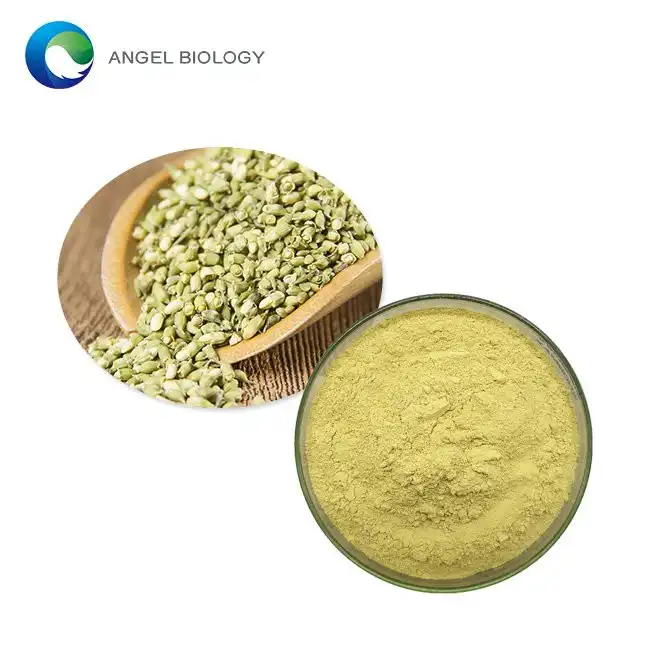
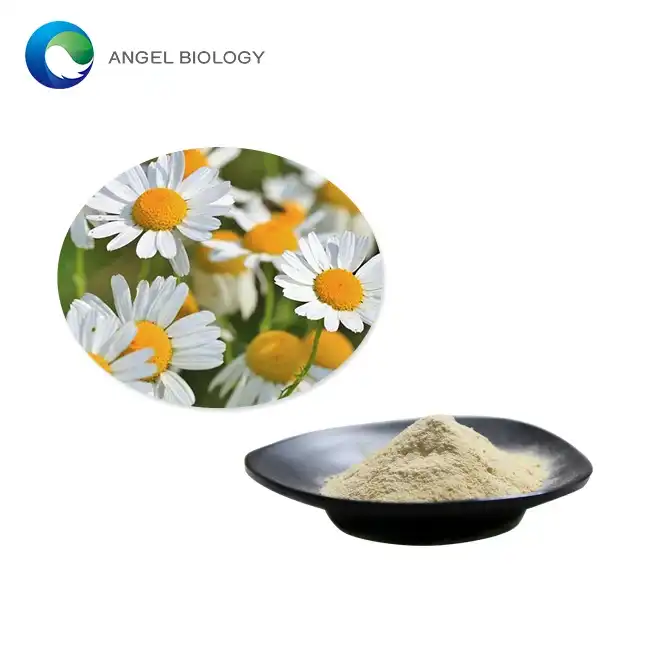
Angelbio's powder format may be suitable for initial formulation trials in compatible creams, lotions, and other cosmetic bases. Its natural color, which may range from light olive to brownish-yellow depending on the grade, should be considered when developing transparent or light-colored products. A sample evaluation can help determine whether the ingredient's appearance and dispersion characteristics meet the requirements of the finished formula.
Formulation Tips for Powder and Liquid Formats
Different extract formats require different handling and formulation approaches. Powder is generally convenient for storage, transportation, and weighing, but it may require pre-dispersion or controlled addition to achieve uniform distribution. Liquid and glycerin-based extracts may be easier to incorporate into certain water-based formulations, depending on their solvent composition and compatibility.
Before scaling up, review the extract's appearance, odor, pH where applicable, solubility or dispersibility, and compatibility with the selected solvent system. Add the ingredient under controlled mixing conditions and observe changes in texture, color, and uniformity. Packaging compatibility and stability should also be evaluated under conditions relevant to the finished product.
The appropriate addition level depends on the extract grade, formulation type, and intended product claims. There is no single use level suitable for every application. Formulators should follow the supplier's recommended use guidance where available, conduct compatibility and stability testing, and complete the necessary safety assessment before finalizing the formula.
Quality, Safety, and Regulatory Checks
Safety Assessment of the Finished Formula
The safety of a finished cosmetic product cannot be determined from the botanical ingredient alone. Its suitability depends on the extract's composition, concentration, impurities, other formula ingredients, intended application area, and expected consumer exposure.
When evaluating a supplier, request the SDS, product specification, batch COA, and relevant contaminant and microbiological test results. Additional information may be needed depending on the product type and destination market. The finished formula should undergo an appropriate safety assessment by qualified personnel, with attention to ingredient compatibility, exposure conditions, packaging, and foreseeable use.
Microbiological quality should be considered as part of the overall product-development plan. The preservation system and finished-product testing should be selected according to the formula's composition, packaging, and intended use. Ingredient-level test results do not replace the safety and stability assessment of the finished cosmetic product.
Regulatory Requirements by Market
Cosmetic requirements differ between markets. In the European Union, Regulation (EC) No 1223/2009 establishes requirements for cosmetic products, including ingredient labeling, product information documentation, and safety assessment. In the United States, the Modernization of Cosmetics Regulation Act of 2022 introduced additional requirements relating to cosmetic product safety, facility registration, and product listing, subject to applicable exemptions and implementation requirements.
The ingredient's INCI name, supporting documentation, labeling, and product claims should be reviewed for the intended market. Cosmetic claims should describe the product's intended cosmetic function and should not imply disease treatment or medical effects. Buyers should confirm the relevant requirements before finalizing labels, marketing materials, or product launches.
Angelbio works with customers serving different markets. Early communication about the destination country, product category, and documentation requirements can help buyers identify the information needed for supplier evaluation and product development.
Quality Testing That Angelbio Applies
Horsetail is a botanical raw material, so its identity and composition should be assessed using suitable methods. The possibility of environmental mineral accumulation also makes contaminant testing an important part of ingredient evaluation.
When reviewing Equisetum arvense extract, buyers should request botanical identity information, relevant chromatographic fingerprints, heavy-metal results, and other applicable contaminant data. ICP-MS may be used for elemental analysis, while a suitable validated method should be selected for marker compounds or silica-related measurements. The analytical method and reporting basis should be stated clearly.
Specific limits for lead, cadmium, or other contaminants should be checked against the current product specification and the requirements of the destination market. Do not assume that a single numerical limit automatically demonstrates compliance with every market or standard. Batch-specific COA information should identify the test results and, where relevant, the methods used. Consistent documentation and traceability make it easier for purchasing and quality teams to review batches over time.
How to Compare Options and Choose a Supplier
Comparing Extract Options Beyond Price
Choosing a horsetail extract involves more than comparing the marker-compound percentage or price per kilogram. Buyers should consider the plant species, plant part, botanical origin, extraction solvent, extract ratio, dry matter, and intended application. These factors can influence the extract's composition, appearance, handling properties, and compatibility with a finished formula.
Powder and liquid formats also differ in storage, transportation, and formulation requirements. A powder may be easier to handle during weighing and shipping, while a liquid extract may offer practical advantages in selected formulation systems. Neither format is automatically better for every project.
"Natural" should not be treated as equivalent to "certified organic." If organic status is important to a purchasing project, request the relevant certificate and confirm that it covers the specific product, facility, and supply chain. Buyers should also review whether the extract is standardized and whether the supplier can maintain the agreed specification across batches. These considerations help identify a suitable Equisetum arvense extract for long-term commercial use.
Supplier Checklist
These are the main areas to review when qualifying a supplier.
1. Documents and identity: Request an up-to-date COA, product specification, SDS, relevant certificates, contaminant test results, and available manufacturing or traceability records. Confirm that the Latin botanical name and INCI name are consistent across the documents. Review the analytical methods and understand how each reported value was determined. Consistent documentation is an important starting point for supplier evaluation.
2. Origin and process: Review the plant origin, plant part, extraction solvent, extract ratio, standardization method, and marker-compound testing. Ask how the supplier manages changes to raw materials, extraction processes, and product specifications. Clear change-control and traceability procedures help buyers assess supply consistency.
3. Commercial terms: Confirm the MOQ, sample availability, lead time, shelf-life information, batch size, packaging, and shipping arrangements. Discuss documentation and delivery requirements before placing the first order. Clear communication at the beginning of a project can reduce delays during sample evaluation and pilot production.
These checks help procurement teams compare suppliers on a consistent basis. Total landed cost, including material price, freight, testing, handling, and potential formulation adjustments, is often more useful than price per kilogram alone.
Why Angelbio Is a Practical Source
Angelbio reports investment support from Angel Holding Group and the Institute of Life and Health Research at Xi'an Jiaotong University, as well as more than 18 years of experience in independent research and testing of natural ingredients. The company serves customers working with ingredients for food, cosmetics, dietary supplements, and other product categories.
For skincare projects, buyers should focus on the specific grade, available technical documents, batch information, and suitability for the intended formulation. Angelbio can discuss product specifications, sample evaluation, and relevant documentation with customers. Sharing the target application and market requirements at the inquiry stage helps make technical communication and product selection more efficient.
From Sample to Bulk Order
A Step-by-Step Sample-to-Order Process
A clear purchasing process helps reduce avoidable formulation and supply issues. Start by preparing a product brief for the Equisetum arvense extract project. Include the intended application, target market, preferred format, packaging requirements, and any relevant ingredient or documentation requirements.
Next, review the sample, COA, product specification, SDS, and other available technical documents. Evaluate the material in the intended formula, checking its appearance, dispersion, compatibility, stability, and relevant microbiological quality. Define acceptance criteria before testing so that the results can be compared consistently.
Once the sample meets the project requirements, conduct a pilot trial to confirm that the formulation and processing method can be repeated at a larger scale. Before placing a bulk order, confirm the commercial terms, including MOQ, lead time, shipping arrangements, shelf-life information, packaging, and procedures for communicating product or process changes. This step-by-step approach helps purchasing and formulation teams move from initial evaluation to commercial supply with clearer expectations.
Common Mistakes to Avoid
Several common purchasing mistakes can create unnecessary delays. One is assuming that all horsetail extracts are equivalent simply because they use a similar product name. Differences in species, plant parts, extraction solvents, and standardization can lead to different ingredient profiles.
Another mistake is selecting a product only because it has a higher marker value. A marker percentage does not independently demonstrate better formulation performance or suitability for a specific cosmetic application. Buyers should also avoid confusing evidence for oral products with evidence for topical cosmetics, or treating ingredient-level test results as proof of finished-product safety.
Finally, placing a large order before confirming botanical identity, analytical methods, contaminant requirements, packaging, and change-control expectations can result in batch discrepancies, formulation adjustments, or labeling problems. Reviewing these points during sample evaluation is more efficient than resolving them after commercial production has begun.
Keeping Supply Steady After the First Order
A reliable supply plan should extend beyond the first shipment. Buyers can discuss forecast quantities, expected lead times, inventory planning, and reorder schedules with the supplier. Periodic supplier reviews and batch comparisons help identify changes in product characteristics or documentation.
Each incoming batch should be checked against the agreed specification and purchasing requirements. If the botanical source, extraction process, formulation, or intended market changes, both parties should review whether the specification and supporting data remain suitable. Clear communication helps maintain consistency for distributors, manufacturers, and brand owners.
Conclusion
Equisetum arvense extract is a botanical ingredient used in skincare and haircare formulations. Its composition may include flavonoids, phenolic compounds, and silica-related constituents, with the actual profile depending on the botanical source and extraction process. These characteristics make it a candidate for cosmetic ingredient evaluation, but specific finished-product benefits should be supported by relevant formulation and safety evidence.
Powder and liquid formats have different handling and formulation characteristics. The appropriate format and addition level depend on the finished product, compatibility, and intended use. Buyers should review botanical identity, marker-compound testing, contaminant data, and batch documentation rather than relying on a single assay value or general product description.
When comparing suppliers, consider technical documentation, batch consistency, traceability, commercial terms, and total landed cost. A structured process from product brief and sample evaluation to pilot testing and bulk ordering can help reduce procurement risks. Sharing your application, target specifications, and destination market with Angelbio can help the team discuss a suitable Equisetum arvense extract grade for your project.
FAQ
1. Is Equisetum arvense extract the same as horsetail extract?
Not always. "Horsetail extract" is a broad term that may refer to extracts from different Equisetum species, plant parts, or extraction methods. Equisetum arvense extract identifies a specific botanical species. Buyers should check the Latin name, INCI name, product specification, and COA, and request suitable botanical identity evidence such as an HPTLC fingerprint where available.
2. Does one dosage fit every formula?
No. The appropriate addition level depends on the extract grade, formulation type, intended application, and applicable market requirements. Start with the supplier's available use guidance, then conduct compatibility, stability, and safety assessments in the intended cosmetic base. Record the results before finalizing the formulation.
3. Should I choose powder or liquid?
Powder is generally convenient for storage, transportation, and weighing, while liquid or glycerin-based extracts may be easier to incorporate into selected water-based formulations. The best choice depends on the formula, solvent compatibility, processing conditions, and finished-product requirements. Angelbio offers Equisetum arvense extract powder. Buyers can request a sample and evaluate its appearance, dispersion, and compatibility before making a purchasing decision.
4. What should I request before buying?
Request a representative sample, current COA, product specification, SDS, relevant test methods, botanical identity information, and contaminant data. Review these documents together to confirm that the material meets the ingredient, formulation, and destination-market requirements. Also clarify MOQ, lead time, packaging, shelf-life information, and change-notification procedures before placing a bulk order.
Request Angelbio Equisetum Arvense Extract for Your Skincare Project
Angelbio offers Equisetum arvense extract powder for customers developing skincare and haircare formulations. With more than 18 years of reported experience in natural ingredient research and testing, Angelbio can discuss product information and sample evaluation for your project.
Email angel@angelbiology.com with your intended application, target specifications, estimated order quantity, and destination market. Our team can provide available product documentation and discuss sample arrangements to help you assess the ingredient before selecting a supplier for your next skincare or haircare project.
References
1. Asian Journal of Pharmaceutical and Clinical Research, 2010. Sandhu NS, Kaur S, Chopra D. "Equisetum arvense: Pharmacology and Phytochemistry – A Review."
2. BMC Complementary and Alternative Medicine, 2014. Gründemann C et al. "Equisetum arvense (common horsetail) modulates the function of inflammatory immunocompetent cells."
3. Archives of Dermatological Research, 2005. Barel A, et al. "Effect of oral intake of choline-stabilized orthosilicic acid on skin, nails and hair in women with photodamaged skin."
4. European Medicines Agency, Committee on Herbal Medicinal Products, 2008. "Community herbal monograph on Equisetum arvense L., herba."
5. Official Journal of the European Union, 2009. "Regulation (EC) No 1223/2009 of the European Parliament and of the Council on cosmetic products."
6. U.S. Food and Drug Administration, 2022. "Modernization of Cosmetics Regulation Act of 2022 (MoCRA)."