



Glucoraphanin Powder: The Ultimate Guide for Nutritionists
Glucoraphanin powder represents a breakthrough in natural health supplementation, offering nutritionists and formulators access to one of nature's most potent bioactive compounds. Derived from cruciferous vegetables like broccoli sprouts, this remarkable plant-based compound serves as the precursor to sulforaphane, delivering exceptional antioxidant and detoxification benefits. Understanding its mechanisms, applications, and formulation potential can transform how professionals approach nutritional supplement development and therapeutic nutrition strategies.
Understanding Glucoraphanin: Nature's Cellular Guardian
It is a strong phytochemical that is naturally found in cruciferous vegetables. It belongs to the family of glucosinolates. This bioactive molecule is very steady compared to when it is triggered. This makes it a great choice for making supplements. It turns into sulforaphane when it comes in touch with the myrosinase enzyme. This is when it can really help you get better.
Because of how it is chemically structured, glucoraphanin is useful for people who make goods. Taking in straight sulforaphane breaks down quickly, but glucoraphanin stays whole while it is being kept and processed. The ability to keep vitamin goods steady over time makes them very useful for making products that last a long time.
To their surprise, broccoli buds can have up to 100 times more glucoraphanin than broccoli that has already been grown. The vitamin works better because it has more of this material. This lets the makers make doses that work better in serving sizes that make more sense. The material is more accessible because it absorbs quickly in water. It can also be used in different ways to give the medicine, like in powders, pills, and drinks.
Health Benefits and Mechanisms of Action
Powerful cell defense systems are activated when glucoraphanin changes into sulforaphane. The Nrf2 pathway is turned on by this change. It is in charge of controlling antioxidant response elements inside cells. By turning on these processes, the substance improves the body's natural cleansing systems and offers strong defense against oxidative stress.
One of the most researched effects of sulforaphane produced from glucoraphanin is its ability to help avoid cancer. Several studies have shown that it can stop the growth of cancer cells while also helping healthy cells control their cycle. The compound's anti-inflammatory effects go beyond just reducing inflammation; they also change the genetics of inflammatory pathways.
There are several ways that glucoraphanin powder supplements can help the immune system. The drug helps natural killer cells do their job better and supports a defensive response that can change. This two-in-one effect makes the immune system stronger in many ways without making it too active, so it can be used as a supplement for a long time.
It's good for heart health for capillaries to work better and inflammation signs to be lower. It makes blood vessels more flexible and helps keep blood pressure in a healthy range. These advantages are good for the body in general, especially when it comes to how glucose is used and how well insulin works.
Quality Standards and Analytical Methods
When making professional supplements, strict quality control methods must be used for glucoraphanin ingredients. High-performance liquid chromatography (HPLC) is the best way to check for clarity and figure out concentration. This analysis method makes sure that the results are the same from batch to batch and that there are no contaminants.
Depending on the purpose, standardization methods usually aim for glucoraphanin levels between 10% and 95%. Higher concentrations work best for healing products, while middle concentrations are good for all-around health products. The process of standardization has to take into account the fact that raw materials aren't always the same and keep bioactivity levels constant.
Since glucoraphanin comes from plants, it is very important to test it for microbes. Total oxygen count, yeast and mold counts, and disease screens for E. coli, Salmonella, and Staphylococcus aureus should all be standard tests. These factors make sure that the product is safe in a wide range of storage and production settings.
Heavy metals testing needs extra care because source materials may be contaminated with dirt. The amounts of arsenic, cadmium, mercury, and lead must meet strict medicinal standards. Advanced providers use thorough testing methods that go above and beyond what is required by law. This gives an extra safety guarantee for sensitive uses.
Formulation Strategies and Applications
To understand glucoraphanin makeup, you need to know what makes it unique and how it might mix with other things. Also, the product stays solid when processed normally and works well with most excipients. But high temperatures during production can make it less useful, so the process needs to be carefully overseen.
Some new and interesting ways for effects to work together can be found in combination formulas. Myrosinase activity goes up when vitamin C is added to glucoraphanin. This could make the change to sulforaphane work better. When you mix it with other chemicals from cruciferous plants, like indole-3-carbinol, you get formulas that protect cells in many different ways.
Encapsulation methods can make glucoraphanin powder work even better. Microencapsulation keeps the chemical from activating too soon and controls when it is released. This method works especially well for enteric products that are meant to improve absorption in the small intestine.
For beverage uses, there are special challenges and chances when it comes to preparation. The substance has a slightly bitter taste that needs to be carefully hidden, but it dissolves easily in water, which makes it easier to incorporate. Functional drinks that aim to detoxify or protect cells from damage are growing markets where glucoraphanin does very well.
Market Trends and Consumer Demand
The clean-label movement significantly impacts glucoraphanin market dynamics. Consumers increasingly seek recognizable, plant-based ingredients with documented health benefits. Glucoraphanin perfectly aligns with these preferences, offering natural origin with extensive scientific backing.
Personalized nutrition trends create opportunities for targeted glucoraphanin applications. Genetic variations in detoxification pathways suggest some individuals may benefit more from supplementation. This personalization potential appeals to premium supplement brands seeking differentiation.
Sports nutrition represents an emerging application area for glucoraphanin. The compound's anti-inflammatory and recovery-supporting properties attract athletes and fitness enthusiasts. Formulations targeting exercise-induced oxidative stress and muscle recovery show particular promise in this segment.
Aging population demographics drive demand for cellular protection ingredients. Glucoraphanin's comprehensive health benefits align perfectly with healthy aging objectives. Products targeting cognitive health, cardiovascular support, and general vitality benefit from glucoraphanin inclusion.
Regulatory Considerations and Global Compliance
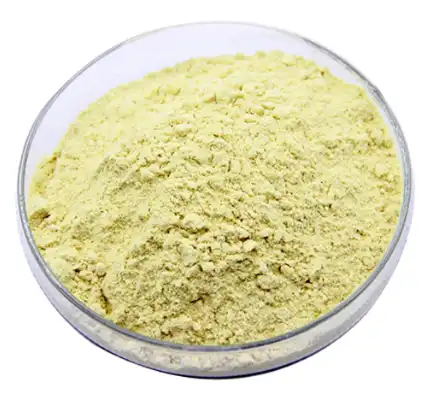
Glucoraphanin enjoys favorable regulatory status across major markets. The United States recognizes it as Generally Recognized as Safe (GRAS) for food applications. European markets accept it under novel food regulations, while other regions typically classify it as a natural food ingredient.
Documentation requirements vary by jurisdiction but generally include safety studies, manufacturing details, and analytical specifications. Comprehensive dossiers support product registration and facilitate market access. Working with experienced suppliers ensures compliance documentation meets regional requirements.
Labeling regulations require careful attention to health claims and ingredient declarations, such as for Glucoraphanin Powder. While structure-function claims remain permissible in many markets, disease treatment claims require approval. Proper claim substantiation protects brands while maximizing marketing potential.
Quality certifications enhance market acceptance and regulatory compliance. ISO 9001 quality management, HACCP food safety, and organic certifications add credibility. These certifications become particularly important for international market penetration and premium positioning.
Conclusion
Glucoraphanin powder represents a transformative ingredient opportunity for nutrition professionals seeking science-backed, natural health solutions. Its unique stability profile, comprehensive health benefits, and excellent formulation characteristics position it as an essential component in modern supplement development. The growing body of research supporting its efficacy, combined with favorable regulatory status and consumer acceptance, creates compelling market opportunities. As the industry continues embracing clean-label, plant-based ingredients with proven benefits, glucoraphanin emerges as a cornerstone ingredient for innovative nutritional products targeting cellular health, detoxification, and overall wellness optimization.
Partner with Angelbio for Premium Glucoraphanin Powder Supply
Angelbio stands as a trusted glucoraphanin powder manufacturer, delivering pharmaceutical-grade ingredients backed by 18 years of R&D excellence. Our advanced extraction and purification technologies ensure consistent quality while meeting global compliance standards. Connect with our technical team at angel@angelbiology.com to discuss your specific formulation requirements and discover how our premium ingredients can enhance your product portfolio.
References
1. Clarke, J. D., Dashwood, R. H., & Ho, E. (2008). Multi-targeted prevention of cancer by sulforaphane. Cancer Letters, 269(2), 291-304.
2. Fahey, J. W., Zhang, Y., & Talalay, P. (1997). Broccoli sprouts: An exceptionally rich source of inducers of enzymes that protect against chemical carcinogens. Proceedings of the National Academy of Sciences, 94(19), 10367-10372.
3. Houghton, C. A., Fassett, R. G., & Coombes, J. S. (2013). Sulforaphane: Translational research from laboratory bench to clinic. Nutrition Reviews, 71(11), 709-726.
4. Kensler, T. W., Egner, P. A., Agyeman, A. S., Visvanathan, K., Groopman, J. D., Chen, J. G., ... & Talalay, P. (2013). Keap1-nrf2 signaling: A target for cancer prevention by sulforaphane. Topics in Current Chemistry, 329, 163-177.
5. Moreno, D. A., Carvajal, M., López-Berenguer, C., & García-Viguera, C. (2006). Chemical and biological characterisation of nutraceutical compounds of broccoli. Journal of Pharmaceutical and Biomedical Analysis, 41(5), 1508-1522.
6. Zhang, Y., Kensler, T. W., Cho, C. G., Posner, G. H., & Talalay, P. (1994). Anticarcinogenic activities of sulforaphane and structurally related synthetic norbornyl isothiocyanates. Proceedings of the National Academy of Sciences, 91(8), 3147-3150.