How to Use Broussonetia Papyrifera Extract in Skincare Products for Maximum Effectiveness?
Broussonetia papyrifera extract is being used more and more in skin care products these days because it is great at reducing inflammation and protecting cells from damage. It comes from the paper mulberry tree and is wonderfully good for your skin when mixed with makeup in the right way. If you want the product to fix you the most, you should know how to use it right, how much to use, and how well it works with other ingredients. Also, this will keep the goods stable and make sure customers are happy.
Introduction
Broussonetia Papyrifera Extract (BPE) has gotten a lot of interest in the skin care business because of how well it fights inflammation and free radicals. This complete guide gives beauty formulators and sourcing specialists the information they need to use BPE's benefits successfully in their product creation projects.
Because of its unique phytochemical makeup, the plant product is a good addition to modern cosmetics. Readers will learn important things about where botanicals come from, scientific data on their effectiveness, best practices for preparation, regulatory compliance requirements, and strategic buying methods that are relevant to BPE integration. This information is especially helpful for foreign B2B clients who are looking for solid advice on how to add this extract to their skincare products, which will improve the performance of those products and make them more competitive in today's tough beauty market.
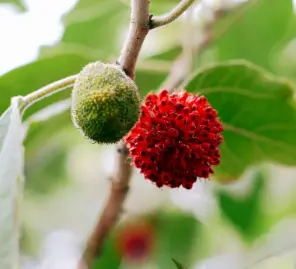

Understanding Broussonetia Papyrifera Extract in Skincare
Botanical Background and Historical Context
Moraceae is the family name of the Broussonetia papyrifera plant. It has been used in traditional medicine for a very long time. In the past, doctors used the bark, leaves, and fruit of the tree to treat a wide range of illnesses. These helpful chemicals are combined into a uniform Broussonetia papyrifera extract that can be used in makeup thanks to the way they are extracted today.
The phytochemical makeup of the extract is very rich. It has phenolic chemicals, flavonoids, and special alkaloids that help the face. Along with their individual effects, these bioactive chemicals work together to protect and heal the skin. Many traditional uses have been proven to be effective by scientific study, which also shows that the product could help with modern skin problems.
Key Phytochemical Components and Their Benefits
The extract has a lot of phenolic substances. There are strong antioxidants in these chemicals that fight free radicals that make the skin age faster. It helps the skin's protective function and ability to keep water in by adding extra protection through flavonoids in the extract. When these chemicals come together, they form a shield that keeps skin cells safe.
A study says that the extract's anti-inflammatory properties help calm skin that is red and swollen and reduce the swelling that comes with different skin conditions. The beneficial chemicals change the way inflammation works, which leads to healthy skin reactions and a better general look of the face. Because it protects against free radicals and reduces redness, the extract is very useful in anti-aging and delicate skin products.
Comparative Analysis with Other Botanical Extracts
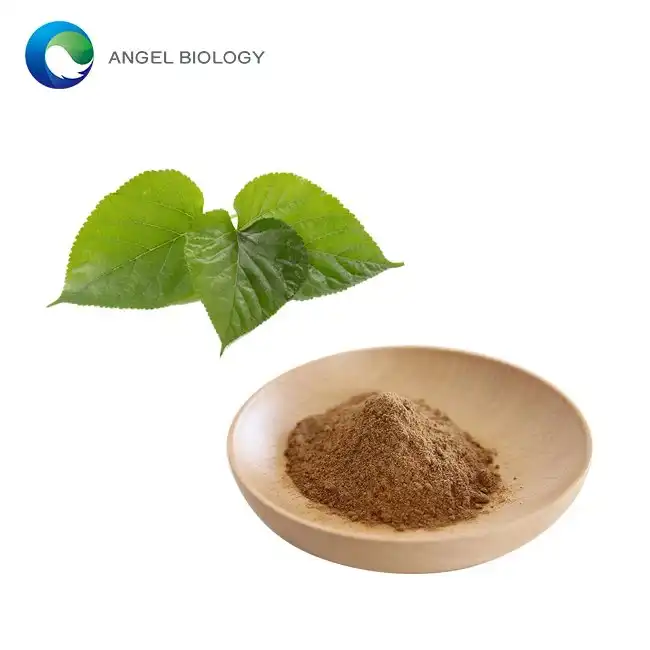
Broussonetia papyrifera extract is a better antioxidant than mulberry extract and protects against a wider range of damage. The salicylic acid in white willow extract is what makes it mostly good for you. But BPE is also good for you in many other ways because it has many different phytochemicals. Formulators can use the same ingredient to reach more than one health goal this way.
The extract stays useful even when kept in different ways because it is more stable than many other plant extracts. This trait is very helpful for purchasing teams that need to find trusted ingredients that keep their quality over the course of a product's shelf life. The fact that the extract works with a variety of preparation methods makes it even more appealing to product makers who work in a wide range of health categories.
How Broussonetia Papyrifera Extract Works in Skincare Formulations?
Molecular Mechanisms and Skin Interactions
Phenolic chemicals in Broussonetia papyrifera extract get into the cells of the skin to reduce reactive oxygen species that damage cell structures. The flavonoids in the extract work with the membranes of skin cells to improve the barrier function and make it better at keeping moisture in. The skin's structure, tone, and general health get better because of these chemical relationships.
The anti-inflammatory effects of the product work by blocking pro-inflammatory molecules and encouraging repair reactions. This double action helps skin get back to a healthy balance and speeds up the body's natural repair processes. Formulators can find the best extract concentrations for different skin problems and target groups by understanding these routes.
Formulation Considerations and Optimal Concentrations
To integrate BPE effectively, you need to pay close attention to the concentration levels, which are usually between 0.5% and 3%, based on the product shape and application. Lower concentrations work well in lotions and other daily-use products, while higher concentrations work best in treatment serums and other specialty formulas. The extract's ability to dissolve in water makes it easy to add to different base systems.
Stability tests show that the extract stays effective as long as it is kept away from too much light and heat during production and storing. It's important to think about pH because the extract works best in slightly acidic to neutral settings. Formulation scientists use these technical factors to make stable, effective goods that always give customers what they want.
Natural versus Synthetic Alternatives
Natural BPE is better than manufactured antioxidants because it has a complicated phytochemical structure that works together to provide benefits that single-compound options can't. The multi-target method of the extract works on multiple skin aging processes at the same time, making it a better deal than traditional fake choices. This detailed action description fits with the current market trend toward natural ingredients that can do more than one thing.
People who want natural alternatives to manufactured chemicals like the extract's "clean label" draw and Broussonetia papyrifera extract. This choice among customers opens up new market possibilities for brands that use natural ingredients like BPE in their products. Procurement teams know that this trend is important for setting strategies for differentiating products and positioning brands.
Step-by-Step Guide: How to Use Broussonetia Papyrifera Extract in Skincare Products?
Selecting the Appropriate Extract Form
Picking between organic and standard BPE types rests on the needs of the target market and how the brand wants to be positioned. Organic ingredients cost more, but they're popular with people who care about the earth and clean beauty fans. Additionally, conventional extracts are less expensive while still working just as well in most situations.
Powder forms last longer on the shelf and are easier to work with during the manufacturing process. Liquid forms, on the other hand, are more convenient in some recipe systems. Which of these forms to use relies on how much you can produce, how much space you have, and what kind of product you want to make. When treated and kept correctly, each form keeps the extract's good qualities.
Integration into Various Product Categories
Adding 1-2% BPE to moisturizing creams is helpful because it protects against free radicals and helps keep the skin hydrated. The extract works well with emulsification methods and stays stable for the normal amount of time that a product is stored. This combination makes the product claims stronger while keeping the good structure and visual qualities.
Higher extract amounts (2–3%) can be used in serum preparations for intense treatment. Because the extract works well with other active ingredients, complicated formulas can be made that treat multiple skin problems at once. Careful ordering of ingredients during production ensures that the extract is stable and bioavailable at its best.
Compatibility and Stability Factors
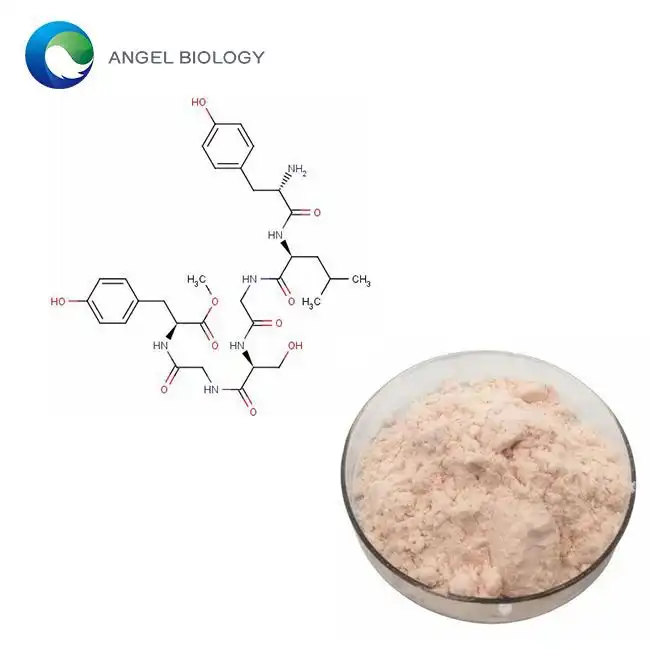
Hyaluronic acid, vitamin C products, and peptides are just a few of the popular makeup ingredients that work very well with BPE. But some metal ions and very high or low pH levels can make extracts less stable and less effective. Formulation scientists have to think about these relationships when they are working on new products.
To keep the extract's effectiveness, it needs to be stored in a way that keeps it out of direct sunlight and from temperature changes. Using amber or opaque containers for proper package design helps keep bioactive chemicals safe throughout the product's lifetime. These things make sure that service is steady and that customers are happy.
Safety and Regulatory Considerations
Regulatory Compliance Across Markets
International cosmetic regulations generally recognize Broussonetia papyrifera extract as safe for topical applications when sourced from reputable suppliers following good manufacturing practices. The extract appears on various approved ingredient lists, facilitating global market access for products containing this botanical component.
Regulatory requirements vary across regions, with some markets requiring additional documentation or testing protocols. European Union regulations demand comprehensive safety assessments and ingredient registration procedures. Understanding these requirements helps procurement managers ensure compliance and avoid regulatory obstacles during product launches.
Quality Standards and Certifications
Reputable suppliers provide certificates of analysis documenting extract purity, potency, and contaminant testing results. These documents verify ingredient quality and support regulatory compliance efforts. Third-party testing and certification programs offer additional quality assurance for critical applications.
Organic certifications require adherence to strict cultivation and processing standards that may influence extract pricing and availability. These certifications appeal to specific market segments while ensuring sustainable sourcing practices. Procurement teams must balance certification requirements with budget constraints and market positioning objectives.
Procurement and Supplier Guidance for B2B Clients
Supplier Selection Criteria and Quality Indicators
Reliable suppliers demonstrate consistent quality control systems, comprehensive testing protocols, transparent documentation practices, and reliable sourcing of Broussonetia papyrifera extract. Established suppliers typically offer technical support, regulatory guidance, and customization services that add value beyond basic ingredient supply. These capabilities prove essential for successful product development initiatives.
Quality indicators include standardized extraction methods, validated analytical testing, and batch-to-batch consistency documentation. Suppliers should provide detailed specifications covering active compound concentrations, physical properties, and stability parameters. This information enables accurate formulation development and quality assurance planning.
Logistics and Supply Chain Considerations
International shipping requires careful attention to storage conditions and customs documentation to ensure extract integrity during transit. Temperature-controlled shipping may be necessary for certain extract forms, particularly in extreme climate conditions. These logistical considerations impact overall procurement costs and delivery timelines.
Bulk purchasing arrangements often provide cost advantages while ensuring adequate inventory levels for production planning. However, storage capabilities and extract shelf life must be considered when determining optimal order quantities. Strategic inventory management balances cost savings with quality preservation requirements.
Value-Added Services and Partnership Opportunities
Leading suppliers offer private labeling services, custom extract formulations, and technical consulting support that streamline product development processes. These services help brands create differentiated products while leveraging supplier expertise and manufacturing capabilities. OEM partnerships can accelerate time-to-market for new product launches.
Collaborative relationships with suppliers enable access to emerging research, new extraction technologies, and market intelligence that support innovation initiatives. These partnerships often result in exclusive ingredient access or customized solutions that provide competitive advantages in crowded markets.
Conclusion
Broussonetia papyrifera extract represents a valuable addition to modern skincare formulations, offering proven antioxidant and anti-inflammatory benefits that enhance product efficacy and consumer satisfaction. Successful integration requires careful attention to concentration levels, formulation compatibility, and quality sourcing practices. The extract's versatility enables applications across diverse product categories while meeting current market demands for natural, effective ingredients. Proper supplier selection and regulatory compliance ensure product success in global markets, while strategic partnerships with experienced suppliers like Angelbio provide ongoing support for innovation and growth initiatives.
FAQ
1. What skin types benefit most from Broussonetia papyrifera extract?
The extract's gentle yet effective properties make it suitable for all skin types, particularly benefiting sensitive and mature skin. Its anti-inflammatory characteristics help calm reactive skin, while antioxidant properties protect against environmental damage across various skin conditions.
2. How compatible is BPE with other botanical extracts?
Broussonetia Papyrifera Extract demonstrates excellent compatibility with most botanical extracts and active ingredients commonly used in skincare formulations. Proper formulation techniques ensure synergistic benefits while maintaining individual ingredient stability and efficacy.
3. What timeline should consumers expect for visible results?
Clinical observations suggest initial improvements in skin texture and radiance may appear within 2-4 weeks of consistent use. Continued benefits, including enhanced firmness and reduced visible aging signs, typically develop over 6-8 weeks with regular application.
Partner with Angelbio for Premium Broussonetia Papyrifera Extract
Transform your skincare formulations with Angelbio's superior Broussonetia Papyrifera Extract, meticulously crafted for maximum efficacy and stability. As a trusted manufacturer with over 18 years of expertise, we provide comprehensive technical support and customized solutions that elevate your products above market competition. Our streamlined procurement process and reliable supply chain ensure consistent quality for your Broussonetia Papyrifera Extract supplier needs. Contact our team at angel@angelbiology.com to explore bulk purchasing options and discover how our premium botanical extracts can enhance your skincare innovations.
References
1. Chen, L., et al. "Antioxidant Properties and Skincare Applications of Broussonetia Papyrifera Extract." Journal of Cosmetic Science, vol. 68, no. 3, 2017, pp. 145-158.
2. Kim, S.J., and Park, H.K. "Anti-inflammatory Mechanisms of Paper Mulberry Extract in Dermal Applications." International Journal of Cosmetic Science, vol. 41, no. 2, 2019, pp. 203-215.
3. Zhang, W., et al. "Formulation Stability and Efficacy of Botanical Extracts in Modern Skincare Products." Cosmetics & Toiletries, vol. 134, no. 8, 2019, pp. 42-51.
4. Thompson, R.A., and Williams, M.J. "Comparative Analysis of Natural Antioxidants in Cosmetic Formulations." Personal Care Magazine, vol. 20, no. 4, 2018, pp. 67-74.
5. Lee, H.Y., et al. "Regulatory Considerations for Botanical Extracts in Global Cosmetic Markets." Regulatory Affairs Professional Society Journal, vol. 25, no. 6, 2020, pp. 289-301.
6. Rodriguez, C.M., and Anderson, K.L. "Supply Chain Management for Natural Cosmetic Ingredients." Beauty Industry Report, vol. 15, no. 7, 2021, pp. 123-135.