



Glutathione Powder Stability: How Storage and pH Affect Potency
The quality of raw materials is only part of the equation in nutraceutical, cosmetic, and pharmaceutical ingredient sourcing. Maintaining that quality throughout storage, transportation, and formulation is equally important. L-glutathione powder is widely used in antioxidant-focused formulations, but its stability can be influenced by environmental conditions and processing methods. The way it is stored and the pH of the finished formulation may affect its chemical integrity and the consistency of the final product.
Understanding Glutathione Powder Stability
Glutathione is a tripeptide composed of glutamic acid, cysteine, and glycine. Its reduced form, commonly abbreviated as GSH, contains a free thiol (-SH) group on the cysteine residue. This group can participate in oxidation reactions, converting GSH into its oxidized form, glutathione disulfide (GSSG). The proportion of reduced and oxidized glutathione is therefore an important consideration when evaluating ingredient quality.
Why the Reduced Form Matters
Reduced glutathione is valued for its role in biological antioxidant systems, where it participates in redox reactions and helps maintain cellular balance. For ingredient buyers, the distinction between reduced and oxidized glutathione is relevant when specifying the raw material. However, the suitability of a particular grade depends on its intended application, analytical specifications, and formulation requirements. Buyers should confirm the declared form and assay results through the supplier's technical documentation rather than relying on the product name alone.
Environmental Sensitivity: What Can Affect GSH
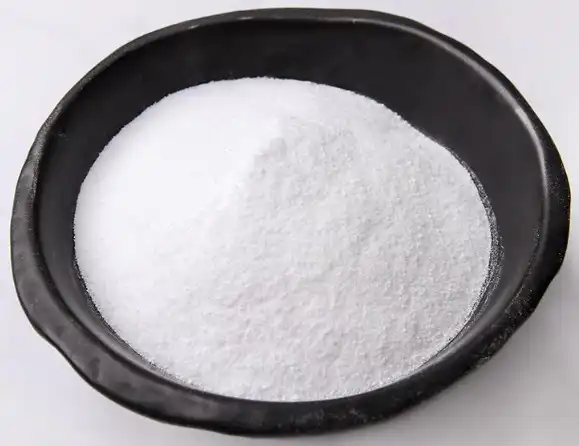
Several environmental factors can influence glutathione stability, including oxygen, temperature, moisture, light, and the composition of the surrounding formulation. The extent of degradation depends on the material's initial quality, packaging, exposure conditions, and storage duration. Moisture uptake may also affect powder handling and physical appearance. Although elevated temperature and humidity are commonly considered in stability assessments, the degree of change under specific conditions should be confirmed through product-specific testing rather than assumed from general data.
Why Stability Matters Across Industries
Maintaining the specified quality of reduced glutathione is important throughout manufacturing, whether the ingredient is used in dietary supplements, functional beverages, or cosmetic formulations. Processing conditions and interactions with other ingredients can influence the finished product's characteristics. If raw material quality changes during storage or processing, manufacturers may need to investigate the cause, reassess formulation performance, or adjust handling procedures. Clear specifications and appropriate stability data help procurement and R&D teams reduce uncertainty during product development.
How Storage Conditions Affect L-Glutathione Powder Potency
Appropriate storage helps preserve ingredient quality and supports consistent manufacturing. Buyers, warehouse teams, and formulation managers should establish handling requirements based on the supplier's instructions and available stability data.
To help maintain glutathione powder quality, consider the following measures:
Temperature should follow the product-specific storage instructions. Refrigerated storage may be appropriate for certain materials or long-term storage conditions, while other grades may be suitable for controlled room-temperature storage. A temperature range such as 2–8°C should not be treated as universally necessary, nor should storage at or below 25°C be assumed to guarantee a particular shelf life. Confirm the recommended conditions with the supplier and avoid temperature fluctuations or condensation during handling.
Humidity should also be controlled. Glutathione powder may take up moisture depending on its grade and the surrounding environment. Moisture exposure can affect flowability, cause clumping, and potentially influence chemical stability. The appropriate humidity limit should be established from product-specific handling guidance rather than applying one threshold to every batch.
Suitable packaging helps limit exposure to air, moisture, and light. Depending on the product and supplier's validated packaging configuration, sealed inner liners and protective outer containers may be appropriate. Nitrogen flushing may reduce oxygen in the package headspace when properly implemented, but its benefit should be evaluated for the actual packaging system. Opaque or light-protective packaging may be useful where light exposure is a concern.
Temperature control: Follow the supplier's recommended storage range and record relevant temperature conditions during storage and transit. Avoid assuming that refrigeration is always required or that a single temperature limit ensures stability.
Humidity control: Keep the powder sealed and minimize unnecessary exposure to ambient air. Monitor moisture-related changes in appearance and handling, and follow the specified storage conditions.
Packaging integrity: Use the packaging configuration specified for the supplied grade. Protective liners, suitable outer containers, and controlled headspace conditions may help limit exposure to environmental factors.
Light protection: Store the material away from direct sunlight and strong light where recommended. Protective packaging can help reduce unnecessary exposure during warehouse handling and transportation.
Storage conditions should be managed throughout the supply chain, from dispatch and customs processing to warehouse receipt and production use. Brief exposure does not automatically mean that a batch has deteriorated, but deviations should be assessed against the product's specifications and available stability information. For bulk purchases of reduced glutathione, ask the supplier for written storage instructions, packaging details, and relevant stability data.
The Role of pH in Glutathione Powder Stability and Effectiveness
The pH of a formulation can influence glutathione's chemical stability, but the effect depends on the complete formulation, including temperature, oxygen exposure, buffer system, and other ingredients. A single pH value should not be treated as suitable for every application. Formulation compatibility and stability should be evaluated under conditions representative of the intended product.
Acidic Conditions and GSH Stability
The stability of glutathione can vary with pH and other environmental conditions. Some acidic formulations may help limit certain degradation pathways, but a pH range such as 3.5–5.5 should not be considered universally optimal without supporting data for the specific formulation. For oral products, the dosage form and delivery system should be selected according to the product's design and intended use. Enteric coatings or other delivery technologies require separate evaluation and should not be assumed to guarantee glutathione protection or absorption.
Alkaline Conditions Can Accelerate Degradation
Under some conditions, increasing pH can promote reactions involving glutathione's thiol group and may accelerate degradation. The actual rate depends on the formulation and processing environment. This is relevant when incorporating reduced glutathione into beverages, personal-care products, or other systems with neutral or alkaline pH. Compatibility testing can help determine whether the selected formulation maintains the required ingredient specifications over time.
Evaluating pH for Formulation
For serums and creams, the target pH should be selected according to the overall formulation, skin compatibility requirements, preservative system, and the stability of all active ingredients. A pH range of 4.5–6.0 may be worth evaluating for certain products, but it is not a universal recommendation for every glutathione-based cosmetic. For beverages and other aqueous products, formulation pH, oxygen exposure, processing, and packaging should be assessed together. Protective delivery systems or separated-dose formats may be considered where appropriate, but their benefits need to be verified in the intended product.
Comparison of Storage and pH Impact Across Glutathione Product Types
Different product formats expose L-glutathione powder to different processing and storage conditions. Understanding these differences helps procurement and R&D teams choose suitable raw materials and establish realistic product specifications.
Powder Form
Bulk glutathione powder can offer flexibility for manufacturers developing capsules, tablets, beverages, or cosmetic formulations. However, its quality depends on the material's specifications, packaging, storage, and handling. An assay result above 98% over 24 months should not be assumed without supporting stability data for the particular grade and packaging system. Buyers should review the initial assay, storage recommendations, retest or expiry information, and any available stability results before setting inventory plans.
Capsules and Tablets
Compression, granulation, excipients, moisture exposure, and coating processes may influence the stability of glutathione in capsules and tablets. The effect varies with the formulation and manufacturing process. Rather than relying on a universal pH target or processing assumption, manufacturers should evaluate ingredient compatibility, dosage-form performance, and the finished product's stability. These assessments help determine whether the chosen formulation and packaging are appropriate for the intended shelf life.
Fermentation-Derived vs. Other Glutathione Sources
Glutathione can be produced through fermentation or other manufacturing routes. Fermentation-derived material may be suitable for buyers seeking a particular production origin or sourcing profile, but its quality should be assessed using the same relevant specifications applied to other grades. Purity, reduced-form content, impurity profile, physical properties, and stability should be verified through documentation and testing. Vegan suitability, religious certifications, and other labeling attributes should be confirmed separately rather than inferred solely from the production method.
Procurement Insights – Ensuring Quality and Potency in Bulk Purchases
For R&D directors, formulation managers, and procurement teams sourcing at scale, ingredient quality depends on clear specifications, reliable documentation, and appropriate supplier communication.
Supplier Documentation to Review
Request relevant quality-system documentation, product specifications, and applicable certifications based on the intended use and target market. If vegan, non-GMO, KOSHER, or HALAL claims are important to the finished product, confirm that the supplier can provide the corresponding supporting documents where applicable. These records help buyers assess sourcing suitability, but they do not replace product-specific analytical testing.
Reviewing Stability Data and CoA Documentation
Before selecting a supplier, request a Certificate of Analysis (CoA), available third-party test reports, and relevant stability information. The documentation should identify the tested parameters and, where available, the conditions under which the results were obtained. Temperature, humidity, packaging, and pH may all be relevant, depending on the product and its intended application. Confirm whether the available data represent the supplied grade and whether additional testing is needed for the buyer's formulation. Clear, traceable documentation supports more informed procurement decisions.
Logistics and Warehouse Best Practices
For international shipments, define acceptable transport and storage conditions according to the product's requirements. Temperature monitoring or moisture-protection measures may be appropriate when justified by the material's specifications and shipment conditions. On receipt, inspect packaging integrity, check the shipment against its documentation, and conduct incoming quality checks according to the buyer's procedures. Any storage or transport deviations should be evaluated before the material is released for production.
Conclusion
The stability of L-glutathione powder is an important consideration when developing consistent finished products. Temperature, humidity, oxygen exposure, packaging, and formulation pH can influence its quality, but the extent of their effects depends on the specific grade and application. Procurement and formulation teams can reduce uncertainty by following supplier storage instructions, reviewing relevant analytical and stability data, and evaluating compatibility under realistic processing conditions. Choosing a supplier that can provide clear specifications and traceable documentation helps support raw-material assessment and product development. Before purchasing in bulk, confirm the grade, required specifications, packaging, and documentation needed for your application.

FAQ
1. How long does L-glutathione powder retain potency under appropriate storage conditions?
The storage life depends on the specific grade, packaging, initial quality, and storage conditions. A fixed period, such as 24 months with an assay above 98%, should only be used when supported by applicable stability data. Review the supplier's recommended storage conditions and the batch-specific documentation before setting inventory or retesting schedules.
2. What happens if packaging is compromised during transit?
Damaged or unsealed packaging may increase exposure to oxygen, moisture, or other environmental factors. This can affect the material's condition, although the extent of any change cannot be determined from packaging damage alone. Inspect the shipment on arrival, document any issues, and consult the supplier about appropriate assessment before using the affected material.
3. Does pH affect glutathione in finished topical products?
Yes. pH can influence glutathione stability, but the effect depends on the complete formulation and its processing and storage conditions. A pH range of 4.5–6.0 may be evaluated for certain skincare formulations, but it should not be treated as universally suitable. Compatibility and stability testing are recommended for the intended product.
4. Is fermentation-derived glutathione more stable than glutathione produced by other methods?
Production method alone does not establish that one glutathione ingredient is more stable than another. Stability depends on factors such as material specifications, impurity profile, packaging, storage, and formulation conditions. Buyers should compare relevant analytical results and stability data and separately verify any vegan, KOSHER, HALAL, or other sourcing claims required for their products.
Partner with Angelbio for Glutathione Powder Sourcing Support
Angelbio is backed by Angel Holding Group and Xi'an Jiaotong University's Institute of Life and Health Research. The company reports more than 18 years of research and development experience. For businesses evaluating L-glutathione powder for nutraceutical, cosmetic, and other ingredient applications, Angelbio can discuss product specifications and available technical documentation to support raw-material assessment and formulation planning.
To discuss your requirements, contact angel@angelbiology.com. Please share your target application, required specifications, estimated order quantity, and destination market so the team can respond with relevant product information and a quotation.

References
1. Meister, A., & Anderson, M. E. (1983). Glutathione. Annual Review of Biochemistry.
2. Ballatori, N., et al. (2009). Glutathione dysregulation and the etiology of human disease. Biological Chemistry.
3. Griffith, O. W. (1999). Biologic and pharmacologic regulation of mammalian glutathione synthesis. Free Radical Biology and Medicine.
4. Richie, J. P., et al. (2015). Randomized controlled trial of oral glutathione supplementation on body stores of glutathione. European Journal of Nutrition.
5. Gaucher, C., et al. (2018). Glutathione: Antioxidant properties dedicated to nanotechnologies. Antioxidants.
6. Wu, G., et al. (2004). Glutathione metabolism and its implications for health. Journal of Nutrition.