



How does Neohesperidin Dihydrochalcone compare to other sweeteners?
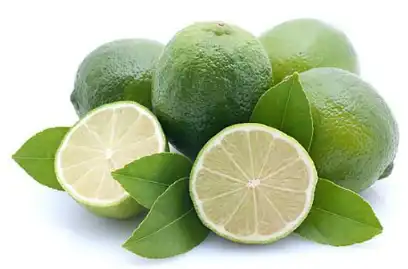
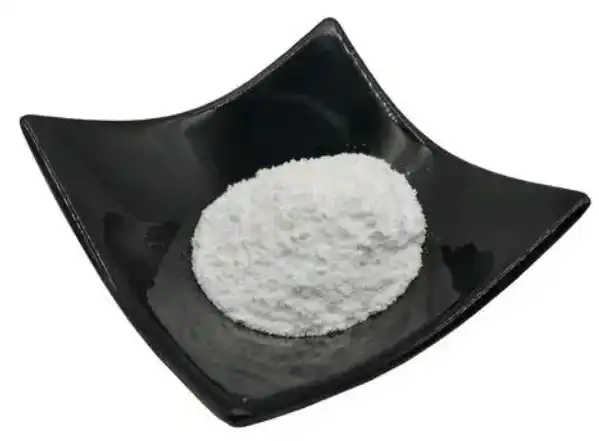
Neohesperidin Dihydrochalcone Powder (NHDC) is a powerful sweetener made from bioflavonoids found in citrus fruits. It is made by hydrogenating neohesperidin, which is found in bitter oranges. NHDC is not like other sweeteners because it can change both the taste and the sweetness of something. It is about 1,500 to 1,800 times sweeter than sucrose. If you add functional ingredients like proteins, herbal extracts, and active compounds to food, this chemical from citrus fruits can hide the bitter taste very well. It makes things taste sweeter, feels better in the mouth, and the sweet feelings last longer. Formulation chemists who have to deal with taste issues in medicines, functional drinks, and nutritional supplements will find this a very useful tool.
Introduction
The modern food and drink business is getting more and more pressure to change how they make their goods to please customers who care about health and clear labels. Governments around the world are making it harder for people to eat too much sugar and tightening rules on artificial ingredients. This means that procurement professionals have to navigate a wider range of sweetening options that are becoming more complicated. These days, Neohesperidin Dihydrochalcone Powder is a good alternative because it comes from natural sources and can be used for many things besides just sweetening. This in-depth guide compares NHDC to well-known sweeteners in a number of performance areas that matter to B2B decision-makers. We look at what chemicals are in it, how it works in formulas, how it is controlled, and how much it costs compared to natural and man-made alternatives. We want to give R&D directors, formulation managers, and procurement teams the technical details they need to figure out if NHDC can help them with their specific product development issues and help them meet their brand differentiation goals and compliance needs.
Understanding Neohesperidin Dihydrochalcone Powder
Chemical Origins and Processing
Neohesperidin Dihydrochalcone Powder is made from neohesperidin, a flavanone glycoside that is mostly found in the bitter orange peel. A process called catalytic hydrogenation is used to take neohesperidin out of citrus biomass. This then opens up the flavonoid ring structure. By making this change, the bitter starting material changes into a compound that tastes sweet and feels different. When done right, the process creates a white to off-white crystalline powder that is very pure, with an active content of 96% to 98% in commercial grades that can be used in medicine and food.
Physical and Chemical Properties Relevant to Formulation
Because its molecules don't change when the temperature or pH level does, NHDC is great for manufacturing environments that are hard to work in. When mixed with acidic drinks, aspartame breaks down quickly. But NHDC stays sweet even when the pH level drops to as low as 2.5. In other words, it can be used in both carbonated soft drinks and functional drinks made with fruit. Since the compound doesn't change when heated up to 180°C, it can be used in hot baked goods and sweets. Because it breaks down slowly in water at room temperature (0.3 to 0.5 g/L), it needs to be spread out carefully. To do this, it is often mixed with Neohesperidin Dihydrochalcone Powder and other dry ingredients first, or solubilizers are used to make sure it dissolves evenly in water.
Regulatory Status and Safety Profile
NHDC has been given the green light by the world's top food safety authorities. Under the number E959, the European Food Safety Authority (EFSA) says it can be used in some types of food. When used in certain ways, the U.S. Food and Drug Administration (FDA) says that NHDC is Generally Recognized As Safe (GRAS). But European law says it can't be used in the same ways. In the business world, levels are usually between 1 and 10 parts per million (ppm) for drinks and up to 50 ppm for medicines. It depends on how sweet the product needs to be and how well it mixes with other sweeteners. Studies on toxicology have shown that these levels don't hurt anything. It is recommended that people should not take more than 5 mg of this drug every day to stay healthy.
Comparing NHDC Powder with Other Sweeteners: Natural vs Artificial
To find out how Neohesperidin Dihydrochalcone Powder stacks up against other sweeteners, we need to look at a number of evaluation criteria that have an impact on how well the formula works and where it stands in the market. The next comparison talks about how natural and artificial sweeteners work in different ways.
NHDC versus Artificial Sweeteners
One of the most common man-made sweeteners is aspartame. It's about 200 times sweeter than sucrose, but it can't be used for many things because it gets unstable at high temperatures and is harmed by changes in pH. When it comes to acidic environments and products that have been heated, NHDC is more stable than aspartame. This means that systems that use aspartame don't need to be changed as often, which could be a problem. Also, the metabolic pathways are not the same at all. People who have phenylketonuria should stay away from aspartame because it breaks down into phenylalanine, aspartic acid, and methanol. NHDC, on the other hand, doesn't go through much metabolism and is mostly flushed out of the body by bile without being taken in. Because it is very stable and about 600 times sweeter than sucrose, sucralose can be used in a lot of different ways. When you eat something with sucralose, it tastes a lot like sugar, and it doesn't leave a bad aftertaste like a lot of heavy sweeteners do. NHDC is unique because it can block bitterness at the receptor level, while sucralose can't. There is no need to use more than one masking agent when making products with bitter ingredients, like caffeine in energy drinks or botanical extracts in functional supplements, because NHDC does two things that do the job. The rules and regulations are something else to think about. Some markets are less open to NHDC than others around the world, which can make it harder for international products to get ready for sale.
NHDC versus Natural Sweeteners
This is stevia extract, rebaudioside A, and rebaudioside M. A lot of people buy them because they are natural and don't have any calories. Stevia glycosides come from plants, but they often taste like strong licorice and have metallic notes that need a lot of work to make them taste better. While reducing the amount of stevia that needs to be used, NHDC works great as a synergistic modifier to hide the off-notes of stevia. This could lower the cost of formulation. The level of difficulty of extraction is not the same. The process is done more than once to get rid of the bitter steviol glycosides that are used to make stevia. But to make NHDC, chemicals are changed in a less complicated way that can make the quality more stable from batch to batch. Luo han guo, or monk fruit extract, is another natural choice. Its sweetness comes from mogrosides. For now, the yield from monk fruit extraction is not very high. This means that the cost of raw materials is higher than for NHDC. NHDC and monk fruit extract are both from the citrus family, but NHDC is easier to predict how it will work in a formulation because its mogroside profiles are more consistent across grades of monk fruit extract. NHDC is often good for the economy because it is so strong that only small amounts are needed to get the right level of sweetness. This is called cost-in-use, which is the real cost per unit of finished product.
Stability and Shelf-Life Performance
An important but often overlooked thing to think about when picking a sweetener is how stable it is over the product's shelf life in different storage conditions. Once it is mixed properly, NHDC is very hard to break down by oxygen, water, and microbes. Over 24 months, dry powder blends lose less than 5% of their strength, according to tests that are done quickly at 40°C and 75% relative humidity. This is better than a lot of natural extracts that need antioxidant systems to keep them safe. Because it is stable, the sweetness will be felt the same from the time it is made until it is thrown away. Because of this, customers will not be as likely to complain about flavor drift, which happens with sweeteners that are not as stable.
Procurement Considerations for Neohesperidin Dihydrochalcone Powder
To strategically get Neohesperidin Dihydrochalcone Powder, the technical, regulatory, and logistical skills of suppliers must be looked at. These skills have a direct impact on the quality of the product and its market success.
Supplier Evaluation and Geographic Considerations
Most of the world's NHDC is made in China, which has a lot of citrus biomass and a lot of experience with taking flavonoids out of plants. European suppliers offer alternatives that follow strict EU rules for quality management and usually cost more. When procurement teams look at possible suppliers, they should give more weight to those who can show they can do everything, from finding raw materials to helping with paperwork for the government and using cutting-edge technology for extraction. If a supplier has its own research and development team, it can help with formulation optimization by fixing problems with solubility or recommending the best amounts of use for different uses.
Essential Documentation and Certification Requirements
Businesses that buy ingredients need to keep careful records that show the products meet their requirements and follow the rules in order to ensure quality control. Certificates of Analysis (COA) should list the levels of purity, the amount of heavy metals present, the microbiological status, and the profiles of any solvents that are still present. They should be made using approved analytical methods. On Material Safety Data Sheets (MSDS), it must be clear how to safely handle the substance and what to do in an emergency. Along with these basic needs, suppliers who can show allergen statements, non-GMO certifications, halal/kosher paperwork, and regulatory status letters for each country show that they have the compliance infrastructure needed to ship goods around the world.
Pricing Dynamics and Commercial Terms
NHDC's price changes based on how pure it is, how hard it is to make, and how the market wants it. Food-grade NHDC costs about $180 to $280 per kilogram on the market right now, and it costs even more the more you buy. Material that is made for pharmaceutical use costs 15 to 25 percent more. You can get better prices if you promise to buy in bulk, but procurement strategies should weigh the chance that the product will become useless if the formula changes against the cost savings. From one supplier to the next, sample order rules are very different. More forward-thinking suppliers give away free analytical-grade samples as a way to test the market's viability. This is because they know that trials that go well usually lead to full orders. In the business of natural ingredients, new customers usually have to pay between 30 and 50 percent up front. When a business and a customer get to know each other better, the terms of payment usually change to net-30 or net-60.
Supply Chain Reliability and Contingency Planning
Supply chain problems around the world have made people more aware of how important it is to make sourcing resilient a top priority for strategic procurement. When citrus fruits are picked, the amount of Neohesperidin Dihydrochalcone Powder, and how much can be made at major factories, can change how much NHDC is available. If you work with a few qualified suppliers, preferably in different parts of the world, you'll have backup plans in case your main sources have problems with production or quality. When you place an order with NHDC, it usually takes between 4 and 6 weeks to get it to you. This includes planning production, checking quality before release, and shipping goods across international borders. Purchasing teams that are in charge of just-in-time inventory systems should remember these dates and plan how to strategically place their stock to be ready for delays that weren't planned for.
Practical Applications and Case Studies of NHDC in Industry
The real-life uses of Neohesperidin Dihydrochalcone Powder show that it can fix certain formulation issues in a lot of different types of products.
Functional Beverage Reformulation
A well-known sports nutrition brand's ready-to-drink protein water line had branched-chain amino acids (BCAAs) that tasted bitter. People didn't like this. In the past, adding a lot of citric acid and natural flavors helped hide some of the bad tastes, but not all of them. NHDC at 5 ppm and less stevia were added by the formulation team to get a clean taste. Tests with customers showed that the taste was 40% better overall. The reformulated product's label said it was "naturally sweetened," which was in line with the brand's clean-label positioning. In the six months after the product's relaunch, sales went up by 23%.
Pharmaceutical Taste Masking Applications
Making liquid medicines for kids is harder than it sounds because they are more sensitive to bitter compounds and don't like bad tastes as much as adults do. It was hard for a generic drug company to make an antibiotic suspension because the medicinal ingredient that did the work was very bitter. Using the old ways of coating with sugar added too many calories, and parents were worried about using artificial sweeteners. Adding 15 ppm of NHDC and natural cherry flavor made the medicine less bitter without changing how stable it was or the need to change the preservatives in the formula. In the clinical palatability studies, the product was liked by the kids who were supposed to test it as much or more than the brand-name product. This helped get approval from the government and a smooth entry into the market.
Nutraceutical Supplement Optimization
There are bioactive compounds in plant extract supplements that are naturally bitter. This makes it hard for people to take them, especially when they are in the form of chewables. A company that makes herbal supplements with berberine extract—which tastes very bitter—looked into NHDC as an alternative to coating or sweetening tablets too much, which would make them bigger. It took 8 parts per million (ppm) of NHDC in the tablet matrix to make the citrus-mint flavor profile taste good in a chewable form. The new formulation cut production costs by 12% per unit compared to the old film-coated tablet. Customers were also happier with the taste and ease of use.
Conclusion
One thing that makes Neohesperidin Dihydrochalcone Powder stand out is that it can be used for more than just replacing sugar. It is a useful ingredient for people who buy things from businesses. Because it is very sweet, can hide bitter tastes, and stays stable even under tough processing conditions, it can be used to solve problems that regular sweeteners can't. NHDC's natural origin, proven safety profile, and low cost at normal usage levels make it especially appealing for brands that want to position themselves as "clean label" without sacrificing sensory quality. However, regulatory approval status varies by market and needs to be carefully navigated. For NHDC integration to go smoothly, brands need to work with knowledgeable suppliers who can help with formulation, provide thorough documentation, and make sure quality is always the same. This helps brands stand out in markets where people care about their health and where competition is growing.
FAQ
1. Is Neohesperidin Dihydrochalcone Powder safe for all consumer groups?
Neohesperidin Dihydrochalcone Powder has been through a lot of toxicological tests, which have shown that it is safe for most people as long as they don't use it in excess of what the government allows. Food safety experts around the world say that a person can eat 5 mg of this substance per kilogram of body weight every day without getting sick. When you consider that finished goods usually have concentrations between 1 and 15 ppm, this is a big safety margin. For children, pregnant women, and the elderly, there are no specific rules. However, formulation teams should make sure they are following any regional rules that may set limits for these groups.
2. Can NHDC be combined with other sweetening agents?
NHDC works great when mixed with other sweeteners, and it can often be used instead of all the other sweeteners to get the right level of sweetness. It is common to mix NHDC with stevia extracts to hide the aftertaste, NHDC with erythritol to make low-sugar foods feel better in the mouth, and NHDC with sucralose to make the sweetness last longer. To give you an example, the best blend ratio depends on the sensory goals and product matrix. Most of the time, tests at the bench are needed to find the best mix.
3. What challenges should teams anticipate when switching to NHDC?
NHDC formulations may need to be changed because they don't dissolve well in water. This could mean that different dispersion methods are needed. This can be made more even by dissolving NHDC in small amounts of alcohol or propylene glycol before adding water. There may be slight color changes toward yellow in some formulations when NHDC is added. This means that other colorants need to be changed. Because NHDC is so strong, the cleaning instructions for the equipment used to make it should be read again. This is because small amounts of contamination in later batches could lead to sweetness that wasn't supposed to happen.
Partner with Angelbio for Your Neohesperidin Dihydrochalcone Powder Needs
You can get top grade Neohesperidin Dihydrochalcone Powder from Angelbio to help you with the development of your product. This powder is made under strict quality controls that make sure it is the same from batch to batch. We have more than 18 years of experience doing great research and development on our own, and we have state-of-the-art facilities for testing chemicals. This lets us give you technical documents that back up regulatory filings in every market in the world. We are a well-known NHDC manufacturer backed by Angel Holding Group and the Institute of Life and Health Research at Xi'an Jiaotong University. We offer formulation consultation services to help you find the best sweetener blends for your needs.
Send an email to angel@angelbiology.com to get free samples of your idea to test its viability. You will also receive full Certificates of Analysis and regulatory support materials. We'd be happy to talk to you about the terms for buying in bulk, your specific purity needs, and supply agreements that work with the way you plan your production.
References
1. O'Brien-Nabors, L. (2016). Alternative Sweeteners (4th ed.). Boca Raton: CRC Press, Taylor & Francis Group.
2. Kinghorn, A.D. & Compadre, C.M. (2001). Less common high-potency sweeteners. In L. O'Brien Nabors (Ed.), Alternative Sweeteners (3rd ed., pp. 209-233). New York: Marcel Dekker.
3. European Food Safety Authority (EFSA). (2015). Scientific Opinion on the safety of neohesperidin DC as a food additive. EFSA Journal, 13(2), 4016.
4. Briggs, M. & Uyenco, R. (2018). Sweeteners in Pharmaceutical Applications: Taste Masking and Formulation Considerations. Pharmaceutical Technology, 42(6), 38-44.
5. Klug, R.L. & Lipinski, G.R. (2011). Flavoring Agents. In Rowe, R.C., Sheskey, P.J., & Quinn, M.E. (Eds.), Handbook of Pharmaceutical Excipients (6th ed., pp. 285-291). London: Pharmaceutical Press.
6. DuBois, G.E. & Prakash, I. (2012). Non-Nutritive Sweeteners, Sweetness Modulators, and Sweetener Enhancers. Annual Review of Food Science and Technology, 3, 353-380.