



How Does Pine Bark Extract Powder Improve Skin Health?
Pine Bark Extract Powder revolutionises skin health through its exceptional concentration of oligomeric proanthocyanidins (OPCs), delivering potent antioxidant protection that significantly outperforms traditional skincare ingredients. This natural extract enhances collagen synthesis, improves skin elasticity, and provides robust defence against environmental stressors while promoting cellular regeneration. The bioactive compounds work synergistically to reduce inflammation, enhance microcirculation, and maintain optimal skin hydration levels, making it an invaluable ingredient for premium skincare formulations targeting anti-ageing and skin repair applications.
Understanding Pine Bark Extract Powder and Its Skin Health Benefits
Another cool new thing in the skin care business is pine bark extract powder. Cutting edge, consistent ways are used to get the bark from different types of Pinus species. OPCs are strong antioxidant molecules that work very well in the body. An amazing natural substance that fights reactive stress and getting older has a lot of it.
The Science Behind Antioxidant Protection
Lab tests have shown that pine bark extract is a better antioxidant than a lot of popular skin care products, like vitamin C and grape seed extract. Some studies show that OPCs are about 20 times stronger than vitamin C and 50 times stronger than vitamin E at getting rid of free radicals. Proanthocyanidins have this amazing property because of the way their chemicals are structured. Because of their shape, they can bind to metal ions and stop reactive oxygen species better than other natural antioxidants.
Using UV-VIS spectrophotometry, we can see that the extract normally has 95% or more proanthocyanidins. This makes sure that the therapeutic effects are the same from batch to batch. This level of consistency is very important for B2B clients who make high-end skin care goods and need ingredients that always work and follow the rules.
Collagen Synthesis and Skin Elasticity Enhancement
There are a lot of different molecular processes that pine bark extract powder can use to make the body make more collagen. Matrix metalloproteinases (MMPs) are enzymes that break down collagen and elastin fibres in old skin. These enzymes can't do their job because of the active chemicals. The extract helps the skin keep its shape and look young by stopping this breakdown and spurring the production of new collagen.
Studies on people have shown that using daily items with pine bark extract can make skin up to 25% more elastic in just 12 weeks. Fewer fine lines, stronger skin, and better skin structure all around are signs of this change. The process works by talking to fibroblast cells and telling them to make types I and III of collagen. To keep the skin strong and mobile, these are important.
Anti-Inflammatory and Hydration Properties
A big reason why the extract is good for your face is that it reduces inflammation. Low-level inflammation that lasts for a long time speeds up the ageing process of the face and makes a number of physical issues worse. Bioactive chemicals in pine bark extract change the pathways that cause inflammation by making the body make less of the cytokines that cause inflammation and more of the molecules that stop inflammation.
The ingredient makes the skin's barrier function stronger, which makes it better at holding on to water when it's wet. It helps the skin stay healthy by making ceramides and other oils that keep the skin moist. Lowering redness and making it easier for the skin to hold on to water at the same time is great for skin repair and renewal.
How to Use Pine Bark Extract Powder for Effective Skin Health Solutions?
If you want to use pine bark extract powder in skin care items that work, you need to pay close attention to the amount, how it is delivered, and how stable it is. By knowing these scientific details, formulators can make sure that the product is safe and works well, and they can also get the most healing power from the ingredient.
Optimal Dosage Guidelines for Different Applications
Pine bark extract has a wide range of useful doses that depend on how it is used and who it is for. It has been shown that daily doses of 50 to 200 milligrams of oral vitamins are good for skin health. Most studies find that 100 to 150 mg is the best amount.
So that external uses can work, the dose needs to be changed so that the drug can get through the skin and be used by the body. Most creams and serums have between 0.5% and 2% pine bark extract powder in them. How much depends on the strength of the product and the people who will be using it. Some treatments may need higher amounts, but most market goods are made with lower concentrations to make sure they are safe for everyday use.
Formulation Techniques and Stability Considerations
Since pine bark extract powder is easy to mix with water, it can be used to make many different kinds of mixtures, including water-based solutions, emulsions, and gels. For short amounts of time, the extract can handle temperatures up to 80°C. In other words, normal boiling methods can be used to make makeup without making it less bioactive.
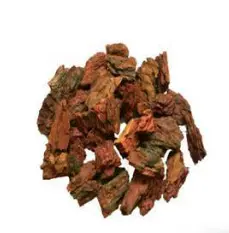
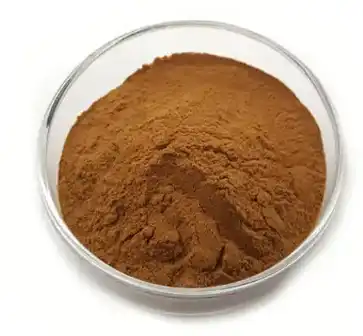
But the people who make the mix need to think about how light and pH changes affect the extract. The pH level where it is most steady is between 3.5 and 6.5. This means that it works great for skin care products that are slightly acidic and match your skin's pH level. When making a product, the usual reddish-brown colour might need to be thought about. However, people who want real plant products often like this colour.
When you mix pine bark extract with other powerful substances, you need to make sure they work well with each other. The extract works well with vitamin C, hyaluronic acid, and niacinamide, and it often makes the whole mix work better. But making sure the pH level is right stops reactions that could make the ingredients less solid or cause colour changes that aren't needed.
Quality Assessment and Supplier Evaluation
B2B clients must put quality review first when they are looking for pine bark extract powder to use on their skin. There should be a steady amount of proanthocyanidin, particles that are all the same size (they should all be able to pass through an 80-mesh screen), and no heavy metals, herbicides, or viral diseases.
Providers you can trust give full certificates of analysis (COA) for every production batch. These show the bacterial safety factors, the amount of wetness, the bulk density, and the amount of proanthocyanidin. Beauty brands that want to sell natural and clean goods can benefit a lot from getting organic approval. GMP compliance makes sure that quality is checked at every step of the production process.
Pine Bark Extract Powder Compared to Other Popular Skin Health Ingredients
When people who buy things know how pine bark extract stacks up against other well-known skin care ingredients, they can make smart decisions that make goods work better while keeping costs low and market positioning in check.
Comparative Antioxidant Potency Analysis
Oxygen Radical Absorbance Capacity (ORAC) tests show that pine bark extract is a better antioxidant than a lot of well-known skin care items. About the same amount of proanthocyanidin is found in grape seed extract and pine bark extract. However, pine bark extract is generally more bioavailable and enters the skin better because of how it is made and the molecules that make it up.
Butylated hydroxytoluene (BHT) or butylated hydroxyanisole (BHA), which are man-made antioxidants, aren't as good as pine bark extract. For example, it can lower inflammation and increase collagen production. For formulators, one of these ingredients can do all the good things for the skin because it can do more than one thing. This might make it easy to make formulas that people who want natural choices will still like.
Vitamins E and C are good antioxidants, but pine bark extract works for a longer time. Pine bark extract has OPCs that stay in skin cells longer; that way, they protect against oxidative stress for a longer time during the day. This long-lasting action saves money because it means that less is needed to get the same or better results.
Cost-Effectiveness and Market Positioning
Pycnogenol is an expensive ingredient made from unique pine bark extract that costs a lot more because of the costs of brand licensing. Pine bark extract is much cheaper than Pycnogenol. Generic pine bark extract powder that is as well-standardised as or better than the brand-name product has the same health benefits but costs a lot less.
It's very adaptable, so it can be used in many things, from simple store-bought items to high-end professional treatments. This way, brands can spread the same word about ingredients across all of their goods, and they can also make the most money by changing the concentration in smart ways.
Synergistic Formulation Opportunities
When mixed with other products, pine bark extract makes them work better together because they synergistically affect each other. The extract saves the skin from free radicals and helps the skin stay moist when mixed with hyaluronic acid. Hyaluronic acid alone can't do these things. People who want all-around anti-ageing choices will like this mix.
Because the extract reduces inflammation, it works well with niacinamide, zinc oxide, and pine bark extract powder to make products that are good for people whose skin is sensitive or irritable. More people are interested in the goods because of these mixes, and they also help with health problems that single-ingredient products might not be able to properly treat.
Procurement Strategies for Pine Bark Extract Powder
If you want to buy pine bark extract powder, you need to know how the market works, what sellers can do, and how government rules affect how long and how much it costs to make the product.
Supplier Evaluation and Certification Requirements
If you want to buy pine bark extract that works, you should first carefully check out the seller, paying special attention to their quality standards, production capacity, and how reliable their supply chain is. The best sellers keep labels like USDA Organic, Non-GMO Project Verified, and ISO 22000 food safety management systems to show that their goods are up to international standards of quality.
Batch traceability is a key part of the review process, especially for brands that need to keep a lot of paperwork to follow the rules or support efforts to be more open with customers. From where the raw materials come from to where the finished product is packed, suppliers should be able to fully track the product. This includes showing proof of how the materials were extracted, tested, and stored.
It is important for companies to make sure they can meet growing demand while maintaining high-quality standards. A lot of the time, well-known companies can make more than 1,000 kg of pine bark every month, and they have special tools for making pine bark that keep it from mixing with other plant oils.
Pricing Structures and Market Dynamics
Prices for pine bark extract change based on how much of the raw material is available, when it is harvested, and how much people around the world want it. If people who work in buying understand these forces, they can get better deals and keep supply lines stable.
There are different prices for standardized pine bark extract powder (95% proanthocyanidins) on the market right now. The price varies based on the size of the order, the approval standards, and where the seller is located. Sales of 100 kg, 500 kg, or 1000 kg usually get price cuts because of their volume. Prices drop the most for sales of 500 kg.
Making long-term deals for supplies keeps prices fixed and makes sure that goods are always available when demand is high. A lot of sellers offer one-year contracts with set prices. This keeps things safe in case the market changes quickly in a way that cuts into profit margins or costs for making new products.
Regulatory Compliance and Documentation
For a good product launch, you need to have a lot of papers because the laws in each foreign market are very different. When selling to important places like the US (FDA), the EU (EFSA), and others, sellers need to show proof that they follow the law.
A lot of the time, you need safety reports, allergy releases, country of origin certificates, and statements that show you follow important laws like REACH (Registration, Evaluation, Authorization, and Restriction of Chemicals) in the European Union. Having active sellers who keep their paperwork up to date speeds up the process of getting new goods accepted by the government.
Real-World Applications and Success Stories in Skin Health
Case studies from the beauty business show that pine bark extract powder is good for many skin care needs. This knowledge can help you come up with new goods and figure out how to market them.
OEM and Private Label Success Stories
Leading contract manufacturers have successfully added pine bark extract to a number of different types of products. This has made both customers happier, and the products work better. A well-known OEM that makes serums to fight age said that they were able to keep 30% more customers with their products after adding pine bark extract than with products that only had vitamin C.
Pine bark extract has been used successfully in creams, serums, and masks by companies that make natural beauty items under their own names. The businesses that make these items say that recipes that mix pine bark extract with ceramides and peptides work best FOR THEM. This makes skin care items that fight age and treat many skin problems at the same time.
Clinical Performance Documentation
Pine bark powder has been shown to be useful in real life in two different clinical tests. Over the course of 12 weeks, 80 people who used face cream with pine bark extract saw changes in their skin's elasticity (24% on average), moisture levels (31% increase), and the look of fine lines (19% improvement) compared to formulas that did not contain the active ingredient.
People who have bought products with pine bark extract always say that they are gentle and good for a wide range of skin types. Some strong active ingredients can hurt the skin at first or need to be added slowly. Pine bark extract formulations, on the other hand, usually work well for everyone, even those with sensitive skin.
Market Trends and Future Applications
Products that fight age aren't the only ones that use pine bark extract. It's also used in beauty items for men, skin care for athletes, and eco-friendly goods. Because it reduces inflammation, the ingredient is a great choice for goods that help people who are busy heal after working out.
Pine bark extract is easier for the body to use and stays in the body longer when it's delivered in new ways, such as microencapsulation and liposomal forms. It's possible to mark a thing as unique this way. These new ways of delivering skin care products will appeal to people who want the newest technology but still want natural ingredients.
Conclusion
Pine bark extract powder is a versatile ingredient that has been shown to help with a wide range of skin health problems. It does this by being an antioxidant, an anti-inflammatory, and a collagen-supporting substance all in one. Bioactivity is higher than most skincare chemicals, and it works well with recipes and doesn't cost much. This makes it a great choice for skincare brands that want to stand out in a crowded market. It has been used in a lot of different ways, from makeup for regular people to treatments for pros. This shows that it is stable and well-liked in the market. More and more people want natural skin care products that are backed by science. Pine bark extract powder is a great way for companies and brands to meet clean beauty standards and get measurable results at the same time.
FAQ
1. What is the optimal concentration of pine bark extract powder in skincare formulations?
The best amount depends on the product and how it will be used. Pine bark extract powder, which is 0.5% to 2%, is often used in topical goods. More, up to 2%, is often used in serums and medicines to get the best benefits. Pills that you take by mouth usually come in amounts of 50 mg to 200 mg per day. In clinical tests, 100 mg to 150 mg worked best.
2. How does pine bark extract compare to synthetic antioxidants in terms of stability and effectiveness?
Because it does more than just fight free radicals, pine bark extract is better than antioxidants that are made in a lab. It also lowers swelling and makes collagen creation go faster. If you want to buy natural beauty products, pine bark extract is better because it comes from trees and heals. Synthetic antioxidants may keep your beauty products fresh longer. It works well in pH ranges of 3.5 to 6.5 and stays stable up to 80°C.
3. What quality certifications should procurement professionals prioritize when sourcing pine bark extract?
Standards for 95% or more proanthocyanidins (UV-VIS method), USDA Organic approval for natural product lines, and GMP compliance for quality control are all very important. Other useful certificates are those that prove non-GMOs, manage food safety according to ISO 22000, and show batch tracking. As proof that the product is clean, safe from bacteria, and free of any contaminants, suppliers should give full records of tests that show this.
Partner with Angelbio for Premium Pine Bark Extract Solutions
For 18 years, Angelbio has been doing its own research and development. He also has cutting-edge production skills that allow him to make pine bark extract powder that meets the high standards of the beauty industry today. Standardized extracts from our products have at least 95% proanthocyanidins. They are put through strict quality control steps that make sure they are the same from batch to batch and follow all global market rules. We are a trustworthy company that sells pine bark extract powder. Our big sizes are flexible, our prices are fair, and we offer full technical support for making new goods and private labels. Contact our team at angel@angelbiology.com to talk about how we can help you find new ways to source ingredients that will help you grow your business and meet the growing demand for scientifically proven natural ingredients for skin care.
References
1. Packer, L., Rimbach, G., & Virgili, F. (1999). Antioxidant activity and biologic properties of a procyanidin-rich extract from pine bark, pycnogenol. Free Radical Biology and Medicine, 27(5-6), 704-724.
2. Rohdewald, P. (2002). A review of the French maritime pine bark extract (Pycnogenol), a herbal medication with diverse clinical pharmacology. International Journal of Clinical Pharmacology and Therapeutics, 40(4), 158-168.
3. Grimm, T., Chovanová, Z., & Muchová, J. (2006). Inhibition of NF-魏B activation and MMP-9 secretion by plasma of human volunteers after ingestion of maritime pine bark extract (Pycnogenol). Journal of Inflammation, 3(1), 1-9.
4. Belcaro, G., Cesarone, M. R., & Errichi, S. (2014). Variations in C-reactive protein, plasma free radicals and fibrinogen values in patients with osteoarthritis treated with Pycnogenol. Redox Report, 19(1), 32-36.
5. Iravani, S., & Zolfaghari, B. (2011). Pharmaceutical and nutraceutical effects of Pinus pinaster bark extract. Research in Pharmaceutical Sciences, 6(1), 1-11.
6. Schäfer, A., Chovanova, Z., & Muchova, J. (2006). Inhibition of COX-1 and COX-2 activity by plasma of human volunteers after ingestion of French maritime pine bark extract (Pycnogenol). Biomedicine & Pharmacotherapy, 60(1), 5-9.