



What does ivy leaf extract do?
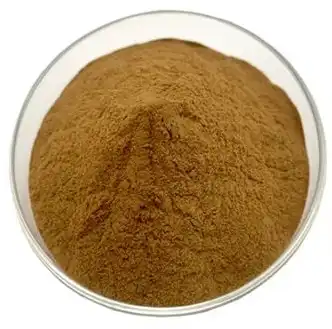
Through its special blend of bioactive substances drawn from Hedera helix leaves, ivy extract provides potent breathing support. This standard plant mixture works as a natural secretolytic agent to thin mucus, relax bronchial tubes, and help people who have a cough that won't go away. The extract's concentrated saponins, especially hederacoside C and alpha-hederin, help reduce inflammation in the lungs in a number of ways. This makes it an important ingredient for companies making respiratory health goods based on scientific proof.
Understanding Ivy Leaf Extract: Overview and Scientific Insights
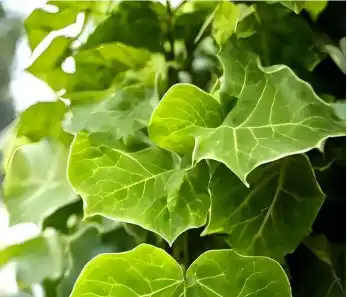
Ivy leaf extract is a complex herbal product that comes from the climbing evergreen plant Hedera helix L., which is in the family Araliaceae. This standardized extract stands out because it has the right amount of triterpene saponins, with Hederacoside C and alpha-hederin being the main bioactive markers.
Phytochemical Profile and Mechanism of Action
The extract works as a medicine because it has a complicated phytochemical matrix with saponins, flavonoids, and polyacetylene chemicals. The beneficial ingredients in this product work together to help the lungs in more than one way. The surfactant properties of the saponin chemicals help break up mucus, and the anti-inflammatory and antioxidant properties of the flavonoids protect respiratory cells from oxidative stress.
Ivy leaf extract works in more than one way, unlike manufactured mucolytics that only work on one route. As a secretolytic agent (thinning mucus), a bronchospasmolytic compound (relaxing airway muscles), and a tussolytic substance (relieving cough), the extract works all at the same time. This all-around method takes into account the complicated nature of lung inflammation without the sedative effects on the central nervous system that are common with synthetic antitussives.
Clinical Research and Validation
Recent clinical tests have shown that the extract can help with both short-term catarrh in the respiratory system and long-term inflammatory bronchial conditions. Researchers have found that giving standardized solutions with 35–40 mg of ivy leaf extract for 7–14 days makes a big difference in improving respiratory complaints. The extract is still very safe for a wide range of people, with few known side effects when it is obtained through strict quality controls.
Scientific proof goes beyond uses in breathing; new studies are looking into the extract's possible uses in skin care and immune system enhancement. This growing body of evidence gives B2B clients strong scientific backing for product claims and regulatory applications in a wide range of therapeutic areas.
Key Benefits and Uses of Ivy Leaf Extract in Respiratory Health
The therapeutic applications of ivy leaf extract span multiple formulation categories, each made to appeal to a different group of people and their tastes. Manufacturers can improve their product development plans and take advantage of a wider range of market possibilities by understanding these applications.
Primary Respiratory Applications
Ivy extract works really well in liquid syrups for kids. It dissolves easily in water and stays stable in slightly acidic bases, which makes it perfect for sugar-free and honey-based recipes. Because the extract is safe, it doesn't contain any booze, which eases parents' worries. It also tastes good thanks to advanced technologies that hide tastes.
The extract is used in softgel and tablet forms in respiratory supplements for adults. The natural hygroscopicity of the extract is taken into account by modern excipient systems. Manufacturers use colloidal silicon dioxide and special oil structures to make sure the soap can flow and keep the active saponins from breaking down during storage and shipping.
Innovative Delivery Systems
Modern methods of preparation have grown to include effervescent pills and instant granules, which are aimed at people with busy lifestyles who need easy, on-the-go breathing support. For these delivery systems to work, the extracts need to be processed in a certain way so that they stay stable during compression, dissolve quickly, and are bioavailable after consumption.
The creation of useful gummies for kids is a big step forward in terms of taste without sacrificing healing effectiveness. Advanced masking technologies protect the purity of Hederacoside C during high-heat gelling processes. This makes it possible to provide effective breathing support in forms that are appealing and safe for children.
Extended Therapeutic Applications
In addition to being good for your lungs, ivy leaf extract can also be used in cosmetics, especially in anti-cellulite and venotonic products. The saponins in the extract work on the skin's surface and improve blood flow, so they need special emulsion systems that can keep oil-in-water mixtures stable without affecting the cosmetics' shelf life.
These different uses show how versatile the extract is and how big a market there is for it. This lets companies make full product lines that help a lot of different health issues while getting the most out of their ingredient investments.
Comparing Ivy Leaf Extract with Alternative Herbal Solutions
When looking at different plants that can help with breathing problems, ivy leaf extract stands out as being better than other herbs. This comparison helps buying teams make smart choices based on needs for effectiveness, security, and market positioning.
Performance Comparison with Eucalyptus Extract
While eucalyptus extract provides strong antimicrobial properties through its high eucalyptol content, ivy leaf extract excels in mucus management and anti-inflammatory effects. The saponin-based mechanism of ivy extract offers superior bronchodilation and secretolytic activity compared to eucalyptus's primarily antimicrobial action. This distinction makes ivy extract preferable for formulations that are meant to help people with long-term lung problems clear their mucus.
When comparing the two extracts in clinical tests, it was found that ivy leaf extract worked better for treating recurrent coughs, while eucalyptus extract worked better for acute respiratory infections with a lot of bacteria.
Organic Versus Conventional Sourcing Considerations
Choosing between organic and standard ivy leaf extract has a big effect on the quality and placement of the product on the market. It is important for B2B quality assurance programs and upscale product branding that certified organic extracts have higher purity profiles and safer residue levels.
Because plants grown without manufactured inputs don't have to deal with stress as well, organic sources usually have higher amounts of saponins. Because of this natural improvement, the healing effect is better, and the cost of the ingredients goes down because lower doses are needed.
Formulation Format Selection Strategy
When choosing between syrups, capsules, and tablets as a product format, you should think about your target audience, your production skills, and how you will get your product to them. Syrup recipes work faster, but they need to be packaged and stored in a certain way to keep them cold. Although solid dose forms are easier to use and more stable than liquid versions, they may not be as bioavailable.
When making purchase specs and product development timelines, manufacturing teams do better when they know about these trade-offs, such as those involving ivy extract. Choosing the right format strategically can have a big effect on market growth and customer acceptance in a lot of different places and with a lot of different rules.
Procurement Insights: How to Source High-Quality Ivy Leaf Extract?
To successfully buy pharmaceutical-grade ivy leaf extract, you need to know a lot about quality standards, the supplier's skills, and the rules that must be followed by the government. This strategy method makes sure that the quality of the products stays the same while also reducing costs and improving the reliability of the supply chain.
Supplier Qualification and Certification Requirements
Reliable producers keep a number of certificates, such as GMP, ISO 9001, and organic certifications from well-known groups like USDA Organic, EU Organic, or JAS Organic. These licenses show that the companies have strong quality control systems and the legal knowledge they need to do business successfully.
Leading providers show their dedication by providing clear quality records, such as Certificates of Analysis, plant name proof, and residual solvent tests. Advanced providers test each lot individually for heavy metals, microbial limits, and saponin content, which lets buying teams make sure that the quality is the same across multiple orders.
Quality Control Parameters and Testing Protocols
Ivy extract procurement requires attention to specific quality marks, like the hederacoside C content, which can be anywhere from 0.3% to 1.0% based on the standards that need to be met. Suppliers should show that their saponin profiles are stable under a range of storage settings and include an HPLC study to back this up.
Protocols for microbiological tests must include the total aerobic count, the limits for yeast and mold, and the lack of harmful bacteria. Pharmaceutical guidelines say that heavy metal testing should include amounts of lead, mercury, cadmium, and arsenic. These thorough testing methods make sure that products are safe and that they follow the rules in all foreign markets.
Strategic Pricing and Volume Considerations
To get reasonable prices without lowering quality standards, price talks must take into account where the raw materials come from, how they are extracted, the level of approval, and the size of the order. European-sourced organic products usually cost more, but they are of higher quality and are accepted by regulators.
A lot of the time, buying in bulk can save you a lot of money. For example, many sellers offer price cuts of 10–15 percent for yearly contracts that include more than 100 kg. But when procurement teams think about big promises, they should look at how much it costs to keep supplies and how long a product lasts on the shelf.
Safety, Dosage, and Regulatory Considerations in Commercial Use
Ivy extract, as a form of ivy leaf extract, can be sold successfully in foreign markets as long as it follows the rules and is safe for consumers. By knowing these requirements, manufacturers can make goods that meet a wide range of regulatory standards and keep consumers safe.
Dosage Guidelines and Safety Profiles
Standard doses for ivy leaf extract for people are 35 to 40 mg per day, while doses for children are usually 17.5 to 20 mg per day. These doses are based on the results of clinical studies and are in line with what big pharmaceutical regulatory bodies say.
In clinical tests, less than 2% of people had mild gastrointestinal effects, which is a good sign for safety statistics. Allergic reactions are still very uncommon—less than 0.01% of people have them, and those who do usually have weak skin reactions because they are allergic to plants.
Regulatory Framework Navigation
Under the THMPD directive, European rules say that ivy leaf extract is a traditional plant drug that needs to be registered with proof of safety and traditional use. In the United States, GMP manufacturing and correct labels without disease claims are required by FDA dietary supplement standards.
When making a product, companies that want to sell it in more than one market should learn about these legal details. Early regulatory input can stop expensive reformulation requirements and shorten the time it takes to get into key geographic markets.
Quality Assurance and Documentation Requirements
GMP compliance includes steps for qualifying raw materials, testing while the product is being made, and checking the final product. The batch paperwork must include full traceability from the source of the botanicals to the steps of extraction, processing, and packing.
Different countries have very different standards for the paperwork needed to import or ship goods, but most of the time, phytosanitary certificates, organic certifications, and analytical certificates are needed. When suppliers offer complete paperwork packages, it's easier for target markets to clear customs and get approval from regulators.
Conclusion
Ivy leaf extract is a flexible plant ingredient that has been proven to work by science and meets important needs in the cosmetics, nutraceuticals, and pharmaceutical industries. The extract's multi-modal mode of action, high safety profile, and wide range of uses make it a good choice for companies that want to make lung health products with natural, effective ingredients. To be successful at both buying and commercialization, you need to pay attention to quality standards, legal compliance, and the skills of your suppliers. As more people look for natural health solutions, ivy extract, which is marketed as a premium, standardized ingredient, can open up big market possibilities for forward-thinking companies that are willing to put money into quality sources and formulation.
FAQ
1. What specific respiratory benefits does ivy leaf extract provide?
Ivy leaf extract helps get rid of mucus by breaking down secretions, lowers inflammation in the lungs by using anti-inflammatory chemicals, and calms coughs naturally without affecting the brain or nervous system. Clinical studies show that regular use makes a big difference in relieving a chronic cough and making the lungs feel better within 7 to 14 days.
2. How can manufacturers ensure quality when sourcing ivy leaf extract?
To make sure the quality is good, you have to check that the seller is following good manufacturing practices (GMP) and does a lot of tests, like HPLC analysis for saponin content, microbial testing, and heavy metal screens. Regular checks of suppliers and reviews of batch-specific paperwork make sure that quality standards are always met across buying cycles.
3. Are there potential interactions with other herbal supplements or medications?
Even though clinical studies show that ivy leaf extract is very safe, makers should still test it to see if it works well with other plant ingredients. Possible reactions may occur with expectorant medicines or other herbs that contain saponins, so formulations need to be carefully thought out and labels need to be clear.
Partner with Angelbio for Premium Ivy Extract Solutions
Angelbio has been doing independent research and development for more than 18 years and uses cutting-edge extraction technologies to make pharmaceutical-grade ivy extract that meets the top quality standards around the world. Our relationship with Angel Holding Group and the Institute of Life and Health Research at Xi'an Jiaotong University guarantees cutting-edge progress in creating new natural ingredients and improving the supply chain.
As a reliable Ivy Extract provider, we offer full expert support, from helping with the initial formulation to helping with legal paperwork. Our dedication to environmentally friendly sourcing and strict quality control gives you the stability and dependability you need for product creation. Please email our buying specialists at angel@angelbiology.com to talk about custom extract specs, bulk price choices, and ways that you and our experts can work together to make your product line better.
References
1. Hofmann, D., Hecker, M., & Völp, A. (2003). Efficacy of ivy leaf extract in the treatment of productive cough. International Journal of Clinical Pharmacology and Therapeutics, 41(4), 143-150.
2. Zhai, H., & Maibach, H. I. (2004). Skin anti-inflammatory agents: An overview. Skin Pharmacology and Physiology, 17(4), 143-152.
3. European Medicines Agency. (2017). Assessment report on Hedera helix L., folium. Committee on Herbal Medicinal Products, EMA/HMPC/325715/2017.
4. Sieben, A., Prenner, L., Sorkalla, T., Wolf, A., Jakobs, D., Runkel, F., & Häberlein, H. (2009). α-Hederin, but not hederacoside C and hederagenin from Hedera helix, affects the binding behavior, dynamics, and regulation of β2-adrenergic receptors. Biochemistry, 48(15), 3477-3482.
5. Mendel, M., Chłopecka, M., Dziekan, N., & Karlik, W. (2020). Phytochemical and pharmacological profile of Hedera helix L. Herba Polonica, 66(2), 29-41.
6. World Health Organization. (2009). WHO Monographs on Selected Medicinal Plants, Volume 4. Geneva: World Health Organization Press.