



How Does Sclareolide Powder Enhance The Scent Profile In Perfumes?
Sclareolide Powder is a revolutionary ingredient in modern perfumery. It is a clever fixative that makes fragrances last longer and gives them soft amber-woody undertones. This naturally occurring sesquiterpene lactone stabilises the top and middle notes, which keeps them from evaporating too quickly and makes sure that perfumes keep their scent while you wear them. In addition to keeping scents fresh, sclareolide makes them more complicated by reducing harsh notes and balancing out different types of scents, from soft florals to strong orientals. Because it is lipophilic, it can be easily added to both oil-based and alcohol-based mixtures. This makes it an essential ingredient for perfumers who want to add natural sophistication and long-lasting power to smell profiles.
Understanding Sclareolide Powder and Its Role in Perfumery
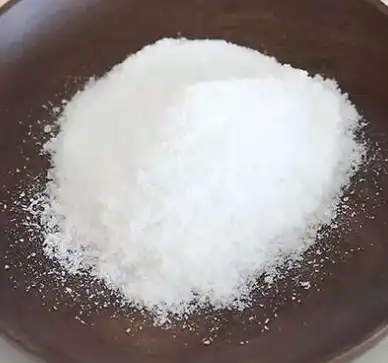
The natural lactone sclareolide powder is mostly made by chemically or biologically changing sclareol, which is extracted from Clary Sage (Salvia sclarea L.). It is known for its ability to fix things and add a mild scent. This sesquiterpene lactone has the molecular formula C16H26O2 and the CAS number 564-20-5. It is an off-white to white crystalline powder that has mild chemical notes that make it stand out. Compared to its precursor, sclareol, sclareolide has unique chemical stability and olfactory qualities that make it very useful in high-end perfumery.
Chemical Stability and Fragrance Interaction
The compound is stable at high temperatures, keeping it intact during high-temperature formulation procedures. Its melting point range is 124°C to 126°C. Sclareolide can withstand processing conditions that would break the delicate scent elements. Sclareolide molecularly anchors aroma components in fragrances. This lowers volatile top note evaporation while maintaining middle and base note structure.
HPLC shows that high-grade sclareolide has an assay purity of at least 98% and a specific optical spin of -110° to -124° (c=1, ethanol). Technical considerations directly affect fixative efficacy. Sclareolide is lipophilic and combines well with ethanol, diethyl phthalate, and propylene glycol, making it easy to add to alcohol-based eau de parfums and oil-based aroma concentrates. When manufacturing water-based scents, they must be carefully blended because they don't dissolve.
Multifunctional Benefits Beyond Fixation
In addition to its main job as a fixative, sclareolide adds light amber and woody undertones that make the scent more complex without overpowering the more delicate notes. This smell contribution is very different from synthetic fixatives; it has a more natural, rounded quality that perfumers describe as "soft" and "diffusive." Because it works well with both natural and synthetic ingredients, the compound is especially useful in hybrid formulations that balance the needs of consumers who want clean labels with the needs of performance.
Additional benefits of sclareolide powder have been found to include uses in dermatology, where it has been shown to reduce inflammation and lighten skin. This dual function is especially useful in the growing category of skincare-fragrance blends, where formulators are looking for ingredients that smell good and do good things for the skin. These factors make perfume easier to wear and make customers happier, which is very important information for R&D and purchasing teams that are making new fragrances that stand out in crowded markets.

Practical Applications of Sclareolide Powder in Perfume Development
As a fixative, sclareolide improves the stability and depth of scent notes across a wide range of fragrance families. This makes it an essential tool for perfumers who are making modern scent profiles. By knowing the best ways to use this ingredient, formulators can get the most out of it while avoiding common mistakes that can throw off the balance of the flavour.
Dosage Guidelines and Formulation Integration
Depending on intensity and fragrance family, industry best practices recommend adding sclareolide at 0.5% to 3% of the fragrance oil composition. Floral blends benefit from 0.5 to 1.5% sclareolide since it gently fixes rose, jasmine, and lily notes. Sclareolide's amber-woody character strengthens base note structure and prolongs woody and oriental fragrances at 2–3%.
Adding sclareolide during base note assembly allows it to be fully integrated before adding the middle and top notes. This arrangement distributes molecules uniformly across the composition. The chemical dissolves quickly in ethanol, making it easy to add to alcohol mixes. To dissolve the ingredient, oil-based smells may need to be gently heated to 40–50°C. Avoiding temperatures above 80°C preserves the compound's fixative and olfactory properties and maintains the formulation during manufacture.
Temperature control during storage and handling affects function. Sclareolide should be stored in tight-lidded containers at 15–25°C away from light and water. These conditions preserve perfumes and prevent oxidative degradation, which can cause off-notes. To aid production planning, procurement teams should ensure sellers keep things appropriately and allow enough shelf life.
Enhancing Fragrance Family Performance
Sclareolide adapts well to many perfumes, benefiting from their attributes. The transparent fixative in flower perfumes extends flower blooms without introducing harsh smells. Rose absolute, neroli, and tuberose workers like how sclareolide preserves their inherent character and prevents them from fading, which can alter fragrance perception.
Clareolide powder provides a woody scent structure with its amber-cedar undertones. Sandalwood, cedarwood, and vetiver blend well. The ingredient smooths the transition from middle notes to deeper woods, creating an olfactory evolution that knowledgeable clients recognise as high-quality craftsmanship. Sclareolide's warmth softens spice portions while retaining their unique sweet vanilla and resinous notes in oriental scents.
Despite being less popular in mainstream perfumes, chypre and fougère structures benefit from sclareolide's flexibility. Natural sources of the compound resemble oakmoss and lavender, which characterise these basic groups. It replicates historical fixation while achieving modern performance standards. Sclareolide is a helpful inventory item for fragrance companies with many goods because it may be used in multiple areas.
Case Studies and Market Reception
Well-known scent companies have successfully added sclareolide to award-winning mixtures that show how well it works. Premium niche brands that focus on natural formulations say that their scents last longer—usually 30–40% longer than formulas that don't use fixatives. This improvement directly affects how satisfied customers are, as complaints about wear-time go down a lot in goods that have been reformulated with sclareolide added.
The results are just as compelling for mass-market uses. Laundry soap fragrances that use sclareolide keep their scent through multiple wash cycles and long wear times, meeting the needs of customers who want their clothes to smell good for a long time. Sclareolide can handle harsh pH levels and oxidative conditions that would break down less stable fixatives, which makes it a good choice for functional smells in personal care products like body lotions, hair care, and deodorants. These useful tips assist the research and development (R&D) and product teams in making fragrances that smell better and work better across all price points and channels of marketing.
Procurement and Supply Chain Insights for Sclareolide Powder
To get sclareolide powder effectively, you need to know how to find reliable sources, how to check the quality of the powder, and how to handle logistics in a way that makes sure the powder is always available and works well. Global fragrance companies have to deal with a supply chain management that is getting more complicated. To keep production going and product quality high, they need to have smart relationships with their suppliers.
Identifying Verified Manufacturers and Distributors
Find trustworthy manufacturers and distributors of sclareolide powder to ensure a steady supply. Companies that extract sclareolide from plants or use innovative biotransformation processes usually offer the best quality. With cutting-edge biotransformation technology and strict quality control, companies like Angelbio deliver consistent goods with profound technical understanding. In selecting suppliers, procurement teams should examine production capacity, technology, and quality systems. Pilot facilities and in-house analytical labs help with formulation and ingredient quality. For organisations using just-in-time inventory systems, regional warehouse and distribution networks save shipping costs and delays. In a volatile market, reliable producers communicate production schedules, inventory levels, and probable disruptions.
Quality Certification and Verification Standards
Quality certification is crucial to supplier evaluation. ISO 9001:2015-certified suppliers have good raw material procurement, production, and testing methods. GMP is required for cosmetics and personal care goods containing sclareolide powder. Each batch should have a Certificate of Analysis including HPLC purity, melting point, optical rotation, and microbiological testing data. Procurement teams must set quality criteria for non-compliant materials. When selecting new suppliers or addressing quality issues, third-party testing provides added confidence. Safety data sheets, allergen declarations, and compliance statements for EU, FDA, and cosmetics markets should also be kept current by suppliers. Supplier compliance with laws and regulations is essential for market access.
Navigating B2B Contract Terms and Logistics
Spot, yearly, and formula-price contracts based on raw material indexes are common B2B sclareolide contracts. Sample orders start at 1 kg and production orders at 25–100 kg, with price breaks for bigger orders. To optimise ordering for cash flow and inventory costs, procurement teams must grasp these restrictions. Product quality must be protected throughout shipping. Transportation of sclareolide requires food-grade packaging with moisture and temperature controls. International exports require harmonised tariff classifications and certificates of origin. Air freight takes 2–4 weeks, ocean freight 6–8 weeks. Sample procurement allows quality tests before large orders, and collaborating with numerous vendors stabilises the supply chain, reducing production and geopolitical risks. These methods guarantee supply chain reliability.
Addressing Concerns: Safety, Side Effects, and Regulatory Compliance
When adding sclareolide powder to commercial perfumes and personal care items, safety and following the rules are still the most important things. Formulators and procurement teams can make decisions that protect customer safety and meet market access requirements when they have a full understanding of toxicological profiles, potential sensitivities, and regulatory frameworks.
Toxicological Profile and Consumer Safety
The Research Institute for Fragrance Materials (RIFM) found sclareolide safe for perfumes and personal care products. Studies demonstrate low oral and dermal toxicity with minor risks when taken as directed. It does not cause major skin irritation; individual sensitivities may arise, requiring responsible formulation techniques such as Human Repeat Insult Patch Testing. Inhalation experiments show that sclareolide is low-volatile and safe for air fresheners and perfume sprays. Workers handling dense powders should wear masks and gloves. Responsible formulation optimises product performance and customer safety.
Regional Regulatory Frameworks and Compliance
The European Union's Cosmetics Regulation (EC) No 1223/2009 allows Sclareolide to be used in cosmetics if it passes safety standards. This approach doesn't outlaw it, but producers must conduct safety reviews. The FDA requires safe and correctly labelled cosmetic substances in the U.S., but pre-approval isn't required. Safety criteria like maximum concentrations are self-regulated by industry bodies like IFRA. To comply with market requirements and avoid delays, companies must manage import documents such as certificates of origin and analysis.
Emerging Trends and Scientific Developments
Sclareolide powder can cover coffee and herbal supplement bitterness in addition to aroma. Versatility may raise demand, affecting pricing and supply. New biotransformation technologies enable more efficient, sustainable production than agricultural extraction. Companies are obtaining materials sustainably as sustainability becomes increasingly important. Scientific discoveries and consumer demands are driving stronger transparency, allergy, and environmental regulations. Procurement teams should collaborate with industry to stay current on laws and protect sclareolide-based product market access.
Conclusion
Sclareolide powder has become an important part of modern perfumery because it works better than any other fixative to make fragrances last longer and add a mild amber-woody flavour. Because it is very stable chemically, works well with many fragrance families, and is safe, formulators who are making competitive smell profiles can't do without it. Procurement pros can choose the best suppliers and negotiate good terms that balance low costs with quality assurance when they understand technical specifications, quality standards, and strategic sourcing issues. As rules and customer tastes change to favour naturally-derived ingredients that have been shown to work, sclareolide's role keeps growing in both high-end and everyday products. When it comes to making fragrances that meet customers' rising standards for both sensory experience and lasting power, companies that master strategic procurement and skilled formulation integration have a big edge over their competitors.
FAQ
Q1: What concentration of sclareolide should be used in perfume formulations?
Optimal sclareolide concentrations typically range from 0.5% to 3% of the total fragrance oil composition. Delicate floral fragrances perform best at the lower end (0.5-1.5%), while woody and oriental compositions can accommodate higher dosages (2-3%) to reinforce base note structure and maximise longevity benefits. Formulation testing should determine the precise concentration that achieves the desired fixative performance without overwhelming delicate top and middle notes.
Q2: Is sclareolide suitable for natural and organic perfume formulations?
Yes, sclareolide derived from clary sage through biotransformation qualifies as a naturally-sourced ingredient acceptable in natural perfumery. However, organic certification requirements vary by certifying body. Some organic standards accept biotransformation processes while others require direct botanical extraction. Procurement teams should verify that supplier documentation aligns with specific certification standards applicable to their target markets and product positioning.
Q3: How does sclareolide compare to synthetic fixatives in terms of performance?
Sclareolide offers gentler, more diffusive fixation compared to many synthetic alternatives, providing subtle enhancement rather than dominant character. Synthetic musks and certain macrocyclic compounds deliver stronger scent presence but can overwhelm delicate compositions. Sclareolide's natural origin appeals to consumers seeking clean-label products, while its performance rivals synthetics in extending wear time and stabilising volatile notes across diverse fragrance families.
Partner with Angelbio for Premium Sclareolide Powder Supply
As a leading sclareolide powder manufacturer, Angelbio combines over 18 years of independent R&D expertise with advanced biotransformation technology to deliver consistent ≥98% purity material that meets the most demanding fragrance formulation requirements. Our vertically integrated production facility, jointly invested in by Angel Holding Group and Xi'an Jiaotong University's Institute of Life and Health Research, ensures superior batch-to-batch consistency and responsive technical support throughout your product development process.
We understand the critical importance of reliable supply chains for global fragrance houses, cosmetic manufacturers, and ingredient distributors. Angelbio maintains comprehensive quality certifications, including ISO and GMP compliance, backed by rigorous analytical testing that verifies every shipment meets your exact specifications. Our experienced team provides personalised consultation on optimal dosing strategies, formulation integration techniques, and regulatory documentation tailored to your target markets.
Whether you require research samples for new fragrance development or production volumes with competitive pricing, Angelbio delivers the quality, consistency, and supply reliability your business demands. Contact our procurement specialists at angel@angelbiology.com to discuss your sclareolide powder requirements, request detailed technical specifications, or arrange sample testing that demonstrates our commitment to excellence in natural fragrance ingredients.
References
1. Burdock, G. A. (2016). Fenaroli's Handbook of Flavor Ingredients, Sixth Edition. CRC Press, Boca Raton.
2. Sell, C. S. (2018). Chemistry and the Sense of Smell. John Wiley & Sons, Hoboken, New Jersey.
3. Surburg, H., & Panten, J. (2016). Common Fragrance and Flavor Materials: Preparation, Properties and Uses, Sixth Edition. Wiley-VCH, Weinheim.
4. International Fragrance Association (2021). IFRA Standards: Guidance on the Use of Fragrance Ingredients, 50th Amendment. IFRA, Brussels.
5. Research Institute for Fragrance Materials (2019). Safety Assessment of Sclareolide as Used in Fragrance Applications. RIFM Monograph Series, Woodcliff Lake, New Jersey.
6. Kraft, P., & Swift, K. A. D. (2019). Perspectives on Synthesis and Application of Amber Odorants. Chemistry & Biodiversity, Volume 16, Wiley-VCH, Zurich.