



What Are the Benefits of Glycyrrhizic Acid Powder for Skin and Health?
Its high-purity triterpenoid saponin Glycyrrhizic Acid Powder is good for your skin and overall health in many ways. Free radical neutralisation fights ageing and makes skin brighter, and anti-inflammatory and antioxidant properties soothe sensitive skin and minimise redness. In addition to treating skin problems, glycosyrrhizic acid helps the liver, immune system, and viruses work better. Global demand for natural, effective, clean-label nutraceuticals, cosmeceuticals, functional foods, and pharmaceuticals is met by this adaptable ingredient.
Understanding Glycyrrhizic Acid Powder: Nature, Chemistry, and Extraction
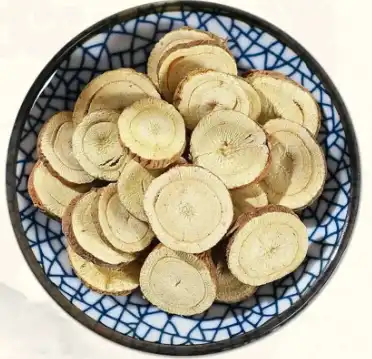
The roots and rhizomes of Glycyrrhiza glabra and Glycyrrhiza uralensis, two liquorice species with traditional use and recent scientific support, generate Glycyrrhizic Acid Powder, a complex phyto Saponin, a triterpenoid, has amphiphilic characteristics and consists of one 18β-glycyrrhetinic acid (aglycone) molecule and two glucuronic acid molecules. It may interact with lipophilic and hydrophilic environments due to its structure, making it suitable for varied formulation matrices.
Industrial Extraction and Quality Standards
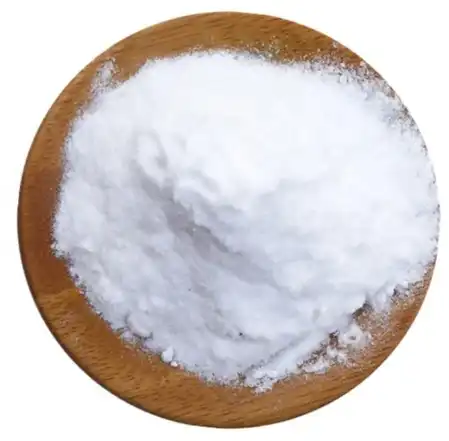
Today's solvent-based extraction methods are pharmaceutical-grade because they use chromatographic processing. Chemical tests using HPLC that need to be 95% or 98% pure and have tight control over 18²- and 18±-isomers are common for commercial standards. These tests affect biological availability and functional performance. Picking, removing, concentrating, and crystallising liquorice root in hot water or ethanol is done carefully to keep the structure. Polysaccharides, proteins, and other plant parts are removed by advanced suppliers using multiple stages of purification to ensure uniform quality and lower batch-to-batch variability for formulation scientists making standardised items.
Quality control methods include optical rotation measures (+49° to +54°), heavy metal screening, residual solvent analysis, and microbiological tests. Meets USP, EP, and JP monographs; these quality factors make regulatory approval easier across markets. The thermal stability up to 200°C of the material is good for heat processing. It can be easily broken down by highly acidic conditions (pH < 4), which can turn it into glycyrrhetinic acid.
Distinguishing Related Compounds
Understanding how glycyrrhizic acid varies from comparable substances like glycyrrhizin (the salt form), dipotassium, and ammonium helps procurement experts. Chemically identical, these variations have different solubility and bioavailability profiles that affect formulation efficacy. Cold water dissolves the acid form poorly, while hot water, ethanol, and propylene glycol do. Monoammonium and potassium salts have better aqueous solubility in cold-process formulations, making them better for cosmetic and beverage applications. Formulators can choose the best shape for processing conditions, release profiles, and end-product needs by understanding these details.
Core Benefits of Glycyrrhizic Acid Powder for Skin and Health
Its capacity to influence many metabolic pathways gives Glycyrrhizic Acid Powder dermatological and systemic health benefits. Research has confirmed its mechanisms of action, supporting its use in high-performance health and beauty products.
Anti-Inflammatory and Skin-Soothing Properties
As a "biological corticosteroid," glycocyrrhizic acid is known by researchers to have strong anti-inflammatory effects without the negative effects found in manufactured corticosteroids. The chemical protects the anti-inflammatory benefits of natural corticosteroids by blocking the enzyme 11β-hydroxysteroid dehydrogenase. This enzyme turns cortisone from inactive to active. This method works well for making formulas for skin conditions that are sensitive, reactive, or weakened, since regular anti-inflammatory drugs might break down or thin the barrier.
Chemical irritants and sunscreens cause redness and swelling; this bioactive material helps. According to scientific results, topical formulations with standardised concentrations reduce the appearance of redness and make the skin more comfortable within days of regular use. The substance changes prostaglandins and leukotrienes, which stop inflammatory cascades that make things look older and make barriers less effective. Formulation scientists use this chemical to help skin recover after surgery, skin that is prone to rosacea, or skin that is stressed from the environment, because it has soothing qualities that don't damage the skin.
Antioxidant and Anti-Aging Effects
Glycyrrhizic Acid Powder does more than just reduce inflammation. It also gets rid of reactive oxygen species that speed up cell ageing and damage the skin. The compound's ability to get rid of free radicals saves cell structures from oxidative stress. This helps the skin's natural repair systems and keeps collagen and elastin strong. Its antioxidant properties make it appealing to people who want to avoid ageing and to high-end anti-aging companies.
Scientists discovered that this organic chemical makes skin brighter and more even in tone. The chemical works by stopping tyrosinase, an enzyme that makes melanin, from doing its job. This helps with hyperpigmentation, age spots, and uneven skin tone. Glycyrrhizic acid doesn't irritate or make the skin sensitive; instead, it brightens and soothes the skin. This makes formulating products easier and the user experience better. Due to its antioxidant, anti-inflammatory, and brightening qualities, the substance is an important part of many skin care products that target different signs of ageing.
Systemic Health Support
When added to nutraceuticals and pharmaceuticals, glycyrrhizic acid supports systemic health. The chemical supports liver function by lowering enzyme elevation indicators and protecting hepatocytes from stress. These qualities have made glycyrrhizic acid a prominent active pharmaceutical component in liver health formulations, especially in botanical-based liver support markets with great consumer acceptance and clinical validation.
The chemical also modulates immunological responses without overstimulation. Research shows that glycyrrhizic acid affects cytokine synthesis and immune cell activity, overall immune system function. It inhibits viruses directly and boosts interferon activity, making it antiviral. Due to its systemic benefits, Glycyrrhizic Acid Powder is a valuable ingredient for functional food and beverage manufacturers making immune support, liver health, and comprehensive wellness products that address environmental stressors and lifestyle factors.
Safety and Dosage Considerations
Responsible formulation involves knowledge of glycyrrhizic acid dosage and contraindications. Topical concentrations range from 0.1% to 2%, depending on formulation goals and product category. These levels demonstrate advantages while preserving outstanding safety profiles for daily use items. Depending on the health benefit, clinical research and regulatory guidance determine oral supplement dosages. Formulators must consider the compound's mineralocorticoid-like actions when ingested in large amounts, which may affect electrolyte balance in vulnerable individuals.
Good sellers include scientific information with suggested use levels for different types of applications, stability data across formulation matrices, and information on how well the product works with common co-actives and excipients. With this technology, R&D teams can improve formulations in a way that is safe and successful throughout the whole lifecycle of a product. These traits help purchasing managers judge sellers and make sure that the materials they buy have the technical support needed for product development and to follow rules.
Application Comparisons and Market Use Cases
Different industries use Glycyrrhizic Acid Powder for different formulation issues and market positioning strategies. These applications reveal industry trends, competitive advantages, and product innovation opportunities for procurement personnel.
Cosmeceutical Formulations
Many skin care, anti-aging, and brightening products use Glycyrrhizic Acid Powder as an active element. There is one active ingredient that can treat inflammation, oxidative stress, and pigmentation, which makes formulation easier and supports clean-label placement. Cosmetic scientists like this ingredient's multipurpose profile. Since it doesn't change when the pH of a beauty product changes, the chemical can be mixed into emulsions, gels, serums, and dry formulas.
To meet informed customer performance criteria, natural cosmetic firms are replacing synthetic ingredients with this one. Plant-derived compounds are compatible with clean beauty trends and natural certification criteria, giving them marketing advantages in competitive beauty markets. Since batch consistency and compatibility with modern preservation technologies speed production and reduce formulation failures, OEM cosmetic manufacturers value the ingredient. Glycyrrhizic Acid Powder meets clinical claims and consumer satisfaction for makers of post-procedure skincare, reactive skin soothing mists, and professional brightening treatments.
Pharmaceutical and Nutraceutical Applications
The main part, Glycyrrhizic Acid Powder, is safe and has been shown to work in drugs. Studies on people have shown that chemicals in liver health products help keep liver enzymes at healthy levels and protect liver cells. When this happens, you have to use materials that are safe for drugs and follow strict quality rules, along with a lot of paperwork and Good Manufacturing Practice.
You can find it in products that boost health, fight free radicals, and boost the defence system. People like that the chemical comes from nature and has been used for a long time. Modern science also backs up what businesses say. It is simple to make useful vitamin mixes with glycyrrhizic acid and other plant products that have chemicals that help the immune system, act as adaptogens, or act as antioxidants. To make sure that the anti-inflammatory properties of the compound are used safely and successfully in sports nutrition, formulation experts have to compare the benefits to the amounts that are suggested.
Functional Food and Beverage Integration
Glycyrrhizic Acid Powder's bioactive and natural sweetening qualities help functional food and beverage manufacturers boost taste and function. Low-sugar formulations for health-conscious consumers benefit from the compound's sweetness intensity 30-50 times greater than sucrose without calories. The substance sweetens and hides bitter and metallic overtones in fortified beverages, protein drinks, and items with difficult flavour profiles containing vitamins, minerals, or botanical extracts.
Thermal stability lets the molecule endure pasteurisation and other heat-processing stages without deterioration, which food technologists like. Functional teas and sports drinks work consistently because of their functionality in high-ionic-strength beverage matrices. Antioxidant and immune-boosting characteristics allow beverage makers to make functional health claims, distinguishing them in crowded markets. The functional and formulation benefits of Glycyrrhizic Acid Powder shorten development timeframes and improve product performance for manufacturers of digestive health beverages, liver-supporting functional drinks, and immune-wellness injections.
Comparing Natural Extract Versus Isolated Compound
Choosing between whole liquorice extract and refined glycyrrhizic acid powder is common in procurement. This option affects formulation, regulatory classification, cost, and market position. Liquorice extracts contain glycyrrhizic acid and several phytochemicals, including flavonoids, polysaccharides, and volatile substances, which contribute to biological activity but also cause batch variability and standardisation issues. The complex composition of entire extracts may have synergistic effects, but makes quality control and product performance harder.
Standardised potency and batch-to-batch consistency are essential for pharmaceutical and cosmeceutical applications where regulatory agencies require consistency. Purified glycyrrhizic acid powder eliminates this variability. The concentrated quality of purified powder helps formulators to attain target activity levels with fewer quantities, potentially lowering formulation costs despite higher per-kilogram pricing. Purified chemicals may be classified differently from botanical extracts, affecting labelling, claims, and compliance documents. By understanding these trade-offs, procurement teams may choose the best material form for product requirements, market positioning, and regulations.
Procuring Glycyrrhizic Acid Powder: Insights for Global B2B Buyers
Buyers of Glycyrrhizic Acid Powder must assess supplier capabilities, quality documentation, supply chain reliability, and commercial terms that support long-term business goals. To assure material quality, regulatory compliance, and partnership value, informed buyers look beyond unit pricing.
Supplier Qualification and Quality Documentation
Good vendors give quality paperwork so buyers can check material specs and standards. Certificates of Analysis should comprise HPLC purity assays, identification tests (including optical rotation), residual solvent analysis, heavy metal screening, microbiological limits testing, and any other application-relevant characteristics. Materials Safety Data Sheets help workplace safety compliance and risk management by providing handling, storage, and transportation safety information.
Supplier quality management systems are further assured by third-party testing and certification. ISO, GMP, and organic certifications show customers that suppliers are committed to quality and reduce procurement risk. Regulated industry buyers should ensure that suppliers have extensive documentation systems that track materials from raw material procurement to final packaging to meet regulatory audit requirements.
Regional Sourcing Considerations
Global purchasers consider raw material quality, processing capacity, regulatory compliance infrastructure, and overall landed cost when sourcing. China is the world's largest supplier of liquorice root and has substantial botanical extract processing facilities, offering affordable cost and scalable output. Advanced quality procedures and international certifications make Chinese providers a reliable choice for cost-conscious consumers who value quality.
For individual buyers, other sourcing regions may offer advantages. Understanding regional regulatory frameworks, quality control, and supply chain logistics enables business-aligned strategic sourcing. In addition to unit cost, buyers should consider supply stability, lead times, minimum order quantities, and supplier technical support, which all affect long-term relationship value.
Commercial Terms and Supply Chain Logistics
Procurement agreements should consider several commercial aspects that affect TCO and operational efficiency. Suppliers require different minimum order amounts for pharmaceutical-grade and cosmetic-grade materials. Buyers can balance inventory carrying costs against procurement efficiency and pricing advantages at bigger volumes by understanding MOQ requirements. Packaging should protect materials from moisture, light, and contamination during storage and transport.
Payment terms, lead times, and delivery logistics affect inventory and cash flow. Buyers should confirm whether stated prices include packing, domestic shipping, export documentation, and other ancillary fees that affect total landing cost. Understand target market customs classification, import duty rates, and documentation requirements to avoid surprises and delays. Clear communication, technical assistance, and problem-solving mechanisms generate long-term partnerships that encourage mutual success.
Conclusion
Pharmaceutical, cosmetic, nutraceutical, and functional food makers seeking natural, multifunctional bioactives to overcome formulation issues and meet clean-label market trends can consider Glycyrrhizic Acid Powder. Its stable and compatible nature simplifies formulation development and ensures product performance, while its verified anti-inflammatory, antioxidant, and systemic health effects support functional claims. Successful procurement demands thorough supplier quality evaluation, comprehensive documentation, and contractual terms that support urgent material needs and long-term strategic goals. Understanding the compound's chemistry, usage, and sources can help procurement managers improve product efficacy, brand differentiation, and competitiveness in dynamic global marketplaces.
FAQ
Q1: How does glycyrrhizic acid powder improve skin health?
Glycyrrhizic Acid Powder delivers skin benefits through multiple mechanisms, including potent anti-inflammatory activity that reduces redness and soothes irritation, antioxidant effects that protect against environmental damage and visible aging, and tyrosinase inhibition that supports even skin tone and brightness. These combined actions make it valuable for sensitive skin formulations, anti-aging products, and brightening treatments.
Q2: What are safe usage levels for topical and oral applications?
Topical cosmetic formulations typically incorporate glycyrrhizic acid at concentrations between 0.1% and 2%, depending on product category and specific formulation objectives. These levels provide measurable benefits while maintaining excellent safety profiles suitable for daily-use products. Oral supplement applications follow dosage guidelines established through clinical research, with recommendations varying based on intended health benefits and target populations.
Q3: How can buyers verify glycyrrhizic acid powder quality and purity?
Quality verification relies on comprehensive documentation from suppliers, including Certificate of Analysis reports with HPLC purity assays exceeding 95% or 98%, identity confirmation through optical rotation measurements, residual solvent testing, heavy metal screening, and microbial limits testing. Third-party testing by independent laboratories provides additional assurance, while supplier certifications, including ISO and GMP standards, indicate robust quality management systems.
Partner with Angelbio for Premium Glycyrrhizic Acid Powder Supply
Angelbio stands as your trusted Glycyrrhizic Acid Powder supplier, combining over 18 years of independent research and development expertise with advanced production capabilities backed by Angel Holding Group and Xi'an Jiaotong University's Institute of Life and Health Research. Our pharmaceutical-grade material consistently exceeds 98% purity through rigorous HPLC testing, ensuring the quality consistency and batch reliability that formulation scientists demand. We maintain comprehensive international certifications supporting global compliance, provide complete documentation, including COA and MSDS for seamless regulatory processes, and offer flexible OEM and private labelling services tailored to your brand requirements. Reach out to angel@angelbiology.com today to discuss your specific procurement needs, request technical specifications, or explore collaborative development opportunities that leverage our formulation expertise and supply chain integration capabilities to strengthen your competitive position in natural ingredient markets.
References
1. Asl, M.N. and Hosseinzadeh, H. (2008). Review of pharmacological effects of Glycyrrhiza sp. and its bioactive compounds. Phytotherapy Research, 22(6), 709-724.
2. Pastorino, G., Cornara, L., Soares, S., Rodrigues, F. and Oliveira, M.B.P.P. (2018). Liquorice (Glycyrrhiza glabra): A phytochemical and pharmacological review. Phytotherapy Research, 32(12), 2323-2339.
3. Zhao, Z., Wang, W., Guo, H. and Zhou, D. (2015). Antidepressant-like effect of liquiritin from Glycyrrhiza uralensis in chronic variable stress induced depression model rats. Behavioural Brain Research, 294, 259-265.
4. Cosmetic Ingredient Review Expert Panel (2007). Final Report on the Safety Assessment of Glycyrrhetinic Acid, Potassium Glycyrrhizinate, Disodium Succinoyl Glycyrrhetinate, Glyceryl Glycyrrhetinate, Glycyrrhetinic Acid, and Methyl Glycyrrhetinate. International Journal of Toxicology, 26(Suppl 2), 79-112.