



How effective is apigenin for sleep?
Through its well-documented interaction with brain GABA-A receptors, Apigenin Powder supports sleep. This bioactive flavonoid, standardised to ≥98% purity by HPLC testing, promotes natural relaxation without the sleepiness of synthetic sleep aids. Clinical findings imply that apigenin speeds up sleep by regulating brain pathways that lower cortisol and increase calming neurotransmitter activity. This naturally-derived ingredient works reliably for health-conscious customers seeking herbal sleep remedies when manufactured properly with a suitable particle size and delivery mechanisms.
Understanding Apigenin Powder and Its Role in Sleep
Formulators and procurement professionals are exploring botanical substances with recognised modes of action due to the increased interest in natural sleep support. Apigenin Powder stands out for its neurological effects and extraction flexibility.
Botanical Origins and Extraction Methods
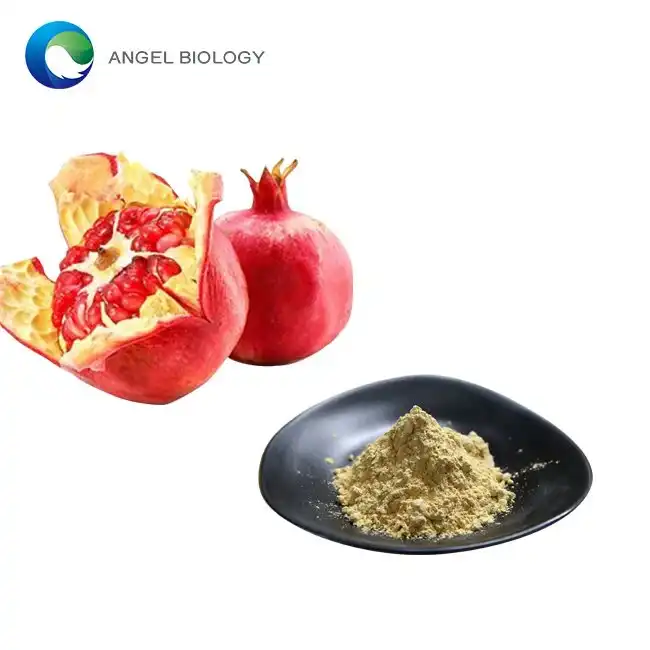
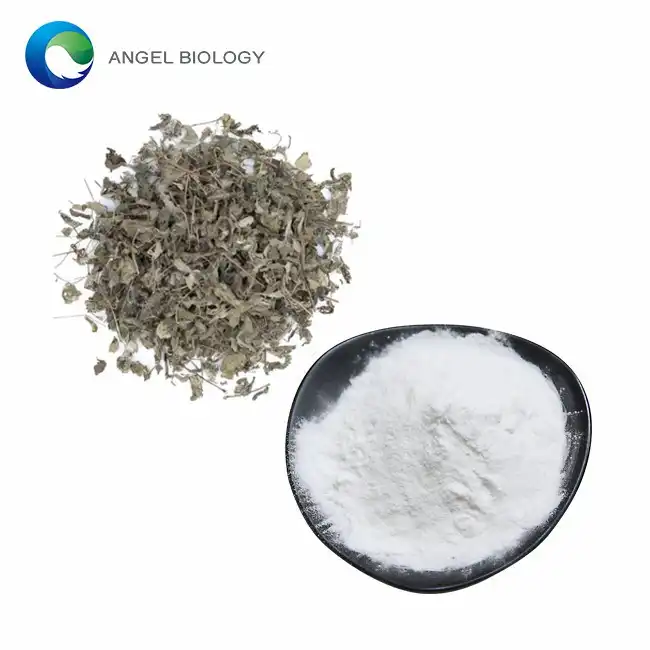
Parsley and German chamomile are the main sources of apigenin. Hydrolysis of glycoside linkages and specialised purification isolates the aglycone form. Advanced producers attain pharmaceutical-grade purity via column chromatography and recrystallisation. The resultant microcrystalline powder is light yellow to pale greenish-yellow and thermally stable at 345°C to 350°C.
Bioactivity is directly affected by extraction quality. Suppliers that use multi-stage purification can routinely achieve USP/EP contamination standards for heavy metals below 10ppm and sulphated ash below 0.5%. This refinement is especially useful when creating items for overseas markets with strict regulatory oversight.
Chemical Properties Contributing to Sleep Support
Apigenin (C15H10O5, molecular weight 270.24 g/mol) binds selectively to GABA-A receptors' benzodiazepine-sensitive regions via hydroxyl groups. This flavonoid gradually enhanced receptor receptivity to natural GABA neurotransmitters, unlike prescription sedatives that promote forced sleep. The chemical is lipophilic (LogP 2.58), which poses formulation problems and possibilities.
Due to its limited water solubility (1.35 µg/mL at normal temperature), specialised administration methods are necessary. Micronisation to particle sizes below 10 microns enhances absorption kinetics, whereas liposomal encapsulation can increase bioavailability by 300-400% above powder forms. These technological factors affect product development schedules and pricing structures, which procurement teams must consider while sourcing.
Scientific Evidence Supporting Sleep Enhancement
Over the past decade, several experimental models have shown apigenin's anxiolytic and sedative characteristics. A Journal of Ethnopharmacology study found that apigenin reduced sleep latency. The study ascribed this result to the compound's ability to bind directly to central benzodiazepine receptors without inducing reliance.
Another major study used polysomnography to explore apigenin's effect on sleep architecture. Subjects had longer slow-wave sleep periods, which are essential for memory consolidation and physical repair. Apigenin improves sleep quality by modulating neurotransmitters, unlike melatonin-based formulations that control circadian timing.
Academic research has examined the compound's ability to reduce stress-induced sleep disturbances. Chronically stressed people often have trouble sleeping due to high cortisol levels. In controlled experiments, apigenin supplementation significantly lowered cortisol, suggesting a dual mechanism that regulates sleep neurologically and hormonally.
Safety Considerations and Dosage Guidelines
Apigenin has a good toxicology profile when eaten within suggested limits. The standard sleep support dose is 50mg to 300mg 30-60 minutes before bedtime. The chemical interacts little with cytochrome P450 enzymes, decreasing metabolic interference with other drugs.
Multiple-month consumption trials have not found accumulation-related side effects or tolerance. Apigenin is different from pharmacological sleep aids that require increasing dosages. Quality-conscious consumers seeking functional improvement without trade-offs appreciate the lack of next-day cognitive impairment.
Supplier safety data sheets and allergy declarations should be checked by procurement specialists. Apigenin seldom causes hypersensitivity responses; source material impurities or manufacturing residues may damage sensitive individuals. Certificates of microbiological limits, pesticide screens, and solvent residue assessments from third parties ensure brand quality.


Comparing Apigenin Powder with Other Sleep Supplements
Understanding how Apigenin Powder compares to other sleep support chemicals helps formulators balance efficacy, consumer appeal, and production practicality.
Powder Versus Capsule Formulations
Powder vs. capsule distribution goes beyond convenience. Powdered apigenin has benefits for some applications. Bulk powder allows precision microdosing for personalised nutrition programs that vary dose amounts based on individual responses. The tiny particles of appropriately milled apigenin allow for consistent dispersion in functional beverage matrices, protein shake mixtures, and dissolvable tablets.
Encapsulation protects compounds from oxidative breakdown throughout shelf life. The dissolving behaviour of capsules causes absorption time variations relative to pre-dissolved powders. Vegetarian capsule shells require humidity control during manufacture to prevent brittleness, complicating quality control. Premium brands integrate both formats in their product ranges to let consumers choose based on lifestyle.
Powder forms give improved economies of scale at larger volume thresholds for procurement. Beyond 25 kg, bulk powder price becomes competitive, whereas capsule filling processes suffer from labour and equipment expenditures. Storage density estimates favour powder consolidation, decreasing warehouse costs and optimising inventory turnover for distributors with various product catalogues.
Chamomile Extract Comparison
Whole chamomile extracts are the typical way to get apigenin's bioactive characteristics. Apigenin, essential oils, mucilage chemicals, and flavonoids like luteolin are in these botanical medicines. Standardised chamomile extracts contain 1.2-2.5% apigenin, needing greater dosing doses to reach therapeutic limits.
Isolated apigenin powder eliminates variability inherent in agricultural source materials. Chamomile composition varies greatly depending on growth circumstances, harvest time, and post-harvest management. Chamomile extract formulation consistency is affected by apigenin levels, which can range from 1.8% to 1.3%. Pure apigenin standardised to 98% reduces this volatility, allowing consistent dosage across production cycles.
Sensory profile variations affect product acceptability. Chamomile extracts include bitter and herbal overtones that may or may not match flavour design goals. Isolated apigenin has no flavour influence at conventional inclusion levels, allowing formulation flexibility. Chamomile might conflict with intended flavour profiles like chocolate-flavoured protein powders or fruit-based functional drinks; this neutrality is useful when producing sleep support products.
Quercetin and Alternative Flavonoids
Apigenin and quercetin, another frequently used flavonoid, have similar structures but distinct pharmacological objectives. Quercetin is well-known for immunological regulation and cardiovascular support, but its sleep benefits are less well-known. Apigenin's specific affinity for GABA receptors makes it ideal for sleep support formulations.
Comparative bioavailability studies show considerable differences between these drugs. Quercetin has increased baseline solubility but significant first-pass metabolism, reducing systemic availability. Apigenin's metabolic stability lets more food reach target receptor sites intact. Formulations may need 3-4 times more quercetin to attain equivalent receptor occupancy levels due to pharmacokinetic variations.
Both chemicals protect cells through different processes, according to antioxidant capacity assessments. Apigenin's significant anti-lipid peroxidation action in neuronal membranes may contribute to its neuroprotective benefits beyond sleep support. Brands putting items in brain health categories rather than sleep aid categories gain from this multi-functional character.
Practical Applications of Apigenin Powder for Sleep in B2B Markets
High-purity apigenin may be integrated into several product categories, each with its own formulation issues and commercial prospects.
Nutraceutical Sleep Formulations
Sleep-focused apigenin compounds are most often utilised in dietary supplements. Composite "sleep stack" formulations with complementary mechanisms include the chemical effortlessly. Apigenin is often combined with magnesium threonate, L-theanine, and glycine to promote CNS magnesium levels, GABAergic activity, and sleep onset thermoregulation.
Synergistic formulations may outperform single-ingredient methods by addressing sleep issues through numerous mechanisms. Stability across chemically different substances is the technological problem. Because apigenin is lipophilic, it may interact with excipients or binding agents, requiring thorough compatibility testing during product formulation.
Apigenin Apigenin Powder makes up 50–100mg per serving of capsule fill formulations, usually 10-15% of the powder blend. Flow agents like silicon dioxide facilitate powder handling during encapsulation while eliminating hygroscopic substances, reducing caking during storage. Tablet compression and disintegration patterns must be considered for consistent release kinetics.
Functional Beverage Applications
Apigenin integration in functional beverages has promising development potential; solubility issues must be addressed. Hydrocolloid suspension systems with micronised apigenin particles can provide stable hazy drinks with consistent shelf life. Matrixes made of gum acacia, modified starches, or specialised emulsifiers reduce particle concentration and sedimentation.
Apigenin-enhanced ready-to-drink relaxation drinks for nighttime use are logical. These products offer functional advantages without drunkenness or calories, competing with alcohol. Testing for carbonation compatibility is needed since some stabilisation systems fail at CO2 pressure. Flavour systems must balance sensory appeal and suppress active chemical bitterness.
Powdered beverage mixes for home use reduce stability issues and give better value. Using single-serve stick packets of apigenin with flavouring, sweeteners, and complementary botanicals makes sleep preparation easier. Coloured powders made with natural colourants like beets or spirulina boost value and stand out on store shelves.
Fortified Food Integrations
Apigenin in food matrices makes it accessible to non-supplement users. Functional chocolate squares, improved granola bars, and speciality nut butters are new bioactive delivery methods. Fat-based matrices may absorb apigenin better than water-based ones due to its lipophilic characteristics.
Extended heat exposure might destroy sensitive chemicals; baking stability must be verified. Apigenin retention studies under simulated baking settings (180°C for 20 minutes) assist in optimising inclusion rates for processing losses. Encapsulation methods safeguard apigenin during heat processing, allowing its integration into baked foods without potency loss.
Transitioning from supplements to ordinary food complicates regulatory compliance. Limits on concentration, labelling, and structure-function claims differ by jurisdiction. Early regulatory consultation saves costly reformulation once compliance holes are found later in product development.
Formulation Best Practices
Apigenin-containing products need various formulation principles to work well. Particle size distribution greatly affects bioavailability and dissolution. Micronisation to D90 values below 10 microns improves absorption kinetics. Spray-drying or fluid-bed processing gives particles uniformity and improved flow.
Moisture management during manufacture and storage avoids hydrolysis and preserves Apigenin Powder handling. Apigenin formulations should aim for a moisture content < 1% by drying test loss. Packaging with adequate moisture vapour transfer rates protects items in humid storage situations seen in some markets.
pH affects liquid stability and gastrointestinal dissolution. Apigenin is more stable at pH 5.0-7.0, influencing beverage buffer selection. Alkaline circumstances greatly improve the compound's low water solubility; taste and physiological tolerance must be considered.
Conclusion
Apigenin powder is a promising ingredient for scientifically backed natural sleep support products. GABA-A receptor modulation is its well-known mechanism, which appeals to knowledgeable customers seeking pharmaceutical alternatives. The compound's safety, lack of tolerance, and low next-day effects address typical sleep aid issues. Procurement experts assessing apigenin should prioritise suppliers with third-party testing, thorough certifications, and open communication. As herbal sleep treatments become more popular, apigenin formulations provide differentiation potential in supplements, drinks, and functional foods.
FAQ
Q1: What is the optimal apigenin dosage for sleep support?
Research literature and commercial formulations typically employ dosages between 50-300mg taken 30-60 minutes before intended sleep time. Individual responses vary based on body weight, metabolism, and sensitivity to GABAergic compounds. Starting with lower doses (50-100mg) allows assessment of personal response before increasing to higher ranges. Consistent timing helps establish routine neurological signalling patterns that may enhance effectiveness over several weeks of regular use.
Q2: Does apigenin cause dependency or tolerance with long-term use?
Available evidence suggests apigenin does not trigger dependency mechanisms common to benzodiazepine pharmaceuticals despite interacting with similar receptor sites. Its action as a positive allosteric modulator rather than a direct agonist explains this favourable profile. Studies examining chronic administration over several months have not documented tolerance development requiring dose escalation. Users can typically discontinue apigenin without experiencing withdrawal symptoms or rebound insomnia effects.
Q3: How can buyers verify apigenin purity and authenticity?
Legitimate suppliers provide Certificates of Analysis from accredited third-party laboratories, including HPLC chromatograms confirming identity and purity levels. Mass spectrometry data offer additional structural confirmation. Buyers should request multiple batch CoAs to assess consistency across production runs. Physical inspection of powder colour, particle size uniformity, and absence of foreign matter provides preliminary quality indicators. Reputable vendors welcome audits and maintain comprehensive quality documentation accessible to qualified customers.
Partner with Angelbio for Premium Apigenin Powder Supply
Angelbio brings together 18 years of specialised experience in natural ingredient development with advanced research capabilities rooted in our partnership with the Institute of Life and Health Research of Xi'an Jiaotong University. Our Apigenin Powder consistently meets pharmaceutical-grade specifications with ≥98% purity verified through independent HPLC testing, supported by comprehensive documentation including GMP certification and full traceability from botanical source through final packaging. We understand that formulators require more than just ingredients—you need reliable partners who provide technical support, flexible order quantities, and responsive communication throughout product development cycles. Our team can assist with solubility optimisation strategies, stability testing protocols, and regulatory documentation tailored to your target markets. Contact our procurement specialists at angel@angelbiology.com to discuss your specific requirements, request sample materials for evaluation, or explore volume pricing as an Apigenin Powder supplier committed to advancing your product innovation goals.
References
1. Salehi, B., Venditti, A., Sharifi-Rad, M., Kręgiel, D., Sharifi-Rad, J., Durazzo, A., ... & Martins, N. (2019). The therapeutic potential of apigenin. International Journal of Molecular Sciences, 20(6), 1305.
2. Zanoli, P., Avallone, R., & Baraldi, M. (2000). Behavioral characterization of the flavonoid apigenin in rodents. Phytotherapy Research, 14(8), 644-648.
3. Gupta, A., Birhman, K., Raheja, I., Sharma, S. K., & Kar, H. K. (2016). Apigenin: a molecule with diverse therapeutic potential. Journal of Food Biochemistry, 40(1), 82-94.
4. Sloley, B. D., Urichuk, L. J., Tywin, C., Coutts, R. T., Pang, P. K., & Shan, J. J. (2000). Comparison of chemical components and antioxidant capacity of different chamomile species. Journal of Pharmacy and Pharmacology, 52(3), 361-366.
5. Walle, T., Otake, Y., Brubaker, J. A., Walle, U. K., & Halushka, P. V. (2001). Disposition and metabolism of the flavonoid apigenin in humans. Drug Metabolism and Disposition, 29(11), 1432-1438.
6. Avallone, R., Zanoli, P., Puia, G., Kleinschnitz, M., Schreier, P., & Baraldi, M. (2000). Pharmacological profile of apigenin, a flavonoid isolated from Matricaria chamomilla. Biochemical Pharmacology, 59(11), 1387-1394.