



Phosphatidylserine Powder in Capsules, Drinks, and Functional Foods
B2B cognitive health product producers need the phospholipid ingredient Phosphatidylserine Powder. This naturally occurring substance, found in brain tissue membranes, is popular in hard capsules, functional drinks, and fortified dairy products. We understand the technical challenges R&D directors and formulation managers have in finding compounds with consistent bioactivity and stability across production processes. This handbook covers ingredient selection, supplier evaluation, and formulation optimisation.
Understanding Phosphatidylserine Powder and Its Benefits in Functional Products
The neurological health industry has grown rapidly, with Phosphatidylserine Powder becoming a key element in cognitive support formulas. This phospholipid molecule readily integrates into cell membrane structures, especially brain tissue, supporting neurotransmitter transmission and signalling pathways.
Adults with age-related cognitive decline can increase memory recall and processing speed by taking 300-400mg of phosphatidylserine daily, according to clinical nutrition journal research. These findings qualify the chemical as a health claim contender under FDA rules, providing businesses a marketing edge.
Cognitive Enhancement Mechanisms
When making nootropic supplements, we must consider phosphatidylserine's cellular activity. Acetylcholine, a learning and memory neurotransmitter, is increased by the molecule. Phosphatidylserine enhances brain function without reliance or tolerance, unlike stimulant-based cognitive enhancers.
Amphiphilic, water- and fat-soluble, the substance crosses the blood-brain barrier easily. This bioavailability makes it helpful for supplement producers seeking proven compounds.
Synergistic Formulation Opportunities
For full cognitive assistance, product makers blend phosphatidylserine with complementary nootropics. Fish oil omega-3s strengthen cell membranes, whereas phosphatidylserine boosts signalling. Ginkgo biloba extract enhances brain nutrition transport through vascular support.
We've found that phosphatidylserine, L-theanine, and moderate caffeine dosages generate mental clarity without stimulant jitteriness. This blend caters to consumers seeking clean-label ingredients and job productivity.
Application Across Product Formats
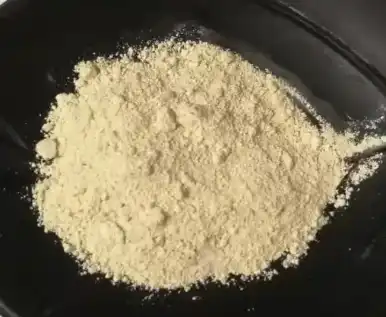
Different distribution modalities need different formulations. High-speed encapsulation of hard capsules requires powders with good flow. A typical bulk density range of 0.35-0.65 g/ml enables fill weight uniformity without bridging in automated equipment.
Because phosphatidylserine lowers exercise-induced cortisol, sports nutrition firms include it in post-workout recovery powders. When hard exercise causes catabolic stress, this phospholipid helps sustain muscle repair anabolic conditions. These complex mixes contain hygroscopic components like citrulline malate and beta-alanine, yet micro-encapsulation protects the substance.
Functional beverage makers struggle with flavour masking and dispersion stability. Phosphatidylserine powder is water-insoluble, but it produces stable emulsions with surfactants and high-shear mixing. Phospholipid flavour needs careful formulation with natural flavouring systems to retain consumer approval in ready-to-drink formats.
Comparative Analysis for Procurement and Product Development
Understanding the technical differences between phosphatidylserine grades and other cognitive compounds is essential for informed sourcing. While meeting quality standards, procurement teams must balance efficacy, manufacturing compatibility, and cost.
Source Material Considerations
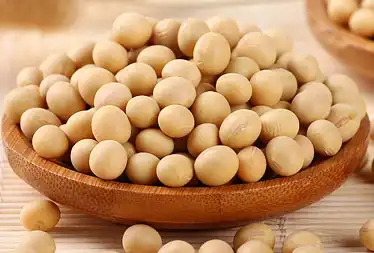
Soy or sunflower lecithin can be converted into phosphatidylserine enzymatically. Due to its non-GMO and allergen-free characteristics, sunflower-derived products are popular. Enzymatic production reduces stability-affecting contaminants such as phosphatidic acid in phospholipid profiles.
To ensure oxidative stability, seek specific certificates of analysis that define phosphatidylserine content (usually 20%, 50%, or 70% by weight) and peroxide levels below 5 meq/kg. Sunflower-derived products have more oleic acid than soy-derived ones.
Price-Performance Analysis
Bulk phosphatidylserine powder prices vary greatly on concentration and certification. Standard 20% powder concentrates are affordable for mass-market supplements, whereas premium 70% concentrates cost more but offer formulation benefits in space-constrained capsules.
Organic certification boosts prestige but raises raw material prices. This distinction benefits brands seeking health-conscious, high-paying consumers. Value-oriented sports nutrition producers may prioritise functional effectiveness above organic claims.
The decision matrix for phosphatidylserine against other nootropics goes beyond ingredient pricing. Bacopa monnieri extract and lion's mane mushroom powder cost less per kilogram but require greater doses and longer supplementation periods to improve cognition. Phosphatidylserine works within weeks at lower daily dosages, improving customer satisfaction and repeat purchases.
Packaging and Logistics
B2B providers sell phosphatidylserine powder in 25kg fibre barrels with polyethylene liners to prevent moisture entry. Its considerable hygroscopicity requires climate-controlled storage below 25°C and relative humidity under 60%. Nitrogen-flushed packaging reduces inventory risk for variable production schedule manufacturers.
We recommend negotiating minimum order quantities that match production planning cycles. Some vendors allow smaller first orders for product development testing before full production. This flexibility is crucial for validating ingredient performance in your formulation matrix.
Selecting the Best Phosphatidylserine Powder Supplier for B2B Needs
Supplier selection is crucial to product quality, regulatory compliance, and brand reputation. The phospholipid ingredient category requires more than price comparisons.
Essential Quality Certifications
Reliable producers have GMP accreditation, proving they follow quality standards that avoid contamination and provide batch-to-batch uniformity. Sports nutrition manufacturers worried about forbidden substance contamination can benefit from NSF International and Informed-Sport certifications.
USDA or EU organic certification demands traceability from the lecithin source to final production. Please require detailed chain-of-custody documents during supplier evaluation to verify claims before making purchase commitments.
Third-party laboratory testing by independent facilities adds credibility to supplier quality claims. HPLC-ELSD phosphatidylserine verification, pathogen-free microbiological testing, and California Prop 65 heavy metal screening should be included in certificates of analysis.
Evaluating Technical Support Capabilities
Partners with substantial application knowledge give formulation help in addition to compatible raw ingredients. Technical support teams should advise on bioactivity-preserving processing conditions, ingredient compatibility, and consumption levels.
Angelbio's collaborative product development method shows this cooperation approach. Our R&D team optimises formulations with customers using over 18 years of independent research skills from Xi'an Jiaotong University's Institute of Life and Health Research. We provide stability testing data for your production environment under varied temperature and humidity conditions.
Sample Evaluation Protocol
Before ordering manufacturing, smart procurement teams obtain samples. Examine organoleptic properties (appearance, odour), basic dissolution tests in your formulation matrix, and technical standards versus supplier paperwork.
We recommend making small trial batches with sample material to detect processing issues before ramping up. Clumping during powder blending, inadequate liquid dissolving, and unanticipated flavour influences are discovered throughout these tests. Avoid costly production disruptions by addressing these risks during development.
Supply Chain Reliability
Availability is as important as quality. Vertically integrated suppliers from lecithin procurement to enzymatic conversion decrease interruption risks and improve inventory control. Angelbio stockpiles essential raw materials to offset agricultural supply fluctuations that might affect lecithin availability.
Global logistics guarantee timely delivery, independent of production location. Suppliers who know international shipping documentation, customs categorisation, and temperature-controlled transit reduce production delays.
Trends and Innovations in Phosphatidylserine Powder Applications
Functional ingredients are rapidly changing due to consumer health trends and technology advances that enhance application options. Keeping up with these advancements helps companies compete.
Enhanced Bioavailability Technologies
Recent improvements improve phosphatidylserine absorption using sophisticated delivery techniques. Liposomal encapsulation creates submicron particles that improve intestinal absorption using the ingredient's natural phospholipid structure. These formulations have better plasma concentration curves than powder administration.
Synergistic phytosome complexes of phosphatidylserine and plant extracts increase bioavailability. Companies seeking distinctive product claims and improved efficacy data like this technology.
Flavor Masking Solutions
Functional drinks and chewables struggle with phospholipid flavour. Spray-drying microencapsulation using modified starches or gum arabic provides safe matrices that reduce flavour effect and stabilise ingredients. Natural citrus and vanilla flavourings hide leftover phospholipid overtones without additions.
Angelbio has developed innovative taste-masking methods that produce consumer-acceptable flavour profiles while maintaining clean-label certification. These solutions are especially useful for firms targeting the increasingly healthy beverage market.
Regulatory Landscape Evolution
Different marketplaces have different cognitive health claim regulations. The European Food Safety Authority requires tight verification for mental performance claims, while structure-function claim routes in the U.S. provide greater freedom. Understanding these nuances helps brands position products internationally.
New food rules in some countries may necessitate pre-market clearance for phosphatidylserine additives. Working with regulatory-savvy suppliers speeds market entrance and avoids costly delays.
Market Growth Projections
Industry analysts expect cognitive health to rise, particularly preventative nutrition for ageing populations. Awareness of neurological wellbeing is driving double-digit compound annual growth in the worldwide brain health supplement industry over the present decade.
Phosphatidylserine's safety and advantages for attention and learning have opened new paediatric nutrition supplement formulation prospects. This application has strict quality criteria and typically needs organic certification.
Best Practices for Using Phosphatidylserine Powder in Capsules, Drinks, and Functional Foods
Formulation science, manufacturing techniques, and supply chain quality preservation are essential to product development. These rules optimise product performance by avoiding typical mistakes.
Dosage Guidelines and Formulation Ratios
Clinical study recommends 100-400mg of phosphatidylserine daily, with most cognitive support solutions at 300mg. Two to three capsules per day offer this dosage, balancing convenience and pill load.
Sports nutrition applications that regulate cortisol use 400-800mg during intensive exercise. Avoid stomach discomfort in sensitive people by watching the total phospholipid load in these formulations.
Serving size limits the dose in functional food applications. A 100mg-per-serving fortified beverage can support cognitive support claims as part of a regular health regimen.
Stability and Shelf-Life Optimization
When heated, lit, or damp, phosphatidylserine's polyunsaturated fatty acids degrade oxidatively. Natural antioxidants like mixed tocopherols or rosemary extract boost shelf life.
We simulate two years of ambient storage in three months at Angelbio for expedited stability testing. This data helps determine expiry dates and preventative actions like desiccant or nitrogen flushing.
Sealing hard capsules protects against environmental exposure. Consumer-mixed powder mixes need stabilisation and explicit storage instructions for cold, dry environments.
Processing Parameter Recommendations
Phosphatidylserine powder phospholipid components struggle with thermal processing. Fortified dairy products should be pasteurised below 72°C for short hold durations to protect bioactivity. Inlet temperatures must be kept below oxidation limits for functional beverage powder spray drying.
High-shear mixing yields stable phosphatidylserine emulsions in liquid formulations, but excessive processing time heats sensitive components. Batch temperature monitoring and cooling are recommended for high quantities.
Quality Assurance and Post-Sales Support
Setting up incoming raw material inspections assures supplier compliance. Moisture content analysis and visual inspection for clumping or discolouration uncover problems before manufacturing.
Strong supplier partnerships involve prompt technical help for formulation enquiries and unanticipated issues. Our technical team supports products from research to commercialisation and production at Angelbio. Our extensive product dossiers help with regulatory filings and give formulation assistance for your application.
Conclusion
For multi-format cognitive health brands, phosphatidylserine powder is clinically confirmed. Understanding technical features that affect formulation performance, choosing trusted suppliers dedicated to quality and compliance, and staying abreast of target market regulations are essential for successful implementation. In the burgeoning neurological wellness area, the ingredient's flexibility in capsules, functional drinks, and fortified meals allows product innovation. Manufacturers may confidently produce goods that exceed customer expectations and sustain quality standards for long-term brand success by following this guide's sourcing and formulation best practices.
FAQ
Q1: What is the recommended daily dosage of phosphatidylserine in supplements?
Clinical research supports daily dosages between 100-400mg for cognitive health benefits, with 300mg being the most common standardized amount in commercial formulations. Sports nutrition applications may utilize 400-800mg around training sessions to manage exercise-induced cortisol elevation. Individual product positioning and target consumer needs should guide specific dosage decisions within these validated ranges.
Q2: Are there any side effects associated with phosphatidylserine supplementation?
Phosphatidylserine demonstrates excellent safety in clinical trials, with side effects rare and typically mild when they occur. Occasional reports include digestive discomfort at very high doses, particularly when taken without food. The ingredient has received Generally Recognized as Safe (GRAS) status for use in dietary supplements and functional foods, reflecting its strong safety profile across diverse populations.
Q3: How does powder form compare to capsule delivery for product development?
Powder formats offer maximum formulation flexibility, allowing precise dosing adjustments and combination with complementary ingredients in custom blends. This versatility suits sports nutrition and functional beverage applications where phosphatidylserine combines with other actives. Capsules provide consumer convenience, precise pre-measured dosing, and superior ingredient protection from environmental degradation. Many brands offer both formats to address different consumer preferences within their product lines.
Q4: What storage conditions preserve phosphatidylserine powder quality?
Proper storage maintains ingredient stability throughout the supply chain. Store phosphatidylserine powder in sealed containers at temperatures below 25°C in low-humidity environments (below 60% relative humidity). Protect from direct light exposure and consider nitrogen flushing for long-term storage. These conditions prevent moisture absorption that causes clumping and minimize oxidative degradation that reduces bioactivity.
Q5: Can phosphatidylserine be combined with other nootropic ingredients?
Phosphatidylserine combines safely and synergistically with numerous cognitive support ingredients. Common pairings include omega-3 fatty acids for membrane structure support, ginkgo biloba for circulatory enhancement, and B-complex vitamins for neurotransmitter synthesis cofactors. Formulation compatibility testing should confirm stability and verify that combined ingredients maintain their individual efficacy profiles throughout the product's shelf life.
Partner with Angelbio for Premium Phosphatidylserine Powder Supply
Angelbio stands ready to support your product development goals with pharmaceutical-grade phosphatidylserine powder manufactured under stringent quality controls. As an innovative enterprise backed by Angel Holding Group and Xi'an Jiaotong University's Institute of Life and Health Research, we bring over 18 years of R&D expertise to every client partnership. Our vertically integrated supply chain ensures consistent availability of sunflower-derived phosphatidylserine meeting international quality standards, including GMP, organic certification, and third-party testing verification. Whether you are formulating nootropic capsules, sports recovery blends, or functional beverages, our technical team provides comprehensive support from initial concept through commercial production. Request samples today to evaluate our phosphatidylserine powder supplier capabilities, discuss bulk pricing structures, and explore custom formulation options tailored to your brand's unique requirements. Contact angel@angelbiology.com to begin a conversation about elevating your cognitive health product line with ingredients that deliver measurable results your customers will notice.
References
1. Kato-Kataoka A, Sakai M, Ebina R, et al. Soybean-derived phosphatidylserine improves memory function of the elderly Japanese subjects with memory complaints. Journal of Clinical Biochemistry and Nutrition, 2010; 47(3): 246-255.
2. Starks MA, Starks SL, Kingsley M, et al. The effects of phosphatidylserine on endocrine response to moderate intensity exercise. Journal of the International Society of Sports Nutrition, 2008; 5(1): 11.
3. Glade MJ, Smith K. Phosphatidylserine and the human brain. Nutrition, 2015; 31(6): 781-786.
4. Kidd PM. Omega-3 DHA and EPA for cognition, behavior, and mood: clinical findings and structural-functional synergies with cell membrane phospholipids. Alternative Medicine Review, 2007; 12(3): 207-227.
5. Jorissen BL, Brouns F, Van Boxtel MP, et al. The influence of soy-derived phosphatidylserine on cognition in age-associated memory impairment. Nutritional Neuroscience, 2001; 4(2): 121-134.
6. Richter Y, Herzog Y, Lifshitz Y, et al. The effect of phosphatidylserine-containing omega-3 fatty acids on memory abilities in subjects with subjective memory complaints: a pilot study. Clinical Interventions in Aging, 2013; 8: 557-563.