



How Is Broussonetia Papyrifera Extract Made and Standardized for B2B Use?
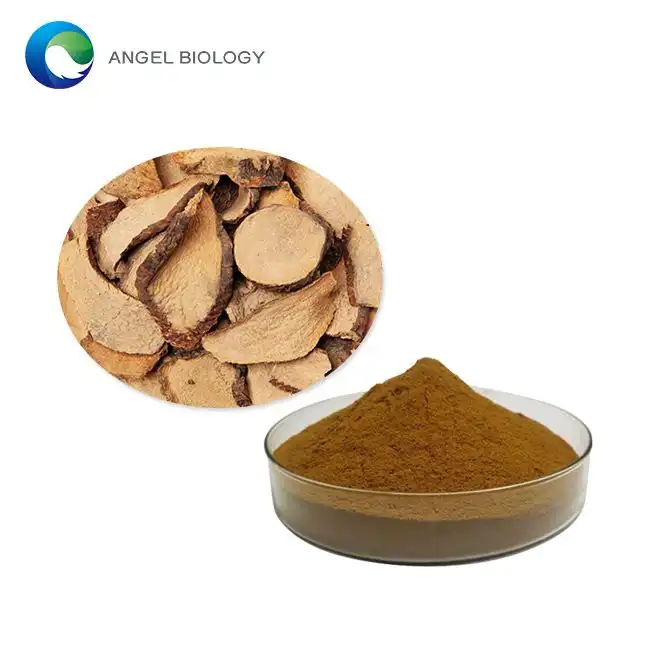
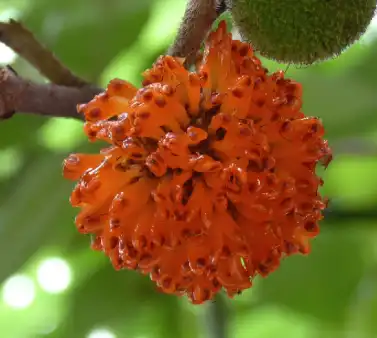
Broussonetia Papyrifera Extract undergoes a sophisticated extraction and standardization process to meet B2B quality demands. The process begins with raw material harvesting from paper mulberry trees, followed by extraction methods such as ethanol-water extraction or other suitable technologies designed to retain characteristic bioactive flavonoids, including Kazinol A and Kazinol E. Standardization can involve HPLC fingerprinting, marker-compound testing, and batch consistency protocols aligned with appropriate GMP practices, helping establish reliable specifications for nutraceuticals, cosmetics, and functional foods. Throughout production, quality controls can address heavy metals, microbial limits, pesticide residues, and solvent residues, providing a traceable botanical ingredient for global procurement teams seeking consistent specifications and well-documented raw materials.
Understanding Broussonetia Papyrifera Extract: Source and Benefits
Geographic Origin and Cultivation of Paper Mulberry
You can find the Broussonetia Papyrifera plant, also known as the paper mulberry, in temperate and subtropical parts of East Asia, including China, Japan, and Korea. The environmental conditions and cultivation practices in these regions can influence plant growth and the concentration of characteristic compounds. Different growing locations, harvest periods, plant parts, and processing conditions may produce different phytochemical profiles. Following Good Agricultural Practices (GAP) is important for responsible cultivation and raw-material traceability. GAP systems can help document crops from the field through harvesting and initial processing. It's important for businesses that buy botanical ingredients for supplements or cosmetics to evaluate raw-material sources carefully because consistent botanical identity and specifications are important for maintaining quality between supply cycles.
Key Bioactive Compounds and Their Functional Profiles
It has many phytochemicals, but the ones that stand out include prenylated flavonoids such as Kazinol A, Kazinol E, and Broussonin A/B. Experimental research has investigated these compounds for their interaction with tyrosinase and other biological pathways relevant to cosmetic formulation. Because of this, standardized extracts may be considered for cosmetic concepts focused on the appearance of uneven skin tone. The prenyl groups in these molecules contribute to their lipophilic characteristics, but this does not automatically mean that the compounds penetrate deeper into human skin in every formulation. In addition to cosmetic applications, research has reported antioxidant activity of Broussonetia Papyrifera extracts in laboratory assays such as DPPH radical-scavenging tests. These findings may support interest among functional food manufacturers evaluating botanical ingredients with antioxidant properties, but laboratory antioxidant activity should not be presented as a direct measure of reducing oxidative stress in consumers. Experimental research has also examined inflammatory and nitric-oxide-related pathways, creating opportunities for further formulation research rather than establishing a therapeutic effect in humans.
Industries Leveraging Paper Mulberry Extract
More clean-label supplement products are evaluating botanical extracts that provide recognizable plant-based positioning and documented phytochemical profiles. Cosmetic scientists may consider Broussonetia Papyrifera Extract when developing products intended to improve the appearance of uneven skin tone, particularly when standardized marker compounds and appropriate quality documentation are available. Functional beverage makers may evaluate standardized ingredients for formulations positioned around antioxidant nutrition, subject to local regulations and substantiation requirements. Companies developing functional foods and nutritional products may also investigate the extract because of its diverse phytochemical profile. These applications should be distinguished from pharmaceutical or clinical uses unless the specific ingredient, formulation, safety data, and regulatory pathway support such positioning.
The Production Process of Broussonetia Papyrifera Extract
Raw Material Selection and Sustainability Protocols
The first step toward better output for Broussonetia Papyrifera Extract is to check the quality and identity of the materials as they are being gathered. When you buy roots, bark, or stems from a reputable company, they should come from controlled sources or plantations managed according to appropriate agricultural practices. This helps ensure that botanical identity, pesticide residues, and other quality parameters can be evaluated against the agreed specification and applicable market requirements. Each batch should have documentation that can be used for traceability. This paperwork may include harvest dates, geographic origin, plant-part identification, and botanical identification records. Sustainability issues are increasingly considered when evaluating suppliers; responsible cultivation and collection practices can help protect biodiversity and reduce pressure on natural resources. When buying, managers should evaluate suppliers and verify relevant chain-of-custody documentation and sustainability information where applicable. This is especially important when products are intended for markets where environmental sourcing and traceability can influence brand positioning and procurement requirements.
Advanced Extraction Technologies and Their Impact
There are different ways that manufacturers extract and concentrate botanical compounds depending on the target profile, process scale, cost, and desired specifications.
Ethanol-water extraction is a common approach for recovering a broad range of polar and moderately lipophilic botanical compounds. Food- or cosmetic-grade ethanol can be combined with purified water at a controlled ratio, while extraction temperature and time are selected according to the raw material and target compounds. A controlled extraction process can help recover characteristic flavonoids while limiting unnecessary degradation. Reflux or repeated extraction may be used at industrial scale, but exact temperature and extraction time should be established through process validation rather than treated as universal requirements. Once the crude extract is ready, it is filtered to remove remaining plant material and then concentrated under controlled conditions.
Supercritical CO2 extraction is another technology that uses carbon dioxide under controlled pressure and temperature conditions to recover selected compounds, particularly those with suitable lipophilic characteristics. Depending on the process design, this method can reduce the use of conventional organic solvents and may produce extracts with specific compositional profiles. It does not automatically remove every possible processing contaminant, so appropriate analytical testing remains necessary. These systems require higher capital investment, but they can be valuable when a specific extract profile, solvent-management strategy, or processing requirement justifies their use.
The liquid extract is concentrated and further processed according to the desired specification. Vacuum evaporation can be used to reduce solvent content under controlled temperatures, while spray drying or freeze-drying can convert a concentrated extract into a powder suitable for storage, transportation, and formulation. Additional purification steps such as membrane filtration or chromatography may be applied when a higher degree of standardization or removal of selected constituents is required. The final marker or total flavonoid content depends strongly on the raw material, extraction ratio, process, purification strategy, and analytical method. Therefore, standardized levels should be established according to the actual product specification rather than assuming a universal 10–30% range.
Standardization and Quality Control in Broussonetia Papyrifera Extract Production
Analytical Validation Through HPLC and GC-MS
High-Performance Liquid Chromatography (HPLC) fingerprinting can be used to establish a characteristic chemical profile for Broussonetia Papyrifera Extract. Marker compounds, including Kazinol A and Kazinol E where appropriate to the selected extract, can be measured to monitor batch consistency and support standardization. Gas Chromatography-Mass Spectrometry (GC-MS) may also be used for appropriate volatile compounds or residual-solvent analysis, depending on the analytical requirement. For ethanol-water extraction, residual solvent levels should be controlled according to the applicable specification and regulatory requirements. Statements about the absence of Class 1 solvents such as benzene should be supported by actual testing rather than assumed from the extraction process. Analytical laboratories should use validated or appropriately qualified methods and suitable reference standards to ensure that test results accurately represent the chemical profile of the material.
Safety Parameters and Compliance Testing
Businesses that buy botanical extracts from other businesses place significant value on safety documentation covering heavy metals, pesticide residues, microbiological quality, and other relevant parameters. ICP-MS can be used to measure elemental impurities, with acceptance limits established according to the applicable product specification and target market rather than applying one universal set of numerical limits. Additional microbiological testing can include Total Plate Count and testing for specified pathogens such as Salmonella and E. coli, with limits determined by the intended application and applicable standards. Multi-residue analytical methods can be used to screen for a broad range of agricultural chemicals where required. These test results can form part of the Certificates of Analysis (CoA) provided with commercial shipments. A clear testing program helps downstream manufacturers assess raw-material quality and prepare documentation for applicable global markets.
GMP Manufacturing and Certification Infrastructure
Good Manufacturing Practices-compliant factories for Broussonetia Papyrifera Extract maintain organized production areas and written standard operating procedures covering activities such as sanitation, equipment calibration, personnel training, material control, and traceability. An ISO 22000 certification can demonstrate the implementation of a food-safety management system, while HACCP principles can help identify and control relevant hazards during extraction and standardization. USDA Organic or EU Organic certification requires compliance with the applicable organic production and processing requirements, including controls designed to prevent prohibited substances and unintended mixing. Non-GMO status should be documented separately when it is part of the product specification. These certifications can provide commercial value for supplement and natural beauty brands when they match the requirements of the target market and the complete supply chain.
Comparing Broussonetia Papyrifera Extract with Alternative Herbal Extracts
Chemical Differentiation from Traditional Mulberry Extracts
There are some botanical similarities between Broussonetia Papyrifera and Morus alba, but the characteristic phytochemical profiles of these plants are different. Research has investigated the prenylated flavonoids found in paper mulberry, including Kazinol compounds, for tyrosinase-related activity, while Morus alba contains compounds such as 1-deoxynojirimycin (DNJ) that have been studied for alpha-glucosidase-related activity. These differences are important for formulation scientists selecting ingredients according to their intended application. Broussonetia Papyrifera Extract may be considered for cosmetic concepts related to the appearance of uneven pigmentation, while Morus alba extracts may be selected for nutritional formulations based on their own compositional and research profiles. Buying teams need to be very clear about botanical names, plant parts, extraction methods, and chemical markers so that the supply chain remains consistent. Accurate identification and specification control are essential for maintaining formulation reproducibility and regulatory documentation.
Organic Versus Conventional Extract Economics
Organic certification can increase the cost of raw materials because of additional agricultural controls, certification fees, segregation requirements, and documentation. However, brands targeting natural-food, natural-cosmetic, or clean-label markets may see commercial value from verified organic sourcing when customers actively seek these attributes. Conventional extracts that meet appropriate pesticide and contaminant specifications can also be suitable for many product lines and may provide a more cost-efficient option. To choose between organic and conventional materials, procurement teams should consider target-market requirements, brand positioning, certification needs, supply availability, and total cost rather than assuming that one sourcing model is universally superior.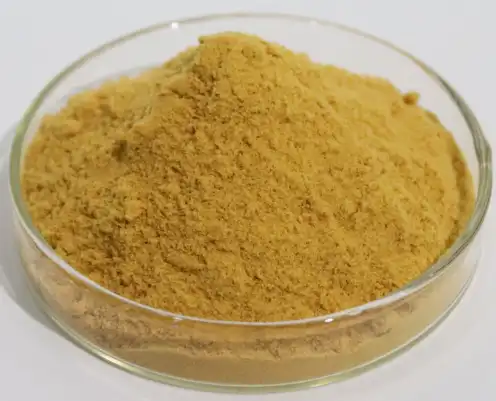
Powder Vs. Liquid Extract Forms In Formulation
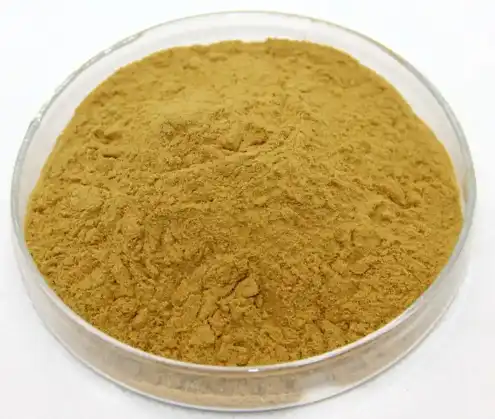
Tablet and dry-mix supplement manufacturers often prefer powder extracts because they are convenient for bulk handling, weighing, blending, transportation, and storage. A dry format can also reduce shipping water content and simplify incorporation into powder-based formulations, although stability still depends on packaging and storage conditions. Cosmetic scientists may prefer liquid extracts for certain emulsion or serum systems because they can be incorporated according to the solvent and processing characteristics of the formulation. Liquid formats can also be convenient during early formulation screening. Powder shelf life should be established through product-specific stability studies rather than assuming a universal 24- to 36-month period. For just-in-time manufacturing, the more suitable format depends on production equipment, inventory strategy, formulation requirements, and supplier lead time.
Procurement Guide for Broussonetia Papyrifera Extract in B2B Markets
Supplier Credential Verification and Sample Evaluation
Supply sites should be checked to make sure they have the appropriate manufacturing licenses, quality certifications, and documented quality systems. This is the first step in conducting proper supplier qualification. For analytical purposes, buyers should request complete product specifications listing the botanical source, plant part, extraction method, standardization markers, assay values, and testing methods. When samples are evaluated, independent laboratory testing can be considered to confirm key specifications where appropriate. Supplier CoAs are important quality documents, but they should be considered alongside supplier audits, sample testing, traceability, and historical batch data. Buyers should also evaluate how the powder disperses, flows, behaves in relevant solvents, and performs within the intended formulation. Before committing to a large commercial order, accelerated and real-time stability studies can help assess how the ingredient behaves under defined storage conditions.
Pricing Dynamics and MOQ Negotiation Strategies
On the market, standardized paper mulberry extract can vary substantially in price based on the plant part, extraction ratio, marker concentration, certification, testing requirements, order quantity, and supplier capabilities. Instead of relying on a fixed price range, procurement teams should request quotations based on the exact specification and commercial quantity required. Material certified as organic may carry additional costs, while highly standardized materials or products requiring extensive analytical documentation may also have different pricing structures. Minimum order quantities can vary significantly between suppliers. Trial quantities may be available for R&D evaluation, while private-label development or OEM production may require larger commercial commitments. Long-term supply agreements can sometimes provide better pricing or supply planning, but any projected savings should be negotiated according to actual forecast volume, raw-material availability, and contractual terms rather than assumed in advance.
Logistics Optimization and Regulatory Documentation
Shipments between countries may require appropriate product labeling, HS Code information, phytosanitary documentation where applicable, and import documentation based on the destination market. Lead times can vary according to inventory availability, production scheduling, customization, testing, and shipping method. Standard stock products may have shorter lead times, while customized specifications can require additional production and quality-control time. Packaging should balance shipping efficiency, moisture protection, light protection, warehouse handling, and product stability. Fiber drums, foil-lined bags, or other barrier packaging can be selected according to the ingredient specification and intended storage conditions. Commercial shipments may include CoAs, allergen statements where applicable, GMO statements, BSE/TSE declarations where relevant, origin documentation, and market-specific regulatory information. Buyers should confirm the exact document package before placing an international order.
Conclusion
It takes careful process control to produce and standardize Broussonetia Papyrifera Extract for consistent business-to-business applications. Responsible raw-material sourcing, controlled extraction, appropriate standardization, and comprehensive quality testing all contribute to a reliable commercial ingredient. When procurement teams understand these technical factors, they can make better decisions that balance formulation objectives, quality requirements, regulatory considerations, and total cost. Whether they are comparing extraction methods, HPLC fingerprints, or documentation packages, buyers benefit from evaluating the complete specification rather than relying on a single claimed active level or efficacy statement. Interest in clean-label nutraceuticals, cosmetics, and functional foods continues to create opportunities for standardized botanical extracts. Paper mulberry can therefore remain an attractive option for formulators seeking plant-based ingredients supported by documented composition, appropriate quality controls, and responsible product positioning.
FAQ
1. What makes Broussonetia Papyrifera Extract stable in formulations?
The stability of Broussonetia Papyrifera Extract depends on its chemical profile, extraction method, marker concentration, moisture level, packaging, formulation matrix, pH, temperature, and exposure to oxygen and light. Some prenylated flavonoids may show useful stability characteristics in specific systems, but this should be confirmed through product-specific testing rather than assumed from molecular structure alone. The extract should be incorporated according to supplier recommendations and evaluated under the intended formulation and storage conditions. Accelerated and real-time stability testing can help determine appropriate processing conditions, packaging, and shelf-life specifications.
2. How does this extract compare to synthetic whitening agents?
Synthetic and botanical brightening ingredients differ in their chemical structures, mechanisms, regulatory status, formulation requirements, and available evidence. Broussonetia Papyrifera Extract may be considered as a botanical option for cosmetic products designed to improve the appearance of uneven skin tone, particularly when standardized marker compounds and appropriate documentation are available. It should not automatically be described as safer, more effective, or equivalent to hydroquinone or other established actives without product-specific evidence. Combining paper mulberry extract with ingredients such as niacinamide or alpha-arbutin may provide formulation flexibility, but any combined performance claims should be supported by compatibility and finished-product testing. The appropriate concentration should be determined according to the extract specification, formulation design, target market, and applicable cosmetic regulations.
3. What documentation supports international trade compliance?
Certificates of Analysis provided with commercial shipments can include heavy-metal testing, microbiological results, pesticide-residue analysis, marker-compound measurement, moisture, and other agreed specifications. Additional documentation may include allergen statements, GMO declarations, organic certificates where applicable, BSE/TSE statements where relevant, product specifications, SDS, country-of-origin documents, and market-specific regulatory information. These documents help buyers and importers evaluate the material and prepare their own compliance files. Because import requirements differ between countries and product categories, buyers should confirm destination-market requirements before shipment rather than assuming that one document package guarantees clearance in every market.
Partner with Angelbio for Broussonetia Papyrifera Extract Supply
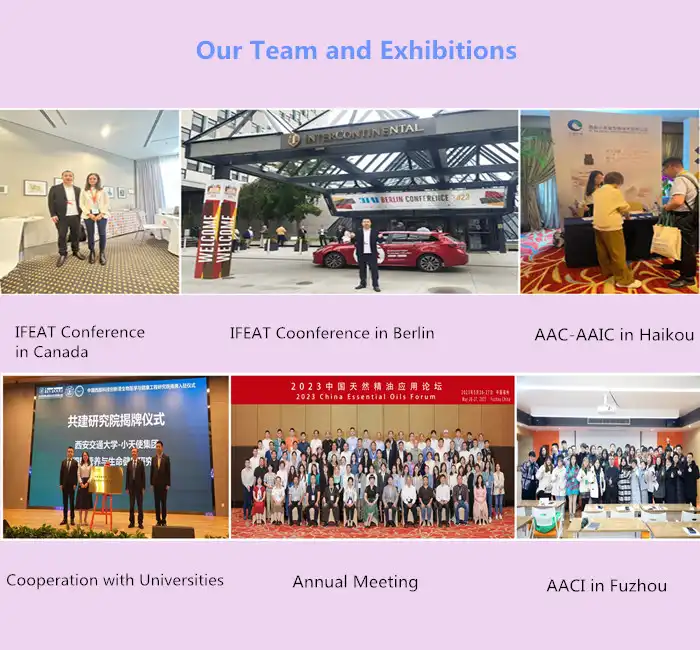
Angelbio provides Broussonetia Papyrifera Extract for B2B cosmetic, nutraceutical, and functional ingredient applications, with research and development experience and manufacturing capabilities supported by cooperation with Xi'an Jiaotong University's Institute of Life and Health Research. The company's ingredient supply approach can support defined specifications, analytical testing, batch documentation, and traceability requirements. Where applicable, customers can discuss target marker levels, extraction methods, quality standards, packaging, and documentation requirements before commercial production.
We understand how formulation scientists and procurement teams evaluate botanical ingredients. In addition to supplying ingredients, our technical support can include formulation discussions, specification selection, stability considerations, sample evaluation, and regulatory documentation support. Whether you're developing botanical skincare products, supplement formulations, functional foods, or expanding your ingredient distribution portfolio, our team can help you evaluate the quality and supply requirements for Broussonetia Papyrifera Extract.
Contact angel@angelbiology.com to discuss your target specifications, request samples and technical documentation, or explore bulk supply and OEM opportunities with the Angelbio team.
References
1. Journal of Ethnopharmacology (2018). "Antioxidant and anti-inflammatory activities of Broussonetia papyrifera extracts."
2. Phytotherapy Research (2019). "Tyrosinase Inhibition and Skin Whitening Effects of Prenylated Flavonoids."
3. International Journal of Cosmetic Science (2021). "Formulation Stability of Botanical Extracts in Skincare Products."
4. Journal of Agricultural and Food Chemistry (2017). "Chemical Profiling of Broussonetia papyrifera by HPLC-MS Analysis."
5. Regulatory Toxicology and Pharmacology (2020). "Safety Assessment of Plant Extracts in Cosmetic Applications."