



Barrier Creams vs Serums: Ceramide Delivery Systems That Protect Skin
When formulating advanced skincare solutions, choosing between barrier creams and serums becomes a pivotal decision that impacts product performance and consumer satisfaction. Both delivery systems can incorporate ceramide powder—a high-purity, concentrated sphingolipid that is an important component of the skin's stratum corneum—to support barrier function and moisture retention. Understanding how each formulation delivers ceramides helps procurement teams, formulators, and R&D directors select the optimal vehicle that aligns with product positioning, target demographics, and technical performance requirements in today's competitive natural skincare market.
Understanding Ceramide and Its Role in Skin Protection
The Molecular Architecture of Ceramides
Ceramides, which are components of sphingolipid molecules, are characterised by the presence of an amide link between a sphingosine base and a fatty acid. Because of their unique structure, ceramides contribute to the organization of intercellular lipids in the stratum corneum. Together with other lipids, they form organized lamellar structures that support moisture retention and help maintain the skin's protective barrier against environmental stressors. According to research published in the International Journal of Molecular Sciences (2018), changes in ceramide composition are associated with alterations in skin barrier function and skin sensitivity.
Why Ceramide Powder Matters in Formulation
In comparison to liquid ceramide dispersions, high-purity ceramide powder can provide formulators with greater control over concentration, processing, and raw-material specifications throughout the formulation process. Depending on the specific ingredient and analytical method, ceramide powder can be evaluated by high-performance liquid chromatography (HPLC) for assay and compositional consistency. It can also provide a defined lipid input for developing multi-lamellar emulsion systems designed to resemble aspects of the natural lipid matrix found in the skin. This powder form provides a practical option for formulation development where controlled active loading, storage, and processing characteristics are important, including cosmetic products designed for dry or sensitive skin.
Evidence-Based Benefits for Diverse Skin Types
The use of ceramide-containing topical formulations has been investigated in studies involving dry and sensitive skin. A randomized controlled study published in the Journal of Dermatological Science (2020) reported improvements in skin hydration and smoothness following topical ceramide application. Ceramide's contribution to the organization of skin lipids may also support cosmetic products focused on improving the appearance of dryness and fine lines. There is also formulation compatibility between ceramides and complementary ingredients such as niacinamide and hyaluronic acid when appropriately designed. In light of this, ceramide remains a valuable component for a variety of skincare concepts and an important consideration for businesses responding to natural and clean skincare trends.
Barrier Creams vs Serums: Core Differences in Ceramide Delivery
Formulation Characteristics of Barrier Creams
Barrier creams usually have oil-in-water or water-in-oil emulsion bases that are thickened with occlusive and emollient ingredients such as shea butter, petrolatum, and ceramides. These mixtures form a protective film on the skin's surface that helps reduce moisture loss and provides protection from external environmental factors. Ceramide Powder can be incorporated into suitable lipid-rich matrices and, when properly formulated, may contribute to organized lamellar structures that support the skin barrier. Creams are often suitable for dry or mature skin that benefits from rich hydration and longer-lasting surface protection because of their thicker structure and emollient properties.
Serum Delivery: Lightweight Potency
Serums are different because their bases are often made with water, glycerin, and limited amounts of oil. They are designed to feel lightweight and absorb readily. When Ceramide Powder is appropriately incorporated into serum systems, it can provide a concentrated source of ceramides for application to the skin without the heavier sensory profile associated with some creams. This delivery format may appeal to people with oily or combination skin who want barrier-supporting skincare with a lighter texture. Layering methods also work well with serums, allowing consumers to combine ceramide serums with other compatible skincare products according to their routines.
Efficacy and Safety Considerations
Both delivery methods can produce measurable changes in skin hydration and barrier-related parameters, but they work through different formulation structures. Creams can provide longer-lasting surface coverage and occlusive protection, while serum systems can offer a lighter sensory profile and facilitate incorporation of ceramides into multi-step skincare routines. Ceramide performance depends strongly on the ceramide type, concentration, delivery vehicle, particle or dispersion characteristics, and finished formulation. When using cosmetic-grade ceramide powder that meets the applicable quality specification, safety and performance should be evaluated through product-specific testing. Procurement managers should give preference to suppliers who can provide relevant stability data, specifications, and supporting documentation for target markets.
Choosing the Right Ceramide Delivery System for Your Product Line
Market Demand and Regional Preferences
Global trends in skin care show that different regions have different tastes that affect the choice of ceramide delivery systems. People in the US are very interested in versatile serums that focus on clean beauty and clear ingredient sources. In Europe, consumers may show strong interest in barrier creams and skincare products supported by substantiated cosmetic performance claims. Asian markets often value a mix of textures and functional positioning, including both lightweight and richer formats. Brands can carefully place their goods in the OEM, ODM, and private label segments when they understand these differences.
Selection Criteria for Optimal Performance
Procurement teams and formulators should look at a few important things when considering ceramide delivery systems:
Stability and Shelf Life: Ceramide Powder can offer low moisture content when manufactured to an appropriate specification, but the actual value should be confirmed by the supplier's CoA. Cream stability depends on emulsion structure, oxidation control, packaging, and storage conditions, while serum systems require appropriate pH, preservation, and dispersion control to maintain product quality throughout the intended shelf life.
Bioavailability and Absorption: Serum and cream performance cannot be determined simply by comparing molecular size or assuming that one format has higher absorption. Ceramide delivery is influenced by the vehicle, lipid composition, concentration, particle or dispersion characteristics, and finished-product structure. Creams can provide prolonged contact and surface coverage, while serums may offer a lighter application experience and convenient layering within daily skincare routines.
Cost Efficiency and Scalability: Investing in high-purity Ceramide Powder can represent a significant formulation cost. For creams, the appropriate active concentration should be determined through formulation testing and the intended cosmetic claim rather than assuming a universal effective range. Serum concentrations should likewise be established according to the ceramide type, delivery system, product positioning, and supporting performance data. Strategies for buying in bulk and building reliable supplier relationships can help control costs without lowering quality.
Regulatory Compliance: Cosmetic-grade Ceramide Powder should meet the agreed quality specification and applicable regulatory requirements, including appropriate controls for residual solvents, impurities, particle characteristics, and analytical documentation. Suppliers should provide relevant technical files to support INCI declarations, specifications, safety assessments, and market-specific compliance requirements.
Aligning Delivery Systems with Skin Concerns
Product designers should choose delivery formats according to consumer needs and the intended cosmetic positioning. Barrier creams are commonly used in products designed for intensive moisturization, dry-feel management, and long-lasting surface protection. Serums are often incorporated into daily skincare routines focused on hydration, barrier support, and multi-step product layering. Differentiating brands works well when they offer related product lines in both forms, so customers can choose based on their skin type, environment, and lifestyle choices.
Procurement Insights: Sourcing High-Quality Ceramide Powder and Components
Evaluating Supplier Credentials and Certifications
To make sure that the suppliers of cosmetic-grade Ceramide Powder are trustworthy, they have to go through a lot of checks. The best manufacturers maintain relevant quality-management and cosmetic GMP systems, such as ISO 22716 and ISO 9001 where applicable, and provide each batch with a Certificate of Analysis (COA). Supplier facilities should be able to demonstrate traceability from raw-material sourcing through final packaging. They should also clearly document the production route and source characteristics, such as plant-derived phytoceramides, fermentation-derived materials, or other manufacturing approaches, depending on the specific ceramide ingredient.
Quality Assurance and Testing Protocols
Reliable providers use thorough testing procedures that include the following:
- Purity Analysis: HPLC or another validated analytical method to confirm the agreed assay and compositional specifications
- Microbial Testing: Testing appropriate to the intended cosmetic application and applicable quality requirements
- Heavy Metals Screening: Testing for elements such as lead, arsenic, cadmium, and mercury according to applicable cosmetic and market-specific limits
- Particle Size Distribution: Appropriate analytical testing can help evaluate dispersion and processing characteristics where particle size is a relevant specification
- Stability Testing: Studies designed to evaluate physical and chemical stability under defined temperature, humidity, light, and storage conditions
Pricing Benchmarks and Logistics
High-purity ceramide powder pricing can vary substantially based on ceramide type, purity, source, production technology, certification, specification, testing requirements, and order quantity. When you buy in bulk, suppliers may offer different commercial terms, but actual savings and technical support should be confirmed through quotation and supply agreements rather than relying on a fixed market percentage. Ceramide Powder should be protected from moisture and stored and transported according to the supplier's recommended conditions. Temperature requirements depend on the specific ceramide material and formulation, so controlled logistics should be selected according to validated storage and transportation specifications. Lead times for international orders can vary according to inventory, production scheduling, testing, documentation, customization, and destination requirements.
Angelbio, backed by Angel Holding Group and Xi'an Jiaotong University's Institute of Life and Health Research, brings over 18 years of R&D experience to the natural ingredients sector. Our ceramide powder production integrates advanced processing technology with rigorous quality control systems, delivering cosmetic-grade ingredients developed for consistent specifications and diverse skincare applications. We support formulation development through customized specifications, co-processing capabilities, and technical documentation tailored to diverse regulatory environments, establishing long-term partnerships with cosmetic, nutraceutical, and other ingredient manufacturers worldwide.
Practical Skincare Formulation Tips: Incorporating Ceramide Powder into Barrier Creams and Serums
Optimal Concentration Ranges and Mixing Protocols
To effectively incorporate ceramide, the concentration must be carefully managed based on the delivery method and specific ceramide type. Barrier creams may use different ceramide concentrations depending on the formulation structure, target performance, and finished-product testing. Ceramides may also be combined with cholesterol and free fatty acids to develop lipid systems inspired by the composition of the skin barrier, but the appropriate ratio should be established according to the selected raw materials and formulation objectives rather than applying one universal ratio. Serum concentrations should likewise be determined through formulation screening and performance testing.
Mixing protocols differ significantly between formats. Adding Ceramide Powder to the oil phase at an appropriate temperature can benefit certain cream formulations, but the exact processing temperature depends on the ceramide type, supplier specification, solvent system, and emulsion process. Serum formulations may require pre-dispersion or solubilization using suitable formulation aids such as glycols or other compatible carriers. Processing temperatures should be selected according to the thermal stability of the specific ceramide and the complete formulation rather than applying one universal temperature limit.
Ingredient Compatibility and Synergistic Combinations
You are able to create sophisticated formulations that are capable of performing several functions because ceramide powder can be combined with a wide variety of cosmetic ingredients. Applying a combination of ceramides and niacinamide may support formulations focused on skin barrier and hydration performance, while the appropriate concentration should be established according to the individual product design and supporting data. In addition to its role in barrier-supporting formulations, hyaluronic acid can contribute humectant properties and help improve skin hydration when appropriately formulated. Tocopherol and other antioxidants may also be considered in lipid-containing systems to help manage oxidation during storage. Finished-product performance and compatibility should be confirmed through formulation testing rather than inferred solely from the individual ingredients.
When combining actives, pH regulation becomes an extremely critical consideration. The suitable pH range for ceramide-containing formulations depends on the specific ceramide, carrier system, and finished formulation. Formulators should therefore confirm compatibility and stability through product-specific testing, particularly when developing acidic serums containing AHAs or vitamin C derivatives. Appropriate buffering and packaging strategies may be required when the formulation is exposed to challenging pH or oxidation conditions.
Stability Enhancement and Packaging Strategies
In order to maintain the stability of Ceramide Powder and ceramide-containing formulations for the longest period of time feasible, it is imperative that you choose the preservatives and packaging with great care. Broad-spectrum preservation systems, including benzyl alcohol systems, phenoxyethanol-ethylhexylglycerin blends, and certain organic-acid-based systems, may be compatible with ceramide formulations depending on the complete formula. Antioxidants such as tocopherol may also be considered in lipid-containing creams to help manage oxidation. The appropriate antioxidant system and concentration should be determined through formulation compatibility and stability testing.
The decisions that are taken about the packaging of ceramide have a significant impact on the stability it possesses. The use of airless pump containers can help limit repeated exposure of creams and serums to air and contamination. Additionally, opaque or UV-protective materials can be considered when the formula contains light-sensitive components. Nitrogen flushing during manufacture may further reduce initial oxygen exposure where appropriate. Packaging selection should ultimately be based on the stability profile of the finished formulation and validated storage conditions.
Organic vs Synthetic Ceramide Sources
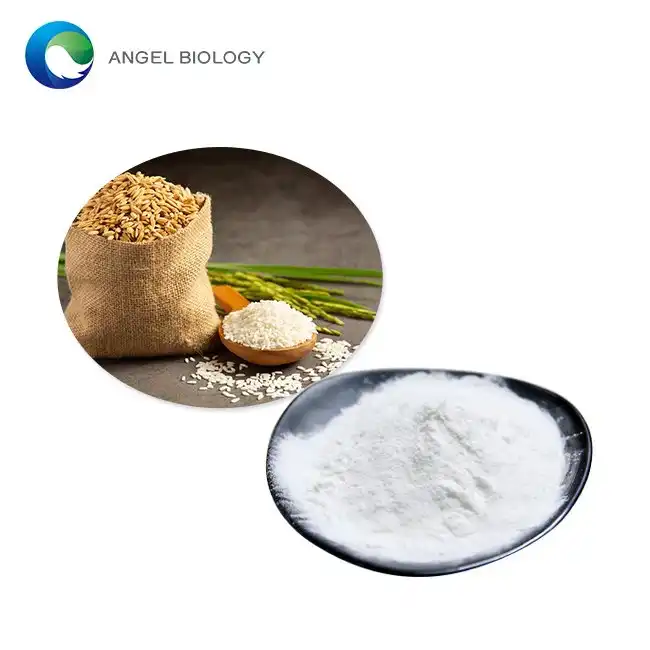
The selection of ceramide sources is influenced by the overall idea that underpins the formulation. The use of plant-based phytoceramides that originate from rice, wheat, or konjac is a popular choice among consumers of clean beauty products who place a premium on natural-origin positioning and traceable sources. These botanical ceramide ingredients can provide formulation and marketing options; however, compositional variation, source characteristics, and allergen considerations should be evaluated through appropriate quality-control procedures.
Synthetic or bio-based ceramides can offer controlled composition, defined purity, and scalable production depending on the manufacturing technology. Biotechnology can also support the production of specific ceramide structures with controlled specifications. The suitability of each source depends on the intended cosmetic application, regulatory requirements, target positioning, cost, and quality documentation. Both source categories can be evaluated on the basis of composition, formulation performance, stability, and appropriate usage levels rather than assuming that one source is universally superior.
Conclusion
To decide between barrier creams and serums as ceramide delivery methods, you need to know about the chemistry of the formulation, the target audience, and how to place the product in the market. Ceramide powder is versatile, so formulators can use it to develop differentiated products for a range of skin-care needs through appropriate delivery systems. Barrier creams can support intensive moisturization and longer-lasting surface protection, while serums can offer lightweight textures and convenient layering within daily routines. Product development that works well balances technical performance with what customers want. It also needs strong supply partnerships that make sure the quality of the raw materials stays consistent, that the company follows all the rules, and that the prices are competitive. As the popularity of natural skin care products continues to grow around the world, ceramide-based formulations offer brands that are dedicated to innovation in barrier support and evidence-based cosmetic performance new business opportunities.

FAQ
1. What advantages does ceramide powder offer compared to liquid ceramide formulations?
Compared to some liquid dispersions, Ceramide Powder can give formulators greater control over concentration, storage format, and raw-material specifications. The powder form can also provide a defined lipid input for developing structured emulsions and other delivery systems. Depending on the specific powder specification, it may have lower moisture content and may not require the same preservation system used for a liquid dispersion during raw-material storage. Shipping and storage requirements should nevertheless be confirmed according to the supplier's technical specification rather than assuming that all powder forms have identical logistics requirements.
2. How do barrier creams and serums differ in ceramide delivery mechanisms?
Barrier creams deliver ceramides through emulsion and lipid matrices that can provide surface coverage and help maintain contact with the skin. Serums use lighter bases that can provide a different sensory profile and support convenient incorporation into multi-step skincare routines. The actual distribution and performance of ceramides depend on the ceramide type, concentration, vehicle, dispersion state, and finished formulation. Creams are often selected for richer moisturization concepts, while serums are commonly positioned for lightweight daily skincare and layering routines.
3. What certifications should procurement teams verify when sourcing bulk ceramide powder?
Some important documents and certifications may include ISO 9001 quality-management systems, ISO 22716 (GMP for cosmetics) where applicable, and complete Certificates of Analysis showing the agreed assay, microbiological quality, heavy-metal screening, and other relevant specifications. Suppliers should also provide information about stability, allergens, source, production process, and regulatory requirements to support INCI terminology and safety assessments in target markets.
Partner with Angelbio for Premium Ceramide Powder Solutions
Angelbio stands as a trusted ceramide powder supplier delivering cosmetic-grade sphingolipid ingredients designed for use across barrier creams, serums, and advanced skincare formulations. Our production capabilities integrate rigorous quality control with flexible customization options, offering defined specifications, co-processing services, and technical support tailored to formulation requirements. With comprehensive documentation, flexible bulk supply options, and global logistics support, we empower R&D teams, procurement managers, and formulation scientists to develop differentiated skincare products while maintaining consistent quality standards. Contact us at angel@angelbiology.com to discuss your ceramide powder requirements and discover how our 18 years of natural ingredient experience can support your product development and sourcing strategy.

References
- International Journal of Molecular Sciences. (2018). "Ceramide Composition and Skin Barrier Function in Atopic Dermatitis."
- Journal of Dermatological Science. (2020). "Clinical Efficacy of Topical Ceramide Application in Dry Skin Management: A Randomized Controlled Trial."
- Journal of Cosmetic Dermatology. (2019). "Comparative Analysis of Ceramide Delivery Systems: Creams versus Serums."
- Skin Pharmacology and Physiology. (2021). "Bioavailability of Ceramides in Topical Formulations: Impact of Vehicle and Concentration."
- Cosmetics & Toiletries Magazine. (2022). "Formulation Strategies for Ceramide Powder Integration in Skincare Products."
- International Journal of Cosmetic Science. (2023). "Stability and Efficacy of Plant-Derived Phytoceramides in Cosmetic Applications."