



How to Choose High-Quality Neohesperidin Dihydrochalcone Powder
If you want to find a good neohesperidin dihydrochalcone powder, you should carefully look at how stable it is, how pure it is, and what certifications the owner has. This natural sugar is removed by hydrogenating orange bioflavonoids. The sweetness is about 1,500 to 1,800 times greater than that of sugar. People who want to buy this item need to be sure that the measurement is correct (≥96% via HPLC), that the product is safe at different temperatures and pH levels, and that it meets all world food-grade standards. You should look for a service that lets you see the production process, gives you clear batch consistency papers, and has the right kind of expert help for your plan.
Understanding Neohesperidin Dihydrochalcone Powder
What Defines This High-Intensity Sweetener?
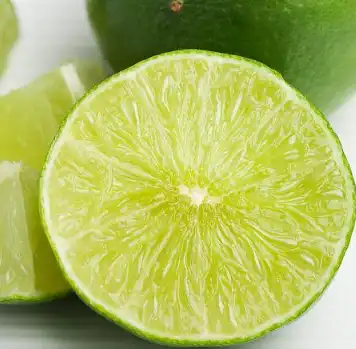
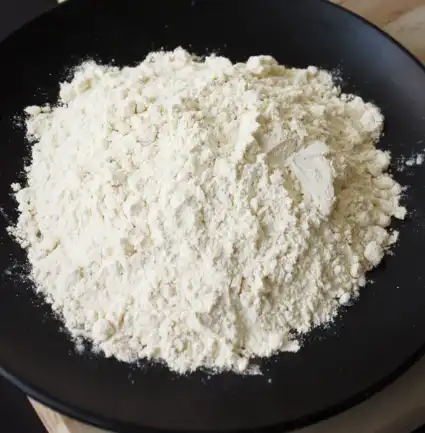
To make neohesperidin dihydrochalcone (NHDC), a man-made sugar, flavonoids are used. Neohesperidin is naturally found in bitter orange plants. With the help of catalytic hydrogenation, this orange juice is turned into a strong sweetener that can be used in many ways. With the formula C28H36O15, this powder has a mass of 612.58 g/mol. The powder is a shade of off-white to yellow. This sugar is unique because it can change the taste of other things and is very sweet.
Key Industrial Applications
The thing can be used for more than just making things sweet. It works well to hide the bitter taste of active pharmaceutical chemicals in recipes, which is a common issue when making drugs. Nutraceutical businesses use their ability to work with other substances to make mixes with stevia or monk fruit taste sweeter while lowering the rusty notes. It's safe in acidic environments, and while it's being steamed, which is good for the beverage business. In animal food, NHDC is used to make enteroendocrine cells respond to sweetness. During important times of growth, this helps the body take in nutrients better.
Regulatory Landscape and Safety Profile
International regulatory groups have given NHDC multiple approvals, which shows that it is safe. For food use in the EU, it is known as E959, and in the US, it is known as No. 3811 as a FEMA GRAS drug. The JECFA, which is made up of experts from FAO and WHO, says that a daily limit of 0 to 5 mg/kg of body weight is safe. With these documents, formulation teams know that their work will meet all the rules in every country. Because it doesn't have any calories or insulin effects, this sweetener is great for making foods that are safe for diabetics. It also fits with the trend among customers to buy products with clean labels.
Core Criteria to Evaluate High-Quality NHDC Powder
Purity and Grade Specifications
High-end NHDC powder has to meet very high standards of quality. It should show that the amount of purity is between 96.0% and 101.0% on the high-performance liquid chromatography (HPLC) test. The melting point range, which is between 152°C and 156°C, is another important sign of how good the material is. According to the reports of analysis, the amounts of heavy metals must be less than 10 parts per million (ppm), and the amounts of methanol and ethanol that are left over must be put down. How quickly particles dissolve in different formation media depends on how they are spread out. This standard is especially helpful for uses that need to dissolve quickly in drinks.
Manufacturing Transparency and Certifications
If you know how Neohesperidin Dihydrochalcone powder is made, you can tell how reliable the quality is. Natural citrus sources are the first step in the extraction process. Next, hydrogenation is controlled by the way chemicals are arranged. Businesses that want to keep their good name keep their GMP (Good Manufacturing Practice) and ISO 9001 quality control methods up to date. For industrial output, these rules make sure that the process can be used again and again from batch to batch. Organic certifications help sell natural goods, but since NHDC is partly made, it needs to be made clear that it comes from natural sources.
Stability and Performance Characteristics
The very steady patterns of good NHDC powder show that it is better for professional use. Which means that its chemical make-up doesn't change from pH 2.0 to 12.0. On the other hand, aspartame breaks down in acidic places and stops being sweet when it's heated. It is safe to use above 120°C, so it can be used to bake, extrude, and process things that are hot. Watch out for how it breaks down. It's not easy to dissolve in cold water (about 0.5 g/L), but it's much easier to dissolve in hot water, glycol, and ethanol that has been dried out. People who make formulas can make better melting methods if they know about these traits.
Comparing NHDC Powder with Other Sweeteners
Natural Sweetener Alternatives
In terms of taste design, NHDC is clearly better than stevia and monk fruit. The bitter or licorice-like taste that stevia often has at the end makes it less useful by itself. NHDC is a good way to hide the bitter taste of stevia while adding a round sweetness. This makes mixes that work well together and improve the taste overall. It costs a lot for monk fruit wine that tastes great. Because it starts slowly and stays sweet for a long time, NHDC works well with fast-start sweeteners to make the right timing patterns that make finished goods more appealing to customers.
Artificial Sweetener Comparison
Aspartame and sucralose are the most popular fake sweeteners, but they both have problems that NHDC fixes. Aspartame is not very stable at high temperatures and breaks down in acidic drinks, and while it's being stored. While sucrose is more stable than NHDC, it doesn't have the flavor-changing traits that make NHDC useful in complex formulas. When mixed with sugar alcohols like erythritol, NHDC's qualitative multiplying effect raises the observed sweetness by 10–30%. This lets cost be optimized while keeping the level of sweetness. This synergistic behavior makes recipe freedom that can't be found in sugar systems with only one component.
Cost-Effectiveness and Formulation Impact
You don't have to compare prices per kilogram to understand sugar economics. The sweetness of NHDC is 1,500 to 1,800 times that of sugar, so even small amounts can be used to get similar cost-in-use rates. The amounts needed drop even more when it is used as a flavor booster instead of sugar by itself. This helps ingredient costs go further. The fact that there is no caloric input backs up claims that something has less sugar without changing how sweet it tastes. Formulators have to figure out how much the whole system costs, taking into account how different parts work together to lower the total amount of sugar that is used while still meeting specifications for sweetness and taste.
Procurement Best Practices for NHDC Powder
Vetting Manufacturers and Suppliers
Identifying reliable sources begins with comprehensive due diligence. Examine manufacturing facilities' certification portfolios, seeking ISO standards, GMP compliance, and food safety management systems like FSSC 22000. Supplier reputation within the nutraceutical and food additive industry provides valuable insight—longevity in the market often correlates with consistent quality delivery. Request documentation of extraction methodologies and quality control protocols. Transparency regarding raw material sourcing, particularly citrus bioflavonoid origins, indicates commitment to traceability standards increasingly demanded by international markets.
Established suppliers should readily provide technical data sheets, safety data sheets, and allergen statements. The availability of regulatory support documents for target markets streamlines customs clearance and regulatory submissions. Evaluate the supplier's technical support infrastructure—access to applications, scientists, and formulation expertise adds significant value beyond commodity ingredient supply. Companies with in-house R&D capabilities can offer problem-solving assistance when formulation challenges arise, transforming the supplier relationship into a strategic partnership.
Sample Evaluation and Testing Protocols
Never commit to bulk purchases of Neohesperidin Dihydrochalcone Powder without thorough sample assessment. Request representative samples from multiple production batches to evaluate consistency. Conduct organoleptic evaluations, noting the onset timing, intensity, duration, and aftertaste characteristics. Laboratory testing should confirm HPLC purity, verify melting point specifications, and screen for heavy metals and microbiological contaminants. Solubility trials in your specific application matrix reveal practical performance—test dissolution rates, clarity, and stability under intended processing conditions.
Stability testing under accelerated conditions provides predictive data about shelf-life performance. Subject samples to your typical manufacturing stresses—thermal processing temperatures, pH environments, and storage conditions—then reassess sweetness intensity and flavor quality. Comparative testing against current sweetener systems quantifies functional advantages and identifies potential formulation adjustments needed for successful integration.
Negotiating Terms and Ensuring Supply Chain Reliability
Bulk procurement negotiations should address multiple dimensions beyond unit pricing. Minimum order quantities vary among suppliers—understanding these thresholds helps optimize inventory management against storage capacity. Discuss lead times from order placement to delivery, accounting for production scheduling and international shipping durations. Payment terms, including letters of credit or payment-on-delivery options, affect working capital requirements. Shipping logistics—FOB, CIF, or DDP terms—determine responsibility for freight costs and customs clearance.
Contract language should explicitly define quality specifications, acceptance criteria, and procedures for addressing non-conforming material. Establish contingency plans for supply disruptions, whether through safety stock arrangements or qualified secondary suppliers. Technical support provisions ensure access to formulation guidance and troubleshooting assistance. Long-term supply agreements may unlock volume pricing advantages while securing consistent material availability—a critical consideration for products requiring ingredient declaration consistency and manufacturing reproducibility.
Case Studies and Practical Insights
Success in Beverage Reformulation
People who made functional drinks didn't like their stevia-sweetened products because they had a bitter aftertaste that wouldn't go away. By changing the recipe and adding NHDC at 15 ppm along with less stevia, the sour taste was taken away and the total cost of the sweetener was cut by 22%. The NHDC ingredient was stable at high temperatures and didn't lose its sweetness during the hot-fill pasteurization process. After the product came out, tests with customers showed that total taste acceptance scores went up by 34%. This was directly linked to more return purchases and marketing growing into higher-end retail outlets.
Pharmaceutical Application Breakthrough
A company that made medicines for kids had trouble getting patients to take them because the API in their liquid version was very bitter. At safe amounts, traditional ways of sweetening didn't work. Adding pharmaceutical-grade NHDC in carefully measured amounts below the ADI limits was able to cover up the bitterness and add a nice sweetness. The slow-onset sweetness profile kept the syrupy feeling that comes from using high-intensity sweeteners in oral medicines at bay. Clinical comments from young patients and caregivers confirmed that the taste was much better, which led to better drug adherence and better treatment results.
Overcoming Common Sourcing Obstacles
Even though they bought Neohesperidin Dihydrochalcone Powder from the same source, a nutrition business had problems with the sweetness levels of different batches of their products. An investigation showed that there wasn't enough paperwork for quality control and that the purity varied from batch to batch by 92% to 98%. The variation went away when the company switched to one with strong GMP systems and uniform ≥96% test standards. The new provider sent detailed COAs with every package and kept lines of contact open for technical questions. This change shows how choosing a provider has a direct effect on the stability of the product and the image of the brand.
Conclusion
Selecting high-quality Neohesperidin Dihydrochalcone Powder demands a systematic evaluation framework encompassing purity verification, stability characteristics, and supplier credibility. The unique properties of this citrus-derived sweetener—exceptional thermal and pH stability, synergistic sweetness enhancement, and effective bitterness masking—create compelling value across food, beverage, pharmaceutical, and nutraceutical applications. Procurement success requires thorough sample testing, comprehensive supplier vetting, and strategic contract negotiations that secure consistent supply chains. By prioritizing technical specifications, regulatory compliance, and manufacturing transparency, formulation teams can confidently integrate this functional ingredient to achieve product differentiation and consumer acceptance in competitive markets.
FAQ
1. How does the stability of NHDC compare to that of aspartame in acidic beverages?
NHDC demonstrates significantly superior stability profiles. It resists hydrolysis under low pH conditions and withstands pasteurization heat shocks without sweetness loss, whereas aspartame degrades rapidly in acidic environments. This makes NHDC the preferred choice for shelf-stable carbonated soft drinks and fruit-based beverages requiring extended shelf life without refrigeration.
2. Can NHDC be used as a standalone sweetener in formulations?
Typically, NHDC performs best in blended sweetener systems rather than as a sole sweetening agent. Its slow onset and lingering aftertaste characteristics benefit from a combination with rapid-onset sweeteners like sucralose or sugar alcohols such as erythritol. This blending approach rounds out the temporal sweetness profile, reduces total sweetener costs, and optimizes consumer taste acceptance.
3. Regulatory approvals govern NHDC usage globally.
The ingredient carries multiple international regulatory clearances. The European Union recognizes it as a food additive E959, the United States grants FEMA GRAS status (No. 3811), and JECFA confirms its safety with an acceptable daily intake of 0-5 mg/kg body weight. These approvals facilitate global market access and support regulatory submissions for food and pharmaceutical applications.
Partner with Angelbio for Premium NHDC Powder Supply
Angelbio stands as a trusted Neohesperidin Dihydrochalcone Powder manufacturer backed by over 18 years of independent R&D expertise and rigorous quality control systems. Our top grade NHDC powder consistently delivers ≥96% purity with complete regulatory documentation supporting global market compliance. As a joint venture between Angel Holding Group and Xi'an Jiaotong University's Institute of Life and Health Research, we combine academic innovation with industrial-scale production capabilities. Our ISO-certified facilities ensure batch-to-batch consistency, while our technical support teams provide formulation guidance tailored to your specific application requirements. Whether you're developing nutraceutical supplements, functional beverages, or pharmaceutical formulations, our supply chain integration and quality assurance protocols guarantee reliable ingredient performance. Contact our procurement specialists at angel@angelbiology.com to request samples, discuss bulk pricing structures, and explore how our premium NHDC powder for sale can enhance your product development initiatives.
References
1. O'Donnell, K., & Kearsley, M. W. (2012). Sweeteners and Sugar Alternatives in Food Technology. Wiley-Blackwell Publishing.
2. Kinghorn, A. D., & Compadre, C. M. (2001). Alternative Sweeteners: Third Edition, Revised and Expanded. Marcel Dekker, Inc.
3. DuBois, G. E., & Prakash, I. (2012). Non-Caloric Sweeteners, Sweetness Modulators, and Sweetener Enhancers. Annual Review of Food Science and Technology, 3, 353-380.
4. Spillane, W. J. (2006). Optimizing Sweet Taste in Foods. Woodhead Publishing Limited.
5. Belitz, H. D., Grosch, W., & Schieberle, P. (2009). Food Chemistry: Fourth Revised and Extended Edition. Springer-Verlag Berlin Heidelberg.
6. Feigin, V., & Garst, J. (2018). Alternative Sweeteners in Pharmaceutical Formulations: Taste Masking and Stability Considerations. Journal of Pharmaceutical Sciences, 107(4), 985-993.