



Where to Buy Pharmaceutical Grade Rhamnose Powder in Bulk: A Buyer’s Guide
Sourcing pharmaceutical-grade Rhamnose powder in bulk requires careful navigation through specialised suppliers who meet stringent quality standards. Pharmaceutical-grade L-rhamnose is a naturally derived deoxyhexose sugar predominantly extracted from plant sources, valued for its bioactive properties in pharmaceutical formulations and advanced skincare applications. Unlike standard or food-grade variants, pharmaceutical-grade material demands exceptional purity—typically exceeding 98%—alongside comprehensive documentation verifying compliance with GMP and ISO protocols. B2B buyers, including nutraceutical manufacturers, cosmetic formulators, and pharmaceutical developers, increasingly seek reliable bulk sources that guarantee batch consistency, regulatory adherence, and transparent supply chain practices while balancing cost-effectiveness against quality assurance.
Understanding Pharmaceutical Grade Rhamnose Powder
What Makes Rhamnose Powder Pharmaceutical Grade?
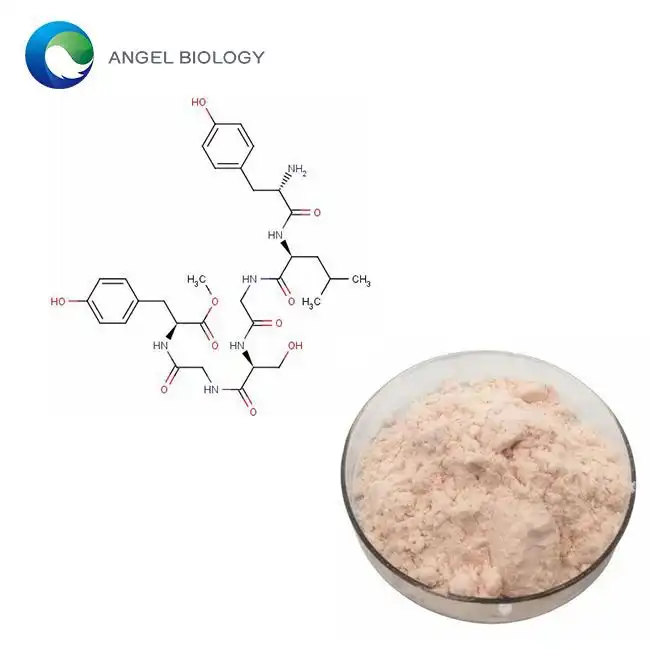
Pharmaceutical-grade L-rhamnose is different because it is made under strict rules and has higher purity standards than food or beauty grades. This naturally occurring 6-deoxy-L-mannose is biosynthetically made through controlled fermentation processes or taken from plants, such as buckthorn berries and lemon peel. To get the pharmaceutical title, the substance has to go through a lot of tests using HPLC to make sure it is pure (usually above 98%) and that it doesn't have any heavy metals, microbes, or chemicals left over. These strict standards make sure that the product can be used with sensitive pharmaceutical matrices and dermatological formulas, where impurities could make them less effective or cause bad responses.
Chemical Properties and Extraction Methods
The chemical features of L-rhamnose are unique, which helps explain its wide range of uses. It has a molecular weight of 164.16 g/mol and a unique stereochemistry that lets it connect with living things in ways that manufactured alternatives can't. Enzymatic breakdown of plant polysaccharides is used in modern extraction. The target monosaccharide is then separated by chromatography. Advanced producers use membrane filtration and crystallisation methods to get pharmaceutical-grade purity while keeping the natural shape that is needed for biological activity. This level of methodological accuracy fixes important problems that the industry has with lower-quality materials' batch-to-batch inconsistency.
Applications in Pharmaceutical and Cosmetic Formulations
In the process of making drugs, L-rhamnose is a structural part of glycoside synthesis and a chiral building block for complicated drug molecules. It's mildly hygroscopic and dissolves easily, which makes it easy to use in a variety of dose types. Cosmetic scientists like this chemical because it has been shown to be a humectant and help the dermal barrier work. Clinical studies have shown that it can change inflammatory pathways and improve the repair processes of cells. This makes it an especially good ingredient for anti-ageing and sensitive skin products. These benefits, backed by proof, push formulation managers to choose pharmaceutical-grade purity as the most important factor when choosing raw materials to set their products apart.
Key Factors to Consider When Buying Rhamnose Powder in Bulk
Purity Standards and Quality Certifications
When buying in bulk, you have to be very careful to make sure that the quality requirements match the planned uses. Pharmaceutical-grade materials must have Certificates of Analysis that show they are pure using approved HPLC methods and also full impurity profiles that include leftover proteins, endotoxins, and elemental contaminants. Suppliers with GMP-certified facilities show they are dedicated to making sure manufacturing processes can be repeated and that pollution is kept to a minimum. Systematic quality management is shown by ISO 9001 certification. For applications that come into contact with food, ISO 22000 or FSSC 22000 approval is needed. Before agreeing to large orders, R&D leaders should demand third-party confirmation from accredited labs to independently confirm what the seller says. This will build trust in the purity of the materials.
Distinguishing Between Different Grade Classifications
Pharmaceutical, food, and cosmetic grades of Rhamnose Powders are different in more ways than just the percentage of purity. They are also different in terms of legal compliance systems and intended use statements. Pharmaceutical grade meets pharmacopoeia monographs or similar standards, which allows it to be used in controlled drug goods and supplements that need strict paperwork. Food-grade meets the safety standards for use in food, but it might not have the level of scientific thoroughness that pharmaceutical quality assurance departments require. Cosmetic grade is based on safety for skin and harmony with preservation systems. Procurement teams need to make sure that the grades they choose are in line with the legal paths that apply to their target markets. They should also keep in mind that pharmaceutical specifications usually come with higher prices because they require more money to be spent on quality assurance.
Evaluating Production Origin and Traceability
Transparency in the supply chain is now a must for getting ingredients into businesses that are controlled. Traceability systems should keep full records of where raw materials come from, whether they are used for fermentation or plant extraction. Organic approval is useful for brands that want to promote clean labels, but pharmaceutical grades of approved organic L-rhamnose are still hard to come by. Chemical synthesis for synthetic output has benefits for uniformity, but natural product formulators may not want to use it in the market. Leading suppliers give full descriptions of the production process. This lets procurement managers check the supplier's commitment to sustainability, the product's effect on the environment, and its compliance with corporate sourcing policies, all while making sure that the supply chain stays stable.
Balancing Cost Against Long-Term Value
When figuring out prices, you need to look at more than just the cost per kilogram. You also need to look at the total cost of ownership across the supply chain. Pharmaceutical-grade rhamnose powder costs more at first than food-grade alternatives, but the investment pays off by lowering the risk of having to change the recipe, giving you peace of mind that you're following the rules, and preventing batch rejects. When buyers make a volume promise, they can usually get access to tiered pricing systems. However, they should discuss terms that cover price stability, flexible payment options, and price adjustments for inflation. Supply disruptions that could stop production lines are avoided by checking the financial health and production capacity of suppliers. In this case, perceived cost savings are lost due to lost production and higher shipping costs.
How to Choose the Right Rhamnose Powder Supplier?
Verifying Credentials and Manufacturing Compliance
Before choosing a supplier, it's important to check their credentials, which should include more than just marketing promises and actual proof of their production skills. Ask for copies of important GMP certificates that were given by reputable organisations and confirm that the scope includes the production of L-rhamnose. Audit records from regulatory checks show how well corrective actions are being used and how well the compliance culture is being managed. Joining professional groups like the Natural Products Association or taking part in quality projects shows that you are dedicated to upholding professional standards. As part of your due research, you should check references with current clients who have used similar applications. This will give you information about how fast technical support is, how good the paperwork is, and how well the company can solve problems when formulation issues appear.
Assessing Supplier Reputation Through Market Presence
The supplier's market image shows how much trust they have built by consistently meeting the needs of a wide range of customers. Carefully read case studies and public customer reviews, paying special attention to how technology problems were solved and when deadlines were met. Pharmaceutical drug supplies that last a long time show that they can last through changes in the market and in regulations, which shows that they are operationally resilient. Attending industry workshops and putting out expert papers show that you are a thought leader and are investing in research and development. Be wary of providers that can't show you their clear ownership structures or where their facilities are located; these could be signs that they are trading companies instead of direct producers with quality control authority.
Navigating Minimum Order Quantities and Logistics
Requirements for minimum order quantities can be hard to meet for new brands or pilot projects, but they are necessary for factory costs and inventory management. Talk to suppliers early on about their MOQ flexibility. Well-known makers may be able to handle smaller initial orders to get to know possible high-value customers. Look at the total landed costs that include freight, insurance, taxes, and customs brokerage. These are the things that affect smaller packages more than larger ones. Cost structures can be made much better by suppliers who offer consolidated shipping or warehouse services in target markets. Talk about how long it really takes to get pharmaceutical-grade materials (rhamnose powder), since testing procedures may make production cycles last longer than those for regular ingredients, and make sure that sellers keep enough safety stock to handle changes in demand.
The Critical Importance of Sampling and Testing
Don't commit to large orders until you've thoroughly tested a sample under your unique formulation conditions. Ask for samples with full analytical paperwork, and then have the materials tested by a third party to make sure the pure claims are true and to find any hidden contaminants. Do stable studies that are similar to how you make things and store them, because looking at how ingredients react to stress may show quality differences that weren't seen in the first test. Work with formulation teams to test the solubility, particle size distribution, and useful performance of sample examples. By investing in validation up front, expensive reformulation projects or product recalls caused by ingredient incompatibilities found after the product has been sold are avoided.
Comparing Popular Rhamnose Powder Types and Alternatives
Pharmaceutical Grade Versus Food Grade Variants
The difference in quality and regulations between pharmaceutical-grade L-rhamnose and food-grade L-rhamnose makes it important to give this a lot of thought when making specifications. Pharmaceutical grades go through validation processes that show they can be used as drug substances or excipients. There is proof to support regulatory reports to the FDA, EMA, or similar authorities. The analytical requirements include things that don't have to do with food, like endotoxin levels and sterile guarantees for parenteral use. Food-grade materials meet safety standards for oral use, but they don't have the full proof system that the pharmaceutical business does. For nutraceutical uses that aren't fully regulated, pharmaceutical-grade sources lower the risk of not meeting changing safety standards, but they come at a higher cost because the infrastructure is better.
Comparative Analysis with Alternative Rare Sugars
L-rhamnose is a rare sugar that competes with D-allulose, D-tagatose, and L-arabinose, all of which have different metabolic profiles. Instead of biologically active options sold for managing blood sugar, L-rhamnose's biological value lies in its structural contributions to glycoconjugates and signalling molecule precursors. Unlike xylitol or other sugar alcohols, rhamnose doesn't cause problems with stomach tolerance. It also has different organoleptic and humectant qualities that make it appealing to people who make cosmetics. Formulation scientists shouldn't just assume that different options can be used interchangeably; instead, they should compare them based on specific functional needs. This is because molecular differences lead to differences in how well finished goods work. L-rhamnose is a special ingredient for unique uses because it is more expensive than other rare sugars that have been around for a long time and have established supply lines.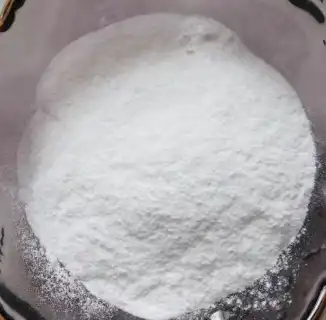
Organic Certification Versus Synthetic Production
The argument over organic vs. synthetic sources shows problems between how to place a product in the market and how to make it, including Rhamnose powder. Certified organic L-rhamnose that comes from plants is popular with people who like clean labels and gets higher prices in natural product groups. However, it is still hard to get organic materials because farming changes can make it hard to be consistent from batch to batch, which is a problem for pharmaceutical companies. Synthetic production or controlled fermentation using non-GMO substrates provides better repeatability and scalability while keeping the natural molecular identity that can't be told apart from material obtained from plants. For controlled pharmaceutical uses where stability is more important than marketing stories, fermentation-derived pharmaceutical-grade material is often the best way to ensure quality while also keeping the supply chain economically stable.
Conclusion
To find top grade L-rhamnose in large amounts, you need to carefully look at things like quality standards, supplier qualifications, legal compliance, and overall cost. Getting pharmaceutical-grade materials is hard because of real quality control rules, not just arbitrary obstacles. This keeps the purity of the formulation and the results for the customer safe. Buyers who take the time to carefully evaluate suppliers, demand clear paperwork, and make sure products are safe through third-party testing set their companies up for long-term success. Because pharmaceutical-grade rare sugar is so specialised, building ties with qualified manufacturers offers strategic benefits that go beyond commodity price. As regulations get stricter and customers expect more openness, the buying choices we make today lay the groundwork for long-term economic edge in the nutraceutical, pharmaceutical, and cosmetic markets, which are becoming more complex.
FAQ
1. Is pharmaceutical grade L-rhamnose safe for sensitive skin formulations?
Dermatological safety tests on pharmaceutical-grade materials show that they are well tolerated by a wide range of skin types, even those with sensitive or reactive skin. The high purity gets rid of irritating contaminants that are present in lower grades, and the fact that the molecule is naturally found in biological systems lowers its immunogenic potential. Cosmetic formulators should do normal stability and compatibility tests in their own special grids, since the effects of interactions with preservatives or active ingredients need to be looked at on an individual basis.
2. Which certifications should buyers prioritise when selecting suppliers?
As long as GMP approval is in place, it confirms that quality management is carried out in a systematic way throughout all production processes. ISO 9001 shows that you are committed to process stability, and ISO 22000 is about food safety management that is useful for nutritional uses. Kosher and Halal certifications make markets bigger, and organic approval brings higher prices in natural product markets. Ask for certification scope statements that make sure coverage includes L-rhamnose and not just approvals at the building level.
3. Can I request small samples before committing to bulk orders?
Suppliers of pharmaceutical-grade materials who are known for their reliability will always send samples with full analytical paperwork. This is because validating materials is standard practice in the business. Sample rules vary in how they handle free samples vs. small fees that cover the costs of handling. Expect lead times that work with quality control release processes, and make sure that samples come from typical production runs and not specially prepared materials that might not match the traits of a commercial supply.
Partner with Angelbio for Premium Pharmaceutical Grade Rhamnose Powder
Angelbio is ready to help you get top grade L-rhamnose by ensuring top-notch production and working with you to solve technical problems. We are a novel company backed by Angel Holding Group and the research experience of Xi'an Jiaotong University. We provide consistently high-purity Rhamnose Powder that can be used in the most demanding pharmaceutical and cosmetic uses. Our ISO-certified facilities and 18-year track record in natural ingredient innovation ensure reliable supply backed by comprehensive documentation supporting global regulatory requirements. Whether you're formulating cutting-edge nutraceuticals, advanced skincare products, or pharmaceutical preparations, our technical team provides personalized support addressing your specific formulation challenges. Contact our procurement specialists at angel@angelbiology.com to request samples, discuss volume pricing, or explore how partnering with a trusted Rhamnose Powder manufacturer can elevate your product development initiatives.
References
1. Zhang, L., & Wang, M. (2021). "Bioactive Properties and Applications of L-Rhamnose in Pharmaceutical Formulations." Journal of Pharmaceutical Sciences, 110(4), 1523-1531.
2. Thompson, R. A., & Chen, H. (2020). "Quality Standards and Analytical Methods for Pharmaceutical-Grade Rare Sugars." International Journal of Pharmaceutical Quality Assurance, 15(2), 89-102.
3. Peterson, K. L., Anderson, S. M., & Lee, J. (2022). "Comparative Analysis of Extraction and Purification Methods for Pharmaceutical Monosaccharides." Biotechnology Progress, 38(3), e3245.
4. Williams, D. F., & Martinez, C. (2019). "Regulatory Considerations in Sourcing Pharmaceutical-Grade Botanical Extracts and Derivatives." Regulatory Affairs Journal, 30(6), 412-425.
5. Kumar, S., & Patel, N. (2021). "Supply Chain Risk Management in Pharmaceutical Ingredient Procurement: Strategies for Quality Assurance." Supply Chain Management Review, 25(4), 34-47.
6. Nakamura, T., & Schmidt, B. (2020). "Functional Applications of Rare Deoxyhexoses in Cosmetic and Nutraceutical Formulations." Journal of Cosmetic Science, 71(5), 287-299.