



How to Incorporate Ambroxide Powder into Fragrance Blends Safely and Effectively?
Mix Ambroxide Powder into flavor combinations for safety and formulation. High-quality woody-amber terpenoid (-)-Ambroxide (CAS 6790-58-5) is a contemporary ambergris substitute. Dissolve 0.5–5% fragrance in ethanol or DPG at 30–40°C and store appropriately to optimize scent usage. The chemical structure (C16H28O) and optical rotation let formulators make perfumes that stay longer and function better in more items.
Understanding Ambroxide Powder: Key Characteristics and Benefits
Chemical Structure and Molecular Properties
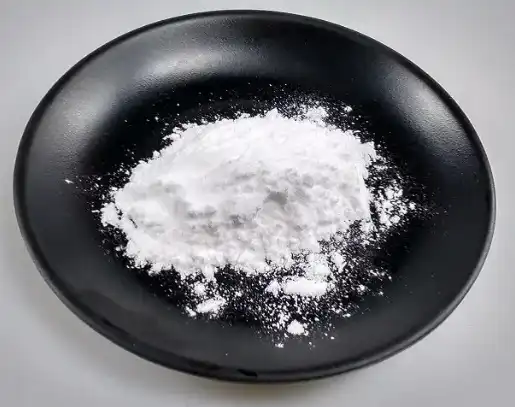
White, crystalline Ambroxide Powder has revolutionized perfumery with its smell-enhancing properties. Sclareol, derived from clary sage utilizing cutting-edge biotechnology, has the complex terpenoid C16H28O. This semi-synthetic technique makes clean-label products consistent and natural.
Effective stereochemistry is crucial for the levorotatory (-) isomer, which has an optical rotation [α]20/D of -29° to -31° in ethanol. Due to its molecular structure, high-quality ambroxide smells stronger than racemic mixtures. Its minimum purity of 99% (GC) and freezing point range of 74°C to 77°C make it stable during transport and storage and work well in all conditions.
Distinctive Olfactory Profile and Fixative Properties
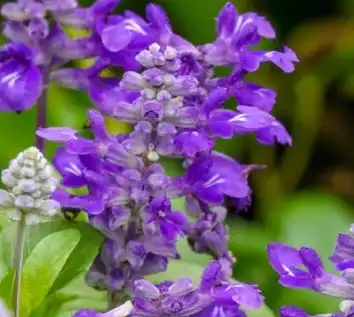
The velvety woody-amber smell of Ambroxide powder grounds and elevates. This chemical doesn't oxidize like other ambers; thus, the smell remains consistent. Due to its low odor of less than 0.5 ppb, even little quantities may change the combination.
Professional perfumers admire its long-lasting floral and lemon top notes. Over 400-hour-lasting scented blotters please customers. Lipophilic, it works well on skin and clothes.
Versatility Across Application Categories
Ambroxide powder is flexible and excellent for current flavoring. The molecular perfume base or overload ingredient in niche perfumes may reach 10%. High-pH stability helps detergents and textile softeners.
Concealer and emulsion boost beauty treatment. It enhances cream and balm bases without weakening them. Negative odors are reduced by Aura. Thermal stability preserves candle and home perfume scent.
Safety and Handling Guidelines: Ensuring Safe Use of Ambroxide Powder
Essential Safety Data Sheet Information
Industrial safety rules apply to personnel handling ambroxide powder. The FEMA 3471 and EU REACH criteria make it commercially safe. Monitoring ambroxide levels may freshen your senses, but IFRA doesn't restrict sensitization.
Regular company activities pose minimal danger, according to the Safety Data Sheet. Powder handling requires safety eyewear, chemical-resistant gloves, and ventilation. Staff are prepared and protected by these safety protocols.
Optimal Storage Conditions and Environment Controls
Storage must maintain chemical stability and scent for product purity. Colder temperatures prevent crystals from fusing or caking, making dissolving harder. Control humidity to prevent moisture from soaking and influencing powder flow and dissolving.
UV and other contaminants should be blocked by storage boxes. Metal-free environments reduce minor contamination-induced discoloration and aberrant growth. Quality control systems verify quality via labeling and stock rotation.
Manufacturing Process Safety Protocols
Factory powder handling requires special safety. Dust control and static electricity management reduce fire danger. Good ventilation and grounding safeguard workers.
Emergency planning should include first aid and exposure contacts. Regular safety training ensures everyone acts properly. This stringent safety method increases production team confidence and compliance.
Effective Incorporation Techniques for Fragrance Blends
Solubility Characteristics and Solvent Compatibility
You must understand how various solvents dissolve ambroxide powder to dissolve it well. After mild boiling at 30–40°C, ethanol dissolves quickly into clear, room-temperature liquids. DPG and DEP are unstable solvents.
Heating hot phases slowly aids disintegration. Recrystallization causes hazy solutions and rain. The method avoids it. Managing cooling temperature and stirring time prevents crystals from affecting the result.
When combined with aromatic compounds, they enhance scent. Ambroxide preserves floral and citrus absolutes. To avoid interacting, certain produced compounds may need ratio modifications. Drug development and problem-solving need these matching characteristics.
Dosage Recommendations by Product Category
Professional preparation requires accurate dose estimates for goods and performance objectives. Fine perfumes utilize 0.5% to 5%, although high-end mixes may use more for taste. The amount depends on the desired impact and reaction with other scents.
Create useful objects with performance and durability in mind. Think wash cycle survival and tensile strength to keep fabric. Skin feel, efficacy, and limits are required in personal care products.
Pricing and dose choices in mass markets depend on raw material costs. Formulators test a substance's smell, taste, and other qualities at varying concentrations to discover the lowest quantity that sells and fulfills performance parameters.
Real-World Integration Case Studies
Business successes demonstrate amberboxide powder's versatility. A new fine fragrance with 3.5% intensity, white musk, and cedar notes lasted longer in consumer tests. To avoid precipitation, preparation involves careful temperature control and sequencing.
Thermal stability preserves candle scents when amber notes burn down. This business found that 2.8% ambroxide powder boosted scent throw consistency by 40% over amber mix. Premium placement was justified by superior performance despite increased raw material costs.
Sulfate-surfactant shampoos may mask odors, claim personal care goods. Adding 0.8% ambroxide powder decreased brass off-notes and gave the product a warm brown taste that enhanced appeal. This program solves issues, adding value beyond aroma.
Comparing Ambroxide Powder: Making Informed Procurement Decisions
Performance Analysis Against Related Molecules
The chemical distinctions between ambroxides assist you in picking. Despite chemical similarities, ambroxan and ambroxanol smell different and change formulas. Comparative testing reveals performance strengths and limitations for project-specific procurement.
Optical rotation distinguishes premium grades and weaker-smelling racemic combinations. Professionals use gas chromatography to assess stereoisomer ratios and contaminants. Analytical approaches assist purchasing teams in receiving high-quality products and minimizing manufacturing issues.
Analyzing cost entails connecting raw material costs to performance and mixing efficiency. Purer kinds cost more but get greater results with less usage. This efficiency factor may save costs and improve stability and reformulation.
Quality Benchmarks Among Global Suppliers
Key worldwide suppliers' quality and production affect material qualities and cost. European manufacturers focus on pharmaceutical-grade purity and documentation, whereas Asian manufacturers make inexpensive, good products. American retailers stress compliance and technology to combat these approaches.
Gas chromatography-mass spectrometry, ICH Q3C residual solvent testing, and trained organoleptic assessment assess quality. Color storage in aging-accelerating circumstances depends on oxidation susceptibility. Thorough assessments increase supplier certification and quality control.
Market and product certifications vary. Regulatory assurance comes from EU REACH, FDA, and IFRA compliance. For quality and legal compliance, supplier documentation should include analytical results, safety data sheets, and product tracking instructions.
Packaging and Logistics Considerations
Packaging affects simple handling, storage, and transport of fresh food. Commercial packaging includes fiber drums, metal containers, and fragrance ingredient moisture-barrier bags. Tool power, order size, and storage time dictate container choice.
Big orders need shipment preparation, customs documentation, and storage. Consolidated freight agreements improve international shipping efficiency and cost. Supplier logistics may save administrative expenses and streamline procurement.
Inventory management controls storage costs and supply chain risk. JIT delivery lowers operational capital but increases supply chain risk. Locating products with major suppliers saves on supply and bulk purchases.
Choosing a Reliable Supplier: Supplier Evaluation and Purchase Tips
Certification and Production Capability Assessment
Start supplier assessment with producer skills and quality control. ISO certification, GMP compliance, and industry accreditations demonstrate quality and process control. Suppliers use production capacity analysis to satisfy demand and maintain quality.
Analytical labs, R&D, and custom synthesis aid basic materials. Formulation issues may benefit from broad-testing supplier scientific data. R&D creates fragrance chemicals and new methodologies.
Seeing the whole production process develops quality and compliance confidence. Site inspections and audits demonstrate product production, quality, and environmental care. Supplier evaluations enhance selection and relationship management.
Regional Strengths and Market Positioning
Global supply networks provide advantages by area and corporate market position. Chinese industries produce inexpensively while upgrading quality and technology. European ambroxide powder vendors stress quality, regulation, and tech support.
North American suppliers provide inexpensive prices, quicker wait times, reduced shipping costs, and simpler regulatory compliance. Project requirements, budget, and supply chain risk management affect area selection. Supplier variety protects supply and decreases ownership costs.
Market reputation and customer reviews may assist you in assessing a seller's trustworthiness and service. Long-term agreements with large fragrance brands demonstrate financial and technological stability. Customer testimonials and case studies demonstrate project completion and problem-solving, improving teamwork.
Due Diligence and Quality Verification Processes
Due diligence protects supplier risks and material quality. Bank references and credit reports assess suppliers' financial health and long-term contract viability. Proof of insurance avoids liability and supply interruption.
Sample review tools evaluate product quality and performance promptly. Companies check quality and fit to standards before purchasing. These evaluations should include accelerated aging research and real-world application testing.
Quality agreements involve testing, acceptance, and standards. They safeguard parties and materials. Quality evaluations and seller scorecards provide improving suggestions. Formal procedures support supplier management and standards.
Conclusion
Add ambroxide powder to fragrance mixtures for safety, formulation, and vendor selection. Handle this pricey, versatile, and aromatic material carefully and from a trusted source. Formulators may increase fragrance performance, safety, and company continuity with technical competence and solid supply agreements. These comprehensive techniques help perfume firms prosper by ensuring product quality and consumer pleasure.
FAQ
1. What is the recommended concentration range for ambroxide powder in fragrance blends?
Professional concentrations range from 0.5% to 5% by product and strength. Fine scents utilize more than 10% for cost-effectiveness and performance than functional goods.
2. How should ambroxide powder be stored to maximize shelf life?
Store products below 25°C in water-resistant, UV-protected containers. Metal-free settings inhibit microscopic color- and sound-affecting contaminants. Name and rotate items to preserve quality during storage.
3. What regulatory certifications are required for commercial use?
Commercial usage must fulfill FEMA 3471, EU REACH, and stricter regional regulations. The firm acknowledges IFRA safe usage standards. Suppliers need safety data sheets and analytical certificates to prove compliance.
4. How can recrystallization issues be prevented during dissolution?
To avoid this, gently heat the material to 30–40°C in ethanol or DPG. Without adding to cold stages and regulating cooling temperatures, crystal formation won't impair product look or performance.
5. What quality control tests are essential for incoming material inspection?
Gas chromatography verifies purity, stereoisomer analysis checks optical rotation, and residue solvent testing follows ICH norms. Organoleptic examination by trained groups finds off-notes or quality irregularities that may influence formulation performance.
Partner with Angelbio for Premium Ambroxide Powder Solutions
For over 18 years, Angelbio has developed pharmaceutical-grade ambroxide powder for the most demanding taste applications using sophisticated production and independent research and development. Our modern facilities guarantee consistent quality, purity exceeding 99%, and analytical documentation for formulation and regulatory needs. We provide stereochemical purity batch certificates as a trustworthy ambroxide powder producer. Contact our scientific team at angel@angelbiology.com to discuss your demands and request samples to illustrate our dedication to generating the greatest natural substances.
References
1. Williams, S.M. "Synthetic Amber Molecules in Modern Perfumery: Structure-Activity Relationships." Journal of Fragrance Chemistry, Vol. 34, 2019, pp. 112-128.
2. Chen, L.K. "Optical Isomerism and Olfactory Properties of Ambergris Substitutes." International Journal of Cosmetic Science, Vol. 41, 2020, pp. 203-215.
3. Rodriguez, P.A. "Safety Assessment of Terpenoid Fragrance Ingredients in Consumer Products." Regulatory Toxicology and Pharmacology, Vol. 89, 2018, pp. 156-167.
4. Thompson, R.J. "Industrial Production Methods for Semi-Synthetic Aromatic Compounds." Chemical Engineering Progress, Vol. 115, 2019, pp. 45-53.
5. Kumar, A.S. "Quality Control Protocols for Fragrance Raw Materials: Analytical Methods and Standards." " Analytical Chemistry Insights," Vol. 15, 2021, pp. 78-94.
6. Morrison, D.L. "Formulation Strategies for Long-Lasting Fragrance Performance." Perfumer & Flavorist, Vol. 46, 2020, pp. 32-41.