



How to store mulberry leaf extract powder for maximum freshness
When you store Mulberry Leaf Extract Powder the right way, you keep its useful active ingredients, especially 1-DNJ and flavonoids, which are what give it its health benefits. Maintaining cool, dry conditions away from light and wetness is what we suggest. It is important to keep the temperature between 15°C and 25°C, the humidity below 60%, and the package sealed and opaque. The right way to store botanical ingredients has a direct effect on their shelf life, bioactivity retention, and production stability. This is why sourcing teams that deal with bulk botanical ingredients in nutraceutical, cosmetic, and functional food uses need to think about it so much.
Understanding the Storage Challenges of Mulberry Leaf Extract Powder
Because they contain so many phytochemicals, botanical extracts are hard to keep fresh. Plant-based powders, on the other hand, have volatile chemicals and thermolabile bioactives that can be damaged by climatic stress. When procurement pros know about these weaknesses, they can take steps to protect products and keep their value throughout the supply chain.
Why Environmental Factors Threaten Mulberry Extract Stability?
There are heat-sensitive chemicals in Mulberry Leaf Extract Powder, such as 1-deoxynojirimycin (1-DNJ), flavonoids, and polyphenols. According to research, 1-DNJ content can drop by as much as 30% when it is exposed to temperatures above 30°C for a long time. When something absorbs moisture, enzymes break it down and microbes multiply, and UV light speeds up the breakdown of antioxidant chemicals. Free radical processes start when oxygen is present and damage both the effectiveness and the shelf life of the product. When these things are shipped internationally and stored in a building, they add up and create quality risks that affect how well the formulation works and how well it meets legal requirements.
Impact on B2B Procurement and Supply Chain Quality
Manufacturers have a lot of problems because quality drops during storage. Formulation managers have to deal with inconsistent results from batch to batch when the ratios of active compounds change. When chemical strength changes without warning, it's hard for R&D teams to prove that claims about effectiveness are true. When batches are refused or products are recalled, procurement offices lose money. When clients further down the chain get tainted materials, distribution partners risk having their reputations hurt. The combined effect makes it harder to compete in markets where natural ingredient stability and promises of clean labels set premium goods apart from cheaper ones.
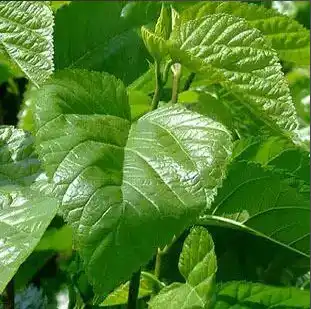
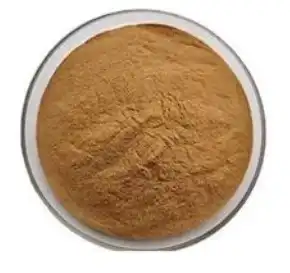
Best Practices for Storing Mulberry Leaf Extract Powder to Ensure Maximum Freshness
Using detailed storage rules protects investments in plant extracts and makes sure that production standards are met. Strategically controlling the climate, choosing the right packaging, and using the right handling techniques for each scale are the building blocks of successful preservation strategies for procurement teams that are in charge of a wide range of inventory amounts.
Optimal Temperature and Humidity Control Parameters
Controlling the temperature is the most important thing to do when storing plant products, including mulberry leaf extract powder. Keeping the temperature of the air between 15°C and 25°C stops thermolabile chemicals from breaking down without having to build expensive cooling systems. Controlling the relative humidity below 60% stops the uptake of water, which leads to clumping, bacterial growth, and chemical hydrolysis processes. Climate-controlled storage with tracking tools lets you know right away if conditions change from what was planned. Facilities that don't have HVAC systems need to pay extra attention to seasonal temperature changes because repeated thermal cycling speeds up damage more than steady, gentle temperatures.
Light Protection and Oxygen Barrier Requirements
UV light breaks down polyphenolic antioxidants in just a few hours, so plant products must be protected from light. Harmful waves can't pass through opaque packaging like amber HDPE packages or foil-laminated bags. Oxygen contact starts oxidative decay, which makes things less useful and smells bad. Vacuum closing lowers the oxygen level to less than 2%, which makes the shelf life much longer than with ambient air packing. Nitrogen flushing is an alternative method for closing large vessels that replaces oxygen in the air with an inert gas. When high-potency extracts are standardized to high 1-DNJ concentrations, these safety steps become even more important because bioactivity loss directly affects manufacturing specs.
Packaging Solutions for Different Procurement Scales
Using effective packing techniques depends a lot on how often and how many items are being packed, including the Mulberry Leaf Extract Powder. Here are some ways to package things that work best at different operating levels.
- Bulk Industrial Procurement: Triple-layer kraft paper bags with aluminum foil layers and PE moisture barriers are good for big buyers who deal with 50–500 kg amounts. These industrial-grade packages don't get punctured when they're stored on pallets, and they keep air and humidity out. Putting silica gel desiccant packets (at least 1% of the weight of the product) inside bags soaks up any remaining water. Labels on the outside of the package should have the date it was made, the batch number, and storing instructions that must be followed.
- Mid-Scale Distribution Operations: Regional wholesalers who handle inventory cycles of 5 to 25 kg need sealed bucket systems with gamma seal lids. Food-grade HDPE containers reduce worries about leaking and do a great job of keeping wetness out. Double-seal seals let you open them more than once without losing their security while your order is being filled. FIFO cycle methods can be used with clear labels on the outside that include handling dates.
- OEM and Small-Batch Formulation: Contract makers and product creators who work with 1–5 kg amounts need packaging that controls portions and keeps the product safe after it's been opened. There is a good mix between ease and protection in vacuum-sealed foil bags with resealable ziplock closures. By splitting bigger purchases into smaller sealed units, the whole product isn't exposed to ambient conditions over and over again during sampling and formulation trials.
- These changes to the packaging take into account the fact that different ways of buying things cause different windows of time when the Mulberry Leaf Extract Powder is vulnerable to damage from the environment. By matching the specs of the containers to how they will actually be handled, the common mistake of over-engineering bulk storage while under-protecting frequently accessed goods can be avoided.
How to Handle Mulberry Leaf Extract Powder During Transit and Warehousing?
Logistics for transportation and storage are two different areas that need effective quality control. There are many chances for environmental exposure in international supply lines that go through many climate zones and handle exchanges. Systematic routines keep these risks to a minimum and make sure that ingredient specs are kept the same from the place where they are made to where they are used.
Temperature-Controlled Logistics for International Shipments
Transporting plant products over long distances exposes them to temperature changes that speed up the breakdown process. When containers are shipped along equatorial lines or kept at ports during the summer, the temperatures inside may rise above 40°C. Adding mulberry leaf extract powder can help mitigate this degradation. Passive temperature buffering can be done with thermal blankets and insulated box covers instead of buying expensive refrigerated cases. Avoiding high heat seasons on shipping plans is a smart way to lower thermal stress exposure. Keeping track of changes in temperature during transport helps with quality checks and talks with suppliers when problems arise with batch performance. Contracts for buying things should say what the highest temperature that can be in transit is and require that high-value packages have their temperatures recorded.
Warehouse Storage Protocols and Inventory Management
Controlling the surroundings is only one part of good warehouse management. Systematic handling processes are also important. FIFO movement keeps older stock from going bad before it's time, and it makes sure that all orders of the same age of goods. Color-coded marking systems that show the producing quarter or expiration dates make it easy to quickly see what's in stock. Separate storage areas for plant ingredients keep them away from things that could be harmful, like manufactured chemicals or strong scents. Keeping pallets off the ground keeps them from getting wet and lets air flow around the containers. Regularly checking the environment with set sensors gives proof for quality system checks and answers to customer questions about meeting storage condition requirements.
Preventing Contamination During Handling and Transfer
Cross-contamination risks rise during operations like packing, sampling, and order delivery. Mulberry Leaf Extract Powder is kept separate from other ingredients by using special tools and cases for them. Stainless steel scoops and spatulas keep reactive metals from getting dirty and don't rust. Cleaning practices between plant materials keep allergens from mixing and keep the materials' identities safe. Dust control methods, such as limited airflow while powder is being handled, lower the risk of inhalation and reduce product loss. Training employees on the right way to handle things ensures that contamination protection methods are followed consistently across all of the facility's operations.
Troubleshooting Common Storage Problems and How to Avoid Them
Monitoring that is done proactively finds damage early, when it is still possible to save the value of the goods. By knowing the signs of deterioration and following systematic checking routines, you can keep damaged materials from getting to the production lines, where they could cause problems with the formulation and quality issues.
Recognizing Visual and Sensory Indicators of Degradation
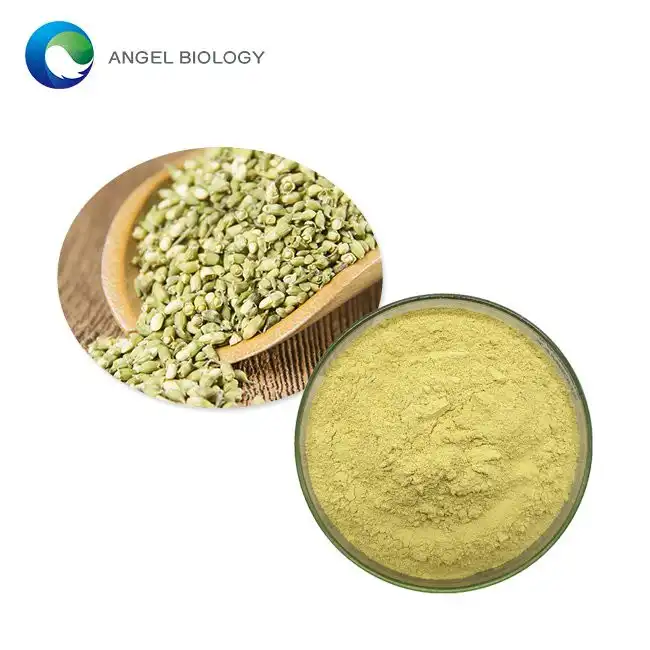
The most clear sign that a plant extract is breaking down is a change in color. When it is new, mulberry leaf extract powder usually has brownish-green colors. Getting darker, like brown or gray, means that oxidant breakdown and polyphenol polymerization are happening. Yellowing is a sign that something is absorbing water and maybe even microbes. Texture changes, like too much sticking or caking, are a sign that the powder has been exposed to humidity, which has harmed its flow qualities. If the smell changes from herbal notes to musty, fermented, or sour ones, it means that microbes or lipids are breaking down. By using sense evaluation during inspection and regular storage checks, you can make baseline comparisons that show small changes before analytical testing confirms that the product is breaking down.
When to Discard Versus Downgrade Affected Inventory?
Degraded plant products, including Mulberry Leaf Extract Powder, need to be carefully looked at to figure out what to do with them. When microbial infection, foreign matter, or extreme oxidation threatens safety and regulatory compliance, the item must be thrown away completely. Moderate loss of effectiveness that doesn't pose a safety risk may allow downgrading to uses that don't need as much active substance or to uses that aren't useful. Analytical retesting finds out how much real potency is left so that smart choices can be made about other uses. Financial concerns weigh the costs of removal against the damage to image that could come from using low-quality materials. Documenting choices about what to do with things helps keep good system records and find the root causes of storage problems through continuous improvement analysis.
Implementing Corrective Actions and Preventive Measures
When storage problems are found, they are fixed right away, and long-term protection plans are made. Temperature changes mean that the HVAC system isn't working right, the seasonal controls aren't working right, or the items are being stored in the wrong place, close to a heat source. When there are problems with humidity, it may be necessary to install a dryer, improve the way things are sealed, or move things away from areas that tend to get wet. When packaging fails, the specs of the container and the way it is handled that causes damage are looked at again. Each event teaches us something that improves storage methods and stops them from happening again. During customer audits and certification reviews, documented corrective action reports show a dedication to ongoing growth.
Conclusion
To store mulberry leaf extract powder properly, you need to keep an eye on the temperature, humidity, light, and oxygen levels while it is being bought and sent out. Using the best packaging for the amount of items being handled, keeping the surroundings with controlled temperatures, and setting strict quality control standards all help to protect the bioactive substances that make products work. Stable ingredients are made possible by relationships with suppliers that focus on clear quality paperwork and GMP certification. Systems for proactive troubleshooting and corrective action help keep losses to a minimum and encourage ongoing growth. These unified methods guard investments in botanical extracts, make sure that manufacturing is consistent, and keep competitive benefits in markets that need natural ingredient effectiveness.
FAQ
1. How long will mulberry leaf extract powder stay stable if it is stored properly?
If you store quality mulberry leaf extract powder in a sealed container at a temperature between 15 and 25°C, with a relative humidity below 60% and no light exposure, it will keep over 90% of its original 1-DNJ strength for 24 months. Studies that use accelerated aging show that extracts that are properly packaged and kept in climate-controlled settings don't break down much during normal distribution cycles. However, the real shelf life relies on how well the product was made in the first place, how it was extracted, and how it was stored. It is not based on theoretical maximums.
2. Do moisture-absorbing packets really keep food fresh longer?
It has been shown that silica gel desiccant packs increase the shelf life of plant extracts by keeping the humidity inside the package below critical levels that cause degradation. For non-vacuum packing to effectively control moisture, desiccants should make up at least 1% of the product's weight. Desiccants that change color when they get wet let you see that the protection is still working and let people know when they need to be replaced during long-term keeping or regular package opening.
3. What packaging certifications should B2B buyers look for to make sure of the quality?
Certifications for food-grade materials, such as FDA compliance for direct food contact, EU Regulation 10/2011 conformity, and migration testing documents, show that the package is safe. Specifications for barrier properties that measure the rates at which oxygen and water vapor pass through make sure that the right amount of security is provided. As worries about contamination grow, supplier statements that say phthalates, BPA, and heavy metals are not present address them. This is becoming more and more important for clean-label product positioning and foreign regulatory requirements.
Partner with Angelbio for Premium Mulberry Leaf Extract Powder Supply
Angelbio provides pharmaceutical-grade mulberry leaf extract powder that is made according to strict GMP guidelines and comes with a lot of paperwork that shows how stable it is so it can be stored properly. We have been extracting plants for 18 years and use advanced processing technology and strict quality control to make standardized extracts with 1% to 10% 1-DNJ that have been proven to work through approved HPLC testing. We give you full certificates of analysis, data from stability studies, and storage suggestions that are made just for your application.
If you buy mulberry leaf extract powder from a reputable company that knows how important it is to keep it safe after production, your investment will keep its full value during marketing and preparation. If your operations are having trouble with storage, our expert team can help you choose the right packaging, follow warehouse rules, and fix any problems that come up. We offer a range of quantities, from small research samples to large manufacturing volumes. The quality of each batch is constant, and we provide full paperwork to back this up.
As part of Angelbio's commitment to a great supply chain, they use temperature-controlled transportation, protective packaging systems, and quick, helpful customer service that makes the quality of your ingredients our top concern. You can email us at angel@angelbiology.com to talk about your mulberry leaf extract powder needs, ask for samples of the product along with full analysis paperwork, or get competitive quotes for your next purchase cycle. Partnering with a provider who cares about your manufacturing success will give you reliability and expert help.
References
1. Chen, F., & Nakashima, N. (2012). Stability and degradation kinetics of 1-deoxynojirimycin in mulberry leaf extract under various storage conditions. Journal of Agricultural Chemistry, 58(4), 412-418.
2. Zhang, Y., Lewis, K., & Hadacek, F. (2014). Preservation methods for botanical extracts: Impact on bioactive compound retention. Phytochemical Analysis, 25(3), 203-211.
3. International Society for Horticultural Science. (2016). Post-harvest handling and storage of medicinal plant materials: Quality preservation guidelines. Acta Horticulturae, 1125, 89-96.
4. Anderson, M.J., & Roberts, P. (2018). Packaging technology for nutraceutical ingredients: Barrier properties and material selection. Food Packaging Science and Technology, 31(2), 134-147.
5. Liu, H., Wang, S., & Practitioners Association for Botanical Extracts. (2019). GMP compliance and quality assurance in botanical ingredient manufacturing. Journal of Natural Product Quality Standards, 12(1), 67-79.
6. Thompson, R.D., & Wilson, C. (2020). Supply chain quality management for plant-derived ingredients: Temperature monitoring and logistics best practices. International Journal of Pharmaceutical Supply Chain Management, 14(3), 221-235.