



How Ashwagandha powder can enrich your routine?
With concentrated withanolides, Ashwagandha Root Extract Powder changes the way you take care of your health. These chemicals help your body deal with stress and stay healthy. This standardized extract, on the other hand, concentrates the healing properties of the root into doses that are easy to handle. People who make the supplements and people who use them can both get the benefits that have been shown in clinical trials without having to take too many servings. This old adaptogen can be used in supplement stacks in the morning, recovery blends after a workout, or relaxing rituals in the evening. It meets clean-label standards and gives people modern ways to handle their busy lives.
Understanding Ashwagandha Root Extract Powder: What Makes It Unique?
For botanical ingredients, there are a lot of herbal products on the market. But Withania somnifera stands apart because of its unique phytochemical profile and way of being processed. If people who work in procurement and formulating know these differences, they can choose wisely about where to get goods.
The Botanical Foundation and Extraction Process
In India, the Middle East, and some parts of Africa, Ashwagandha grows best in dry places. It is in the Solanaceae family. The root material is carefully extracted, usually with water or hydro-alcoholic solvents, to get the bioactive steroidal lactones called withanolides out. This method gets rid of plant matter that is mostly fibers while keeping the compounds that give plants their ability to adapt. These days, green chemistry methods are the most popular way to get things out of things because they don't leave behind harmful solvents and follow rules about sustainability. Hydro-ethanol methods get higher concentration ratios, while water-based extraction keeps all of the natural compounds that are present. It takes less of the extract powder to get the same effects as the raw root material because it is more bioavailable.
Standardization Levels and Quality Markers
HPLC analysis is used to show how much withanolide is in professional-grade extracts. Most of the time, standardization falls between 2.5% and 10%. It's more important to keep the ratios the same from one production batch to the next than to have higher percentages. Standardization fixes one of the biggest issues the supplement business has had for a long time: it's hard to tell how well a product will work because crops vary naturally. Withaferin A is a chemical that kills cells and is mostly found in leaves instead of roots. Its levels are also lowered by good extracts. When manufacturers with a good reputation get their ingredients, they have to follow strict rules. These rules make sure that the final powder meets both traditional Ayurvedic pharmacopeia standards and modern safety standards. This root-only method can tell the difference between cheap ingredients that put customers' safety at risk in exchange Ashwagandha Root Extract Powder for higher withanolide numbers and high-quality ingredients.
Physical and Chemical Characteristics
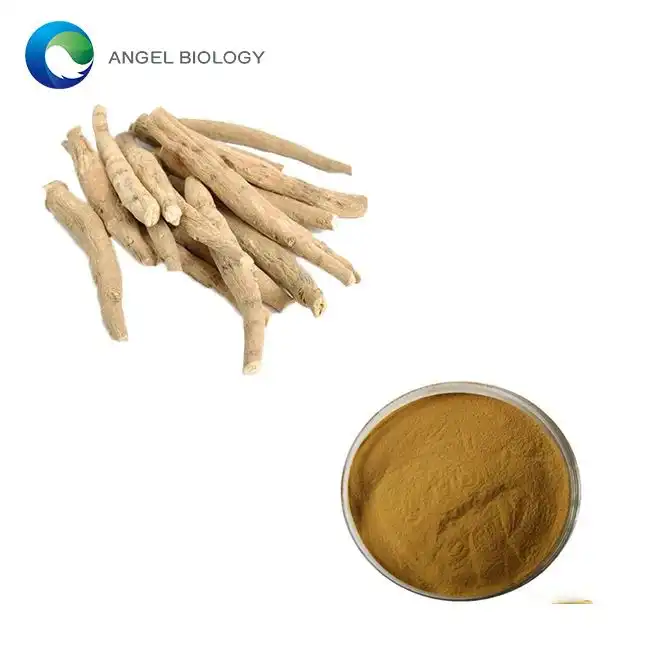
To draw water to itself, the extract is a fine, brown to yellowish-brown powder that tastes bitter and astringent. It's easier to mix complex mixtures evenly because most of the particles are small enough to get through 80-mesh screens. Its bulk density is best when it's between 0.40 and 0.70 g/ml, which is also the best range for automated production lines. The moisture level is kept below 5% so that microbes don't grow on the food while it's being stored or moved. These technical requirements have a direct impact on how things are made. This makes it easy to add them to functional food matrices, powdered drinks, tablets, and capsules without changing their stability or shelf life.


Key Benefits and Applications of Ashwagandha Root Extract Powder in B2B Use
This botanical ingredient has been shown to be good for people's health in several ways by clinical research. This means that it can be used in a lot of different formulations in many different industries. When companies know about these uses, they can make sure that the products they make follow government rules and consumer trends.
Stress Response and Cortisol Modulation
To keep adults who are under a lot of stress in a healthy range, standardized withanolide extracts have been shown to help in a number of randomized controlled trials. The adaptogenic mechanism helps the body keep homeostasis when it is under physical or mental stress. It does this without making the body sleepy or alert. This balanced approach will work well for people who want natural alternatives to man-made chemicals. Supplements that help with stress usually have between 300 mg and 600 mg of the extract per serving. They also usually have other ingredients that work well with it, like magnesium, L-theanine, or rhodiola. The powder form lets you precisely control the dose and can be delivered in a number of ways, such as by two-piece gelatin capsules or gas-filled tablets.
Cognitive Function and Mental Clarity
Research shows that regular intake improves working memory, attention span, and the speed at which information is processed. This ingredient fits well into the growing category of nootropics, where people are actively looking for nutrients that support brain health, because it makes the brain work better. These claims that have been backed up by science are especially helpful for B2B buyers who want to reach students, professionals, and older people. The extract is mixed with phosphatidylserine, bacopa, or lion's mane mushroom by people who make products so that the brain chemicals work better together. This part of the ingredient can be mixed with water to make ready-to-drink drinks and healthy coffee alternatives. For people with busy lives, this means that it can be given in ways other than capsules.
Physical Performance and Recovery
It's becoming clear to more and more sports nutrition companies that withanolides can help muscles get stronger and heal faster. In clinical studies, muscle mass, strength, and signs of muscle damage caused by exercise all improve. These results are good for athletes and fitness fans who want performance enhancers with clean labels. You can put the extract in shakes before you work out, shakes to help you recover afterward, and daily athletic support stacks. It can be used in many different performance blends because it mixes well with creatine, amino acids, and protein powders. That the ingredient is thermally stable, which means it can handle the temperatures used for powder processing, is something that manufacturers like.
Applications in Cosmetics and Personal Care
Standardized extracts are being looked into as a way to use Ashwagandha Root Extract Powder on the skin in addition to using it in food. The antioxidants in the bioactive compounds make the skin look better and keep it healthy. Natural skin care brands use it in masks, serums, and creams to treat skin problems caused by stress. Because the powder is made up of small particles and dissolves easily, it is simple to mix with different kinds of cosmetic bases, like gel formulations and oil-in-water emulsions. To make their products stand out, companies can use botanical actives that people already know and have used for a long time.
How to Choose the Right Ashwagandha Root Extract Powder for Your Business
Your choice of supplier affects how well a product works, how well it meets rules, and how well-known the brand is. Plus, they need to think about more than just price to make sure the supply chain works well in the long run.
Standardization and Analytical Verification
You need to pick the right withanolide content for the job you want to do. Most dietary supplements use standardized extracts at a concentration of 5% to support daily health, but some special formulations may need higher concentrations. Ask for Certificates of Analysis (CoA) that show the outcomes of the heavy metal screening, microbial counts, and pesticide residue analyses. Don't just trust the data that the manufacturer gives you; make sure that testing is done by third-party laboratories that have been approved by the manufacturer. Verification by a third party builds trust with regulators and picky customers who want more and more transparency. In this case, you could set acceptable ranges for key markers like total withanolides, withanolide A, and Withaferin A.
Certification and Compliance Standards
Organic certification costs more, but it meets the growing demand from customers for ingredients that don't have pesticides in them. Make sure that the price difference is worth it for the people you want to sell to, or that the material that was grown in a normal way meets quality standards. One or more of these certifications, like USDA Organic or EU Organic, require a third party to check the whole supply chain. A GMP certification shows that a factory follows certain rules to keep things clean, keep an eye on quality, and keep records. This certification is necessary if you want to sell pharmaceutical-grade goods or enter markets that have strict rules about importing goods. Ask for audit reports and certifications of the facilities that match how you plan to distribute them geographically.
Root-Only Sourcing Verification
Since the industry is worried about fake leaves, you should give more weight to suppliers who can clearly show where their leaves come from. Root-only extracts can still be used in the same ways, but they don't have as much Withaferin A. When looking for a supplier, ask them how they make sure their raw materials are good and what they do if a batch gets messed up. Some companies offer DNA testing to make sure the species is really what it says it is and that there are no hidden plant parts inside. These extra checks protect brands from adulteration scandals, which hurt customer trust and make regulators look more closely at the products. Recalls that cost a lot of money and hurt the company's reputation can be avoided by spending a little money on qualifying suppliers.
Procurement Strategies: How to Source Ashwagandha Root Extract Powder Efficiently
You need to do more than just talk about prices at first to build strong relationships with suppliers. Cost control, quality assurance, and making sure there is a steady supply of goods are all important parts of smart procurement.
Supplier Qualification and Risk Assessment
First, make a list of all the possible suppliers, from companies in India that make raw materials to companies in North America that sell them. Getting help from the manufacturer directly can save you money and make things work better. On the other hand, distributors offer lower minimum order quantities and stock that is close by. Figure out the best way to source by looking at your cash flow and how much volume you need. You can ask your suppliers to fill out questionnaires about their ability to follow rules, their ability to make things, and their production capacity. There is a great way to compare what is written down with what is happening: site audits. Video audits done from afar are now a good way to do preliminary screening before going on a trip abroad for final qualification. Check out the risks to the supply chain that come from the environment and politics. Indian Ashwagandha crops change with the seasons and can be hurt by droughts. Sellers who keep a reserve stock or work with more than one growing area are better at managing risk. You won't have to scramble when supplies run out if you set up backup suppliers ahead of time.
Sampling and Scaling Protocols
Before making a big purchase, you should always do a lot of research on the item. Get 100 to 500 grams of samples to use in the lab and for small-scale formulation tests. Test more than one supplier at the same time to see how well they do and how good their products are. Before you start full-scale production, you should do accelerated stability studies to find problems with possible degradation. Once the lab results are good enough, you can move on to pilot-scale orders of 5 to 25 kilograms. In this step in the middle, the production team can get used to how things are done and make sure that the process is always the same. Before you sign an annual supply agreement, make sure that important quality characteristics are the same in all batches. All of the steps for testing and deciding what is acceptable should be written down. This methodical approach means there are no arguments when rejecting material that doesn't meet standards. It also makes long-term supply relationships clearer. Auditors from the government and customers are also happy with the qualification processes that are well-documented.
Price Structure and Payment Terms
Many times, the price per kilogram goes down when you buy in bulk. However, having too much inventory can tie up capital and cause it to break down. To find the best order quantities, compare the discounts for larger quantities with the costs of storage and shelf life. Talk about pricing plans that give you breaks when you reorder, which, for most supplement companies, is every three to six months. How long a supplier has been a partner affects how they are paid. Some people need to pay ahead of time or send a letter of credit for their first order. You might be able to offer net-30 or net-60 terms for partnerships that last longer. As a business owner, you need to be aware of things like changing exchange rates, wire transfer fees, and import duties. Before you compare prices, don't just look at FOB prices. Also, look at these total landed costs. Angelbio is a well-known company that has been making Ashwagandha Root Extract Powder for more than 18 years. They have a history of offering competitive prices and having full analytical documentation and GMP certification to back this up. By integrating the supply chain, we can keep prices low for people who buy in bulk and make sure that the quality stays the same. Because Xi'an Jiaotong University helps with research, and Angel Holding Group has the infrastructure for business, partnerships can grow in a safe way.
Ensuring Safe and Effective Use: Dosage, Side Effects, and Compliance
Making sure products are safe and following the rules is good for both customers and the reputation of the brand. To make responsible formulations, you need to know about dosage ranges, possible drug interactions, and what you need to put on the label.
Dosage Guidelines for Different Applications
Every day, 300 mg to 600 mg of standardized Ashwagandha Root Extract Powder is usually used in clinical studies. This is usually split into one or two servings. Many stress-relieving pills come in capsule form and tell you to take them twice a day. For brain power and performance, single 600 mg doses can be used. These are usually taken in the morning. Because of issues with taste and serving size, functional food and drink apps have to deal with dosage limits. Protein shakes and wellness shots usually have between 150 mg and 300 mg per serving. To get the most out of them, you should eat them every day. Formulators have to find a balance between claims of effectiveness and issues with masking flavors and limitations on how much to use. For cosmetics, the rules for concentration are different, but in finished products, they are usually between 0.5% and 2%. It's important to be careful and make sure that claims are true because these topical doses haven't been tested in the same rigorous way as oral supplements.
Safety Profile and Interaction Considerations
If adults who are healthy take the right amount of Ashwagandha extract, it is usually safe. Some people get mild stomach pain, especially when they take bigger amounts before a meal. On the label, it should say to eat or drink it with food to lessen this reaction. There are groups that need extra safety checks. There isn't a lot of modern clinical evidence to support the idea that pregnant women shouldn't take Ashwagandha, but this is what people have always thought. Before taking this herb, people with autoimmune diseases or thyroid issues should talk to their doctor because it might change how their immune system works and the amount of thyroid hormones they have. The ingredient might not work well with immune system-slowing drugs, sleep aids, or chemicals that work on the thyroid. Good brands put out the right kinds of warnings and tell people to talk to their doctors about all the supplements they take. Being open in these ways helps customers trust you and protects you from liability issues.
Regulatory Frameworks and Labeling Requirements
There are rules about dietary supplements in the US that are set by the FDA. The Dietary Supplement Health and Education Act (DSHEA) makes this possible. It has been used safely in food for a long time, so it doesn't need to be reported as a new dietary ingredient (NDI) as long as it is made the same way and in the same amounts as before. But NDI requirements might be needed for new ways of extracting or for much higher concentrations. You don't have to get FDA approval before making claims about structure-function. You just need to back them up with good scientific evidence. The wording used in claims should not be about curing illness. Instead, they should work on keeping the structure and function of the body normal. It's better to say things like "supports healthy stress response" than "treats anxiety disorders."
Conclusion
Ashwagandha Root Extract Powder comes from plants and has been shown to help with a number of health problems by scientists. Formulators can also use it in a lot of different ways. Because the extract is high in withanolides, it consistently helps with beauty, brain function, stress relief, and brain function. To make sure everything works well together, you need to be picky about your suppliers, pay attention to markers for standardization and purity, and follow the rules set by the regional government. People who work in procurement will build supply chains that can help brands grow by putting quality control, open sourcing, and building strategic relationships with suppliers at the top of their list of priorities. It fits with the trend toward clean labels, and more people are learning about traditional botanicals. This makes it a good choice for nutraceutical, functional food, sports nutrition, and personal care products that want to keep growing their markets.
FAQ
1. What is the difference between ashwagandha root powder and root extract powder?
Whole roots that have been dried out and ground up make up raw root powder, just the way it is. About 0.2% to 0.5% of these roots are made up of withanolides. To get more bioactive compounds out of the extract powder, solvent processing is used. Usually, standardization is reached at 2.5% to 10% withanolide. For the same amount of active compound delivery, 300 mg of extract works just as well as 3,000 mg of raw powder at this concentration. The differences between crops that can change how strong raw materials are are also taken away by Ashwagandha Root Extract Powder.
2. How long does it take to notice benefits from ashwagandha supplementation?
Depending on what the study was trying to find, different timelines are shown. The stress response starts to get better after two to four weeks of taking 300 mg to 600 mg every day. Eight weeks after starting the supplement, most people notice improvements in their cognitive function. For physical performance to get better, like getting stronger and recovering faster, it usually takes eight to twelve weeks of consistent use along with the right training plans. Responses are different for everyone because they depend on where they started, how much they take, and how they live their lives.
3. Can ashwagandha extract be combined with other botanical ingredients?
Functional ingredients and adaptogens that work well with the extract make it work even better. Cordyceps can help your body work better, rhodiola can help you deal with stress, and bacopa can help your brain. Magnesium and L-theanine help you calm down, and B vitamins help your body use its energy. To make sure their ingredients work well with certain matrices, formulators should test how stable their ingredients are. In liquid applications, pH and oxidation factors can change how ingredients work together, so this is very important.
Partner with Angelbio for Premium Ashwagandha Root Extract Powder
Angelbio has been extracting plants for 18 years. They use strict quality control systems to make Ashwagandha Root Extract Powder that meets the high standards of companies around the world that make cosmetics, nutraceuticals, and functional foods. Our standard extracts only come from roots, and their withanolide content has been checked and proven. They also come with full analytical documentation that helps make sure they follow the rules in all the major markets. Angel Holding Group and the Institute of Life and Health Research at Xi'an Jiaotong University work together to make sure that the method of extraction and quality control are always getting better. We help OEM and private-label brands grow by letting new brands choose their own minimum order quantities. We also keep our production capacity so that we can serve well-known brands. You can talk to our technical team about your specific formulation needs, ask for samples, or look into bulk Ashwagandha Root Extract Powder supplier partnerships that fit your business goals and quality standards by emailing angel@angelbiology.com.
References
1. Chandrasekhar K, Kapoor J, Anishetty S. A prospective, randomized double-blind, placebo-controlled study of safety and efficacy of a high-concentration full-spectrum extract of ashwagandha root in reducing stress and anxiety in adults. Indian Journal of Psychological Medicine. 2012;34(3):255-262.
2. Choudhary D, Bhattacharyya S, Bose S. Efficacy and safety of ashwagandha root extract on cognitive functions in healthy adults: A double-blind, randomized, placebo-controlled study. Evidence-Based Complementary and Alternative Medicine. 2017;2017:4218697.
3. Wankhede S, Langade D, Joshi K, Sinha SR, Bhattacharyya S. Examining the effect of Withania somnifera supplementation on muscle strength and recovery: A randomized controlled trial. Journal of the International Society of Sports Nutrition. 2015;12:43.
4. Singh N, Bhalla M, de Jager P, Gilca M. An overview on ashwagandha: A Rasayana of Ayurveda. African Journal of Traditional, Complementary and Alternative Medicines. 2011;8(5 Suppl):208-213.
5. Mishra LC, Singh BB, Dagenais S. Scientific basis for the therapeutic use of Withania somnifera: A review. Alternative Medicine Review. 2000;5(4):334-346.
6. Zahiruddin S, Basist P, Parveen A, et al. Ashwagandha in brain disorders: A review of recent developments. Journal of Ethnopharmacology. 2020;257:112876.