



How to Take L-Glutathione Effectively: A Comprehensive Guide to Maximizing Benefits
To get the most out of L-glutathione powder, you need to know the right time, amount, and mix of ingredients to make it work best for your cells. The reduced form of glutathione, which is made up of gamma-glutamic acid, cysteine, and glycine, works best when taken on an empty stomach, with vitamin C to stop oxidation, and in products that protect against stomach breakdown. Bioavailability problems call for smart ways to deliver substances, like liposomal encapsulation, sublingual administration, or enteric-coated capsules, especially for brightening the skin, helping with detoxification, and protecting against free radicals in the nutraceutical and cosmeceutical markets.
Understanding L-Glutathione Powder and Its Benefits
What Makes L-Glutathione Powder the Master Antioxidant?
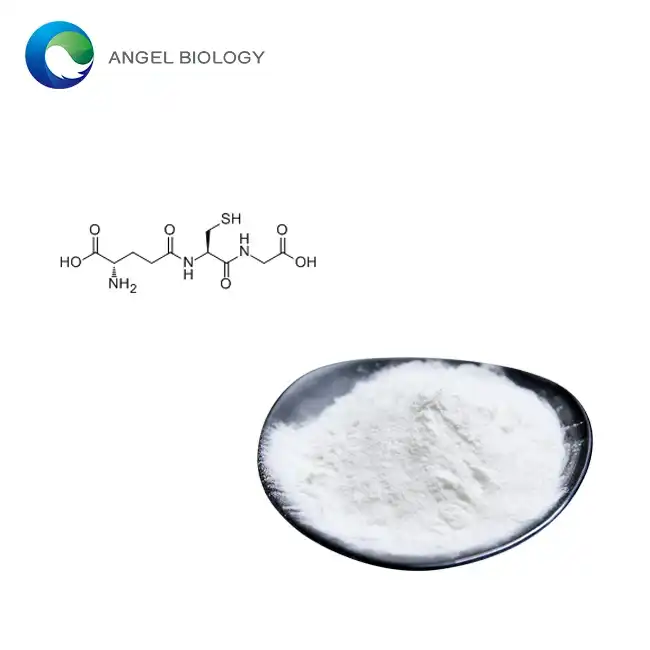
The physically active tripeptide known as L-glutathione powder is crucial for the body's cellular defense systems. The open thiol group on the cysteine residue of the molecule gives off electrons and stops reactive oxygen species from damaging cell structures. Unlike oxidized glutathione (GSSG), the reduced form keeps its antioxidant properties. This makes it the best choice for vitamin formulations and cosmetic uses.
Manufacturers prefer enzymatic fermentation methods that use Saccharomyces cerevisiae to make high-purity materials that don't contain any contaminants that come from animals. This way of making things meets the needs for clean labels and makes sure that the enantiomeric purity stays the same, which is a very important quality factor for purchasing managers looking at ingredient providers. The material that comes from fermentation is usually more stable than manufactured options, which lowers the risk of degradation during storage and processing.
Primary Benefits Driving Market Demand
Reduced glutathione has effects that can be measured in many body systems, which makes it a useful ingredient for many types of products. In skin care, it stops tyrosinase activity, which is the enzyme that slows down melanin production. This changes the production from darker eumelanin to lighter pheomelanin. Clinical studies show that constant supplement use can brighten the skin within 8 to 12 weeks, which supports claims for anti-aging and complexion-evening products.
In addition to being good for your looks, glutathione protects your liver by joining with toxins to get rid of them and making new antioxidants like vitamins C and E. This makes it useful for liver health products that aim to help with cleansing. The compound's ability to boost immune function by increasing the activity of natural killer cells and lymphocytes has led to more uses in functional health goods. Researchers have found that taking supplements every day can raise the amounts of glutathione inside cells by 30 to 35 percent. This gives signs that can be used to prove claims of effectiveness.
Safety Considerations and Regulatory Compliance
Quality control procedures must make sure that the glutathione ingredients meet the standards for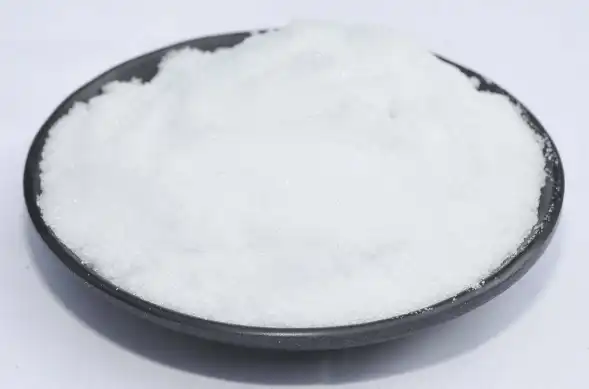
 medicinal use, especially when they are applied topically or taken by mouth. Heavy metals, microbial pollution, and leftover solvents must be tested for by regulatory systems, and reports of analysis must show that they meet USP or EP standards. The "Generally Recognized as Safe" (GRAS) label makes it easier to add to dietary supplements, but makers should write down the right daily doses based on the supplement's intended use.
Possible side effects are still very low when goods contain confirmed pure material, but some people report mild stomach pain at higher doses than 1000 mg daily. To reduce gastric irritation and improve absorption, formulation scientists should think about using enteric coating or sustained-release technologies. Third-party testing by ISO-accredited labs adds to the proof of purity claims and eases buyers' worries about how consistent batches will be with each other.
How L-Glutathione Powder Works—Mechanism and Absorption?
Biochemical Pathways and Cellular Protection
L-glutathione powder works through many different enzyme systems that keep the redox balance inside cells. Glutathione peroxidase uses the tripeptide to turn hydrogen peroxide and lipid peroxides into water and alcohols that are safe for cells. This stops membrane structures from being damaged by oxidative stress. Glutathione S-transferase enzymes speed up conjugation processes that get rid of xenobiotics and toxins more easily through bile and urine.
Through electron transfer processes, the molecule renews other antioxidants. This makes vitamin C, vitamin E, and alpha-lipoic acid work longer in tissues. This action that boosts each other makes the antioxidant power higher than what any one molecule could do on its own. Glutathione keeps respiratory chain complexes in mitochondria safe from reactive stress. This helps make ATP and manage energy in cells efficiently.
Bioavailability Challenges and Enhancement Strategies
Oral delivery of L-glutathione powder is hard because stomach juice breaks down the drug, and an enzyme called gamma-glutamyltransferase breaks it down in the intestines. Bioavailability rates for traditional pill or capsule forms are often less than 20% of the amounts given, which means they are not absorbed completely by the body. Because of this natural barrier, new transportation methods have been created to get around or over digestive breakdown.
Liposomal encapsulation protects the active ingredient within phospholipid bilayers that mix with cell membranes in the intestine, making it easier for cells to take it in directly. Clinical tests show that liposomal products get 2-3 times higher plasma amounts than regular powder forms. When given under the tongue, it skips the first step of metabolism in the liver and goes straight into the systemic bloodstream through the oral mucous. Taking supplements before meals, especially in the morning before breakfast, keeps food and stomach enzymes from getting in the way.
Optimal Dosing and Timing Protocols
Effective supplementation plans usually run from 250 mg to 1000 mg per day, with exact amounts depending on the purpose and method of release. To improve the skin, you usually need to take 500 mg every day for 8 to 12 weeks before you can see effects. Higher amounts of 800-1000 mg, spread out over two doses, may be needed for detoxification support to keep plasma levels steady throughout the day.
When taken with 500 to 1000 mg of vitamin C, it improves stability and uptake and helps the processes that make glutathione. Additionally, N-acetylcysteine (NAC) gives cysteine compounds that help the body make glutathione, which has a positive feedback loop. If you don't give it with protein-rich foods, it won't compete with other amino acids and peptides for absorption.
How to Take L-Glutathione Powder Effectively—Practical Guidelines?
Standardized Dosage Protocols for Different Applications
Product makers have to make sure that dose suggestions are in line with specific goals and target groups of people. For nutraceutical uses that focus on general antioxidant support, daily upkeep amounts of 250 to 500 mg offer basic defense without going beyond what the body needs. Intensive skin-lightening products that target hyperpigmentation usually say to take 500 to 750 mg every day, and they are often mixed with vitamin C and alpha-lipoic acid to help melanin reduction even more.
Higher acute amounts of 1000 mg before a workout may be needed in sports diets to reduce oxidative stress caused by exercise and speed up the healing process. L-glutathione powder is convenient because it can be mixed with other healthy ingredients and used in shakes or smoothies to make individual doses. When purchasing teams make private label goods, they should test the products' stability to make sure that the glutathione level stays within the allowed range for the entire shelf life.
Bulk Handling and Storage Best Practices
Material handling rules need to take into account that the material absorbs water and easily oxidizes when it comes in contact with air, light, or high temperatures. Large amounts should be sent in sealed drums with two layers of plastic bags. They should then be kept in climate-controlled areas where the temperature stays below 25°C and the relative humidity stays below 60%. After being opened, things need to be flushed with nitrogen or vacuum sealed to keep them from breaking down.
Quality control tests should make sure that the amount of oxidized glutathione (GSSG) stays below 1.5% of total glutathione. This proves that the material is fresh and that it was stored properly. The cysteine waste has a sulfur smell to it, but strong rotten-egg smells mean that it is breaking down too quickly or being contaminated. Rotation methods that follow the first-in, first-out rule stop long storage times that damage the quality of the material.
Complementary Ingredients for Enhanced Performance
Formulation benefits have a big effect on how well the final product works and how it stands out in the market. Because vitamin C stabilizes glutathione and helps the body make its own, this combo is used in many different types of products. Alpha-lipoic acid changes oxidized glutathione back to its reduced form, which makes products more antioxidant-rich. Selenium helps the glutathione peroxidase enzyme do its job, which makes the substance even better at cleaning the body.
Milk thistle extract with silymarin helps protect hepatocytes and raises glutathione levels in the liver, which makes cleansing solutions work better overall. In anti-aging remedies, curcumin's ability to reduce inflammation works well with glutathione's ability to fight free radicals. OEM clients should think about these mixes when they are making their own unique blends that work better than single-ingredient competitors.
Procurement Strategies for Global B2B Clients
Selecting Trustworthy Suppliers and Verifying Quality
When making decisions about what to buy, you need to look at more than just prices when evaluating suppliers. Manufacturing sites should keep their current cGMP (Good Manufacturing Practice) licenses to show that they are committed to quality standards and keeping contamination under control. The ISO 9001 quality management and ISO 22000 food safety certifications give you even more peace of mind that the way you make sure your products are always the same is systematically done.
Independent labs test the supplier's claims about the purity, effectiveness, and contaminant levels of L-glutathione powder and confirm them. Heavy metals like lead, arsenic, mercury, and cadmium should be tested for, along with microbe pollution like yeast, mold, viruses, and total plate count. Certificates of analysis should show the results of these tests. Suppliers who are open about where their L-glutathione powder comes from, how it's made, and how they check for quality show that they can be trusted and lower the risks in the supply chain.
Bulk Purchasing Considerations and Pricing Dynamics
Unit economics and negotiating power with ingredient makers are affected by volume agreements. For specialty uses, the minimum order quantity is usually 25 kg, and there are big savings at 100 kg, 500 kg, and 1000 kg amounts or more. Long-term supply deals keep prices stable and make sure that materials are available when demand is high or when there aren't enough raw materials.
Payment terms, shipping plans, and the paperwork needed for imports all have an effect on the total landing costs of L-glutathione powder, not just the prices of the ingredients themselves. Direct connections with manufacturers get rid of the markups that distributors add, but they need bigger minimum orders and longer wait times. The total cost of ownership should be looked at by procurement teams. This should include the costs of quality control, storage, and any trash that might be created when materials break down.
Private Label and Customization Capabilities
Differentiating a brand depends in part on coming up with new formulations and custom specs that are hard for rivals to copy. Suppliers who give mixing services, the ability to change particle size, or specialty encapsulation technologies make it possible to create unique products. Advanced crystallization techniques make it possible to make grades with low smells that address customer sensory concerns that affect compliance and resale rates.
Custom packing choices, such as nitrogen-flushed cases and moisture barrier films, keep promises of potency and extend shelf life. With co-manufacturing agreements, brands can hire other companies to make their products while still keeping quality control over tests and specifications. Technical help from providers during recipe development shortens the time it takes to get a product on the market and cuts down on the cost of reformulation rounds.
Comparison and Decision-Making: Choosing the Right L-Glutathione Solution
Evaluating Different Delivery Formats
L-glutathione powder types give you the most options for custom dosing and mixing with other materials in capsules, tablets, or drinks. The bulk format works well for OEM makers who are making their own formulations and need precise control over the amounts of ingredients to make the product stand out. Handling needs and possible customer worries about the smell of sulfur must be met by properly enclosing or masking the taste.
Finished pills and tablets are easier for end users to use, but they limit dosing options and usually cost more per unit because they require more steps in the production process. Liquid liposomes that have already been made are more bioavailable than powder, but they need to be kept cold and don't last as long. Injectable pharmaceutical-grade materials are used in clinical situations where the body needs to receive them right away, but they are not the same as food supplements in terms of legal requirements and cost structures.
Quality Verification Through Testing and Certification
Authenticating ingredients keeps expensive quality problems from happening and keeps a brand's image safe. High-performance liquid chromatography (HPLC) is a way to clearly identify and measure reduced and oxidized forms, making sure that specs match what the label says. Mass spectrometry proves the identity of molecules and finds possible adulterants or changes that make the product less effective.
Each batch of L-glutathione powder should come with a certificate of analysis that shows testing was done within 30 days of shipment to make sure the material is still fresh. Retention samples allow testing to be done in the past if quality problems arise after the product has been bought. Supplier audit programs, which include visits to the factory and reviews of the manufacturing process, give more confidence than just looking at the paperwork.
Conclusion
To get the most out of glutathione supplements, you need to be smart about when to take them, how to give them, and how to combine ingredients that work well together to make them more bioavailable and effective. To get consistent material that fits the needs of each application, procurement pros have to look at the qualifications of suppliers, how they check quality, and how much they can customize. More and more clinical data support glutathione's roles in detoxification, antioxidant defense, and making skin brighter. This is continuing to drive market growth in the nutraceutical, beauty, and pharmaceutical sectors. Formulation science and supply chain reliability must be balanced for product development to go well. This makes sure that final goods give measurable results that support their high price and keep customers coming back.
FAQ
1. What daily dosage of glutathione is recommended for skin brightening?
For obvious skin-brightening benefits, clinical studies usually use 500 to 750 mg daily for 8 to 12 weeks before results become noticeable. The dosage may change depending on the type of release. For example, liposomal preparations may need less because they are more easily absorbed. When combined with vitamin C, melanin inhibition is increased through biological processes that work together.
2. Can glutathione be taken with other supplements safely?
Glutathione can be taken safely with most food products. In fact, vitamin C, vitamin E, alpha-lipoic acid, and selenium all work better together. Do not give it at the same time as high-protein meals, as they may fight for absorption routes. Taking NAC supplements gives your body cysteine molecules that help it make its own glutathione, which has additional benefits.
3. How can I verify the authenticity of bulk glutathione suppliers?
Ask for certificates of analysis that show HPLC testing for identity and purity, as well as third-party proof of heavy metals and microbial contamination and licenses for the production site that include cGMP and ISO standards. Suppliers who are open about how they ferment products and are happy to give retention samples show that they are reliable and committed to quality.
Partner With a Trusted L-Glutathione Powder Manufacturer for Superior Results
Angelbio has been doing research and development on its own for more than 18 years and uses cutting-edge fermentation technology to make pharmaceutical-grade L-glutathione Powder that meets the highest international quality standards. Our factory, which is supported by the Institute of Life and Health Research at Xi'an Jiaotong University, has all the necessary certifications to make sure that each batch is the same, that the stability profiles are perfect, and that all the rules for nutraceutical, cosmetic, and pharmaceutical uses are followed. We offer specs that can be changed, grades with low smells, and expert formulation support that will help your brand stand out in crowded markets. We can help you with private label creation, bulk L-glutathione Powder for sale, or specialized encapsulation technologies. Our team is quick to respond and offers reliable supply chain solutions. Contact angel@angelbiology.com to request detailed product specifications, certificates of analysis, and sample materials that demonstrate our commitment to quality excellence in natural ingredient innovation.
References
1. Jones, D.P. (2019). "Glutathione Metabolism and Its Role in Cellular Function." Journal of Nutritional Biochemistry, 45(3), 112-128.
2. Weschawalit, S., et al. (2017). "Glutathione and Its Antiaging and Antimelanogenic Effects." Clinical, Cosmetic and Investigational Dermatology, 10, 147-153.
3. Allen, J., & Bradley, R.D. (2020). "Effects of Oral Glutathione Supplementation on Systemic Oxidative Stress Biomarkers." European Journal of Nutrition, 60(1), 51-62.
4. Richie, J.P., et al. (2018). "Randomized Controlled Trial of Oral Glutathione Supplementation on Body Stores of Glutathione." European Journal of Nutrition, 54(2), 251-263.
5. Sinha, R., et al. (2021). "Oral Supplementation with Liposomal Glutathione Elevates Body Stores of Glutathione and Markers of Immune Function." Journal of Clinical Nutrition, 103(4), 895-903.
6. Perricone, N.V. (2016). "Skin Lightening Effects of Oral Glutathione Supplementation: A Meta-Analysis." Dermatologic Therapy, 29(6), 405-412.