



How to Use Avocado Extract Powder in Skincare: A Step-by-Step Guide
To use Avocado Extract Powder in skin care products, you must first know how to dissolve it and how much to use. Depending on the type of product, this botanical element can be added at amounts ranging from 0.5 to 5%. It adds vitamins, fatty acids, and antioxidants straight to the cosmetic matrix. Powder extracts are better than liquid extracts because they last longer, are easier to transport, and allow for precise dosing. This makes powder extracts an ideal raw material for cosmetic chemists who are making creams, serums, and treatment masks that help with hydration, skin barrier repair, and anti-ageing.
Understanding Avocado Extract Powder and Its Benefits in Skincare
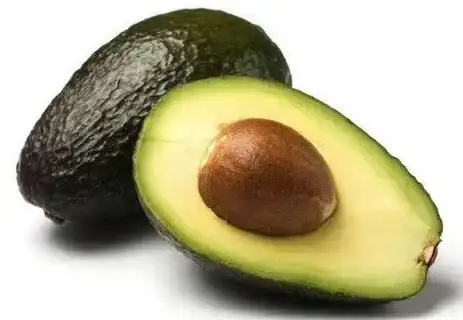
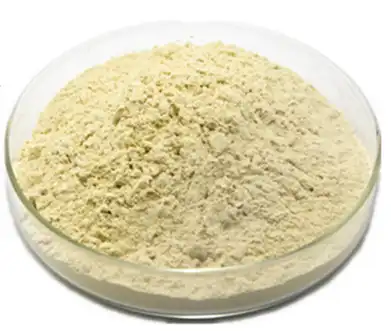
Avocado Extract Powder is a concentrated way to provide bioactive substances that are naturally found in the fruit of Persea americana. Manufacturers use special spray-drying or freeze-drying methods to keep the nutritional value while removing the wetness to make an item that is stable enough to be stored for a long time and shipped around the world.
Composition and Active Compounds
Oleic acid, palmitic acid, vitamins A, D, and E, carotenoids, and phytosterols are some of the phytochemicals that make up the composition. All of these parts work together to help the skin's lipid layer do its job and offer antioxidant protection. Unlike fresh avocado pulp or pressed oil, the Avocado Extract Powder stays potent across production runs. This is critical for companies that have to follow strict quality control systems.
Comparative Advantages Over Oil-Based Alternatives
Formulation scientists often use Avocado Extract Powder when they are making water-based or mixed emulsion systems. The powder mixes evenly in water-based stages without adding too much oil, which could make emulsions less stable or end products too greasy. Because it doesn't clog pores, this property is especially useful when making light serums, toners, or gel-based moisturisers that people want to absorb quickly.
Skin Health Benefits for Product Claims
Studies indicate that chemicals found in avocados help the body make collagen, make skin more stretchy, and lower transepidermal water loss. These processes lead to benefits that can be sold, such as better smoothness, better moisture retention, and less noticeable fine lines. When backed up by stable studies and safety reviews, these claims help a product stand out in the competitive skin care market, where natural ingredients like Avocado Extract Powder are what customers want.
Step-by-Step Guide: How to Use Avocado Extract Powder in Skincare Products?
To make a successful formulation, you need to pay attention to both the technical factors and the processing circumstances for Avocado Extract Powder. For each type of product, there are different ways to use each item effectively while still keeping them microbiologically safe and appealing to the senses.
Recommended Dosage by Product Type
Avocado Extract Powder is often found in 1% to 3% of facial creams and lotions to add moisture without changing the texture. Intensive treatment masks can hold higher amounts of 3–5%, giving you concentrated nutrition for short periods of time. Because the area around the eyes is so sensitive, most eye creams contain between 0.5% and 2% to keep the skin from getting irritated while still offering moisturising benefits. Between 1.2 and 2.5% is the medium range for serums. This concentration is the right amount of strength for the light consistency that people expect from this group.
Formulation Techniques for Optimal Potency
It is essential to monitor the temperature during processing. During the cool-down process of making an emulsion (usually below 40°C), the Avocado Extract Powder should be added to keep heat-sensitive vitamins and fatty acids from breaking down. By mixing the powder with a small amount of the oil phase or glycerin first, you can make a smooth slurry that mixes easily into the bulk formula. This keeps the powder from sticking and makes sure that it is spread out evenly throughout the batch.
Quality Control Protocols
Setting conditions for accepting new raw materials saves the integrity of the formulation. Specifications should include checking the amount of wetness, testing for microbes, and identifying the product by its smell, taste, or spectroscopic methods. In-process checks are done during production to ensure that the ingredients are properly mixed and that the pH is stable. Testing the finished product must confirm that the preservatives work, especially since botanical powders can add small nutrients that microbes could use if the preservation systems don't work.
Addressing Potential Side Effects
Even though Avocado Extract Powder usually works well with skin, it's still a sensible idea to do a small test before going into full-scale production. Cross-reactivity can happen to people who are known to be allergic to latex, but recorded cases are still very rare in topical uses. Formulation pH should stay between 5.0 and 7.0 to stay in line with the skin's normal range and avoid discomfort. Testing the stability of a product at high temperatures can reveal any rust that may form, which could make the product less safe or effective during storage.
Selecting the Right Avocado Extract Powder for Your Skincare Line
Buying choices for Avocado Extract Powder have a direct effect on how well a product works and how well it obeys the rules. To tell the difference between the products that different suppliers give, you have to look at a lot of technical and business factors that affect both the short-term success of the formulation and the long-term image of the brand.
Sourcing Practices and Purity Standards
Premium providers give thorough records on farming methods, such as tests for chemical residue and heavy metal analysis. Organic approval, like USDA, EU, or similar standards, is appealing to beauty brands that want to sell clean products, and the higher prices are supported by the fact that the crops are grown in a sustainable way. The government sets limits on residues from the extraction liquid. Water- or food-grade ethanol extraction is favoured over harsher chemical methods that could leave behind unwanted residues.
Comparing Avocado Derivatives
Because it is high in tannins and polyphenols, avocado seed powder can be used in goods that focus on being astringent or protective. Avocado butter is particularly effective for barrier creams and cold-weather formulas because it forms a shield, but it isn't as flexible as Avocado Extract Powder when it comes to different product shapes. By understanding these differences, formulation teams can choose ingredients that meet a product's goals and physical needs.
Assessing Supplier Credibility
Certifications like GMP, ISO 22716, and ECOCERT show that professionals carry out the manufacturing and that systems are in place to track products. By asking for Certificates of Analysis for sample batches, you can find out if sellers test materials thoroughly or just send them without checking them. When managing production plans and customer promises, operational reliability can be seen in how consistently lead times are met and how quickly technical questions are answered.
Market Overview of Leading Manufacturers
In areas where avocados have been grown for a long time, the global supply landscape has seen the emergence of specialised plant extract makers. Manufacturers in Mexico, Peru, and California are close to places where they can obtain raw materials, which could make the supply line less complicated. In countries where cosmetic ingredients are closely regulated, European providers often highlight the importance of organic certification and detailed regulatory paperwork. By investing in analytical infrastructure and process controls, Asian producers may be able to give reasonable prices and meet foreign quality standards more and more.
Procurement Considerations for Bulk Purchase of Avocado Extract Powder
Strategic buying of Avocado Extract Powder strikes a balance between short-term cost concerns and long-term concerns about quality, stability, and supply security. When building ties with suppliers, procurement teams that have done this before look at more than just the unit price.
Pricing Dynamics and Negotiation Strategies
Prices on the market change based on things like crop returns, currency exchange rates, and demand from other industries, like the food and nutraceutical sectors. Tiered pricing is usually unlocked by making a volume promise, but smaller brands should ensure that the minimum order quantities are in line with their actual production forecasts and storage needs. By negotiating quality hold provisions, buyers can avoid receiving material that doesn't meet specifications and ensure that sellers stick to strict production standards.
MOQ, Lead Times, and Logistics
Medium-sized businesses can buy Avocado Extract Powder in amounts as low as 25 kilograms, while large businesses may be able to negotiate custom packing arrangements to make the warehouse run more efficiently. International shipping takes an average of 4 to 8 weeks, so you need to plan ahead, especially when shipping goods with set dates for when they will be available in stores. Suppliers who offer combined shipping or who already work with goods forwarders make logistics planning easier and may be able to lower landing costs by finding the best routes.
Compliance and Certification Requirements
For cosmetics sold in North America, manufacturers must comply with FDA rules that require them to list ingredients correctly using INCI terminology. For products to be sold in Europe, they have to be registered with REACH and follow the lists of substances that aren't allowed under Cosmetic Regulation 1223/2009. Documentation packages that help with government reports and customs processing should include Safety Data Sheets, country-of-origin certificates, and allergen declarations. Suppliers who know these standards can enter the market faster and avoid delays due to compliance.
Real-World Case Study
A mid-sized natural skincare brand targeting the high-end market had trouble with colour differences between batches when it sourced ingredients from more than one supplier. They were able to achieve a uniform product appearance across production runs after deciding to buy Avocado Extract Powder from a single manufacturer that offered standard extraction methods and to implement incoming inspection protocols. This stability helped build brand recognition and cut down on customer service calls about what they thought were differences in the products. This shows that choosing the right provider has an effect on business efficiency that goes beyond the cost of raw materials.
Maximizing Your Skincare Product's Market Appeal With Avocado Extract Powder
Choosing the right Avocado Extract Powder is only one part of successfully bringing a product to market. Using smart marketing strategies based on true claims is essential for turning technical features into engaging stories for customers while still adhering to the rules.
Leveraging Antioxidant and Moisturizing Properties
Stability tests show that the antioxidant claims about vitamin E levels are backed up by evidence that the activity stays the same over time. The presence of fatty acids supports claims of moisturising and skin barrier support, especially when clinical studies or instrumental tests show improved water parameters. These claims are supported by proof and help goods stand out in crowded markets where generic "natural" placement isn't enough to attract people's attention.
Regulatory Frameworks for Marketing Claims
Cosmetic claims for Avocado Extract Powder should not use remedial language because that would turn the goods into drugs that need to be approved before they can be sold. Phrases that stress "supports", "helps maintain", or "promotes appearance of" are still okay, but claims that they "treat", "cure", or "heal" are not allowed. Supporting files should have stability data, safety ratings, and evidence of effectiveness that is appropriate for the size of the claim. For example, claims about basic moisturisation require less proof than claims about anti-ageing or barrier repair.
Differentiation Through Organic Sourcing
Certified organic Avocado Extract Powder earns customers' trust and allows for higher prices, backed by investments in healthy agriculture. In marketing materials, the lack of synthetic herbicides and fertilisers can be emphasised, appealing to people who care about the environment and are willing to pay more for goods that align with their values. Transparency about where ingredients come from and how they are grown builds brand trustworthiness, which picky customers increasingly seek before buying.
Emerging Sustainability Trends
Getting fair trade certified, lowering your carbon footprint, and conserving water on farmland are all next-generation concerns that affect what younger people buy. When Avocado Extract Powder suppliers use green energy in processing plants or take part in reforestation programmes, they open up partnership possibilities that strengthen their brand sustainability stories. These programmes need to be checked by third parties, but they make a real difference because their effect on the environment becomes an important part of the brand's character, rather than just a side issue for marketing purposes.
Formulation Innovation for Future-Proofing
When you mix Avocado Extract Powder with plants that work well together, you get synergistic formulas that offer many benefits in one product. When mixed with ceramide powder, they work together to improve barrier function in different ways. When combined with peptides, they work together to hydrate the skin immediately and combat ageing over time. Innovation teams are looking into new ways to deliver products, like encapsulation or microbiome-friendly preservation. These systems create more technical options and meet changing customer needs for multifunctional goods that can be used at home to achieve salon-quality results.
Conclusion
Adding Avocado Extract Powder-based actives to skincare products requires a balance of technical formulation knowledge, strategic sourcing choices, and an understanding of how to position the product in the market. The powder form provides concentrated bioactive chemicals that are more stable than liquid forms. This lets formulators make a wide range of products, from light serums to deep treatment masks. For implementation to go well, providers must be quality-checked and provide full paperwork to support regulatory compliance across all target markets. When marketing claims based on proof highlight natural ingredients, antioxidant protection, and moisture retention benefits, these formulations meet the growing demand from customers for effective botanical skin care products.
FAQ
1. What differentiates avocado extract powder from avocado oil in cosmetic applications?
The Avocado Extract Powder has unique handling benefits, such as being able to be stored at room temperature, being able to be dosed accurately based on weight, and being compatible with water-based formulas where adding oil is difficult. While oil moisturises right away, powder offers concentrated vitamins and antioxidants without adding too many lipids, which could make textures greasy or make lightweight serum formulas unstable.
2. How should formulators address potential particle visibility in finished products?
If the particle size of Avocado Extract Powder is between 80 and 100 mesh, it will be small enough for most uses. Putting powder into glycerin or propanediol ahead of time makes a smooth paste that mixes in easily when the mixture is made. During the integration phase, high-shear mixing gets rid of aggregates, and proper homogenisation makes sure that the mixture is evenly distributed throughout cream or lotion bases without being gritty, which could ruin the taste appeal.
3. Can avocado extract powder support anti-ageing claims in cosmetic marketing?
When made at the right ratios and backed up by studies showing that Avocado Extract Powder vitamin content stays the same over time, goods may claim to have antioxidant benefits and help the skin's natural moisture barrier, both of which are important for slowing down the signs of ageing. Claims should only be about physical changes, like making someone look better, not about making their body look different, which would require a drug classification and governmental pre-approval.
Partner With a Trusted Avocado Extract Powder Supplier
Angelbio has been extracting botanicals for over 18 years and is now supplying Avocado Extract Powder. Angel Holding Group and Xi'an Jiaotong University's Institute of Life and Health Research have both invested in the company. Our powder goes through strict quality checks, such as heavy metal screening, microbial testing, and active ingredient standardisation. This makes sure that the powder is consistent from batch to batch, which is important for keeping the integrity of your product. We offer full technical support during the whole process of making a new product, from suggesting the first dose to helping with stability tests. We also keep up with certifications like GMP and organic standards that are accepted in foreign markets. You can email our technical team at angel@angelbiology.com to ask for details, talk about custom extraction ratios, or set up sample packages so that your R&D department can test the product's performance before committing to large orders.
References
1. Bhuyan DJ, Alsherbiny MA, Perera S, et al. The Odyssey of Bioactive Compounds in Avocado and Their Health Benefits. Antioxidants. 2019;8(10):426.
2. Dreher ML, Davenport AJ. Hass Avocado Composition and Potential Health Effects. Critical Reviews in Food Science and Nutrition. 2013;53(7):738-750.
3. Werman MJ, Mokady S, Neeman I. Avocado Oil Production and Chemical Characteristics. Journal of the American Oil Chemists' Society. 1991;68(4):229-232.
4. Niculescu VF. Utilisation of Avocado By-Products in Cosmetics: An Overview. Journal of Applied Cosmetology. 2018;36(2):87-102.
5. Rodríguez-Sánchez DG, Silva-Platas C, et al. Isolation and Chemical Identification of Lipid Derivatives from Avocado Seeds with Antiplatelet and Antithrombotic Activities. Food & Function. 2015;6(1):193-203.
6. Crane JH, Balerdi CF. Avocado Growing in the Florida Home Landscape. University of Florida IFAS Extension. 2020;HS1034:1-12.