




How to Use Betulinic Acid Powder in Skincare for Optimal Anti-Aging Effects?
Betulinic acid powder, which is mostly made from birch bark, is a big step forward in natural anti-aging skin care products. When properly mixed in at amounts between 0.5% and 3%, this triterpenoid substance makes skin more elastic and helps collagen production. From what we've seen, formulators who want to get the most out of its anti-inflammatory and antioxidant properties while keeping product stability and batch consistency must understand that it is lipophilic, which means it doesn't dissolve in water but does dissolve in ethanol and DMSO.
Understanding Betulinic Acid Powder: Composition and Benefits
Technical Specifications and Molecular Structure
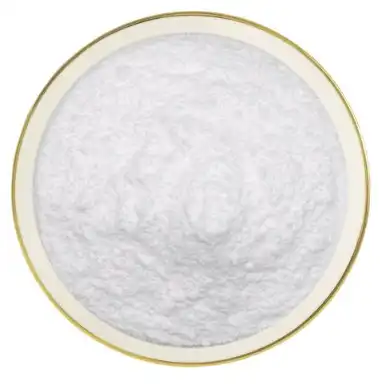
This crystalline white powder is made up of the molecules C30H48O3, which have a weight of 456.71 g/mol. Premium-grade betulinic acid is different because it has a high freezing point between 295°C and 298°C and is ≥98% pure according to HPLC tests. Pyridine's specific rotation [α]D range of +7.0° to +10.0° is a key indicator for checking its chiral purity. This triterpenoid has a lupane structure and a C-28 carboxylic acid functional group that makes it very active in living things. Triterpenoid compounds have problems with absorption, but micronized forms with particle sizes below D90 < 10 μm solve these problems by making the compounds more effective at penetrating the skin.
Core Skincare Mechanisms
There is clinical evidence that betulinic acid works in more than one way to fight visible signs of aging. The chemical stops non-neurogenic inflammation pathways that cause redness and irritation, which speed up the aging of cells. Its antioxidant properties fight free radicals that are made by UV light and pollution in the environment, which keeps collagen fibers from breaking down due to oxidation. Studies show that betulinic acid increases the activity of fibroblasts, which leads to more collagen type I production. Collagen type I is the structural protein that makes skin tight. Because it protects and regenerates at the same time, it is very useful for formulators who are making complete anti-aging products that target fine lines, loss of flexibility, and uneven texture.
Advantages Over Precursor Compounds
The cellular activities of betulinic acid are much stronger than those of its ancestor, betulin. The carboxylic acid change makes it more effective at fighting inflammation and interacting with cells. Because of this structural difference, smaller amounts are needed in formulations to get better results. Getting rid of as many impurities as possible, like betulin, betulonic acid, and betulinic aldehyde, through careful processing makes sure that the same dose works every time. This is very important for brands that want to keep product performance consistent across runs.

How to Use Betulinic Acid Powder Safely and Effectively in Skincare Formulations?
Optimal Concentration Guidelines
Formulation experts who work with this botanical active should aim for concentrations between 0.5% and 3% to get the best mix of safety and effectiveness. Stability testing can be done on a variety of product matrices by starting with lower percentages. From our study, we know that 1.5% concentrations make skin texture better after eight weeks of regular use, while 2.5% versions show faster results in clinical testing. The safety profiles of these ranges are great for all skin types because they don't irritate or sensitize the skin like synthetic retinoids often do.
Solubilization and Processing Techniques
Because betulinic acid powder is lipophilic, it creates formulation problems that need strategic solutions. To make sure the powder is evenly distributed in emulsions, it should be dissolved in warm ethanol (40°C–50°C) before being added to the oil phase. On the other hand, DMSO works well as a medium for serums and concentrated medicines. It is very important to keep the temperature under control during processing, because long-term contact with temperatures above 60°C could damage the C-28 carboxylic acid functional group. Phase inversion temperature (PIT) emulsification methods work especially well because they keep the structure stable and get the active ingredients to spread out evenly.
Synergistic Ingredient Combinations
When you combine Betulinic Acid with other anti-aging ingredients that work well together, the results are even better. When mixed with niacinamide, it improves the restoration of barrier function, and both ingredients work on inflammation in different ways. Hyaluronic acid adds moisture to the skin, which helps the collagen-stimulating effects work better. This makes the skin look fuller and stronger over time. When making a recipe with vitamin C, put betulinic acid in the oil phase and ascorbic acid derivatives in the water phase to keep them from reacting with each other. Natural ceramides boost the protective effects, making age-defense systems that deal with multiple pathways of deterioration at the same time.
Storage and Stability Considerations
Paying attention to external factors is necessary to protect the purity of the formulation. The powder stays stable at room temperature as long as it is kept in light- and airtight containers that are away from moisture and things that can break it down. Packaging that is dark and has a pH level between 5.0 and 6.5 is good for finished goods. Adding antioxidants, such as vitamin E (0.1% to 0.5%), makes the betulinic acid last longer by keeping it from breaking down due to oxidation. To make sure the product works the same way throughout its life, stability testing should last at least six months and look at changes in pH, color, and active ingredients using HPLC analysis.
Comparing Betulinic Acid Powder with Other Anti-Aging Ingredients
Structural and Functional Differences
When purchasing teams look at plant actives, they can make better decisions if they know what the comparison advantages are. Ursolic acid is another pentacyclic triterpenoid that has some of the same anti-inflammatory qualities as ursolic acid. However, it works in a different way, focusing more on improving the skin layer than stimulating collagen. Vitamin C powder is great for brightening and protecting right away from free radicals, but it needs to be carefully managed in terms of pH and is less stable in water-based systems. Retinol is still very good at speeding up cell turnover, but it can be irritating and photosensitive, which makes it less useful in clean-label products. Betulinic acid is a good compromise because it provides measurable anti-aging benefits with few worries about sensitivity and a strong fit with the messaging of natural products.
Purity and Cost Considerations
High-purity plant extracts cost a lot, but the cost-effectiveness comes from the amounts that are needed for use. A purity grade of 98% or higher lowers the amounts that need to be used in recipes compared to lower-purity options that need higher loadings to get the same results. When buying in bulk, it's cheaper to use items that have been shown to be consistent from batch to batch. This keeps costs down and makes quality control easier. When comparing supplier offers, figure out the cost per effective unit instead of per kilogram. An ingredient that costs a little more but needs half the concentration is a better deal and makes managing supplies and filing regulatory paperwork easier.
Market Positioning and Consumer Preferences
Consumer research shows that there is a growing need for well-known botanical actives that are backed by science. Betulinic acid works well with birch bark, which is a traditional ingredient with a well-known safety record. This heritage positioning works especially well in North American and European markets, where clean beauty trends are what people buy. Younger people (25–40 years old) are looking for preventative solutions that are safer and less harsh than drug options. This is good news for brands that can explain the science behind natural effectiveness.
Sourcing and Procurement: Choosing the Right Betulinic Acid Powder Supplier
Essential Quality Benchmarks
Setting up relationships with suppliers needs careful consideration in many areas. For basic peace of mind, look for ISO 9001 quality management systems, FDA registration for goods going to the US, and the right organic certifications when you're after natural product lines such as Betulinic Acid Powder. Independent third-party HPLC testing for purity checks gets rid of the need to rely only on seller certificates. Metrics for batch-to-batch consistency should include more than just purity percentages. They should also include particle size distribution, residual solvent levels below pharmacopoeia limits, and heavy metal screening that meets safety standards for cosmetic ingredients. There is a direct link between these technical standards and the ability to repeat formulations and follow regulations.
Technical Support and Documentation
A supplier's professional skills have a big impact on the success of product development, even more so than the quality of the raw materials. Partners who offer formulation advice know how hard it can be to dissolve things and can suggest processing parameters that will work best with your production equipment. Regulatory submissions are made easier in many markets when they come with complete documentation packages that include Certificates of Analysis, Safety Data Sheets, allergen declarations, and stability data. Major stores and brand responsibility standards are asking suppliers to keep more specific records of the whole process, from the botanical source to extraction and purification. This shows that the supply chain is transparent.
Logistics and Commercial Terms
Different suppliers have very different minimum order amounts (MOQs), which can affect how much working capital you need and how quickly your product turns over. Some suppliers have a 25 kg minimum order size, while others can handle smaller amounts during the early stages of product creation. Shipping logistics need to be carefully thought out because botanical actives need climate-controlled transport to stay stable, especially when temperatures change a lot. Check to see how experienced the suppliers are with international shipping paperwork, how well they know how to classify goods for customs, and how often they have delivered on time in the past. As product lines go from restricted releases to full commercial production, flexible payment terms and price tiers based on volume can save money.
Case Studies and Success Stories: Real-World Application of Betulinic Acid Powder in Anti-Aging Skincare
Premium Serum Formulation Success
An all-natural skin care brand that wants to sell to professional spas made an anti-aging serum with 2% betulinic acid, bakuchiol, and peptide complexes. The recipe used a two-part transport system: lipophilic betulinic acid was in an oil phase made of squalane, and water-soluble actives were in a serum base made of hyaluronic acid. Consumer tests with 60 people ages 45 to 65 showed that after six weeks, 73% could see a decrease in fine lines and 81% could feel their skin becoming firmer. At $89 for a 30ml bottle, the product was positioned as a high-end item. The story behind the botanical ingredients led to both professional recommendations and direct purchases from consumers through the brand's online store.
Multi-Ingredient Complex Development
An OEM maker that works with cosmetic names from around the world made a standard anti-aging complex by mixing betulinic acid, ceramides, and squalane that comes from plants.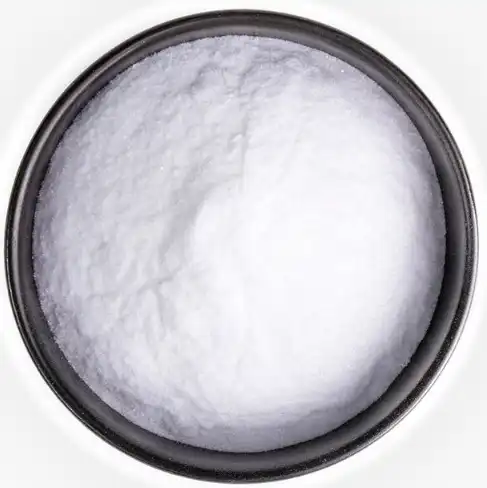 This turnkey ingredient solution solved a common problem—it made formulation easier for brands that don't have makeup science experts on staff. By pre-optimizing the ratios and solubilization method, the complex cut the time it took to go from idea to finished product by about 40%. Within 18 months, three big brands released goods using this complex, which led to sales of over $2.3 million a year in retail channels. The success showed how strategic relationships with ingredient companies can speed up entry into new markets while keeping high standards of quality.
Regulatory Navigation and Labeling
For market openings to go well, regulatory systems in target areas need to be taken into account. Betulinic Acid Powder-derived Betulinic Acid is listed on ingredient lists by its INCI name, Betulinic Acid. This makes the labeling clear and supports promises of clean beauty. Cosmetics sold in the European Union can use it as long as they don't go over certain concentration limits set by the government. In their marketing materials, US brands stress that the ingredient comes from plants, and they make sure that their formulations follow FDA rules for cosmetic ingredients. Supporting evidence for safety assessments, like skin tests, stability studies, and tests for preservative effectiveness, makes regulatory applications stronger and speeds up approval times in multiple markets at the same time.
Conclusion
Adding betulinic acid to anti-aging skin care products is a scientifically proven way for brands to make their natural products stand out. The compound's proven ability to increase collagen levels and fight free radicals, along with its good safety record, meets the growing demand from customers for effective plant-based options to manufactured actives. To be successful, you need to pay attention to the technical details of the recipe, like how to dissolve the ingredients properly, the best concentration ranges, and the best way to combine ingredients so that they are bioavailable. When you choose suppliers who consistently provide high-purity materials, full technical support, and reliable logistics, you can build product lines that get measurable results and earn customers' trust in competitive markets.
FAQ
1. Is betulinic acid safe for sensitive skin types?
Clinical testing shows that it works very well on a wide range of skin types, even sensitive skin. The natural anti-inflammatory properties help calm skin that is overly sensitive while also slowing down the aging process. Starting with amounts of 0.5% lets each person figure out how much they can handle before moving on to bigger percentages.
2. What is the typical shelf life of products containing this ingredient?
When kept correctly, goods that are properly made and have the right antioxidant systems stay stable for 24 to 36 months. HPLC tests should be done to make sure that the active ingredient stays above 90% of its original concentration for the whole shelf life that was planned.
3. Can betulinic acid be combined with retinol in formulations?
These active ingredients can be mixed together in recipes, but the pH must be carefully balanced and stability must be tested. Instead, companies may market them as complementary items that can be used together or separately, maximizing their benefits while reducing the chance of problems.
4. How does it compare to peptides for anti-aging applications?
In different ways, both ingredients speed up the production of collagen. Peptides use amino acid patterns to tell cells what to do, and betulinic acid works by reducing inflammation and protecting cells from damage. When you combine the two, they work together to fight multiple signs of aging at the same time.
Partner with Angelbio for Premium Betulinic Acid Powder Supply
Angelbio offers top grade betulinic acid powder that is made using advanced extraction and purification methods that ensure ≥98% purity and great stability from batch to batch. Our 18 years of independent research and development, backed by the Institute of Life and Health Research of Xi'an Jiaotong University, make sure that the products you get meet the highest quality standards around the world. As a reliable supplier of betulinic acid powder, we offer full technical support, ranging from formulation advice to stability testing methods, to help your R&D teams speed up the time it takes to make new products. Our global logistics network ensures a stable supply chain, and our minimum order quantities (MOQs) are flexible enough to work for both new names and well-known makers. Email our team at angel@angelbiology.com to talk about your unique formulation needs and find out how our dedication to natural chemicals and high quality can help your anti-aging product line.
References
1. Yogeeswari, P., & Sriram, D. (2005). Betulinic acid and its derivatives: A review on their biological properties. Current Medicinal Chemistry, 12(6), 657-666.
2. Cichewicz, R. H., & Kouzi, S. A. (2004). Chemistry, biological activity, and chemotherapeutic potential of betulinic acid for the prevention and treatment of various diseases. Medicinal Research Reviews, 24(1), 90-114.
3. Jäger, S., Trojan, H., Kopp, T., Laszczyk, M. N., & Scheffler, A. (2009). Pentacyclic triterpene distribution in various plants and their effects on dermal tissue. Planta Medica, 75(15), 1626-1634.
4. Mullauer, F. B., Kessler, J. H., & Medema, J. P. (2010). Betulinic acid, a natural compound with potent anticancer effects. Anti-Cancer Drugs, 21(3), 215-227.
5. Pisha, E., Chai, H., Lee, I. S., Chagwedera, T. E., & Farnsworth, N. R. (1995). Discovery of betulinic acid as a selective inhibitor of human melanoma. Nature Medicine, 1(10), 1046-1051.
6. Tan, Y., Yu, R., & Pezzuto, J. M. (2003). Betulinic acid-induced programmed cell death in human melanoma cells involves mitogen-activated protein kinase activation. Clinical Cancer Research, 9(7), 2866-2875.
YOU MAY LIKE
 VIEW MOREErgothioneine Extract Powder
 VIEW MOREPolygonum Cuspidatum Extract Powder
 VIEW MOREBulk Polygonum Cuspidatum Extract Powder
 VIEW MOREAcerola Cherry Extract Powder
 VIEW MOREBlack Elderberry Extract Powder
 VIEW MOREL-glutathione Powder
 VIEW MOREWhite Willow Bark Extract Salicin
 VIEW MOREPure Melatonin Powder