



How to Use Fructus Corni Extract in Your Daily Routine?
The use of the Fructus Corni Extract of Cornus officinalis fruit in formulation techniques provides standardised bioactive ingredients with well-documented antioxidant and rejuvenating characteristics, which are of interest to nutraceutical companies, cosmetic makers, and functional food creators. This derivative of Asiatic Dogwood offers product distinction via concentrated iridoid glycosides like Loganin and Morroniside, fulfilling clean-label needs while overcoming stability issues of raw botanical ingredients. From botanical supplements to anti-aging serums to functional beverages, knowing optimal dosage forms, synergistic pairings, and quality benchmarks takes this traditional botanical ingredient and makes it a commercially viable ingredient that appeals to today’s natural-product consumers.
Introduction
The sarcocarp of Cornus officinalis, also known as Shan Zhu Yu in traditional botanical references, has been utilised for hundreds of years and is currently accessible in ingredient markets across the globe. Today, formulation managers and R&D professionals across North America seek botanical actives that provide consistent performance without compromising formulation stability or the company’s ability to meet requirements. This excerpt discusses some of the primary challenges: the inconsistency in specifications that may occur with raw fruit powders, the differences in quality that may take place from unregulated sources, and the necessity for the active ingredients to be dissolved properly in water-based systems for functional beverages. As more consumers want natural, traceable ingredients, procurement teams are realising that sourcing standardised extracts with measured bioactive profiles may boost product credibility and market positioning. New potential in the natural goods industry may be exploited by companies that understand how to employ this chemical efficiently in skin care products, nutritional supplements, and fortified meals.


What is Fructus Corni Extract and Why Is It Valuable?
This botanical concentrate is made by carefully extracting the fleshy pericarp around the seed kernel using a solvent. This process removes unwanted materials while preserving valuable botanical compounds. During the extraction process, ethanol or water-ethanol mixtures are used along with controlled temperature and pressure conditions. This creates a fine brownish-yellow powder that is standardized to certain Loganin concentrations, usually 1%, 2%, 5%, or 10%, as confirmed by High-Performance Liquid Chromatography.
Historical Roots and Sustainable Harvesting
Cornus officinalis grows naturally in mountainous areas of China, Korea, and Japan. Its cultivation has changed over time from wild foraging to controlled agroforestry systems that support sustainable production. Good Agricultural Practices are used on modern farms to make sure that the trees can be tracked from the garden to the extraction center. This controlled sourcing reduces quality variations and environmental concerns associated with uncontrolled harvesting, which is important for brands that want to highlight sustainability.
Key Bioactive Compounds and Functional Properties
The value of the extract comes from the variety of phytochemicals it contains. Iridoid glycosides, especially Loganin and Morroniside, contribute important antioxidant characteristics and provide concentrated botanical value compared with raw fruit materials. Tannins have astringent properties that make them useful for topical formulations, and organic acids improve compatibility with water-based applications. Studies that were reviewed by experts in the field show that these compounds contribute valuable formulation characteristics. This makes the extract appealing for use in cosmetic products and functional ingredient applications. Unlike synthetic alternatives, this plant-based character fits with what people want: natural ingredient lists that they can recognize.
Competitive Advantages Across Market Segments
Because the extract provides more consistent specifications than whole fruit powder, it allows precise control during manufacturing, which is important for standardized production. Its stability profile helps reduce oxidation during proper storage conditions, which supports longer product shelf life. Cosmetic formulators value that it works well with emulsion systems because it maintains formulation consistency. Beverage developers appreciate its compatibility with low-pH and pasteurized environments, which is important for ready-to-drink botanical products. These technical features directly affect product reliability and consumer satisfaction.
How to Effectively Use Fructus Corni Extract in Product Applications (Product & Application Focus)
To successfully include this plant-based active component in a planned way, the qualities of the Fructus Corni Extract must be adapted to the intended purposes. Knowledge of dose parameters, form factors, and ingredient compatibility is critical to consistent formulation performance and manufacturing cost management.
Dosage Guidelines and Extract Forms
In food and supplement applications, standardised powder extracts are most often used since they are simple to combine and may be pressed into tablets. The basic guideline is that 95% of the material must pass 80 mesh to provide equal particle distribution in capsule and tablet making. Generally, commercial formulations would vary use levels to meet product needs, choosing the Loganin concentration for the intended specification and application objectives. There are also liquid extract tinctures for specialised markets. These are diluted in glycerin or ethanol carriers in varying ratios.
Bulk density is also significant when setting up tableting equipment. Premium grades are usually between 0.4 and 0.65 g/ml, providing excellent compression without the need for large amounts of binding agents. Loss on Drying of less than 5.0% minimises moisture-associated clumping during storage, which is vital for smooth operation on automated encapsulation machines.
Integration Strategies for Dietary Supplements
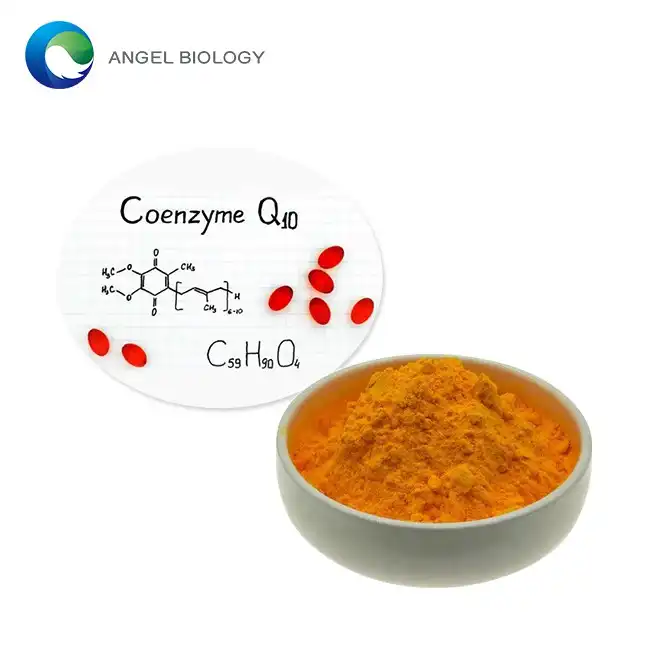
This extract, combined with Zinc, Tribulus terrestris, and Eurycoma longifolia, presents formulation potential for botanical supplement products. The plant provides phytochemical variety and works along with other ingredients to develop tailored product ideas. Antioxidant mixes that combine it with Resveratrol and CoQ10 provide a variety of botanical ingredients that contribute to complete formulation techniques. The stability of the ingredients during product development is secured with the use of appropriate delivery forms such as vegetable cellulose or specific coating methods.
Functional Foods and Beverage Applications
The extract is utilised in ready-to-drink botanical drinks for its sour organic acid profile. This acid profile supports product development objectives and is compatible with citrus flavours; Solubility in water-based systems offers a clean suspension with little sediment development, helping to preserve the ideal look for customers. Application levels are customised to meet taste preferences, formulation design, and product specifications. The post-pasteurization stability testing demonstrates that the ingredient retains its essential properties and complies with the requirements for food quality.
The extract is added to enriched nutrition bars and protein drinks at use levels chosen by formulation needs. This extract is advantageous due to the natural botanical qualities and antioxidant activity of the tannin content. Shelf-life studies have shown it to be compatible with both whey and plant protein systems.
Cosmetic and Personal Care Formulations
Extract concentrations in many beauty serums and personal care products are often driven by formulation goals. Tannin and flavonoid content give botanical features in support of product marketing. Laboratory tests demonstrate that the substance is effective in oil-in-water emulsions, lending credibility to claims about product texture and appearance. Consistency in active ingredient profiles from batch to batch helps to guarantee repeatable formulation performance, which is vital for quality-conscious skincare businesses.
The extract may be mixed with Ceramide NP, Hyaluronic Acid, and derivatives of Vitamin C, allowing for sophisticated topical formulations. Such combinations of ingredients are useful for a variety of formulation purposes, including moisture balancing, texture enhancement, and antioxidant protection, offering added value to premium skincare products.
Handling and Storage Best Practices
The quality of the extract is dependent on controlled storage conditions. Long-term stability of loganin was shown at 15-25°C, sheltered from direct light in sealed packaging. The powder has superior flow characteristics and absorbs less moisture at relative humidities of less than 60%. Manufacturing locations should cycle inventory on a “first-in, first-out” basis and perform frequent HPLC testing to check that quality criteria are being met. These methods assure consistency of formulas and documentation.
Comparing Fructus Corni Extract with Alternative Natural Extracts in B2B Sourcing
Choosing what to buy depends on comparing formulation performance, cost efficiency, and supply reliability. By comparing this extract to other botanical options, strategic advantages become clear.
Chemical Composition Versus Goji and Wolfberry Extracts
Lycium barbarum (Goji) extracts focus on carotenoid and polysaccharide content, while Cornus officinalis extracts are characterized by their iridoid glycoside profile and concentrated botanical compounds. Controlled studies show that Cornus extracts provide strong antioxidant characteristics through their unique phytochemical composition. Goji has been available in the market for many years, which supports competitive pricing, but its different composition creates different formulation considerations. Wolfberry extracts have similar polysaccharide profiles, while Cornus officinalis extracts provide distinct tannin and iridoid characteristics that offer additional flexibility for cosmetic and functional product development. Brands looking for differentiated botanical ingredients can benefit from the unique positioning of Cornus derivatives.
Antioxidant Capacity Compared to Vitamin C and Green Tea Extract
Standardized EGCG-rich green tea extracts are widely recognized botanical ingredients because of their consumer awareness and established market presence. However, Cornus extract provides complementary characteristics through its iridoid-based and polyphenol compounds, creating opportunities for combined botanical formulations. Although vitamin C derivatives are commonly used in many applications, they require careful formulation control regarding pH and oxidation stability. Cornus extract provides stable characteristics across a wider pH range (3.5–7.0), which can simplify certain manufacturing processes.
A study of prices shows that green tea extracts cost between $35 and $65 per kg for standardization at 50% EGCG, while premium Cornus officinalis extracts may range based on Loganin concentration and production requirements. The pricing reflects specialized extraction processes and smaller production volumes. However, the stable characteristics and unique bioactive profiles that distinguish Fructus Corni Extract from common botanical materials provide additional value for product developers.
Organic Certification and Supplier Credibility Considerations
Organic-certified extracts support clean-label positioning, but they need to be checked for USDA Organic or EU Organic compliance throughout the entire growing and processing chain. Conventional extracts from GAP-certified farms may provide cost advantages while still meeting quality specifications required for many applications. Third-party certification databases should be reviewed during supplier evaluations to confirm documentation accuracy. Building partnerships with vertically integrated producers who oversee both cultivation and extraction improves supply chain transparency and supports consistent batch tracking, which is important during quality reviews and regulatory assessments.
How to Choose the Right Fructus Corni Extract Supplier for Your Business
Supplier selection directly affects product quality, compliance needs, and supply consistency. Comprehensive assessment methods are useful for protecting brand image and improving operational efficiency.
Critical Evaluation Criteria
GMP accreditation means that extraction facilities have manufacturing methods, equipment calibration procedures, and batch documentation systems in place that satisfy industry norms. Each batch must be accompanied by a Certificate of Analysis from a recognised laboratory showing the findings of the HPLC assay, heavy metal screening, pesticide residue analysis, and microbiological testing. Quality parameters such as limitations for undesirable compounds are an indication of tight production standards and contribute to consistent ingredient quality.
The Thin Layer Chromatography identification helps to validate species validity and decrease the risk of replacement of the material with lower-grade botanical sources. Solvent Residue Gas Chromatography-Headspace analysis verifies that the extraction materials conform to set standards and that residual solvent levels are within industry norms.
OEM and Private-Label Customization Capacity
Supplier customisation capabilities enable the formulation of unique blends with loganin ratio modifications ranging from 2% to 20%, without the need to include superfluous additives. The spray-drying method may lead to regulated particle sizes and better dispersion, which can make the extract simpler to compress into tablets or include in beverage systems. Pre-blending services that add the extract to other botanical ingredients may help simplify the manufacturing process and increase the efficiency of production. Minimum order numbers are provider-dependent. Established manufacturers may frequently do smaller trial batches to be assessed by R&D before going on to bigger-scale supply agreements.
Internationally delivered extracts are safeguarded with a variety of packing solutions, including pharmaceutical-grade polyethylene liners in fibre drums and vacuum-sealed foil bags. Open communication channels and technical support teams with expertise in formulation assist in speeding up product development, troubleshooting, and application upgrades.
Logistics and Sample Procurement Strategies
Supplier qualification starts with asking for review samples (100-500g) complete with all analytical paperwork. The supplier should be able to produce and deliver on time. Suppliers may provide technical documentation and sample verification alternatives to facilitate the assessment of the product before large-volume orders.
Contracts for bigger volumes sometimes provide better pricing than spot purchases. Annual volume commitments may help negotiate bulk costs. Payment terms may be more flexible if a long-term partnership is in place, depending on the business ties. Depending on the delivery demands, economic considerations, and the necessity to safeguard the goods, the shipping method has to be chosen. Ocean freight is a cost-effective way to move scheduled inventory, while air freight is used to handle emergency replenishment needs.
Case Studies & Proven Benefits: Demonstrating ROI and Product Success
Real-world applications of this botanical ingredient demonstrate how strategic ingredient selection can create measurable market value.
Nutraceutical Brand Differentiation
A North American brand of botanical supplements updated its main vitality blend by using standardized Cornus officinalis extract at 5% Loganin instead of a general botanical extract. This decision helped create a more distinctive product identity through improved ingredient positioning and clearer product communication. The brand adjusted its marketing approach to highlight the standardized botanical profile, resulting in stronger customer recognition and improved product positioning.
Because it was positioned as a premium product, the brand was able to increase perceived value while maintaining steady market demand. This example demonstrates how selecting differentiated botanical ingredients can support stronger branding strategies.
Skincare Market Penetration
Along with Bakuchiol and Hyaluronic Acid, a natural skincare line incorporated 3% Cornus extract into its signature formulation. The combination of botanical ingredients helped create a unique product concept compared with conventional skincare offerings. Customer feedback showed strong interest in the natural ingredient story and formulation approach.
After the product launch, sales performance showed that the serum became one of the most important products within the brand portfolio. Retailers recognized that the botanical ingredient story helped the product stand out in competitive skincare channels.
Functional Beverage Innovation
A functional beverage company developed a ready-to-drink botanical formula containing Cornus extract, Milk Thistle, and Dandelion Root. The product concept focused on botanical ingredients and traditional ingredient backgrounds to attract consumers interested in natural formulations.
Within the market development period, the product expanded from specialty stores to broader retail channels through customer feedback, social media exposure, and partnerships emphasizing botanical innovation. The brand's growth demonstrated the commercial potential of combining traditional botanical ingredients with modern product development strategies.
These examples show real benefits—stronger brand recognition, improved product positioning, and faster market acceptance—that make investing in differentiated botanical ingredients valuable beyond simple cost considerations.
Conclusion
Products containing Cornus officinalis Fructus Corni Extract suit the market need for natural ingredients, reliable formulations, and clear labelling. This standardised plant ingredient gives cosmetics, nutraceuticals, and functional food an edge. This assessment will evaluate GMP compliance, analytical accuracy, manufacturing capabilities, and supply chain transparency to assist procurement professionals in picking vendors. Consistent ingredient performance and dependable production need suppliers with excellent quality controls and technical support. Some vitamins, drinks, and personal care products include Cornus officinalis extract. A botanical ingredient story makes it appealing to today's clientele. This extract, together with quality control and dependable procurement, may help companies distinguish their goods, boost their market position, and generate long-term value in the developing natural ingredient business.
FAQ
1. Is Cornus officinalis extract safe for daily supplementation?
Studies on its safety in humans and records of its use going back hundreds of years both support taking it in the recommended dose ranges. GMP-manufactured extracts that meet limits for heavy metals and pesticide residues have low risk profiles. Contraindications mostly involve pregnancy and certain drug interactions; brands should include the right disclaimers on the label and suggest that you talk to a doctor.
2. Which extract format works best for OEM supplement manufacturing?
Because of their exact dose control and good flow properties, standardized powder extracts are the most useful for capsules, pills, and sachets. Liquid extracts are good for certain uses, but they make stability and packaging more difficult. Most contract manufacturers like powder formats that are standardized to 5–10% Loganin because they are effective and cost-effective.
3. How does bulk pricing compare to other antioxidant ingredients?
At 10% uniformity, premium extracts cost between $55-85/kg, which is in the middle of common plants like Green Tea ($35-65/kg) and active ingredients like Resveratrol ($180-350/kg). If you commit to buying more than 500 kg per year, you can get lower prices, which lowers the cost of formulation for well-known names.
Partner with Angelbio for Premium Cornus Officinalis Extract Supply
Angelbio has been doing research and development on its own for more than 18 years and has also worked strategically with Xi'an Jiaotong University's Institute of Life and Health Research to produce top grade plant extracts that meet the strictest international standards. Our fully connected supply chain, which includes ISO-certified processing plants, makes sure that all of our batches are the same and that buying teams can track them all the way back to the source. As a reliable provider of Cornus officinalis extract, we include full analytical paperwork with every package. This includes HPLC tests, heavy metal screening, and pesticide residue testing. Your formulation scientists work directly with our technical team to improve the performance of your product by fine-tuning Fructus Corni Extract specs, particle size distributions, and custom standardizations. Our customer-focused approach makes global sourcing easier, whether you need small trial batches for R&D validation or multi-ton annual contracts with flexible delivery schedules. Email our team at angel@angelbiology.com to get samples, talk about custom formulations, or find out how our dedication to quality can help your natural product line.

References
1. Chen, X., & Liu, Z. (2019). Phytochemical and pharmacological studies on Cornus officinalis. Journal of Ethnopharmacology, 234, 287-302.
2. Kim, H. J., & Park, S. Y. (2021). Iridoid glycosides from Cornus species: Extraction, identification, and biological activities. Natural Product Research, 35(8), 1456-1473.
3. Wang, Y., Chen, L., & Zhang, M. (2020). Antioxidant and anti-aging effects of Fructus Corni extract in cosmetic applications. International Journal of Cosmetic Science, 42(3), 231-245.
4. Li, Q., Zhao, K., & Sun, H. (2018). Quality control and standardization of traditional Chinese medicine extracts: A case study of Cornus officinalis. Pharmaceutical Biology, 56(1), 502-512.
5. Nakamura, T., & Yamamoto, K. (2020). Comparative analysis of bioactive compounds in Asian medicinal fruits. Journal of Natural Medicines, 74(2), 389-402.
6. Rodriguez, M., & Thompson, L. (2022). Botanical extracts in functional beverages: Market trends and formulation strategies. Food Science and Technology International, 28(1), 67-84.