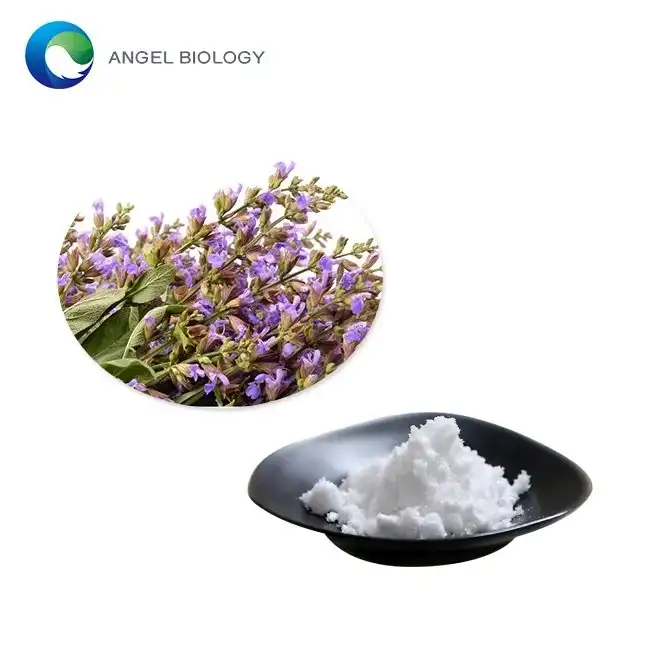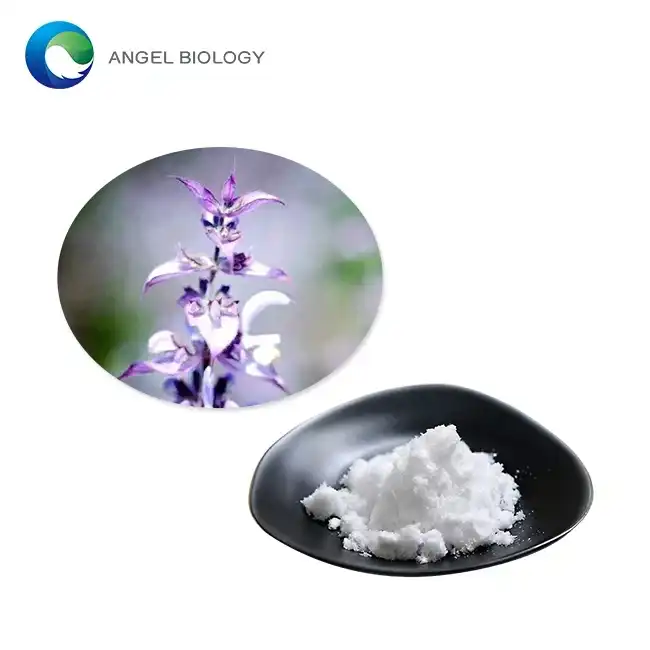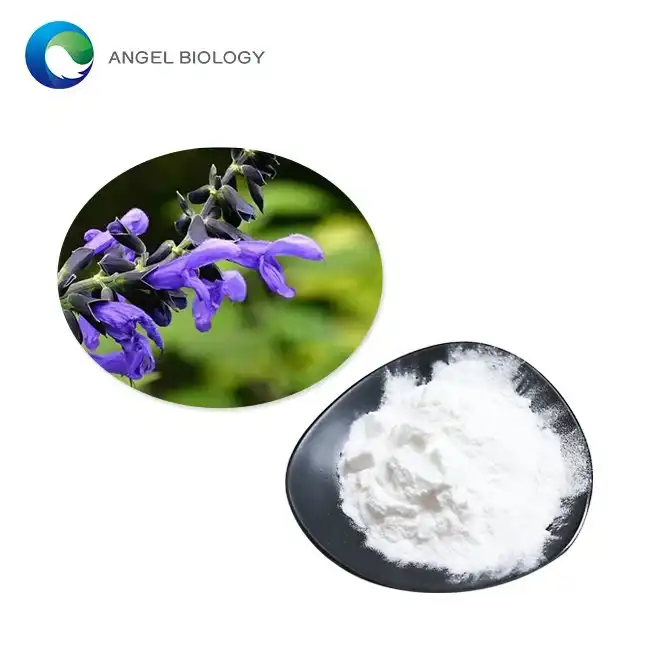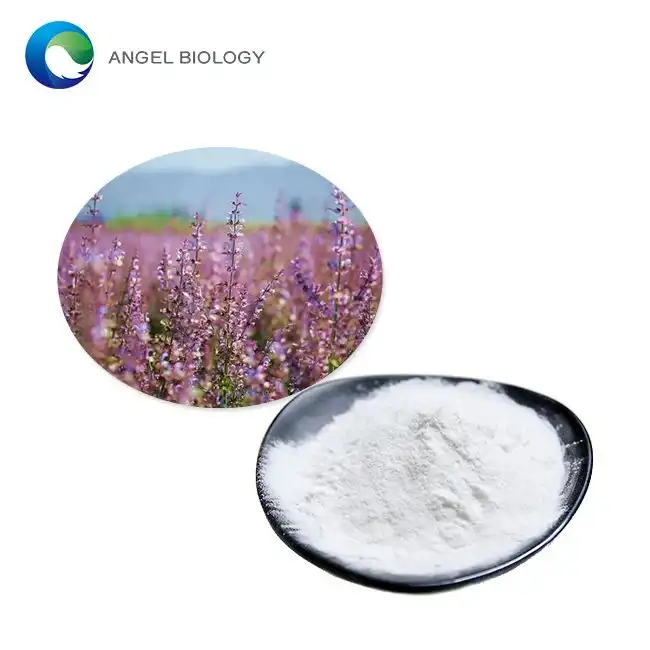




What is Valeric Acid Powder?
Valeric Acid Powder, also known as pentanoic acid, is a powder-form commercial preparation based on valeric acid (CAS 109-52-4), a five-carbon short-chain carboxylic acid. Pure valeric acid is normally a colorless liquid at room temperature, with a molecular weight of 102.13 g/mol and a melting point of approximately −34°C.
For powder-format products, valeric acid may be incorporated into a suitable carrier or processed into a dry formulation to improve handling, dosing, and integration into powder-based manufacturing systems. It is primarily valued as a chemical intermediate and flavor/fragrance ingredient rather than as a therapeutic active. For B2B buyers, the key considerations are purity, carrier specifications, odor profile, particle characteristics, documentation, and supply consistency.
Understanding Valeric Acid Powder
Chemical Structure and Physical Properties
Pentanoic acid contains a five-carbon chain terminating in a carboxylic acid group. Its molecular weight is 102.13 g/mol, while pure valeric acid has a melting point of approximately −34°C and a boiling point of around 185–186°C. It is normally a colorless liquid with a strong characteristic odor.
When supplied as a powder, the commercial format should therefore be evaluated according to its carrier system and processing method rather than treating the powder as the pure acid itself. Depending on the product design, carriers may help improve flowability, dosing accuracy, and compatibility with dry-blending processes.
Valeric acid has limited water solubility and is compatible with several organic solvents. Its strong odor and chemical reactivity make specification control particularly important for fragrance, flavor, and specialty chemical applications. Buyers should confirm purity, carrier content, moisture, particle size, and assay method before purchasing.
Production Methods: Synthetic vs. Natural Extraction
Commercial valeric acid is generally produced through controlled chemical synthesis, including established routes involving oxidation of suitable C5 precursors. Synthetic production provides greater control over purity, composition, and batch-to-batch consistency, making it suitable for applications requiring defined specifications.
Valeric acid can also occur naturally in certain plants and fermented materials. However, natural occurrence should not be confused with commercial production of standardized valeric acid powder. Natural botanical extracts contain multiple constituents and therefore have different specifications and application characteristics.
For B2B procurement, the production route should be matched to the intended application. Buyers should request information regarding raw materials, manufacturing processes, purity, residual solvents where applicable, carrier composition, and batch testing.
Adherence to recognized quality management systems such as ISO 9001 can further support controlled production and documentation. Reliable suppliers should be able to provide consistent specifications, CoAs, SDS documentation, and traceability records.


Applications and Benefits of Valeric Acid Powder
Fragrance and Flavor Formulation
Valeric acid has a strong, distinctive odor profile and can contribute characteristic fatty, fermented, or cheese-like notes at controlled levels. Its sensory intensity means that precise dosing is essential when developing flavor and fragrance systems.
In flavor development, valeric acid and its derivatives may be used as building blocks for specific sensory profiles, particularly where fermented, dairy-associated, or savory characteristics are required. In fragrance applications, related valerate esters can provide different odor profiles and may be selected according to the desired formulation objective.
The powder-format preparation can provide practical advantages for manufacturers working with dry blends, premixes, or controlled-dose systems. However, the exact application performance depends on the valeric acid concentration, carrier system, particle size, and formulation conditions.
Chemical and Specialty Ingredient Applications
Valeric acid is a useful intermediate for chemical synthesis. Its carboxylic acid group can participate in esterification, amidation, and other reactions, enabling the production of valerate derivatives and specialty chemicals.
This chemical flexibility allows product developers to select valeric acid as a starting material when specific molecular structures or formulation characteristics are required. Consistent purity and predictable reactivity are therefore important purchasing criteria for research, development, and industrial production.
For specialty chemical manufacturers, standardized raw materials can help reduce batch variation and simplify process control. Suppliers able to provide technical specifications, analytical data, and customized grades can offer additional value during scale-up.
Cosmetic and Personal Care Formulations
Valeric acid itself should not be positioned as a skincare active or therapeutic cosmetic ingredient. Its acidic functionality and strong odor require careful formulation assessment, and direct cosmetic use depends on the intended application, concentration, finished-product safety assessment, and applicable regulations.
Where valeric acid or its derivatives are relevant to cosmetic development, formulators should evaluate compatibility with the complete formulation system rather than assuming benefits from the acid itself. Compatibility testing should consider pH, odor, stability, packaging, and interaction with other raw materials.
For cosmetic manufacturers, supplier documentation and application-specific technical support can be more valuable than broad functional claims. Product developers should confirm whether the selected grade is suitable for the intended cosmetic application in the target market.
Selecting the Right Valeric Acid Powder for Your Business
Quality Indicators and Documentation
When purchasing Valeric Acid Powder, procurement managers should request a complete Certificate of Analysis (CoA). Depending on the commercial format, relevant parameters may include valeric acid assay, carrier content, moisture, appearance, particle size, odor characteristics, and relevant impurity limits.
For pure valeric acid or concentrated preparations, GC is commonly suitable for purity and composition analysis. For powder products, additional testing may be required to characterize the carrier and physical properties.
Material documentation should include an SDS, specification sheet, batch number, manufacturing information, storage recommendations, and applicable regulatory information. Suppliers with established quality systems can provide stronger documentation support for international procurement and downstream manufacturing.
Evaluating Manufacturers and Suppliers
A reliable supplier should demonstrate control over raw materials, processing, packaging, and batch release. This is particularly important for valeric acid because the chemical's strong odor, acidic characteristics, and physical form can affect handling and formulation.
Suppliers may offer customized carrier systems, particle-size ranges, packaging formats, or concentration levels depending on the intended application. Before selecting a customized grade, buyers should confirm whether the carrier is compatible with their formulation and target regulatory requirements.
Technical support is another important differentiator. Suppliers capable of providing sample evaluation, formulation guidance, analytical documentation, and specification customization can help shorten development cycles and reduce procurement uncertainty.
Cost Analysis and Procurement Strategy
Valeric acid powder pricing depends on purity, concentration, carrier system, packaging, order volume, production method, and customization requirements. Instead of relying on a fixed market discount, procurement teams should compare the complete landed cost across qualified suppliers.
Minimum order quantities may vary significantly between standard and customized grades. Buyers should evaluate annual demand, sample requirements, production lead times, shipping costs, duties, and storage requirements when preparing sourcing plans.
For international purchasing, payment terms, freight conditions, insurance, customs documentation, and supplier production capacity should also be considered. A lower unit price does not necessarily represent the lowest total procurement cost if documentation, logistics, or batch consistency are inadequate.
Safe Handling, Storage, and Compliance
Workplace Safety Protocols
Valeric acid is an acidic chemical with significant handling considerations. Safety classifications can vary by concentration and commercial preparation, but concentrated valeric acid is associated with skin and eye hazards and should be handled according to the applicable SDS and workplace chemical-safety procedures.
Workers should use appropriate personal protective equipment, ventilation, labeling, and chemical-handling procedures. Powder-format products should additionally be evaluated for dust generation during opening, weighing, and blending.
Closed transfer systems and appropriate dust-control measures can help improve workplace handling. Before commercial use, manufacturers should establish procedures based on the actual formulation, concentration, carrier, and applicable local regulations.
Storage Conditions and Shelf Life
Storage requirements depend on whether the product is pure valeric acid or a carrier-based powder. Pure valeric acid is a liquid at normal room temperature, so it should not be assigned powder-specific storage characteristics.
For powder-format preparations, buyers should follow the supplier's specified temperature, humidity, packaging, and handling conditions. Moisture-resistant packaging may be important for maintaining powder flowability and preventing changes in the carrier system.
Shelf life should be supported by supplier stability data rather than a generic 24–36-month assumption. Buyers should verify the manufacturer's recommended storage period, packaging configuration, and retest requirements before establishing long-term inventory plans.
International Regulatory Compliance
International trade and distribution should comply with the chemical regulations applicable to the product's composition, concentration, intended use, and destination market.
Suppliers should provide appropriate SDS and technical documentation and support applicable chemical-management requirements. For cosmetic, food, flavor, or industrial applications, additional requirements may apply depending on the intended use.
Procurement teams should therefore confirm the regulatory status of the exact grade rather than assuming that all valeric acid powder products have the same market eligibility.
How to Buy Valeric Acid Powder: A B2B Purchasing Guide
Defining Volume Requirements and Specifications
Procurement teams should begin by defining annual demand, required valeric acid concentration, carrier type, purity range, particle size, packaging, and intended application.
Small-scale samples can be used to evaluate odor, flowability, dispersion, compatibility, and performance within the target formulation before moving to larger supply agreements.
Key specifications should be documented clearly, including assay, carrier content, moisture, particle size, appearance, and impurity limits. Application information—such as flavor development, fragrance production, specialty chemical synthesis, or research use—can help suppliers recommend the appropriate grade and documentation package.
Logistics and Documentation
International shipments generally require commercial invoices, packing lists, certificates of origin where applicable, and product-specific safety and regulatory documentation.
Transportation requirements depend on the classification and physical form of the exact product. Buyers should confirm shipping conditions with the supplier and logistics provider before dispatch.
Import requirements vary between countries, so procurement teams should verify customs and regulatory requirements in advance. Professional chemical logistics providers can help coordinate documentation and delivery planning.
Finalizing Purchase Agreements
Purchase agreements should define product specifications, acceptable batch variation, inspection procedures, documentation requirements, packaging standards, delivery terms, and procedures for handling quality discrepancies.
For recurring supply, buyers can establish agreed specifications and batch-release requirements to reduce uncertainty during future purchases. Pricing mechanisms may also be included where raw-material or logistics costs fluctuate.
A strong supplier relationship should provide more than product delivery. Technical documentation, sample support, specification adjustments, regulatory updates, and responsive communication can help manufacturers manage product-development and production requirements more efficiently.
Conclusion
Selecting high-quality Valeric Acid Powder requires a clear understanding of its chemical properties, commercial format, application requirements, safety considerations, and supply-chain specifications.
Because pure valeric acid is normally a liquid, buyers should pay particular attention to whether a powder product contains a carrier or other processing components. Purity, assay, carrier composition, particle characteristics, documentation, and batch consistency should all be confirmed before procurement.
For fragrance, flavor, specialty chemical, and selected formulation applications, a well-specified valeric acid preparation can provide a practical raw-material option. Working with a technically capable supplier can further simplify sample evaluation, documentation review, customization, and international sourcing.
For B2B buyers, the best sourcing decision is not simply the lowest price—it is the combination of consistent specifications, reliable supply, complete documentation, and responsive technical support.
FAQ
1. Is Valeric Acid Powder Safe for Cosmetic Use?
The suitability of valeric acid or a valeric-acid-containing powder for cosmetic applications depends on the exact formulation, concentration, exposure conditions, and regulatory requirements of the target market. Pure valeric acid has significant irritation and corrosivity considerations, so it should not be promoted as a general skincare active.
Cosmetic manufacturers should conduct an appropriate finished-product safety assessment and confirm the regulatory status of the exact ingredient grade before commercial use. Supplier SDS, specifications, impurity data, and application information should be reviewed as part of the qualification process.
2. How Does Valeric Acid Powder Differ from Valerian Root Extract?
Valeric acid, or pentanoic acid, is a defined chemical compound with the molecular formula C₅H₁₀O₂ and molecular weight of 102.13 g/mol. Valerian root extract, by contrast, is a complex botanical preparation containing multiple naturally occurring constituents.
Therefore, these materials should not be treated as interchangeable ingredients. Buyers should select valeric acid when a defined chemical raw material is required and choose valerian root extract when a botanical extract with multiple constituents is the intended product concept.
3. What Are Typical Lead Times for Bulk Orders?
Lead times depend on the required grade, production capacity, carrier system, order volume, packaging, and customization requirements.
Standard grades may be available faster than customized powder preparations. Buyers should request a current production schedule and confirm sample approval, batch testing, packaging, and shipping timelines before placing a bulk order.
For recurring procurement, establishing forecast-based supply arrangements can help suppliers plan production and improve delivery predictability.
Partner with Angelbio for Premium Valeric Acid Powder Supply
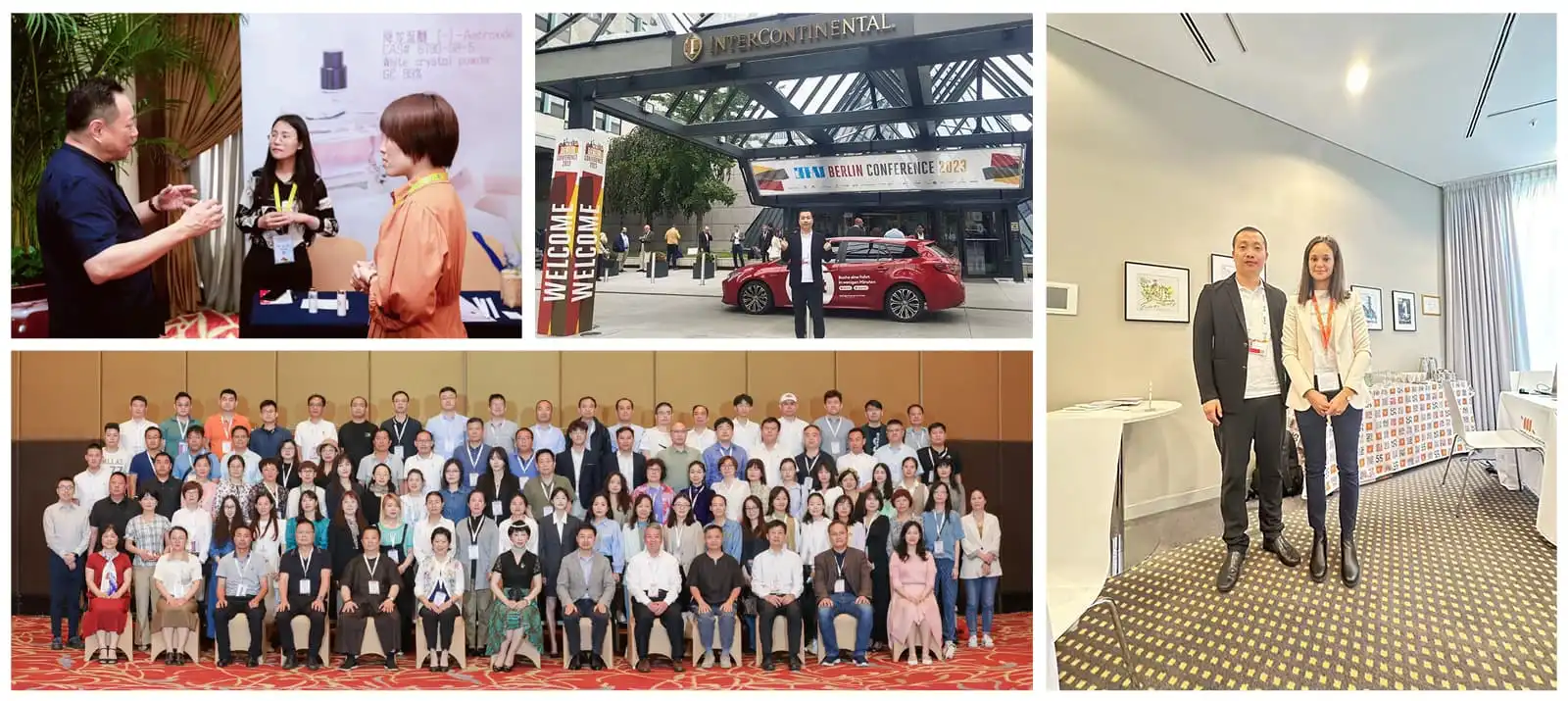
Angelbio supports B2B customers seeking standardized ingredient solutions with technical documentation, sample support, and application-oriented sourcing assistance. With extensive experience in natural and specialty ingredients, our team can help buyers evaluate specifications, packaging formats, documentation requirements, and formulation compatibility.
For projects involving Valeric Acid Powder, customers can request product specifications, CoA documentation, samples, packaging options, and current quotations based on their intended application and order volume.
Whether you are developing fragrance and flavor systems, specialty chemical intermediates, or other formulation applications, our technical team can help identify a specification aligned with your production requirements.
Contact angel@angelbiology.com to request samples, discuss specifications, and evaluate a suitable supply solution for your project.
References
1. PubChem. Pentanoic Acid (Valeric Acid), CAS 109-52-4.
2. NIST Chemistry WebBook. Pentanoic Acid, C₅H₁₀O₂.
3. European Chemicals Agency (ECHA). Substance information and classification data for n-pentanoic acid.
4. Relevant chemical safety and regulatory documentation should be reviewed according to the exact commercial grade and intended application.