



How to Use Reishi Mushroom Extract Powder
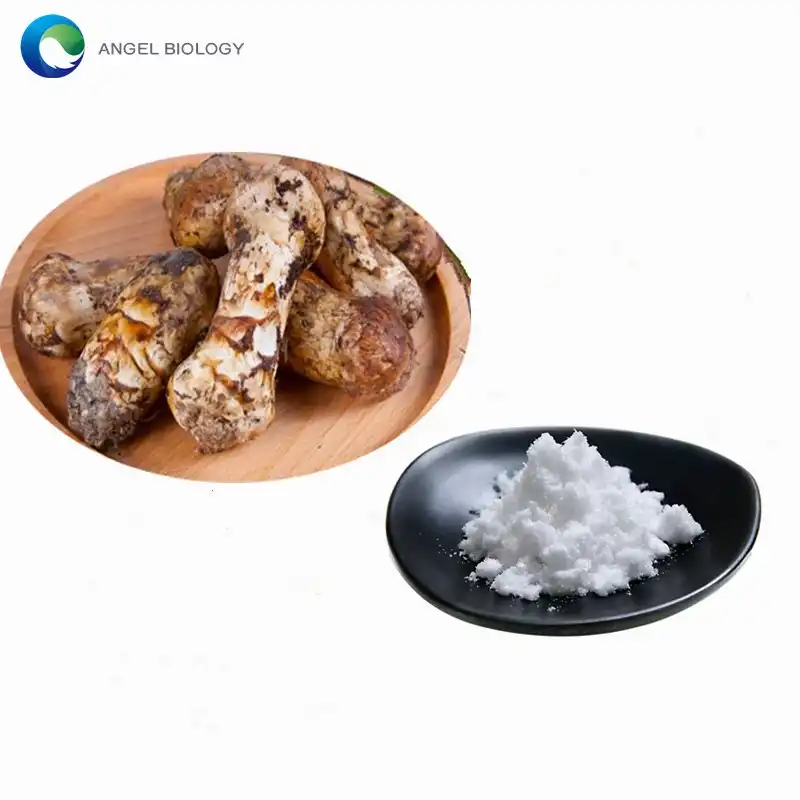
Reishi mushroom extract powder is a concentrated botanical material obtained from Ganoderma lucidum through hot water, ethanol, or dual-extraction techniques. These processes concentrate key compounds – commonly beta-glucans, polysaccharides and ganoderic acids – from the original fruiting body or mycelium. Compared with pulverised mushroom powder, extraction can provide a more concentrated and standardized source of selected constituents, depending on the extraction ratio and specification. If you’re formulating botanical supplement products, functional beverages, or botanical skincare actives, knowing how to use reishi mushroom extract powder effectively is crucial to the quality, consistency, and market positioning of your completed product.
Understanding Reishi Mushroom Extract Powder and Its Core Benefits
What Makes This Extract Technically Distinct?
Standardised Reishi mushroom extract powder may contain defined levels of polysaccharides and triterpenes, depending on the supplier, source material, and grade. It is commonly supplied as a fine brown hygroscopic powder, with particle size and moisture content controlled according to product specifications. This concentration is achieved through an extraction process rather than simply grinding the raw biomass; extraction ratios such as 10:1 or 20:1 may be used, meaning 10 or 20kg of raw biomass is processed to obtain approximately 1kg of finished extract, although actual ratios vary by process.


Dual-extraction models can be used to obtain both ethanol-soluble triterpenes such as ganoderic acids and water-soluble beta-1,3/1,6-D-glucans. This is significant because different compound groups have different solubility and analytical characteristics. Researchers have investigated Ganoderma polysaccharides and triterpenes for a range of biological activities, making these constituents important markers when developing standardized botanical ingredients and selecting an appropriate extract specification.
Bioavailability and Standardization Benefits
The sourcing of botanical substances can be challenging because agricultural and processing variations may create batch-to-batch differences. Standardised Ganoderma extract can help address this by defining target levels for selected marker compounds. This gives R&D directors and formulation managers a more predictable raw-material profile, supports batch consistency, and helps provide clearer technical documentation for regulatory and quality review in competitive markets.
How to Use Reishi Mushroom Extract Powder Effectively?
The commercial flexibility of this extract allows it to be used in a variety of delivery systems for the nutraceutical, functional food, and cosmetic sectors. The major formats for applications for consideration by the procurement teams are
- Capsules and tablets: Standardised extracts such as reishi mushroom extract powder can be encapsulated or compressed when their moisture, bulk density, flowability, and excipient compatibility are appropriate. The traditional size capsules may accommodate extract quantities according to the selected specification and finished-product formula.
- Ready-to-drink drinks and functional teas: Water-soluble versions can blend more readily into hot or cold beverages. Natural sweetness or citrus notes may help balance the distinctive bitter note associated with products containing higher levels of triterpenoid compounds during product development.
- Functional Food Matrices: The extract is supplied as a stable powder, making it suitable for evaluation in protein drinks, nutrition bars, and superfood mixes. The stability of polysaccharide-containing extracts should be assessed under the specific processing and storage conditions of the finished product.
- Topical cosmetic preparations: Polysaccharide-rich Ganoderma extracts can be evaluated for use in skin-care products such as serums, lotions and sheet masks, particularly where botanical and moisturizing formulation concepts are desired. Cosmetic chemists may evaluate the extract at application-specific concentrations according to the supplier specification and finished-product requirements.
A distinct model of standardisation is needed for each application. Water solubility and colour are significant in beverage applications, whereas potency density and powder handling properties can be important in capsule usage. In formulation development, the step of matching the extract specification to the final product design cannot be skipped.
Evaluating and Choosing the Best Reishi Mushroom Extract Powder for Business Needs
The use of Ganoderma lucidum extract for commercial formulation is not just due to its low price. Procurement teams with knowledge of these quality indicators will analyse:
- Organic certification: For products with a USDA Organic or EU Organic certification, the mushroom biomass and processing chain must meet the applicable organic requirements. Buyers should verify current certification documents rather than relying on a general natural or organic positioning.
- Fruiting body versus myceliated grain sourcing: Fruiting body and myceliated grain products can have different compositional profiles, including differences in beta-glucans, starch, and other constituents. This can directly affect the declared specification and label positioning of the finished product.
- Third-party analytical documentation – Each commercial batch should be supported by a Certificate of Analysis from a qualified laboratory or validated internal quality system to confirm the specified levels of polysaccharides and triterpenes, as well as applicable heavy-metal and microbiological results.
The functional positioning of reishi mushroom extract powder differs from that of other botanical and mushroom ingredients such as lion’s mane or chaga, with its characteristic polysaccharide and triterpene profile being particularly relevant to ingredient selection. Understanding the compositional differences among several extracts can result in more informed portfolio design for mushroom-based product lines.
Navigating Procurement: Where and How to Source Reishi Mushroom Extract Powder?
Verification is a key element in ensuring dependable supply chain performance. If you're a procurement team evaluating a supplier of reishi mushroom extract powder, seek manufacturing facilities with appropriate GMP-based quality systems, demonstrated process controls, and reliable analytical capabilities. Traceability from cultivation to finished extract should be visible, and providers should be able to standardise products according to agreed specifications and provide documentation relevant to the target market, including Proposition 65 information where applicable.
Bulk botanical extracts vary in price depending on standardisation requirements, extraction procedures, raw-material source, and order sizes. Higher triterpene specifications may carry a premium because of the additional processing and analytical requirements involved. Regular buyers of high volumes may negotiate production planning, allocation, and tiered pricing — a useful benefit in regions where supply fluctuations may affect product development schedules.
Practical Case Studies and Implementation Tips for B2B Clients
A North American functional beverage company reportedly evaluated a dual-extracted Ganoderma lucidum powder standardized to 30% polysaccharides and 2% triterpenes. To lower the cost of materials per serving and provide a clearer ingredient specification, a generic mushroom mix was substituted. The product was subsequently developed and positioned with supporting analytical and product-development data, illustrating how a defined extract specification can support clearer formulation and sourcing decisions.
An OEM skincare company added Ganoderma polysaccharide powder to a moisturising serum at 1.5%. The extract's small 100-mesh particle size supported a smooth texture during formulation testing, helping reduce the risk of visible undissolved particles. Standardised supplier batch-to-batch consistency also helped minimize the need for reformulation during scale-up.
The findings are part of a broader trend in which B2B customers who see component selection as a strategic choice rather than a commodity buy can improve control over the quality, consistency, and market positioning of the completed product.
Conclusion
To strategically use reishi mushroom extract powder in supplements, food, and cosmetic applications, you need to match the right standardisation, extraction procedure, and quality documentation to your product aims. Choosing a standardised, documented extract or an unstandardised raw powder can significantly affect the consistency of the product, its regulatory review, and customer confidence. Whether your team is designing a botanical supplement capsule or a botanical skincare serum, the extract’s technical profile – polysaccharide percentage, triterpene concentration and solubility properties – should fit with your final product requirements from day one.
FAQ
1. How should reishi mushroom extract powder be stored?
Store in sealed, moisture-proof containers, sheltered from excessive light and heat. Follow the supplier's specified storage temperature and humidity conditions. The stated shelf life should be based on the supplier's stability data and packaging specification rather than assumed as a universal value. Protecting the powder from moisture exposure can help maintain its specified polysaccharide, triterpene, and physical properties during storage.
2. Can this extract be used in both supplements and cosmetics?
Yes. Water-soluble grades can be suitable for aqueous cosmetic phases, while appropriately specified extracts can also be evaluated in capsule, tablet, and beverage formats. Before formulation testing, verify with your supplier the source material, mesh size, solubility profile, marker-compound specification, and compatibility with the intended finished product.
3. What certifications should a qualified supplier hold?
Look for suppliers with appropriate GMP-based quality systems, relevant ISO certifications where applicable, organic certification when required, and comprehensive CoA documentation covering the declared active or marker compounds, heavy metals, microbiological parameters, and other agreed quality specifications.
4. How does the extraction method affect end-product quality?
Hot water extraction generally focuses on water-soluble constituents such as polysaccharides, while ethanol extraction can concentrate more lipophilic constituents such as triterpenes. A dual-extraction procedure can combine different constituent groups in one ingredient, but the actual composition depends on the raw material, extraction process, and final specification. This makes extraction method an important criterion when selecting an extract for a defined formulation.
Partner With Angelbio for Premium Reishi Mushroom Extract Powder Supply
Angelbio, backed by over 18 years of independent R&D and collaboration with the Institute of Life and Health Research of Xi'an Jiaotong University, offers standardized reishi mushroom extract powder to nutraceutical, cosmetic, and functional food manufacturers worldwide. As a reishi mushroom extract powder manufacturer, Angelbio provides GMP-based quality control, custom-standardized extracts, and CoA documentation to support ingredient qualification and formulation development. Request your sample or discuss bulk pricing directly with our technical team at angel@angelbiology.com.
References
1. Wasser, S.P. (2005). Reishi or Ling Zhi (Ganoderma lucidum). Encyclopedia of Dietary Supplements. Marcel Dekker.
2. Boh, B., Berovic, M., Zhang, J., & Zhi-Bin, L. (2007). Ganoderma lucidum and its pharmaceutically active compounds. Biotechnology Annual Review, 13, 265–301.
3. Xu, Z., Chen, X., Zhong, Z., Chen, L., & Wang, Y. (2011). Ganoderma lucidum polysaccharides: immunomodulation and potential anti-tumor activities. The American Journal of Chinese Medicine, 39(1), 15–27.
4. Paterson, R.R.M. (2006). Ganoderma — A therapeutic fungal biofactory. Phytochemistry, 67(18), 1985–2001.
5. Stamets, P. (2005). Mycelium Running: How Mushrooms Can Help Save the World. Ten Speed Press.
6. Bishop, K.S., Kao, C.H.J., Xu, Y., Glucina, M.P., Paterson, R.R.M., & Ferguson, L.R. (2015). From 2000 years of Ganoderma lucidum to recent developments in nutraceuticals. Phytochemistry, 114, 56–65.