



Is Black Elderberry Extract Powder Better Than Syrup?
When evaluating immune support ingredients, Black Elderberry Extract Powder consistently outperforms syrup formulations in B2B applications. The powder format delivers superior stability, standardized anthocyanin concentrations (typically 6% to 25% by HPLC), and unmatched versatility across nutraceutical, cosmetic, and functional food industries. Unlike syrups containing added sugars and preservatives that compromise shelf life, high-purity elderberry powder provides concentrated bioactive compounds with minimal processing additives. This translates into better formulation control, extended storage capability, and enhanced cost-efficiency for manufacturers prioritizing clean-label products and scalable production.
Understanding Black Elderberry Extract: Powder vs Syrup
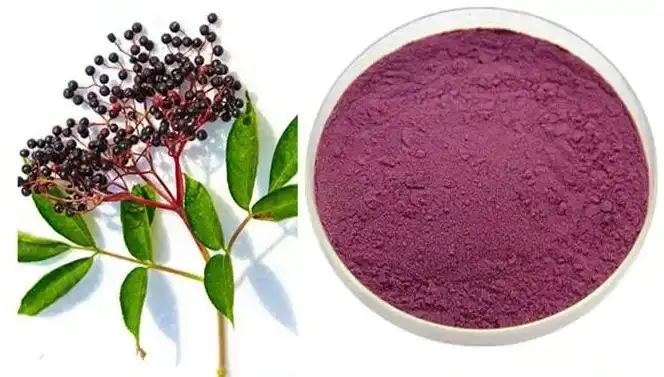
Sambucus nigra L., which is the scientific name for black elderberry, is known as a botanical powerhouse in many fields. The dark purple berries of this plant are used to make both powder and syrup, but the ways they are made are very different.
Manufacturing Differences Between Formats
Advanced solvent extraction, usually with ethanol-water systems, is used to make Black Elderberry Extract Powder. This is followed by membrane filter and spray drying technologies. This method focuses on the beneficial flavonoids and gets rid of any extra water, making an ingredient that can be stored for a long time. Because it has better phytochemicals, the Haschberg variety is still the most popular cultivar. When making syrup, on the other hand, juice is extracted, and then sweeteners and sometimes preservatives are added. This makes a ready-to-drink liquid that needs to be kept cold after opening and has a lot more water in it.
Anthocyanin Content and Bioactive Compounds
The nutritional profiles of these formats are very different from one another. The main bioactive substances in Black Elderberry Extract Powder are concentrated anthocyanins, mainly cyanidin-3-glucoside and cyanidin-3-sambubioside. Quality powder extracts ensure standardised strength through HPLC analysis. This solves the problem of economic adulteration, which happens when cheaper alternatives like peanut skin or black rice extracts are used. Because of the liquid carriers and added ingredients, syrups usually have smaller amounts of anthocyanins per dose.
Sourcing and Quality Variances
Procurement experts know that where the raw materials come from has a direct effect on the quality of the finished product. Premium powder makers can track their supply lines back to certain areas of the world that are known for having the best growth circumstances. The powder's dark violet to purple colour, bitter taste, and high water solubility are all signs that it was extracted correctly. In industrial settings, uniform mixing is made possible by particle size specifications that let 95% of the particles pass through 80 mesh. Where syrup comes from varies a lot, and wide store-bought varieties mix concentrate with fake flavourings.
Comparative Analysis: Black Elderberry Extract Powder vs Syrup
Knowing the useful differences between these forms helps purchasing managers make choices based on facts that meet their production needs.
Bioavailability and Dosage Precision
Anthocyanins can be found in both formats, but the rate of absorption depends on the formulation. Black Elderberry Extract Powder lets makers create transport methods that make drugs more bioavailable, like liposomal encapsulation, effervescent pills, or capsules. Being able to precisely measure milligram amounts of standardised extract makes sure that all output runs are the same. Dosing syrup is based on measuring volumes, which can be inaccurate because viscosity changes with temperature and particles in the syrup settle down.
Stability and Shelf Life Considerations
Because Black Elderberry Extract Powder absorbs water easily, it needs to be handled with care. However, higher-quality varieties contain protective carriers like maltodextrin or use microencapsulation to keep the thermolabile colours from breaking down. Powder stays effective for at least 24 months if it is kept in the right way, away from light and in a cool, dry place. Stability data show that the concentrated form is better at keeping microbes from getting into it than the syrup form. Because they contain water, which helps microbes grow, liquid formulations have shorter shelf lives (12 to 18 months unopened) and break down quickly after being opened.
Industrial Customization Flexibility
Powder is better at mixing into different types of products than syrup. When making pills, tablets, sachets, protein powders, or cosmetic products, research and development teams like powder because it works well with a wide range of ingredients and processing tools. The low moisture level stops chemical processes that aren't wanted while the food is being stored. Syrup is still only used in drinks and liquid supplements for the mouth. This is because the extra sugar often goes against clean-label or diabetic-friendly recipe goals.
Storage and Logistics Efficiency
The cost of transporting powder is a big plus. About 15 to 20 kilograms of normal syrup has the same amount of bioactive substances as one kilogram of 25% anthocyanin powder. Because of the lower weight and volume, shipping costs are lower and storage needs are simpler. Powder is better at handling changes in temperature during foreign shipping than liquids that need climate-controlled operations because they are more sensitive to temperature changes.
Quality & Procurement Considerations for B2B Buyers
To choose the right elderberry ingredient, you need to carefully look at quality data and the qualifications of the seller. To make sure their investment produces consistent results, procurement teams have to figure out how to read and follow complicated specifications.
Critical Quality Indicators
The amount of anthocyanin is the main way to tell if something is of good quality, and reliable providers will give you records of analysis that show that the potency has been HPLC-verified. People who want to buy elderberries should ask for chromatographic fingerprints that show the presence of real elderberry markers instead of fake ones. Organic approval is appealing to companies that want to reach health-conscious customers, but regular extracts that meet the standards for pesticide residue (EU 1881/2006 compliance) can also be used in many situations. GMP and ISO certifications show that the manufacturing method and quality control system are strong.
Supplier Reliability Assessment
Supply chain risk can be lowered by working with manufacturers who have a history of reliability. With more than 18 years of R&D experience, a company can show that it has a deep understanding of technology and stable output. When it comes to quality control and tracking, integrated supply chains are better than brokers who handle many middle steps. This is true from getting the raw materials to packaging them up at the end. By asking for batch consistency data that covers more than one production run, you can find out if a supplier keeps tight control over specifications or if there are big differences.
Pricing Structure and MOQ Analysis
The price of Black Elderberry Extract Powder on the market depends on how well the anthocyanins are standardised. 25% extracts are more expensive than 10% versions. When buyers buy in bulk, the price per kilogram goes down, but they have to weigh the volume discounts against the amount of space they have for storage and how quickly the goods are sold. For powder, the minimum order quantity is usually between 25 and 100 kilograms. For custom syrup formulas, the minimum order volume is bigger. Pricing that is clear and takes into account changes in the market for raw materials is a sign of a responsible provider.
Documentation and Regulatory Compliance
When buying from businesses to businesses, they need detailed technical documents to back up their regulatory submissions in target markets. Details sheets, safety data sheets, allergy statements, GMO status declarations, and third-party testing results for heavy metals, microbiological contaminants, and pesticide residues are some of the important information that need to be kept. When suppliers know what the FDA, the EU Novel Food, and Health Canada need, the approval process for international distribution goes more quickly.
Application Scenarios and How to Choose Between Powder and Syrup
The best format choice relies on your organization's manufacturing skills and the final product you want to make.
Nutraceutical Manufacturing Applications
Supplement companies that make immune-boosting goods can't do without Black Elderberry Extract Powder's flexibility. To make capsules and tablets, you need dry ingredients that can be pressed and flow easily. Powder is a good source of these qualities. Powder mixes easily into mixtures of more than one ingredient, so companies can make immune-boosting stacks that include elderberry, vitamin C, zinc, and echinacea. Because it is concentrated, it is possible to make claims about higher potency per dose size, which sets goods apart in crowded market segments.
Functional Food and Beverage Integration
Manufacturers of functional drinks might first think about using syrup, but powder has some surprising benefits. Elderberry powder that dissolves in water mixes completely with liquids, so formulators can control the sweetness levels without having to change the elderberry part. This split makes it possible to make drinks that are sugar-free or naturally sweetened, which is what current consumers want. Powder can also handle the heat needed to make bottled drinks that will last for a long time, but syrup's added sugar makes pasteurisation harder and increases the risk of the Maillard reaction.
Cosmetic and Personal Care Formulations
More and more, plant antioxidants are being used in cosmetics to prevent and slow down the ageing process. The high pigment content of elderberry powder makes it useful and gives it a natural colour. Cosmetic chemists like powder because it allows for controlled dosing and consistency from batch to batch, which solves the problem of formulation stability that has been a pain point in the industry. It is easier to add the ingredient to serums, creams, and masks than to try to add syrup to water-in-oil emulsions.
Dosage Standardization Protocols
Most of the time, exact anthocyanin dosages are used instead of volume values in clinical effectiveness studies. Powder allows for exact dosing that is in line with study methods, which backs up claims that the product works. A 500 mg serving of 25% standardised powder gives you 125 mg of anthocyanins, which is a real number that gives customers confidence. Dosing syrup isn't as precise because the amount of anthocyanin changes depending on concentration ratios that aren't always made clear on B2B standard sheets.
Why Opt for Black Elderberry Extract Powder?
Powder format has many great benefits that go beyond its basic functionality. These benefits help businesses reach long-term goals like making more money and establishing themselves in the market.
Superior Formulation Stability
The lower wetness level in powder form—usually less than 5%—dramatically lowers the chances of chemicals breaking down and microbes growing. This stability means that expiry dates can be more flexible, which cuts down on inventory loss and makes stores more likely to stock goods. Brands that are entering foreign markets appreciate this longer stability the most, since goods have to go through longer supply chains and different storage conditions before they reach customers. The delicate anthocyanin structures are kept safe throughout the supply chain by nitrogen flushing and light-resistant packing, which are both used in the making of premium powder.
OEM and Custom Formulation Advantages
Contract manufacturers and private label producers need ingredients that can meet the needs of a wide range of clients without having to go through the trouble of reformulating. Black Elderberry Extract Powder is a customisable ingredient that can be used in recipes in different amounts. Powder's consistent flow and mixing properties make sure that results can be repeated, whether runs of 10,000 units are made for new brands or runs of a million units are made for well-known supplement companies. The neutral pH profile of the element keeps it from reacting badly with other parts of the recipe, which lowers the technical problems that the syrup's acidity could cause.
Economic Benefits Through Logistics Optimization
Powder is very concentrated, which makes the economics of the whole supply chain very appealing. Take a brand that is making a bottle of 60 immunity-boosting pills. Storing and moving only a few grams of powder per finished unit is easier than millilitres of syrup, which adds weight, volume, and shipping costs. These saves add up very quickly for names that sell across the country or around the world. Smaller package sizes also leave less of an impact on the environment, which is something that is becoming more and more important to both companies trying to be more environmentally friendly and customers thinking about it.
Strengthening Brand Trust Through Certification
In competitive markets, working with certified providers who follow strict quality systems boosts the trustworthiness of your brand. When your ingredient partner is GMP-certified, does third-party testing, and gives you full documentation for traceability, you can be sure of the quality of the ingredients. This is especially helpful during regulatory checks or when answering quality surveys from stores. Companies can proudly say that their goods contain "standardised botanical extracts from certified suppliers," setting them apart from rivals who use cheap ingredients whose origins aren't always clear.
Conclusion
Modern B2B priorities include formulation freedom, supply chain efficiency, and quality stability. Choosing Black Elderberry Extract Powder over syrup is in line with these goals. The powder form solves important problems in the industry by providing consistent anthocyanin levels, long-lasting shelf life, and easy inclusion into a wide range of product types. While syrup is still useful for some ready-to-eat uses, powder is the better option for manufacturers who want to increase production or sell their products in other countries because it is more cost-effective, easier to transport, and gives more accurate dosing options. When you work with experienced suppliers who offer full quality documentation and technical support, you can be sure that the choices you make about buying will help with both short-term production needs and long-term business development goals.
FAQ
1. What anthocyanin concentration should I specify when sourcing elderberry powder?
Depending on how you plan to dose, aim for 10% to 25% anthocyanin standardisation. Higher concentrations lower the amount needed for each serving, which could lower the cost of formulation even though the price per kilogram is higher. Always ask for HPLC verification instead of UV-Vis spectrophotometry because HPLC gives accurate measurements of compounds without other pigments getting in the way.
2. How do storage conditions affect powder potency over time?
Keep Black Elderberry Extract Powder in containers that can be sealed below 25°C and with a relative humidity of less than 60%. Anthocyanin breaks down faster in light, so dark packing is very important. As long as it is stored properly, quality powder stays 90% or more effective for 24 months. If your goods will be shipped to places where the temperatures are higher, you should do rapid stability testing.
3. Can elderberry powder replace syrup in existing liquid formulations?
Of course. You can mix the powder with clean water to get the quantity you want. You can also use approved food-grade ingredients to change the taste and viscosity on your own. This method gives you full control over the amount of sugar and preservatives used, and the labels are often cleaner than those on commercial syrups. Pilot batching makes sure that the dissolution characteristics meet the needs of your processing equipment.
Partner With Angelbio for Premium Black Elderberry Extract Powder
Angelbio is ready to help you with your sourcing needs with top grade Black Elderberry Extract Powder and 18 years of experience in extracting plants. Our fully connected supply chain, from our partnerships in cultivation to the final packaging, makes sure that the traceability and consistency that procurement teams need are met. Each batch goes through strict HPLC testing to make sure it has the right amount of anthocyanin, pesticide testing that meets international standards, and microbial testing to make sure it is safe. As a provider that is dedicated to new ideas and high quality, we offer variable minimum order amounts, detailed technical data, and help with formulation from our experienced research and development team. Get certificates of analysis, talk about customisation options, or set up sample evaluations by emailing angel@angelbiology.com. This will help you make sure that your next product launch goes above and beyond what the market expects.
References
1. Barak, V., et al. "The effect of Sambucol, a black elderberry-based, natural product, on the production of human cytokines." European Cytokine Network, vol. 13, no. 2, 2002, pp. 290-296.
2. Tiralongo, E. et al. "Elderberry Supplementation Reduces Cold Duration and Symptoms in Air-Travellers: A Randomized, Double-Blind Placebo-Controlled Clinical Trial." Nutrients, vol. 8, no. 4, 2016.
3. Vlachojannis, C., et al. "A systematic review on the sambuci fructus effect and efficacy profiles." Phytotherapy Research, vol. 24, no. 1, 2010, pp. 1-8.
4. Krawitz, C., et al. "Inhibitory activity of a standardized elderberry liquid extract against clinically-relevant human respiratory bacterial pathogens and influenza A and B viruses." BMC Complementary and Alternative Medicine, vol. 11, 2011.
5. Młynarczyk, K., et al. "Bioactive properties of Sambucus nigra L. as a functional ingredient for food and pharmaceutical industry." Journal of Functional Foods, vol. 40, 2018, pp. 377-390.
6. Salvador, A.C. et al. "Effect of elderberry (Sambucus nigra L.) extract supplementation in STZ-induced diabetic rats fed with different diets." Journal of Diabetes and Metabolic Disorders, vol. 16, 2017.