



Why Is Sophora Japonica Extract Powder Used in Supplements?
Sophora Japonica Extract Powder has become an increasingly preferred ingredient across nutraceutical, cosmetic, and functional food industries due to its exceptional flavonoid profile, particularly rutin and quercetin content. These bioactive compounds deliver powerful antioxidant, anti-inflammatory, and vascular support properties that meet the growing consumer demand for clean-label, science-backed botanical ingredients. Supplement manufacturers value this extract for its proven efficacy in cardiovascular wellness, skin protection, and oxidative stress management, combined with excellent stability in various formulation matrices—making it an ideal candidate for both single-ingredient and complex multi-nutrient products.
Introduction
The global supplement market is still moving toward natural ingredients that come from plants. These ingredients are more transparent for consumers and offer useful benefits. The flower buds of the Sophora Japonica tree are used to make Sophora Japonica Extract Powder, which has become one of the most important ingredients in this plant change. This substance is full of flavonoids, especially Rutin and Quercetin, which are known to help the heart, fight inflammation, and work as powerful antioxidants.
We know that choosing botanical ingredients can be hard for R&D directors, formulation managers, and procurement teams. Aside from how well it works, you should be worried about how stable the ingredients are, how consistent the batches are, how well they follow the rules, and how reliable the supplier is. This detailed guide looks at why Sophora Japonica flower extract has become so popular in high-end supplement mixes, what technical factors determine quality levels, and how strategic decisions about where to get ingredients affect how products stand out in crowded markets.


Understanding Sophora Japonica Extract Powder
Botanical Origin and Extraction Process
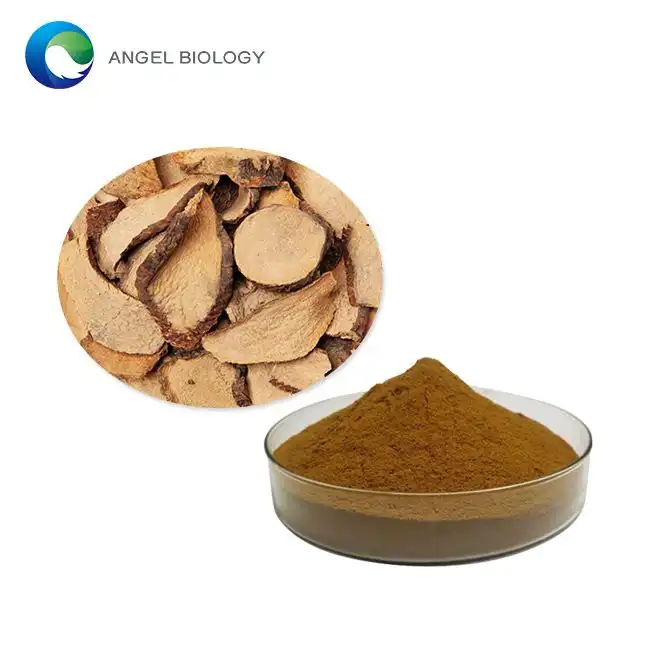
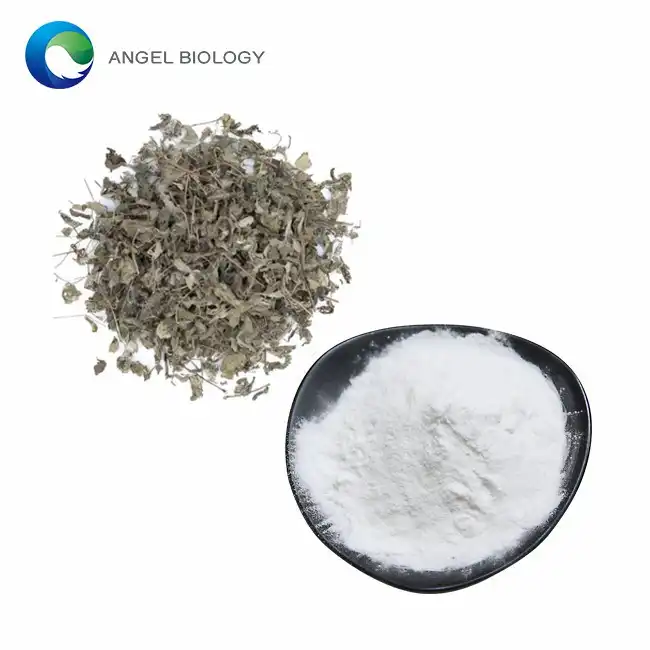
People often call Sophora Japonica the Japanese Pagoda Tree. Its flower buds are full of medicinal flavonoids. Advanced methods of extraction, such as enzymatic hydrolysis and ethanol-based recrystallisation, make these compounds more concentrated while leaving behind as few solvent residues as possible. The end result is a uniform Sophora Japonica Extract powder with certain physical marks that show which formulations will work best.
The modern extraction methods used by qualified makers protect thermosensitive compounds while they are being processed. After being carefully picked, the flower buds are dried and ground up before being extracted. This careful method keeps the purity of Rutin's glycosidic bonds while allowing selected hydrolysis to create different types of Quercetin when needed.
Key Bioactive Components
There are two main flavonoids that make up the nutritional makeup. Using HPLC analysis, Rutin, a glycoside of Quercetin, is shown as a greenish-yellow solid powder that meets the standards for NF11, DAB10, and EP drugs at amounts of at least 95%. Quercetin comes in two forms: dihydrate and anhydrous. It is a bright yellow powder that is standardised to be 95% or 98% pure.
These compounds have unique physical properties that are important for formulation work. When it breaks down, Rutin melts between 195°C and 215°C, but Quercetin stays stable up to 314°C. Formulation problems are caused by solubility profiles. For example, Rutin doesn't dissolve well in water, and only slightly in ethanol, so alkaline helpers or smaller particle sizes are needed for liquid uses. Quercetin dissolves easily in glacial acetic acid, but it needs the same methods to dissolve in water.
Scientific Validation
New clinical research has confirmed that these flavonoids have biological effects. Studies show that they can lower signs of oxidative stress, help keep blood pressure in a safe range, and protect the endothelium of blood vessels. Direct free radical scavenging and an increase in natural antioxidant enzyme systems are how the antioxidant mechanism works. Oxygen Radical Absorbance Capacity (ORAC) tests show that this plant product is a powerful antioxidant compared to others.
Why Sophora Japonica Extract Powder Is Preferred in Supplements
Superior Antioxidant Capacity
At the cell level, the flavonoid content protects strongly against oxidative damage. Synthetic antioxidants are losing popularity with consumers, but this plant-based choice fits with the move toward clean labels and gives us measurable ORAC values. When Rutin and Quercetin work together, they have stronger protective benefits than when they work alone. Sophora Japonica Extract Powder provides a natural solution that meets these high-performance standards.
Cardiovascular Wellness Support
It has been shown that Rutin can stop hyaluronidase from working, which makes capillary walls stronger and helps veins work properly. Because of this, the extract is useful in formulas that aim to improve circulatory health and capillary stability. The compound's ability to change inflammatory pathways works with its direct effects on the vascular system to provide full cardiovascular support.
Advantages of Powder Form
Concentrated powder forms have many perks for formulation. Modern extraction methods make it possible to get very high purity levels that allow for exact doses in pills, tablets, and sachets. Because the powder is more stable than liquid extracts, it lasts longer on the shelf, which cuts down on waste and makes it easier to keep track of supplies. Standardising particle sizes (95% going through 80 mesh) makes sure that high-speed tableting and sealing equipment always has the same flow properties.
The most accurate volumetric dosing is achieved when the bulk density is between 0.4 and 0.6 g/ml. Because it is hygroscopic and sensitive to light, it needs to be stored in a controlled way. However, skilled makers can handle it without any problems. If the powder is properly packed, its assay values will stay the same for long periods of time.
Formulation Versatility
The extract mixes easily into a variety of vitamin bases. It can be compressed and works well with common excipients, which are both good for tablet formulations. There are no scientific problems with encapsulation, whether the capsules are made of gelatin or vegetable-based materials. New uses include putting them in stick packs, effervescent forms (with the right solubilisation), and even gummy vitamins that use special packaging technologies.
This ingredient works especially well in combination formulas. It works well with vitamin C to boost antioxidant systems, with grape seed extract to get full polyphenol profiles, and with B vitamins in recipes that help the heart. Its neutral flavour profile means that less flavour masking is needed in chewable or liquid uses.
Quality and Sourcing Considerations for B2B Buyers
Critical Quality Attributes
Specific analytical features of high-quality materials have been proven through thorough testing methods. To tell the difference between real extract and fakes or cheaper alternatives, HPLC fingerprinting is the main way to identify them. Assay values must meet set requirements, which are usually ≥95% for pharmaceutical-grade material. Certificates of analysis must be present to show results that are unique to each batch of Sophora Japonica Extract.
Heavy metal screening makes sure that tight safety limits are met. Usually, total heavy metals must be less than 10ppm, and individual element standards for lead, cadmium, mercury, and arsenic must also be met. Pesticide residue testing using LC-MS/MS multi-residue methods looks for more than 500 compounds, which helps figure out where the raw materials came from in terms of farming. Gas chromatography analysis of solvent residues shows that they are in line with USP <467> and ICH Q3C guidelines. This is especially important for alcohol-based extraction methods.
Certification and Compliance
GMP certification is the minimum standard for manufacturers who want to be taken seriously. Regular checks by a third party should show that facilities are following current Good Manufacturing Practices. ISO standards, especially ISO 9001 for quality management and ISO 22000 for food safety, give you even more proof that quality control is being done in a planned way.
When going after clean-label or expensive product markets, organic approval becomes important. Certifications like USDA Organic, EU Organic, or similar ones show that organic farming and handling standards are being followed. But buyers should know that just because something is organic doesn't mean it is more pure or effective. Analytical testing is still needed no matter what approval status it has.
Kosher and Halal certifications make it easier for products that are aimed at certain groups of people to reach new customers. For these religious certificates, authorised organisations must check the processing methods and the ability to track down ingredients.
Supplier Evaluation Framework
In addition to certifications, operational skills are what decide the long-term success of a relationship. A production capacity assessment makes sure that your suppliers can keep up with your growth without lowering the quality of their work. Being clear about lead times helps with planning the supply chain. Typical production cycles last between 2 and 4 weeks, but this depends on how complicated the order is and how much capacity is being used at the moment.
Minimum order amounts vary a lot from one seller to the next, ranging from 25 kg for speciality grades to 500 kg for standard specifications. By negotiating the right MOQs, you can combine the costs of keeping inventory with the benefits of unit prices. Samples being available for R&D testing are an important early-stage evaluation step that lets formulation compatibility be checked before making commercial commitments.
By asking for customer references, you can learn about a supplier's past performance. Reference discussions make it clear how to handle complaints, make sure paperwork is correct, and communicate effectively. Factory audits, whether done by your team or by hired third-party inspectors, give you the most confidence in your most important supply relationships.
Practical Applications of Sophora Japonica Extract Powder in Supplements
Cardiovascular Support Formulations
This extract is often found in products that claim to improve heart health and circulatory health. It is usually taken in doses of 250 mg to 500 mg per day, which are standardised to a certain Rutin content. It is combined with hawthorn fruit, CoQ10, or omega-3 fatty acids in combination products to make full cardiovascular support systems. The extract's ability to support healthy endothelial function and keep vascular integrity fits perfectly with these ways of marketing the product.
Antioxidant and Anti-Aging Products
The high ORAC values make it a good choice for antioxidant products aimed at busy older adults. To make broad-spectrum free radical defence systems, the extract is mixed with other polyphenol sources like resveratrol, green tea extract, or astaxanthin. In these situations, the usual daily dose is between 100 mg and 300 mg, which is usually spread out over several meals.
Skin Health from the Inside Out
A new study on flavonoids' ability to protect against oxidative stress caused by UV light has led to the creation of "beauty from within" supplement groups. These products use Quercetin's known ability to stop matrix metalloproteinase-1 (MMP-1), which helps keep collagen strong. When mixed with vitamin C, hyaluronic acid, or ceramides, dermatological health solutions become more complete.
Uses for Sports Nutrition
Sports nutrition companies that are making goods to help with recovery are interested in the anti-inflammatory qualities. Even though there isn't a lot of research on athletes yet, the extract's ability to reduce inflammation suggests that it might be useful in formulas for recovery after exercise. The current market strategy is to use low doses (100–250 mg) of well-known ingredients for healing (BCAAs, tart cherry, curcumin).
Dosage Standardization
Dosing that works depends on how the extraction is standardised and what the end goal is. For cardiovascular uses, 250 to 500 mg of material standardised to 95% Rutin content is usually used every day. Antioxidant mixtures can use 100 to 300 mg every day. A lot of sports healing items have 100–200 mg as part of larger anti-inflammatory complexes. These ranges are based on what the market is doing right now, not on established therapeutic doses, because dietary supplements are used for different things than drugs.
Procurement Tips and Decision-Making for Buyers
Cost-Quality Optimization
Price differences between sellers are usually caused by real differences in quality, not just different ways of presenting themselves in the market. Materials that are cheaper might not be as pure, have more fluids left over, or have uneven batch quality. Comparing samples from different suppliers side-by-side shows how their real values relate to each other. To make true comparisons, figure out the cost-per-dose based on the amount of active chemical rather than the weight of the raw powder.
When you commit to a certain volume, you can usually get better prices, but if you commit to too much, you run the risk of having too much inventory if the formula changes or market demand changes. Negotiating tiered price structures with volume triggers gives you options while letting you benefit from economies of scale as your product becomes more popular. Choosing a reliable Sophora Japonica Extract ensures long-term cost-efficiency.
Supply Chain Planning
Lead times include handling orders, planning production, checking for quality, and shipping goods internationally when buying from makers in other countries. Keeping enough inventory on hand for 60 to 90 days guards against supply problems and keeps moving costs in check. Setting up relationships with backup suppliers, even if they charge more, is a good way to protect yourself in case your main provider has problems.
During the seller qualification process, ask for specific production schedules. Knowing if suppliers keep intermediate materials in stock or only make things when they are ordered makes it easier to set realistic lead times. Changes in the seasons that affect the supply of raw materials may have a bigger effect on some sellers than on others, especially those who get their materials from certain areas of the world.
Effective Supplier Communication
When making the first enquiries, it's important to be clear about the technology needs. Give goal values for particle size, heavy metals, herbicides, microbiological factors, and test values. Instead of depending only on product specification sheets, ask for typical certificates of analysis from recent production runs. Find out what kinds of testing methods were used. For assay measurement, HPLC is the gold standard, while UV spectroscopy is less accurate.
Sample evaluation protocols should include getting 100–500g amounts that are big enough for formulation tests and stability tests. Rather than depending only on seller certificates, do full analytical proof through independent labs. This investment in third-party verification stops mistakes in formulation or regulatory problems that could cost a lot of money later on.
Conclusion
Sophora Japonica Extract Powder has won its place in modern supplement formulations by having strong bioactivity, formulation flexibility, and compatibility with customer tastes for botanical ingredients. The flavonoid profile of the extract has antioxidant qualities that can be measured and heart health benefits that are backed by studies. Formulators can make unique supplements in a number of different supplement categories thanks to technical benefits such as powder stability, concentration freedom, and matrix compatibility. Pay close attention to quality standards, supplier certifications, and analytical verification protocols for successful procurement. If you buy this Sophora Japonica Extract Powder from a reputable company that follows top grade production standards, it makes the product work better and supports "clean label" marketing tactics that appeal to today's health-conscious consumers.
FAQ
1. What are the typical purity levels available for commercial applications?
The assay results for commercial grades of Rutin and Quercetin run from 95% to 98%. Pharmaceutical-grade material with a minimum purity level of 95% is good for most supplement uses, while 98% grades are better for unique formulas that need the highest concentration. Standardised testing protocols are used by analytical methods, mostly HPLC, to confirm the purity levels that are stated for Sophora Japonica Extract Powder.
2. How should the powder be kept so that it stays effective?
Because it is hygroscopic and sensitive to light, it needs to be stored in containers that are tightly sealed and out of direct sunlight. The best conditions for stability are places with controlled temperatures (15–25°C) and relative humidity below 60%. Assay values stay the same for 24 months if the material is stored properly and packaged in the right barrier materials.
3. Can this extract be mixed with other ingredients in a supplement?
It is great that the extract works well with most popular ingredients in nutraceuticals. Vitamin C for antioxidant synergy, grape seed extract for polyphenol variety, and different B vitamins in cardiovascular products are all examples of good combos. When formulation rules are followed, there are no problems with the stability of standard excipients used in tableting and encapsulation.
Partner with Angelbio for Premium Sophora Japonica Extract Supply
Angelbio brings to the natural chemicals market more than 18 years of independent research and development experience as well as the ability to make top grade products. We are a seller of Sophora Japonica Extract that is backed by both Angel Holding Group and Xi'an Jiaotong University's Institute of Life and Health Research. We have strict quality standards that meet international standards. Our GMP-certified factories make sure that the quality of each batch is the same by using full HPLC fingerprinting, multi-residue pesticide screening, and full microbial testing. We have variable MOQs, can do private labelling, and can help you with technical issues as you build your formulation. Email our expert team at angel@angelbiology.com to get analytical specifications, sample materials, and bulk pricing that fits your needs for manufacturing.
References
1. Ganeshpurkar, A., & Saluja, A. K. (2017). The pharmacological potential of rutin. Saudi Pharmaceutical Journal, 25(2), 149-164.
2. Jiang, M., Zhao, S., Yang, S., Lin, X., He, X., Wei, X., ... & Zhang, Y. (2020). An "essential herbal medicine"—licorice: A review of phytochemicals and its effects in combination preparations. Journal of Ethnopharmacology, 249, 112439.
3. Mulvihill, E. E., & Huff, M. W. (2012). Antiatherogenic properties of flavonoids: implications for cardiovascular health. Canadian Journal of Cardiology, 28(Supplement), S127-S136.
4. Panche, A. N., Diwan, A. D., & Chandra, S. R. (2016). Flavonoids: an overview. Journal of Nutritional Science, 5, e47.
5. Sharma, S., Ali, A., Ali, J., Sahni, J. K., & Baboota, S. (2013). Rutin: therapeutic potential and recent advances in drug delivery. Expert Opinion on Investigational Drugs, 22(8), 1063-1079.
6. Williamson, G., & Manach, C. (2005). Bioavailability and bioefficacy of polyphenols in humans. II. Review of 93 intervention studies. American Journal of Clinical Nutrition, 81(1), 243S-255S.