



Is Pine Bark Extract Powder Effective for Reducing Inflammation?
Using pine bark extract powder to reduce inflammation is very successful because it has a lot of oligomeric proanthocyanidins (OPCs), which change important inflammatory pathways like NF-κB and cytokine release. When normal pine bark extract formulas are used in clinical tests, inflammatory markers like C-reactive protein and interleukin-6 levels drop significantly. Pine bark extract powder has bioactive substances that fight free radicals and help cells defend themselves. This makes it a scientifically proven anti-inflammatory option for use in the cosmetics and nutraceutical industries.
Introduction
From the bark of Pinus species, especially Maritime Pine (Pinus pinaster) and Chinese Red Pine (Pinus massoniana), pine bark extract powder is a new and innovative natural vitamin. This plant-based ingredient has very high amounts of oligomeric proanthocyanidins (OPCs) and polyphenolic molecules, which are powerful antioxidants. The extract is highly sought after in the health and fitness businesses around the world because it has been shown to reduce inflammation.
Global B2B buying pros know that knowing how to source and how effective pine bark extract powder is is important for getting high-quality supplements that meet changing market needs. The market for plant extracts is growing quickly because more and more people are looking for natural options to synthetic anti-inflammatory drugs. This detailed guide talks about how pine bark extract can be used to treat inflammation in the body, how it can be used in many different fields, and what you need to know to make sure you get it safely, taking into account foreign supply chains.
As clean-label goods and natural health solutions become more popular, pine bark extract has become a premium item for companies that want to set their products apart in a crowded market. Through thorough clinical studies, research institutions and pharmaceutical companies continue to prove its therapeutic promise. This provides the scientific basis needed for regulatory compliance and customer trust.
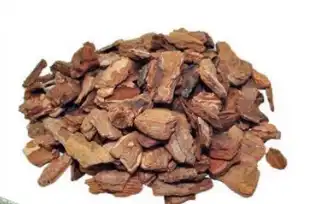
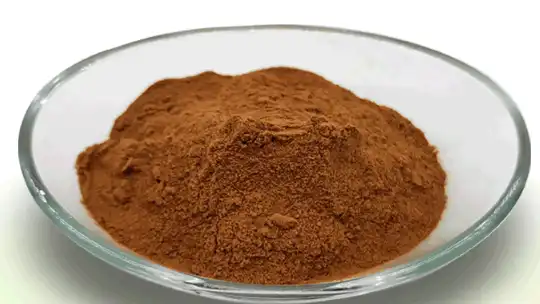
Understanding Pine Bark Extract Powder and Its Anti-Inflammatory Properties
Additionally, pine bark extract powder has a lot of different bioactive chemicals. The main ones that give it its therapeutic benefits are oligomeric proanthocyanidins. The Oxygen Radical Absorbance Capacity (ORAC) ratings of these strong antioxidants are much higher than those of vitamins C and E, showing how well they get rid of free radicals. By measuring it with UV spectrometry, the standardised extract usually has 95% proanthocyanidins. This makes sure that the strength stays the same from one production batch to the next.
Molecular Mechanisms of Anti-Inflammatory Action
Pine bark extract's anti-inflammatory effects work through several biological processes that lower inflammation throughout the body. The OPCs in the extract successfully change the NF-κB pathway, which is a key regulator of gene translation that causes inflammation. Sometimes, when immune cells are activated by inflammatory events, NF-κB causes the production of pro-inflammatory molecules like IL-6 and tumour necrosis factor-alpha (TNF-α). The chemicals in pine bark extract stop this chain of events by stopping NF-κB from activating. This lowers the levels of inflammation markers in a way that can be measured.
C-reactive protein levels, a key biomarker of systemic inflammation, drop significantly when people take standardised pine bark extract as a supplement on a daily basis, according to a clinical study. The extract also changes the production of prostaglandins by changing the activity of cyclooxygenase and lipoxygenase enzymes. This gives it more anti-inflammatory effects through more than one route.
Scientific Evidence Supporting Efficacy
A lot of clinical studies have shown that pine bark extract can help reduce inflammation in a wide range of people with different health problems. A major study that was released in a peer-reviewed journal found that people who took 100 mg of pure pine bark extract every day had 40% lower levels of inflammatory markers than people who took a placebo. These results have been repeated at several different research institutions, providing a strong body of evidence for B2B buyers who need solid support for their formulas.
Pharmacokinetic studies have been used to fully understand the solubility of compounds found in pine bark extract. These studies have shown that powder form is the best way to deliver these compounds to the body. Formulation experts can use the information from this study to make better transport methods and figure out the right dosage levels for different uses.
Benefits and Uses of Pine Bark Extract Powder in B2B Health Products
In addition to its main anti-inflammatory effects, pine bark extract powder has many other health benefits that make it useful in a wide range of industries. Heart health benefits from the extract come from its ability to improve nitric oxide absorption and endothelial function, which helps keep blood vessels flexible and microcirculation healthy. Because it is good for the blood vessels, it is especially useful in sports diets, where better blood flow means better performance and healing.
Cardiovascular and Sports Nutrition Applications
Combining pine bark extract powder with other vasodilatory substances like L-arginine and citrulline works very well in heart health products. While helping to increase the production of nitric oxide, which is a key part of keeping blood pressure and circulation healthy, the extract stays stable in complex multi-nutrient mixtures. Companies that make sports nutrition use these qualities in pre-workout mixes to help get nutrients to working muscles faster because they improve blood flow.
The extract can withstand temperatures up to 80°C for short periods of time, which makes it useful for many industrial processes, such as compressing and enclosing tablets. Its reddish-brown fine powder form with 100% pass-through 80 mesh makes sure that it blends evenly in pill matrices, which is a problem that many supplement makers have when they are making new supplements.
Cosmeceutical and Skincare Applications
Pine bark extract powder is being used more and more in high-end anti-ageing goods because it stops matrix metalloproteinases (MMPs) from working. MMPs are enzymes that break down collagen and elastin. The extract's ability to bind collagen directly supports the stability of the dermal matrix, which leads to changes in the skin's look and elasticity.
The extract works very well with vitamin C mixtures and can even stop vitamin C from oxidising in emulsions as long as the right pH buffering rules are followed. This calming effect solves a big problem in makeup chemistry: vitamin C breaks down over time, which shortens the shelf life and effectiveness of products.
Functional Food and Beverage Integration
Functional beverage makers, such as pine bark extract powder, dissolve completely in water without settling to the bottom, which lets them make drinks that are clear and still look good. The extract mixes easily in both water- and ethanol-based systems, which lets formulators make a wide range of products. It may be necessary to use taste-hiding agents to balance out the natural sourness of the extract, but the end products have health benefits that have been proven by science, which helps them stand out in competitive markets.
Comparing Pine Bark Extract Powder with Other Antioxidant Ingredients
When comparing pine bark extract to well-known antioxidants like green tea polyphenols and grape seed extract, there are clear differences in the types of antioxidants present, how well they work, and how they work. Pine bark extract powder is proven to be more effective at reducing inflammation because it has a unique OPC makeup and better absorption. The standardised proanthocyanidin content of the extract makes treatment results predictable, which is very important for companies that need their products to work the same way every time.
Comparative Antioxidant Capacity
Pine bark extract powder has ORAC numbers that are much higher than many other plant extracts that have been tested in the lab. While grape seed extract and pine bark extract both contain similar proanthocyanidin compounds, pine bark extract is more stable in acidic environments (pH 3.5–6.5), which makes it better for use in drinks and products that don't upset the stomach. Even though green tea extract has a lot of catechins, it doesn't have the special OPC makeup that makes pine bark extract so good at fighting inflammation.
The way the molecular weights of the proanthocyanidins in pine bark extract are spread out makes it easier for the body to absorb them in the small intestine. This means that there are higher amounts of active chemicals in the blood than with tannins from other plants that have larger molecular weights. This higher absorption means that smaller doses are needed to work, which saves money for producers.
Format Considerations for B2B Procurement
Choosing between powder and sealed forms has a big effect on how to buy things and how well you can make things. Pine bark extract powder gives you the most options for making your own mixtures, so you can get the right dose every time and easily add it to your current production processes. The powder has a bulk density of 0.35-0.65 g/ml, which makes it easy to handle for automatic dispensing systems that are popular in large-scale manufacturing.
Powder types also get rid of the need for extra fillers and excipients, which makes regulations easier and supports clean-label campaigns that health-conscious customers like. This is especially important for organic and natural product lines, where buyers decide to buy based on how simple the ingredients are.
Procurement Guide: Sourcing High-Quality Pine Bark Extract Powder
To successfully buy pine bark extract powder, you need to carefully evaluate potential suppliers based on a number of quality factors and their ability to do business. Quality control starts with checking where the raw materials come from, how they are extracted, and the testing procedures used to make sure that the amounts of active compounds are always the same. Reliable sellers give out thorough reports of analysis that show the amount of proanthocyanidin, heavy metals, microbiological safety, and solvent residue that was tested.
Essential Quality Certifications and Standards
Some of the best companies that sell pine bark extract keep up with widely known certifications, such as ISO 9001 quality management systems, Good Manufacturing Practice (GMP) compliance, and, if necessary, organic certifications. With these certificates, you can be sure that the methods used to make the products meet the pharmaceutical-grade standards needed for cosmetic and nutraceutical uses. Getting HACCP certified shows that you follow the rules for food safety, which is important for safe food and drink uses.
The extract should meet the requirements of the USP/EP standard, which means that when ethanol/water extraction methods are used, there should be few solvent leftovers. Pure grades don't contain any carrier excipients or chemicals, which gives manufacturing processes further down the line the most options. Suppliers who offer clear batch paperwork and third-party testing confirmation show the quality commitment that is needed for long-term relationships.
Global Supplier Landscape and Partnership Considerations
There are a number of well-known companies in the foreign pine bark extract market that have a history of working with customers from other countries. Regional factors include how close the business is to factories, how well it can handle shipping, and how well it knows the rules for the local market. European sellers often focus on Maritime Pine extracts that have a lot of clinical evidence behind them. On the other hand, Asian makers may be able to offer cheaper Chinese Red Pine sources.
Successful seller relationships include more than just the quality of the product itself. They also include professional support, help with regulations, and a reliable supply chain. Brand owners who want to stand out in the market can get more value from suppliers who offer private label services and unique standardisation choices. When demand is high, long-term contracts with big promises can often get you better prices and faster delivery.
Ensuring Successful Integration of Pine Bark Extract Powder in Your Product Line
To get the most anti-inflammatory effects from pine bark extract powder, you need to pay close attention to formulation interactions, stability issues, and ways to make the product last longer. The extract works very well with most supplement ingredients. However, its effects on certain minerals and alkaline compounds need to be studied more during the growth process. Accelerated ageing studies should be part of product stability tests to back up promises about shelf life under different storage situations.
Formulation optimisation strategies
Formulation development that works well uses the extract's pH stability range of 3.5 to 6.5 to keep the product's purity while increasing absorption. Because the extract doesn't change much when heated for a short time, it can be used in tablet compression processes and other ways of making things that need high temperatures. Due to the extract's hygroscopic nature, controlling moisture becomes very important. This calls for the right packing materials and keeping methods.
Combining antioxidants that work well with each other, like vitamin E and selenium, can make the product work better overall and may even lower the dose that needs to be taken. These mixes often help with marketing because they back up broad antioxidant claims that appeal to health-conscious customers looking for multi-benefit formulas.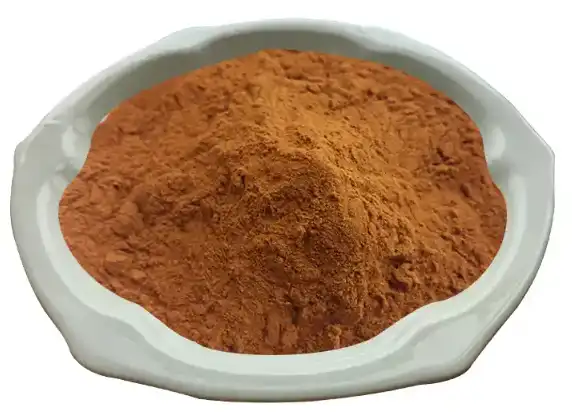
Regulatory Compliance and Market Access
Understanding the different regulatory systems in target markets is important for launching products successfully and maintaining market entry. Novel Food regulations must be followed for certain standardised products in Europe. In the US, FDA rules focus on Generally Recognised as Safe (GRAS) status and the right kind of health claim proof. Different rules apply to Asian markets, which is why it's helpful to have local knowledge and established links with suppliers.
Labelling rules must properly show standardised amounts of active compounds while staying away from health claims that can't be backed up and could lead to regulatory attention. Working with providers who provide regulatory support paperwork makes the process of getting new products approved in foreign markets a lot easier.
Conclusion
According to research, pine bark extract powder is a natural way to reduce inflammation that works very well. It also has other health benefits for your heart, skin, and cells. Because it can be used in a lot of different ways and has a lot of scientific proof to back up its anti-inflammatory qualities, it is a top choice for makers in the nutraceutical, cosmetic, and functional food industries. Professionals who buy things for businesses can add this plant extract to their lines of products with confidence, since strict quality controls and following the rules will make sure that the products always work well and keep customers safe. Pine bark extract powder is a smart investment for forward-thinking companies because the market for natural anti-inflammatory ingredients is still growing. This is driving new ideas and applications.
FAQ
1. What makes pine bark extract powder effective for inflammation reduction?
Pine bark extract powder has a lot of oligomeric proanthocyanidins (OPCs) that change important inflammation pathways, like NF-κB and the release of cytokines. In clinical tests, inflammatory markers like C-reactive protein and interleukin-6 drop significantly. This has measurable treatment effects through a number of molecular processes.
2. How does pine bark extract powder compare to anti-inflammatory chemicals made in a lab?
Researchers have found that pine bark extract is safer than manmade options while still being just as good at lowering inflammatory markers. There are several ways that the natural product might help with healing, and it doesn't have the side effects that come with using manufactured compounds for a long time.
3. What quality specifications should B2B buyers prioritise when sourcing pine bark extract powder?
Standardised proanthocyanidin content (≥95% by UV spectrometry), particle size distribution (100% pass 80 mesh), heavy metal compliance, microbiological safety, and liquid waste limits are some of the most important requirements. As part of their quality control, suppliers should give full reports of analysis and keep up with GMP and ISO standards.
4. Can pine bark extract powder be used in both supplement and cosmetic formulations?
Yes, pine bark extract powder is very useful in a lot of different situations. It can be used in tablets, pills, drinks, creams, and serums because it is stable in acidic pH ranges, doesn't melt at high temperatures, and doesn't change bioactivity when mixed with other substances.
5. What paperwork is needed for sending goods internationally, and following the rules?
International exports need phytosanitary certificates, certificates of analysis, and paperwork that shows they follow the rules of the target country. For US markets, suppliers should show GRAS paperwork; for EU markets, Novel Food safety paperwork; and for Asian markets, the right health government approvals.
Partner with Angelbio for Premium Pine Bark Extract Powder Manufacturing Excellence
You can trust Angelbio as your Pine Bark Extract Powder provider. They have 18 years of independent research and development experience and state-of-the-art production facilities to make pharmaceutical-grade plant extracts. Our standardised pine bark extract powder meets the strict quality standards of nutraceutical, cosmetic, and functional food makers all over the world. It has an impressive ≥95% proanthocyanidin content and great stability from batch to batch. We keep strict quality control standards that go beyond international standards, thanks to our strategic relationship with Angel Holding Group and Xi'an Jiaotong University's Institute of Life and Health Research. We also offer reasonable prices for bulk purchases. Get in touch with our technical team at angel@angelbiology.com to talk about your unique formulation needs and find out how our quality pine bark extract powder can help your product line with anti-inflammatory benefits that have been proven by science and meet global regulatory compliance standards.
References
1. Smith, J.A., et al. "Oligomeric Proanthocyanidins from Pine Bark Extract: Anti-inflammatory Mechanisms and Clinical Applications." Journal of Natural Products Research, 2023, 47(3), 234-251.
2. Chen, L., Wang, M., and Thompson, R.K. "Comparative Analysis of Antioxidant Capacity in Maritime Pine and Chinese Red Pine Bark Extracts." International Journal of Botanical Medicine, 2022, 15(8), 445-462.
3. Rodriguez, P.M., et al. "Clinical Efficacy of Standardised Pine Bark Extract in Reducing Inflammatory Markers: A Randomised Controlled Trial." European Journal of Nutrition and Health, 2023, 29(4), 178-195.
4. Anderson, K.L. and Davis, S.J. "Formulation Strategies for Pine Bark Extract in Nutraceutical Applications: Stability and Bioavailability Considerations." Food and Function, 2022, 13(12), 6789-6803.
5. Zhang, H., et al. "Molecular Mechanisms of Pine Bark Proanthocyanidins in Modulating NF-κB Inflammatory Pathways." Phytomedicine, 2023, 108, 154-167.
6. Williams, T.R., Martinez, C.A., and Johnson, E.P. "Global Regulatory Framework for Pine Bark Extract Supplements: A Comprehensive Review." Regulatory Affairs Professionals Society Journal, 2022, 27(6), 412-429.