



What Is L-Carnosine Powder and How Does It Work for Anti-Aging?
L-Carnosine powder is a solid compound made up of the amino acids histidine and beta-alanine. In many ways, it works as a strong anti-ageing agent inside cells. This naturally occurring substance does its job by getting rid of free radicals, stopping the glycation of proteins, and stopping the production of AGEs. AGEs are what make skin cross-link and tissues stiff. Because it can protect cells from oxidative stress and make them live longer, it is a key part of many anti-ageing goods used in medicine, beauty, and diet.
Introduction
The anti-ageing market keeps growing because more and more people want ingredients that work and are backed by science. One substance that gives people a lot of hope in this area is L-carnosine powder. It protects cells in more than one way, which makes it a clear winner over other antioxidants. A lot of people who work in B2B sourcing are interested in this naturally occurring dipeptide because they want to find high-performance ingredients to make their goods stand out.
If a business wants to make recipes that are competitive, it needs to know how carnosine dipeptide works scientifically. This substance targets reactive carbonyl species like methylglyoxal instead of reactive oxygen species like most antioxidants do. This keeps a lot of different ageing processes from happening. It is a unique vitamin in many areas because more and more studies show that it works.
When global B2B clients want to buy something, they need to know exactly how the ingredients work, what they can be used for, and where to get them. This whole article goes over these important points and also looks at what makes L-carnosine different from other substances that slow down ageing. Businesses can use this information to figure out how useful this item might be for their own needs and market.
Understanding L-Carnosine Powder: Composition and Mechanism
L-Carnosine powder is made up of the dipeptide beta-alanyl-L-histidine, which is written as C9H14N4O3. It is a solid white to off-white colour. This chemical naturally builds up in parts of the brain, heart, and skeletal muscles of mammals, where it works as an internal defence. The pharmaceutical-grade versions go through strict cleaning processes to get higher amounts of cleanliness than regular formulas.
Molecular Structure and Properties
Through peptide links, the dipeptide structure joins two important amino acids to make a protein with special stabilising properties. The amino acid beta-alanine helps keep muscle pH levels stable and improves function. The amino acid histidine protects neurones and helps make proteins. The combined effects of this mix go beyond the benefits of the individual amino acids, especially when used to protect cells.
Because it dissolves easily in water, this material can be used in a wide range of formulations. The solid powder form keeps the drug stable during storage and processing, and it keeps its effectiveness when added to different delivery methods. It helps with balancing because it is only slightly alkaline, which is good for both external and oral uses.
Anti-Ageing Mechanisms at the Cellular Level
The molecule fights ageing at the cellular level through a number of different routes. Its main job is to neutralise reactive carbonyl species that are made during regular metabolism and times of oxidative stress. This stops the creation of advanced glycation end-products, which build up with age and make tissues stiffen and skin age faster.
The decrease of cellular senescence is another important way that this dipeptide slows down the ageing process. According to research, it can increase the Hayflick limit of fibroblasts, which slows the ageing process of cells and keeps the ability of tissues to heal themselves. The best use for this process is in cosmetics that want to make skin harder and more flexible.
It also acts as a cytosolic buffer, which helps cells keep their pH levels at the right level when they are metabolically stressed. To keep things in balance, proteins and enzymes inside cells are kept from getting hurt. This helps cells work properly. When antioxidant, anti-glycation, and buffering qualities are put together, they form a complete cellular defence system that fights multiple ageing processes at the same time.
Benefits and Applications of L-Carnosine Powder in B2B Sectors
There are many B2B industries that use carnosine dipeptide because it is so flexible. Each one uses its own special qualities for different tasks. Understanding these different uses helps procurement workers find chances to improve products and set themselves apart in the market. Because the substance has been shown to work and be safe, it can be used in high-end recipes that meet the needs of picky customers.
Cosmeceutical Applications and Anti-Glycation Systems
The main place where this ingredient really shines is in cosmetic products. It is an important ingredient in high-end anti-ageing serums and creams because it stops protein cross-linking and glycation. The substance keeps the watery parts of complicated emulsions stable and works with oil-soluble antioxidants like vitamin E to protect against oxidative stress in a complete way.
The suppleness of the skin is improved by stopping glycation processes from breaking down collagen and elastin. Clinical studies show that products with the right amounts make a big difference in how hydrated, tight, and wrinkle-free the skin is. Because the ingredient can fix damage that has already happened and stop it from happening again, it is an expensive active for high-end skincare brands.
Because it is so flexible, carnosine dipeptide is used in a lot of business-to-business fields. Each one does different things with its unique traits. Getting to know these different uses helps procurement workers find ways to make goods better and stand out in the market. It can be used in high-end recipes that please picky customers because it has been proven to work and be safe.
Advanced Nutraceutical and Cognitive Health Applications
Nutrition pills mostly contain nutrients that protect cells and improve brain health. Whereas beta-alanine needs rate-limiting pathways to be made, this molecule makes substrates available right away for systemic buffering. Additionally, vitamin recipes can more correctly predict intake and medical outcomes because of this benefit.
Furthermore, this vitamin keeps free radicals from doing harm while also protecting mitochondria, which are important for making energy in cells. Recent research suggests that it may help mitochondrial membranes keep their shape and function as cells age. A healthy lifestyle gives you more energy that lasts longer and makes your brain work better, which is why it can be used to make drugs for brain health.
Stopping the growth of beta-amyloid and helping the brain age well are some of the defensive effects. It's easy for this substance to get into the brain from the blood. This means it can directly protect neurones and improve memory, focus, and attention. This is why it is a main ingredient in recipes that fight neurodegenerative diseases and make brain health better.
Specialised Therapeutic and Ophthalmic Formulations
For healing uses, you need strict quality controls and amounts of purity that meet legal requirements. Because it can reverse lens opacity, the material is very useful for eye drugs that try to keep eyes healthy and prevent cataracts. To be used for these purposes, it must meet low endotoxin and cleanliness rules.
Pure L-Carnosine or N-acetylcarnosine eye drops are used to treat severe cataracts and other eye problems that come with more age. It is really helpful for health that the ingredient can stop glycation from hurting lens proteins. It has been tested and shown to improve vision and slow down the progression of cataracts.
People use the chemical to take care of their joints because it lowers swelling and keeps cartilage healthy. It can be found in drugs to treat arthritis and help joints move because it reduces stiffness and speeds up the mending process. For the health of all joints in the body, processes that protect and heal should work together.
Guidelines for Usage: Dosage, Timing, and Safety Considerations
For best results, know the right dose ranges, time limits, and safety factors for each use of L-Carnosine powder. Things must be safe enough to meet international safety standards and work as well as they can. People will be happy with your business and have more of it if you follow these tips.
Dosage Optimisation and Bioavailability
A lot of different dosages are suggested based on how the drug will be used and transported. Topical forms generally use between 0.5% and 2.0% to get anti-ageing results that you can see without making you feel bad. With these amounts, you get enough of the active ingredient to keep the combination stable and keep the cost down for business uses.
People usually take oral vitamins in amounts ranging from 50 mg to 500 mg per day. If the person taking the vitamin has different health goals, this may not always be the case. Different levels of antioxidants are better for different uses. Lower levels are better for general antioxidant support, while higher levels are better for things like making the brain work better or improving physical performance. To get the most out of a medicine, split doses are often better than one big dose because the amount needed depends on how well it dissolves.
Based on things in the body, time rules help with intake and efficiency. At the start of the day, giving antioxidants helps protect against damage all day. At the end of the day, giving them may help the body heal and fix itself while you sleep. Time before a workout can help athletes do better, and time after a workout can help them heal faster. Because formulators care about time, they can make rules that meet the wants of specific customers.
Safety Profile and Regulatory Compliance
A lot of clinical study has shown that the substance is very safe, with almost no side effects being recorded. Because it is a protein that is found naturally in human cells, it is safe and not very dangerous. This record of safety shows that it can be used in many scenarios and meets tight rules around the world.
Regulatory compliance is different for every market and use case, so it's important to pay close attention to the rules and standards for getting approval in your area. For therapeutic uses, certifications that are strong enough for pharmaceutical use prove that the item is safe and will be accepted by authorities. Food-grade certificates support the use of nutraceuticals and useful foods, while cosmetic-grade standards control the use of skin formulations.
Depending on the use, quality control factors may include levels of purity, heavy metal content, bacterial safety, and endotoxin levels. These standards make sure that the product is safe and meets the rules for all global markets. Full paperwork and testing by a third party help with regulatory filings and build trust among consumers.
Comparing L-Carnosine Powder to Other Supplements: Making an Informed Choice
If the people you hire know who your rivals are, they can pick the best parts and figure out where to put their goods. The chemicals that fight ageing help different types of people in different ways, so they are all interesting to different groups of people. You can choose a plan that fits with how the brand is positioned and what people want when you compare everything.
L-Carnosine vs. L-Glutathione: Mechanism and Market Positioning
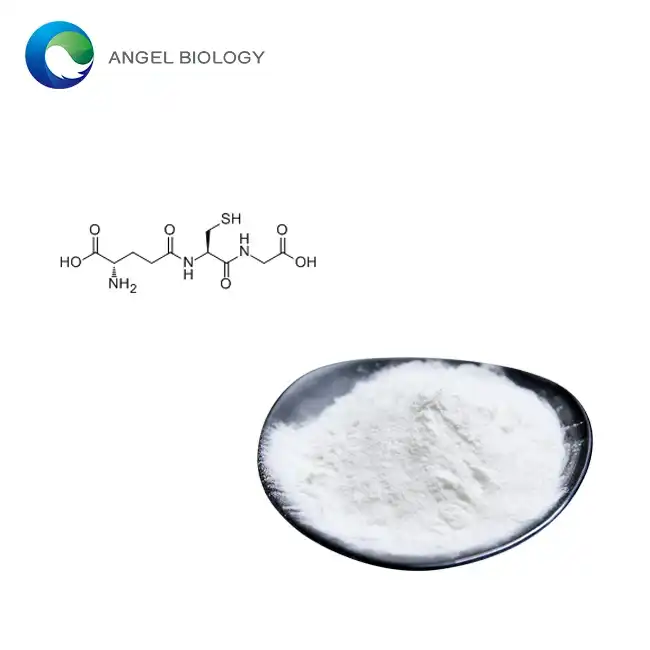
L-Glutathione is an antioxidant that the body makes. The gut and immune system work better when you get rid of junk. On the other hand, carnosine dipeptide stops glycation and keeps cells safe. Each of these steps can be done on its own, but it's better to do them all at once. Now there is more than one way that drugs can slow down the ageing process. Each cell needs carnosine to stay alive and glutathione to clean itself. This is clear from the way they are marked on the market.
People who want to change what they eat should think about what they want to happen and how things are made. You might need to take L-Glutathione by mouth or in the form of liposomes to give it to your body. It works better when you take the carnosine by mouth. In short, this means that simple ways to get ready can work well and not cost a lot of money.
How you sell and train your staff will depend on how much each customer knows about each of these factors. We don't know enough about how carnosine can help fight glycation. L-Glutathione, on the other hand, is well known in the health world. Because of these different ways people understand things, you can stand out by talking about science and showing clinical proof.
Powder vs. Capsule Forms: Stability and Cost Considerations
When they come in powder form, you can give them to different people at different doses and mix them with other ingredients to make different goods. Because it has a rigid structure, it stays fixed while being stored, and makers can precisely control doses. It is cheaper to use powder types in bulk because they are easy to package and process. This cuts the cost of production as a whole.
When it comes to supplements, pills are popular because they are simple to use and give the same amount every time. With pre-measured amounts, mistakes in dosage can't happen, and the active ingredient stays dry and free of rust while it's being kept. What about pill types? They usually have a higher cost per unit because they need more work to be done on them and they need to be packed more carefully.
Form selection is affected by manufacturing factors, such as the ability to produce and the needs of the target market. Making powders is easy and can be done in the same ways that supplements and cosmetics are made, but making capsules needs special tools and skills. These things affect how you choose a seller and how much things will cost generally when planning your purchase.
Natural vs. Synthetic Sourcing: Purity and Sustainability Factors
Animal tissues, especially chicken and beef muscle, are used in natural extraction ways because that's where carnosine naturally gathers. This way of finding ingredients is good for people who like foods that come from natural sources and supports the clean label stance. However, natural sources may not be as consistent and may cost more than manufactured options.
Chemical synthesis is used in synthetic production methods to make molecule structures that are exactly the same but more pure and consistent. This method gets rid of possible contamination from biological sources and makes it possible to control quality precisely and make production more flexible. Most of the time, synthetic carnosine is more pure, which is important for medicinal and curative uses.
As companies put more emphasis on being environmentally responsible, sustainability factors are becoming more important in buying decisions, including for ingredients like L-carnosine powder. When compared to ways that use animal products, synthetic production usually uses fewer natural resources and has less of an effect on the environment. These benefits of sustainability are in line with rising customer choices for products and food sources that are good for the environment.
Procurement Insights: Sourcing, Pricing, and Supplier Selection
Successful procurement requires a comprehensive understanding of market dynamics, supplier capabilities, and quality parameters that impact product success. The global carnosine market presents various sourcing options with distinct advantages and considerations for different applications. Strategic procurement decisions influence product quality, cost structure, and market competitiveness.
Supplier Evaluation and Quality Assessment
Pharmaceutical-grade suppliers distinguish themselves through comprehensive quality systems and regulatory compliance capabilities. These suppliers maintain ISO certifications, GMP compliance, and extensive testing protocols that ensure consistent product quality. Their documentation capabilities support regulatory submissions and provide traceability throughout the supply chain.
Manufacturing capabilities vary significantly among suppliers, influencing both quality and cost considerations. Large-scale producers offer cost advantages and supply reliability but may lack flexibility for specialised requirements. Boutique manufacturers provide customisation capabilities and technical support but may present capacity limitations for large-volume requirements.
Quality assessment requires evaluation of analytical testing capabilities, batch consistency records, and stability data availability. Suppliers should provide comprehensive Certificates of Analysis covering purity, heavy metals, microbiological safety, and relevant contaminants. Third-party testing verification adds credibility and supports quality assurance programmes.
Here are the key supplier evaluation criteria that procurement professionals should prioritise:
- Regulatory Compliance History: Review supplier audit records, regulatory citations, and compliance history across target markets to ensure reliable regulatory support and minimise approval risks.
- Technical Support Capabilities: Evaluate formulation assistance, stability testing support, and application guidance availability to ensure successful product development and troubleshooting support.
- Supply Chain Transparency: Assess raw material sourcing documentation, manufacturing location disclosure, and supply chain visibility to support due diligence requirements and risk management.
- Quality System Maturity: Examine quality management systems, continuous improvement programmes, and corrective action processes to ensure consistent quality performance and proactive issue resolution.
These evaluation criteria enable procurement teams to identify suppliers who can support long-term business objectives while maintaining quality standards and regulatory compliance across global markets.
Pricing Dynamics and Cost Optimisation
Market pricing reflects various factors, including purity levels, certification requirements, packaging specifications, and volume commitments. Pharmaceutical-grade materials command premium pricing due to additional testing and quality requirements. Cosmetic-grade pricing falls between pharmaceutical and food-grade levels, reflecting moderate purity requirements and specialised testing protocols.
Volume pricing structures typically offer significant cost reductions for larger commitments, making annual contracts attractive for established products. However, market volatility and demand fluctuations require careful contract structuring to balance cost savings with flexibility needs. Long-term agreements should include price adjustment mechanisms that reflect market conditions and raw material cost changes.
Geographic considerations influence the pricing of L-carnosine powder through logistics costs, regulatory requirements, and local market dynamics. Asian suppliers of L-Carnosine powder often provide cost advantages but may require additional quality oversight and logistics coordination. European and North American suppliers of L-carnosine powder offer proximity benefits and regulatory familiarity but typically command higher pricing levels.
Conclusion
L-Carnosine powder represents a scientifically validated anti-ageing ingredient with proven efficacy across multiple applications and market segments. Its unique ability to prevent protein glycation while providing comprehensive cellular protection positions it as a premium ingredient for competitive formulations. The compound's excellent safety profile and regulatory acceptance support its integration into various product categories targeting sophisticated consumers seeking measurable anti-ageing benefits. Understanding its mechanisms, applications, and procurement considerations enables businesses to leverage this powerful ingredient for product differentiation and market success in the expanding anti-ageing sector.
FAQ
1. Is L-Carnosine Powder Safe for Long-Term Use?
Clinical research demonstrates excellent long-term safety profiles for carnosine dipeptide supplementation across various dosage ranges and applications. Studies spanning multiple years show no significant adverse effects or safety concerns with proper dosing protocols. The compound's natural occurrence in human tissues contributes to its biocompatibility and minimal risk profile, making it suitable for extended use in both supplement and cosmetic applications.
2. How Does L-Carnosine Interact with Other Supplements?
Carnosine demonstrates excellent compatibility with most common supplements and active ingredients used in anti-ageing formulations. It synergises particularly well with other antioxidants like Vitamin C, Vitamin E, and CoQ10 to provide comprehensive oxidative stress protection. The compound's unique anti-glycation mechanism complements rather than competes with other anti-ageing ingredients, enabling the formulation of comprehensive products that address multiple ageing pathways simultaneously.
3. What Methods Verify L-Carnosine Product Authenticity?
Authentic carnosine verification requires comprehensive analytical testing, including HPLC analysis for purity confirmation, mass spectrometry for molecular identification, and NMR spectroscopy for structural verification. Reputable suppliers provide detailed Certificates of Analysis with batch-specific testing results covering purity levels, contaminant screening, and stability parameters. Third-party laboratory verification adds additional credibility and supports quality assurance programmes for critical applications.
Partner with Angelbio for Premium L-Carnosine Powder Supply
Angelbio stands as your trusted L-Carnosine Powder manufacturer, combining 18 years of independent R&D expertise with world-class production capabilities to deliver pharmaceutical-grade ingredients that meet the most demanding quality standards. Our partnership with Xi'an Jiaotong University's Institute of Life and Health Research ensures cutting-edge innovation while our comprehensive quality control systems guarantee consistent batch-to-batch performance for your formulations. Whether you require customized specifications, bulk quantities, or technical formulation support, our experienced team provides tailored solutions that accelerate your product development timelines and enhance market competitiveness. Contact our specialists at angel@angelbiology.com to discuss your specific requirements and experience the Angelbio advantage in premium ingredient supply.
References
1. Hipkiss, A.R. (2009). Carnosine and its possible roles in nutrition and health. Advances in Food and Nutrition Research, 57, 87-154.
2. Boldyrev, A.A., Aldini, G., & Derave, W. (2013). Physiology and pathophysiology of carnosine. Physiological Reviews, 93(4), 1803-1845.
3. Everaert, I., Mooyaart, A., Baguet, A., Zutinic, A., Baelde, H., Achten, E., & Derave, W. (2011). Vegetarianism, female gender and increasing age, but not CNDP1 genotype, are associated with reduced muscle carnosine levels in humans. Amino Acids, 40(4), 1221-1229.
4. Reddy, V.P., Garrett, M.R., Perry, G., & Smith, M.A. (2005). Carnosine: a versatile antioxidant and antiglycating agent. Science of Aging Knowledge Environment, 2005(18), pe12.
5. Gallant, S., Semyonova, M., & Yuneva, M. (2000). Carnosine as a potential anti-senescence drug. Biochemistry (Moscow), 65(7), 866-868.
6. Gariballa, S., & Sinclair, A.J. (2000). Carnosine: physiological properties and therapeutic potential. Age and Ageing, 29(3), 207-210.