



Kudzu Root Extract Powder: Unlocking Natural Wellness and Vitality
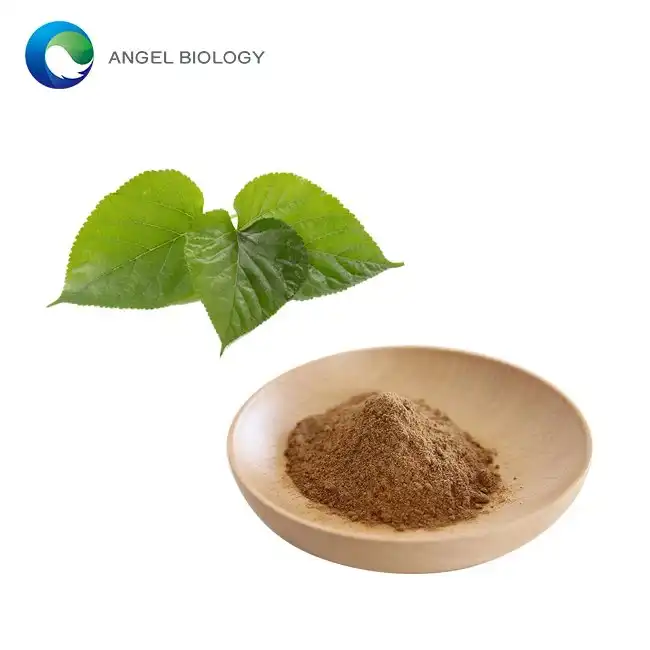
Pueraria lobata (Willd.) Ohwi and Pueraria thomsonii Benth. are two species in the Leguminosae family with a long history of use in traditional East Asian practices. Kudzu root extract powder is a concentrated botanical ingredient produced from the dried roots of these plants. Depending on the species, extraction process, and selected grade, the extract may contain different levels of isoflavones, including puerarin, daidzin, and daidzein. Commercial specifications can range from lower-concentration extracts to highly enriched grades, so buyers should confirm the stated assay and analytical method for each product. For B2B clients in the nutraceutical, food, cosmetics, and other ingredient sectors, standardized extracts can offer a more defined ingredient profile than raw root materials. Key procurement considerations include phytochemical consistency, suitability for the intended formulation, and control of unwanted residues.
Understanding Kudzu Root Extract Powder: Nature's Herbal Wellness Solution
What It Is and How It's Made
Unlike raw ground root powder, kudzu root extract powder is produced by extracting plant material with a suitable solvent, such as water or a water-ethanol mixture, followed by filtration and other purification or concentration steps where applicable. Some manufacturing processes may use resin purification or assisted extraction techniques, depending on the target specification. The resulting powder can vary in color, particle size, composition, and physical properties. A particle size such as 80 mesh or a bulk density of 0.45–0.65 g/mL should be treated as a product-specific specification rather than a universal feature. Buyers planning large-scale tablet, capsule, or beverage production should request technical data and assess flowability, dispersibility, and processing compatibility before confirming a formulation.


Key Bioactive Compounds
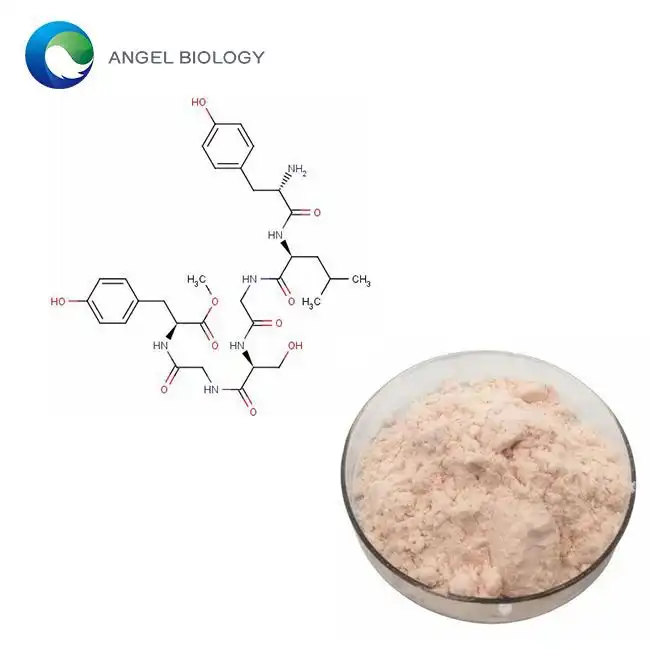
Puerarin is one of the characteristic isoflavones found in Pueraria extracts. Other constituents may include daidzin and daidzein, depending on the plant species and manufacturing process. These compounds have been investigated in laboratory and preclinical research for properties such as antioxidant activity and interactions with biological pathways. However, research findings do not establish that every commercial extract produces a specific health outcome in humans. Isoflavones can also be relevant to research on phytoestrogenic activity, but their effects depend on the compound, concentration, formulation, and context of use. Puerarin's thermal behavior alone does not establish stability throughout food processing; formulators should assess the finished ingredient under their actual temperature, pH, moisture, and storage conditions.
Research Context, Applications, and Formulation Considerations
Research into kudzu-derived isoflavones has explored several potential biological activities, including their relationship to alcohol-related behavior and other physiological pathways. Findings from individual studies should not be interpreted as proof that kudzu root extract prevents intoxication, treats alcohol-related conditions, or improves alcohol metabolism. Nor can a single intake range be recommended for every extract, since products differ in composition and the evidence depends on the specific preparation and study design.
For cosmetics and personal-care products, formulators may investigate botanical isoflavones as ingredients for antioxidant-focused formulations. Any proposed skin-related benefit should be supported by evidence relevant to the finished formulation, its concentration, and intended use. B2B buyers should request a Certificate of Analysis (COA) showing the specified marker compounds and applicable quality tests. Heavy metal, microbiological, and residual-solvent requirements should be established according to the ingredient grade, intended application, and destination market rather than assumed to be identical across food, cosmetic, and other product categories.
Comparing Kudzu Root Extract Powder with Other Forms and Brands
Powder vs. Tea vs. Capsules
Kudzu root tea and raw root preparations may contain fiber and naturally occurring plant compounds, but their composition can vary with the plant source, preparation method, and serving conditions. Capsules are a convenient delivery format, although their contents and performance depend on the extract used, the formulation, and manufacturing controls. Standardized kudzu extract powder can help product developers specify a target level of selected isoflavones and incorporate the ingredient into suitable product formats. Its suitability for beverages, tablets, capsules, creams, or other applications must be evaluated individually. Powder is not automatically more stable or effective than other forms; consistency should be assessed using batch data and application-specific testing.
Organic vs. Non-Organic: What Procurement Teams Should Know
For kudzu root extract powder, an organic claim should be supported by valid documentation applicable to the ingredient and the relevant market. Organic status does not by itself establish a particular isoflavone concentration, purity level, or finished-product performance. Non-organic extracts may also be suitable for some applications when they meet the buyer's specifications and applicable requirements. Important quality indicators include the assay method, marker-compound content, residual-solvent results where relevant, contaminant testing, and the availability of supporting documents. Buyers may also request agricultural sourcing and traceability records to better understand the origin and handling of the raw materials.
Evaluating Supplier Attributes for Bulk Buyers
When purchasing kudzu root extract powder in bulk, procurement teams should evaluate the following factors:
Standardized assay: Confirm the stated puerarin or total isoflavone content, the analytical method used, and whether a batch-specific COA is available.
Product documentation: Request relevant quality-system documents, product specifications, origin information, and any applicable organic or non-GMO evidence. Confirm that the documents match the exact grade being purchased and the intended market.
Batch-to-batch consistency: Review available batch data and ask whether suitable third-party testing can be arranged for the required parameters.
Packaging and storage: Confirm the packaging material, moisture protection, storage conditions, and shelf-life information. Relative humidity limits and packaging configurations should follow the product's actual technical requirements.
Assay verification: Request a COA that identifies the tested marker compounds, analytical method, results, and batch number.
Documentation review: Confirm which product documents and declarations are available for the selected grade, and assess whether they meet your company's sourcing and destination-market requirements.
Procuring Kudzu Root Extract Powder for B2B Needs: A Comprehensive Buying Guide
Trusted Sources and Documentation Standards
China is one of the sourcing regions for Pueraria botanical ingredients, although the suitability of any supplier depends on the species, origin, extraction process, and finished specification. Rather than relying on a single certificate or a general supplier statement, buyers should review the documents relevant to their application, such as a product specification, batch COA, traceability information, contaminant results, and manufacturing-site or quality-system documentation where applicable. Requirements differ among dietary supplements, conventional foods, cosmetics, and medicinal products. A supplier's registration or certification should not be treated as automatic authorization for every product use or destination market. Before placing an order, confirm the ingredient's intended-use status and the documentation required for the relevant jurisdiction.
Bulk Pricing Factors and Logistics
The price of standardized kudzu root extract powder depends on factors such as the plant species, target puerarin or total isoflavone content, extraction and purification requirements, order volume, packaging, and testing needs. Higher-assay grades may cost more because additional processing or tighter specifications may be required, but actual pricing should be confirmed for the specific product. Buyers should also clarify minimum order quantity, sample availability, production lead time, shipping terms, packaging options, and storage recommendations before committing to a purchase. If the ingredient is intended for a new formulation, sample testing can help teams assess compatibility, dispersibility, sensory properties, and processing behavior before scaling up.
Negotiation and Supplier Evaluation Tips
Before placing a large order, ask prospective suppliers for a current batch COA or representative analytical documentation, available stability or shelf-life data, and an ingredient declaration covering relevant allergens and potential cross-contact considerations. The scope and availability of these documents may vary by grade and supplier, so confirm what can be provided for the exact product under review. Comparing two or three suppliers on specification clarity, analytical evidence, traceability, communication, and commercial terms can reveal meaningful differences that price alone may not show. Where a critical assay or contaminant limit is essential, consider independent verification before final approval.
Why Choose Premium Kudzu Root Extract Powder? Value and Market Insights
Defined Specifications and Formulation Value
For procurement and product-development teams, the value of a kudzu root extract powder lies in how closely its documented composition and physical properties match the intended application. Extracts with different puerarin or total isoflavone levels are not interchangeable, and a higher assay does not automatically mean better performance in a finished product. Clear specifications can help formulators compare materials, set ingredient input levels, and assess consistency between batches. Research into isoflavones provides context for ingredient development, but product claims should be based on evidence appropriate to the finished product and must comply with applicable local requirements. A well-documented botanical ingredient may support a clear product-development strategy when its intended use and evidence are carefully matched.
Potential Demand Across Multiple Industry Segments
Interest in botanical ingredients continues to create opportunities for ingredient suppliers and product developers, although market size and growth estimates vary depending on the research firm, category definition, and reporting period. Kudzu-derived extracts may be considered for selected supplement, food, and personal-care concepts, subject to formulation suitability and local regulatory requirements. Research into isoflavones may inform product development, but it does not establish that kudzu extract is an effective treatment for alcohol-related conditions, menopause symptoms, cardiovascular disease, or skin ageing. For distributors and brand owners managing multiple product categories, a clearly specified extract can make sourcing and formulation comparisons easier.
Alignment with Documentation and Market Requirements
Demand for traceable botanical ingredients and transparent product documentation makes sourcing records, batch-level analytical data, and clear ingredient declarations important to many buyers. A supplier should be able to explain the available evidence for raw-material origin, identity, composition, and relevant quality parameters. Documentation needs vary between markets and product categories, so buyers should verify requirements before selecting a grade or making a product claim. Clear communication about the ingredient's limitations, composition, and intended use helps procurement teams assess whether it fits their product-development plans.
Conclusion
Standardized kudzu root extract powder is a botanical ingredient that can be evaluated for use in selected nutraceutical, food, cosmetic, and related formulations. Its suitability depends on the plant species, marker-compound profile, processing characteristics, and requirements of the finished product. Rather than assuming universal stability or health benefits, buyers should confirm the relevant specifications, review analytical documentation, and conduct application-specific testing. Working with a supplier that can explain product grades, provide available batch records, and discuss samples and supply terms can help reduce sourcing uncertainty and support more informed purchasing decisions.

FAQ
1. What is the difference between Pueraria lobata and Pueraria thomsonii?
Pueraria lobata and Pueraria thomsonii are distinct species, and their chemical profiles may differ according to the plant material, growing conditions, and processing method. The puerarin and other isoflavone levels in a finished extract should be confirmed analytically rather than inferred from the species name alone. B2B buyers should specify the preferred species, marker compounds, assay range, and intended application in the purchase specification, then verify that the supplied grade meets those requirements.
2. Is the extract water-soluble?
Water solubility depends on the extract's composition, marker-compound concentration, processing method, and the conditions under which it is used. A highly enriched puerarin grade may behave differently from an extract standardized to a broader isoflavone profile. Buyers developing water-based drinks or other liquid products should request product-specific solubility or dispersibility information and test the ingredient in the intended formulation. Do not assume that a lower-assay extract will always dissolve completely or that a high-assay grade will always be unsuitable for beverages.
3. How is non-GMO status verified?
A non-GMO claim should be supported by documentation appropriate to the raw material, supply chain, and relevant market. Depending on the product and buyer's requirements, suppliers may provide a signed declaration, traceability records, or relevant analytical evidence. The type and scope of verification should be clarified in advance, because not every supplier uses the same method or has the same supporting documents. Buyers should review the evidence and confirm that it applies to the specific ingredient being purchased.
4. Does it contain allergens?
The allergen profile of kudzu root extract depends on the raw materials, manufacturing environment, and potential cross-contact during processing or packing. Do not rely solely on a general statement that the ingredient is naturally free of a particular allergen. Ask the supplier for an ingredient declaration and relevant allergen or cross-contact information, and assess whether further testing or controls are needed for the intended product and destination market.
Partner with Angelbio for Kudzu Root Extract Supply
Angelbio supplies botanical ingredients for customers in the food, cosmetics, and nutritional ingredient sectors. For kudzu root extract powder, B2B buyers can contact the team to discuss the intended application, preferred plant species, target puerarin or total isoflavone content, and required documentation. Product specifications, available analytical records, sample options, packaging, and commercial terms should be confirmed for the selected grade before purchase. For bulk supply inquiries, private-label discussions, or tailored specification requests, contact angel@angelbiology.com to discuss your project and request a quotation.

References
1. Keung, W. M., & Vallee, B. L. (1998). Kudzu root: An ancient Chinese source of modern antidipsotropic agents. Phytochemistry.
2. Penetar, D. M., et al. (2011). Kudzu extract treatment does not increase the intoxicating effects of acute alcohol in human volunteers. Alcoholism: Clinical and Experimental Research.
3. Xiao, C., et al. (2019). Isoflavones from Pueraria lobata and their estrogenic activities in vitro. Journal of Natural Products.
4. Lukas, S. E., et al. (2013). Extract of the kudzu root reduces alcohol intake in heavy drinkers in a short-term, double-blind, placebo-controlled study. Alcoholism: Clinical and Experimental Research.
5. Zheng, G., et al. (2020). Puerarin: A review of pharmacological effects. Phytotherapy Research.
6. Prasain, J. K., et al. (2009). Phytoestrogen content of kudzu root extract and its estrogenic activity. Journal of Agricultural and Food Chemistry.