



Reduced vs Oxidized Glutathione Powder: Key Purity Specs to Know
Understanding the difference between reduced and oxidized glutathione is essential when sourcing ingredients for B2B formulations. L-glutathione powder commonly refers to reduced glutathione (GSH), which contains a free thiol group involved in redox reactions and antioxidant processes. Oxidized glutathione (GSSG) has a different chemical structure and reactivity profile. For R&D directors, formulation scientists, and procurement teams, understanding these differences and the relevant purity specifications helps ensure that the selected ingredient matches the product brief and its declared specifications.
Understanding Reduced and Oxidized Glutathione Powder
Glutathione exists mainly in two interconvertible molecular forms: reduced glutathione and oxidized glutathione. They differ in chemical structure, redox behavior, and analytical characteristics, so they should not be treated as interchangeable ingredients without considering the intended application.
The Chemistry Behind Each Form
Reduced glutathione is a tripeptide composed of glutamate, cysteine, and glycine. The cysteine residue contains a free thiol group that participates in redox reactions, including reactions involving reactive oxygen species. During oxidation, two GSH molecules can form a disulfide bond, producing oxidized glutathione (GSSG). GSSG no longer has the same free-thiol configuration as GSH, but it can be converted back to GSH by cellular enzyme systems. The two forms therefore have distinct chemical properties and should be specified and measured separately when relevant to the formulation.
Why Molecular Form Shapes Formulation Outcomes?
Selecting the appropriate glutathione form helps align ingredient chemistry with the intended product and processing conditions. Reduced glutathione may be considered for cosmetic formulations focused on antioxidant properties or for nutraceutical products designed around glutathione as an ingredient. Claims involving skin brightening or other physiological effects should be supported by evidence relevant to the formulation and should comply with the rules of the target market. GSSG has a different redox profile and may be relevant to selected research or specialized formulation needs. Identifying the required form is an important first step in sourcing.
Key Purity Specifications and Quality Dimensions
Purity is not a single number. It is assessed through a set of analytical criteria that describe identity, assay, impurities, and other quality attributes. These specifications help buyers evaluate the suitability and consistency of L-glutathione powder for a particular application.
Analytical Standards That Matter
Commercial reduced L-glutathione powder is available in grades with defined assay specifications, and some products are specified at 98% or higher by an appropriate HPLC method. The suitable assay requirement depends on the intended use, applicable standards, and supplier specification. Buyers should review the analytical method and request batch-specific documentation. Relevant quality markers may include:
Assay: Specify the required GSH content and analytical method, such as a validated HPLC procedure. An assay of 98% or higher may be appropriate for certain grades, but it should not be assumed to be a universal requirement for every application.
Residual impurities: GSSG levels may be monitored when the reduced form is required. The acceptable limit should be agreed according to the product specification and intended use; an elevated result should be investigated rather than automatically attributed to poor manufacturing or packaging.
Heavy metals: Request results for relevant elements, such as arsenic, lead, mercury, and cadmium, and assess them against applicable market requirements and the agreed product specification.
Microbial limits: Review total aerobic microbial counts, yeast and mold counts, and other relevant tests according to the ingredient grade and intended application.
Loss on drying: Moisture-related specifications should be based on the product grade and validated method. A particular limit, such as 0.5%, should not be assumed to apply to every commercial grade.
These measurements help procurement and quality teams assess ingredient suitability. For example, a cosmetic formulation that specifies reduced glutathione should be evaluated using appropriate assay and impurity data rather than relying on a total-purity figure alone. Buyers who review the analytical profile in advance can better manage formulation consistency and reduce avoidable rework.
Stability Considerations by Form
Reduced glutathione may be affected by oxygen, moisture, temperature, light, and the surrounding formulation environment. Its thiol group can oxidize under certain conditions, so packaging and storage recommendations should follow the supplier's product-specific data. Oxidized glutathione has a different chemical profile, but its overall stability still depends on the grade, matrix, and storage conditions. A 24-month shelf life or a storage temperature below 25°C should only be stated when supported by the relevant product specification and stability information. Buyers should confirm the recommended packaging, storage conditions, retest period, and shelf life for the exact grade being purchased.
Comparison of Reduced vs Oxidized Glutathione in Procurement Applications
Both GSH and GSSG are relevant to ingredient sourcing, but the appropriate choice depends on the product's chemical requirements and intended application. Understanding the differences helps buyers avoid selecting an ingredient based solely on price or a broad product name.
Reduced glutathione may be selected for formulations that specifically require GSH, including certain cosmetic and nutraceutical applications. Its suitability for skin-brightening, antioxidant, or other functional positioning depends on the evidence for the finished product and the regulations in the target market. GSSG may be used in research, analytical work, or specialized applications where the oxidized form is specifically required. It should not be substituted for GSH without checking the formulation requirements and intended function.
Procurement teams should look beyond price per kilogram when evaluating suppliers. Important considerations include:
Certifications and compliance documents: Request current, relevant certificates and documentation for the product, manufacturing site, and destination market. The scope of each certification should be verified rather than assumed to cover every ingredient or application.
Batch consistency: Compare COAs from multiple recent batches where available, paying attention to assay methods, reported results, and specification limits. Acceptable variation should be defined in the purchasing specification rather than assigned a universal tolerance such as ±0.5%.
OEM and private-label capability: Suppliers offering suitable packaging options, labeling documentation, and flexible minimum order quantities may help brands manage product launches and scale-up.
Fermentation source transparency: If glutathione is fermentation-derived, request information about the production source and supporting documentation for claims such as non-GMO status. Vegan, HALAL, KOSHER, or TSE/BSE-related statements should be confirmed separately where relevant and should not be inferred solely from the use of fermentation.
Together, these factors help determine whether a supplier can support long-term purchasing needs for products such as L-glutathione powder as demand and production requirements evolve.
Practical Guidance for B2B Buyers: Choosing the Right Glutathione Powder
Choosing the appropriate glutathione form requires matching ingredient specifications with the product's dosage form, processing conditions, and destination market. Early technical review can help prevent sourcing mismatches and avoid unnecessary reformulation.
Application-Specific Selection Logic
For cosmetic formulations, buyers should specify the required glutathione form, assay, impurity profile, and relevant sensory characteristics. The sulfur-like odor associated with some glutathione materials may influence product development, but its intensity can vary with grade and formulation. Any odor-control or crystallization-related claims should be supported by supplier data or application testing. For oral products, enteric coatings or other delivery approaches may be evaluated as part of formulation development, but their effects on stability and bioavailability depend on the finished dosage form and supporting evidence. For ready-to-drink products, glutathione stability should be assessed in the actual beverage matrix; encapsulation or other delivery technologies may be considered, but they do not guarantee stability under all conditions.
Verification Steps Every Procurement Team Should Take
Conduct structured due diligence before placing a bulk order for L-glutathione powder. Request recent batch-specific COAs, the analytical methods used for assay and impurity testing, and relevant heavy-metal, microbial, or residual-solvent results where applicable. Independent laboratory testing may provide additional verification when required by the risk assessment or purchasing agreement. Confirm raw material traceability, packaging details, storage recommendations, shelf life, and the scope of any claimed certifications. These steps help buyers assess consistency and reduce the risk of specification mismatches.
Pricing also deserves careful review. Volume discounts may be available, but they depend on the supplier, grade, order quantity, packaging, and delivery terms. When purchasing in bulk, clarify minimum order quantities, lead times, payment terms, retesting arrangements, and procedures for addressing out-of-specification results. A clear supply agreement can support more predictable procurement without imposing unsuitable terms on either party.
Why Angelbio's Reduced Glutathione Powder Stands Apart?
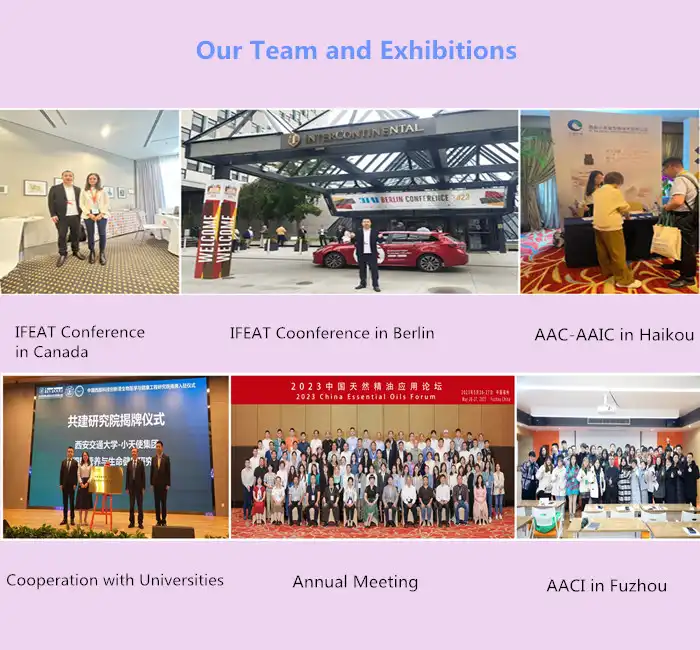
Angelbio develops and supplies natural active ingredients, drawing on more than 18 years of R&D experience and collaboration with the Institute of Life and Health Research at Xi'an Jiaotong University. Angelbio's reduced L-glutathione powder is described as fermentation-derived, with product-specific assay and impurity specifications available for review. Buyers should confirm the current assay, GSSG limits, source documentation, applicable certifications, and analytical records for the grade under consideration. For nutraceutical brands, cosmetic manufacturers, and ingredient distributors, Angelbio can discuss specification requirements, packaging options, and OEM support according to project needs. Reviewing the current technical documents with the supplier is the best way to confirm whether a particular grade fits your formulation and purchasing criteria.
Conclusion
Choosing between reduced and oxidized L-glutathione powder is a technical sourcing decision that affects ingredient specification, formulation compatibility, and quality control. GSH and GSSG have different chemical forms and redox properties, so buyers should select the form that matches their product requirements. Assay, impurity profile, relevant contaminant testing, microbial limits, packaging, and storage guidance all contribute to a more complete assessment of ingredient quality. Procurement teams that evaluate batch-specific analytical data and source documentation can make more informed decisions than teams relying on price alone. Select the appropriate form and specification from a supplier that can provide transparent documentation and technical support.

FAQ
1. What is the main difference between reduced and oxidized glutathione powder?
Reduced glutathione (GSH) contains a free thiol group that participates in redox reactions. Oxidized glutathione (GSSG) forms when two GSH molecules are linked by a disulfide bond. The two forms differ in their chemical properties and should be identified and tested according to the requirements of the intended application. GSH may be the required ingredient when a formulation specifically calls for the reduced form, but its suitability depends on the product specifications and intended use.
2. What purity level should I require when sourcing glutathione powder?
The appropriate assay depends on the intended application, ingredient grade, and applicable product specification. Some commercial reduced glutathione grades are specified at 98% or higher by HPLC, but this should be confirmed for the grade being purchased rather than treated as a universal rule. Buyers should also review GSSG levels where relevant, the analytical method, and available contaminant and microbial results in the batch-specific COA.
3. How should bulk glutathione powder be stored?
Follow the storage conditions stated in the current specification or technical documentation for the exact product. Glutathione can be sensitive to oxygen, moisture, temperature, and light, so appropriate sealed packaging and protection from unfavorable storage conditions are important. Do not assume a fixed temperature or 24-month shelf life applies to every grade; confirm the recommended storage conditions, shelf life, and retest period with the supplier.
4. Is fermentation-derived glutathione suitable for vegan and clean-label products?
Fermentation-derived glutathione may be suitable for vegan or clean-label product concepts, depending on the production process, processing aids, carriers, and other formulation components. Non-GMO status, vegan suitability, HALAL or KOSHER certification, and TSE/BSE-related statements each require appropriate supporting documentation where claimed. Buyers should confirm these points with the supplier and check the labeling requirements of the intended market.
Partner with Angelbio for Reliable L-Glutathione Powder Supply
Angelbio offers L-glutathione powder for brands and distributors seeking ingredient options with defined specifications and technical documentation. With more than 18 years of R&D experience, Angelbio works with customers to discuss assay requirements, impurity profiles, packaging, and purchasing needs. Request the current COA and product specification to verify the assay, and other quality parameters for the grade under consideration. For sample requests, technical questions, or bulk pricing discussions, contact the team at angel@angelbiology.com.
References
1. Meister, A., & Anderson, M. E. (1983). Annual Review of Biochemistry, 52, 711–760.
2. Ballatori, N., et al. (2009). Glutathione dysregulation and the etiology and progression of human diseases. Biological Chemistry, 390(3), 191–214.
3. Forman, H. J., Zhang, H., & Rinna, A. (2009). Glutathione: Overview of its protective roles, measurement, and biosynthesis. Molecular Aspects of Medicine, 30(1–2), 1–12.
4. United States Pharmacopeia (USP). (2023). Glutathione Monograph, USP–NF, United States Pharmacopeial Convention.
5. Weschawalit, S., et al. (2017). Glutathione and its antiaging and antimelanogenic effects. Clinical, Cosmetic and Investigational Dermatology, 10, 147–153.
6. European Pharmacopoeia Editorial Secretariat. (2022). Glutathione Monograph, European Pharmacopoeia, 10th Edition, Council of Europe.