



Mulberry Leaf Extract Powder: Traditional Herb, Modern Science
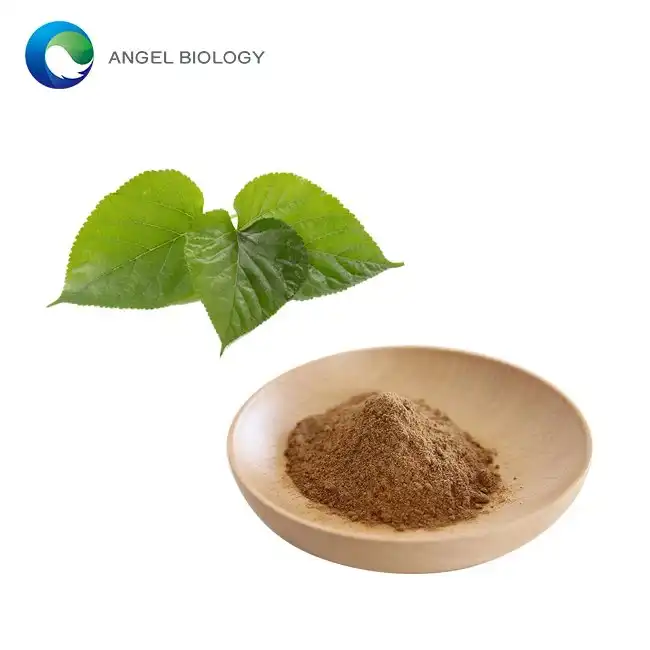
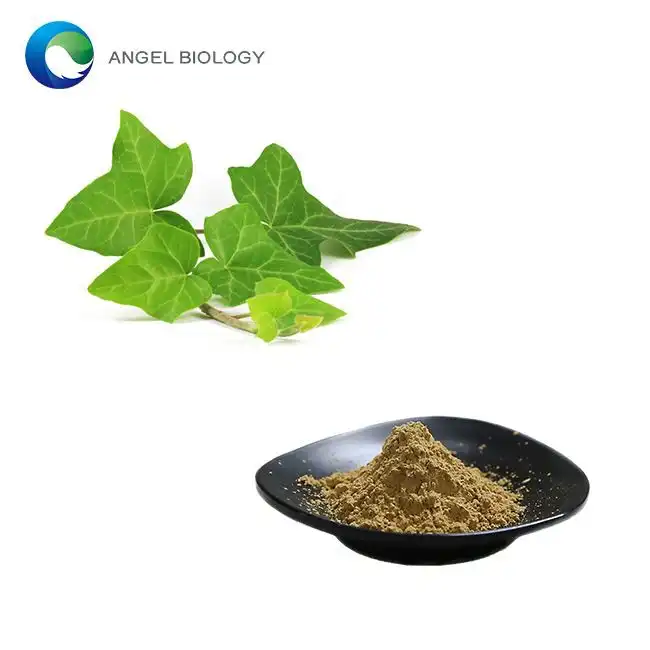
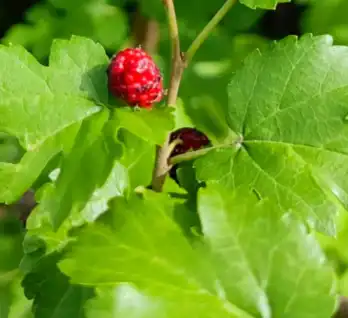
Mulberry leaf extract powder, or mock orange leaf powder, comes from the Morus alba L. plant's leaves. To make this high-tech plant product, healthy substances like 1-Deoxynojirimycin (DNJ) are collected in new and improved ways. Plants have been studied by scientists for a very long time, and this managed ingredient adds to what they already know. It can be used by food companies to make a strong alpha-glucosidase inhibitor that helps the body absorb food. This professional-grade extract always gives power and absorption, unlike raw green materials. Around the world, it has to meet high-quality standards. It also helps companies that make useful foods, vitamins, and makeup solve big problems.
Understanding Mulberry Leaf Extract Powder: Composition and Benefits
Mulberry leaves that have been dried and handled carefully are used to make white mulberry leaf extract powder. Its useful traits come from the complicated mix of good chemicals that make it up. The extraction method brings out more of the plant's important phytochemicals, flavonoids, polyphenols, and antioxidants, such as quercetin and kaempferol. This complicated mix creates many ways for cells to work, which makes it very useful for formulators who need ingredients that can do more than one thing.
Core Bioactive Compounds and Their Roles
1-Deoxynojirimycin is an alkaloid that has been studied the most. Its normal concentration ranges from 1% to 20%, depending on the goal. This drug stops alpha-glucosidase very well, which changes how carbs are broken down. Because it is made up of flavonoids, it is defensive. Quercetin and rutin in particular protect cells from oxidative stress. The antioxidant effect is strengthened by polyphenolic chemicals, creating a full phytochemical makeup that does more than one thing.
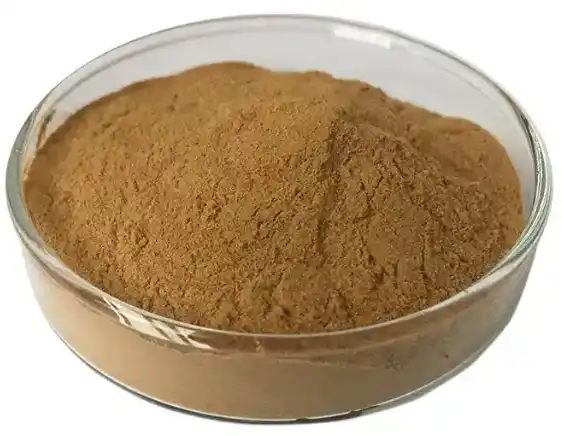
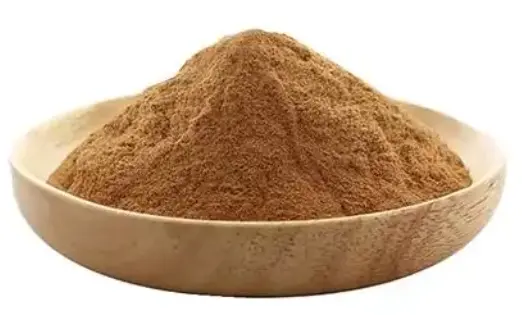
There are different amounts of DNJ in the white mulberry extract powder, which is colored from yellow-brown to light green. It needs to be kept carefully because it soaks up water. It can, however, be cooked to 120°C without changing its qualities, which means it can be used for cooking. Because it's easy to mix with water, it can be used in many things, from drinks to pills.
Applications Across Industry Segments
Nutraceutical companies use this plant ingredient in metabolic health products because it has been shown to change how the body's glucose levels respond to food. The normal DNJ content makes it possible to do accurate dose estimates, which helps R&D teams make goods that work consistently. Sports nutrition companies have started to look into how it might help keep metabolisms running smoothly during training rounds.
Cosmetic formulators like that it has antioxidant qualities that help fight age, and functional food makers like that it stays stable during heat processing. The extract can be used in pills, capsules, powdered drink mixes, and skin preparations. This means that sourcing teams only need to buy one ingredient for all of their product lines.
Evidence-Based Benefits for Product Development
Several ways that chemicals in mulberry leaves affect living things have been written about in scientific writings. Researchers have looked at how it affects the breakdown of carbohydrates, signs of fat metabolism, and the activity of antioxidant enzymes. These results give formulation scientists the proof they need to back up claims about products that are allowed by regulations.
The ORAC readings show that the antioxidant ability is about the same as that of other known plant antioxidants when it comes to removing free radicals. This feature helps place the product in the clean-label and natural health areas that are popular with customers right now. Good makers give detailed scientific information like test results, stability information, and recommended dose amounts that help with formulating.
Comparing Mulberry Leaf Extract Powder with Alternatives: Insights for Smart Procurement
When purchasing managers look at plant ingredients, knowing the relative benefits helps them make smart buying choices. There is a special place for mulberry leaf extract powder among easier products and other plants that work in similar ways.
Extract Powder versus Traditional Tea Preparations
Traditional mulberry leaf tea has all of the plant's substances, but the active ingredients are not standardized. The amount of DNJ and antioxidants in a cup of tea depends on the quality of the leaves, how long they are brewed, and the temperature of the water. Controlled extraction and grading methods get rid of this variation in extract powder. Tea may have between 0.1% and 0.3% DNJ, but concentrated products have between 1% and 20% DNJ, and HPLC research shows that the concentration stays the same from batch to batch.
This standardization of mulberry leaf extract powder directly leads to recipe dependability. Directors of R&D can figure out exact active loads per serve, which makes sure that the effectiveness of the product stays the same from one production run to the next. The concentrated form also lowers the amount needed for each dose, which lets capsules be smaller or labels be clearer without long lists of ingredients.
Competitive Positioning Against Alternative Botanicals
When you compare mulberry extract to moringa, green tea extract, and cinnamon, you can see that each one has its own unique marketing possibilities. Green tea extract is the best antioxidant because it has a lot of EGCG, but it also helps with thermogenesis in different ways. Cinnamon oil has polyphenolic chemicals that help make insulin work better. Moringa has a lot of different nutrients, but it doesn't have the special alpha-glucosidase restriction that mulberry leaves do.
The special DNJ content in mulberry extract gives brands that want to stand out in the busy supplement market a chance to do so. The long history of use in Asian health practices makes for interesting stories, and current extraction technology gives regulators and quality-conscious customers what they want: uniformity.
Market Trends Influencing Procurement Strategy
The way the market works now favors plant products that are both classic and modern. Consumer study shows that people strongly prefer products that have been used in the past and are now supported by science. Both requirements are met by mulberry leaf extract, which puts products in a good place in the natural health market.
Organic approval is becoming more and more important in buying choices, especially in North America and Europe. Certified organic mulberry extract suppliers charge more, but they help brands get better placement and access to specialty retail outlets. Non-GMO proof, Halal, and Kosher licenses help reach even more customers, but they make the process of finding suppliers more difficult.
Buying Guide for Mulberry Leaf Extract Powder: How to Choose Trusted Suppliers?
To choose the right provider, you need to carefully look at their scientific, legal, and managerial aspects. Structured assessment models that take into account both short-term project needs and long-term relationship possibilities are helpful for procurement teams.
Defining Technical Requirements
Clear specifications keep costs down and delays to a minimum. Buyers should set standards for particle size distribution, moisture content, mass density, and microbial limits that go beyond DNJ standardization levels. For cosmetic uses, certain particle sizes may be needed for emulsions to spread out smoothly. For functional food uses, stability or taste profiles might be more important.
By asking for proof of analysis from more than one output batch, you can see how consistent the results are. Manufacturers with a good reputation keep standard variations narrow between runs, which shows that they have good process control. Statistical process control paperwork gives you more faith in the steadiness of the manufacturing process. This is especially helpful for brands that have strict quality standards within their own company.
Certification and Regulatory Compliance
GMP approval is the minimum standard for serious producers. It shows that all sites and processes follow good production practices. ISO standards add more checks to the quality control system. For organic approvals to be given, farming and handling methods must be checked by a third party. This makes sure that no banned substances get into the supply chain.
Regulatory standards are affected by where the markets are located. Novel food rules and specific pollution limits must be followed in order to sell food in the European Union. The FDA sets rules for food products that are used in the United States. These rules include identity testing and adulterant screening. Suppliers that work with global markets keep paperwork packages that cover a lot of different legal systems. This makes it easier for buyers to follow the rules.
Operational Considerations for Seamless Supply
Minimum order amounts vary a lot from one seller to the next, ranging from 25 kg to several metric tons. New brands that can only handle small orders at first should look for sources that can handle them, even if the price per unit is higher. Negotiating volume agreements that ensure better price and priority placement during supply shortages is good for well-known brands.
Depending on how inventory is managed and when Mulberry Leaf Extract Powder products are made, lead times are usually between two and eight weeks. When suppliers keep popular specs in stock, they can complete orders faster, but they may not be able to make as many changes as you'd like. Companies that make things to order can customize specifications more, but they need more time to plan ahead.
Shipping processes have a big effect on the total landing cost. Suppliers who have dealt with foreign trade before can provide the right paperwork, the right packing for safe travel, and already-established relationships with freight forwarders. Understanding Incoterms and assigning duties for clearing customs keeps costs and delays from coming out of the blue.
Ensuring Quality and Compliance in Mulberry Leaf Extract Powder Sourcing
Quality assurance extends beyond initial supplier selection into ongoing verification and relationship management. Sophisticated procurement organizations implement multi-layered quality systems that protect product integrity throughout supply chains.
Verification Through Laboratory Testing
Third-party laboratory analysis provides independent confirmation of supplier claims. Identity testing through techniques like thin-layer chromatography or DNA barcoding confirms botanical species, detecting potential adulteration with cheaper alternatives. Quantitative assays measuring DNJ content verify standardization accuracy, with acceptable variance typically under 10% of claimed values.
Contaminant screening addresses heavy metals, pesticide residues, mycotoxins, and microbial loads. Different markets enforce varying limits, requiring testing aligned with destination regulations. European Pharmacopoeia standards often differ from USP standards, necessitating market-specific testing protocols. Reputable suppliers conduct comprehensive testing internally and provide results proactively, though buyers should maintain independent verification programs.
Raw Material Sourcing and Traceability
Geographic origin influences both phytochemical profiles and regulatory acceptance. Mulberry trees grown in specific regions may produce leaves with characteristic compound ratios, affecting extract properties. Suppliers with transparent sourcing practices document harvest locations, cultivation methods, and processing facilities, enabling traceability from field to finished product.
Sustainable sourcing practices increasingly influence corporate procurement policies. Suppliers demonstrating environmental stewardship through sustainable agriculture certifications or fair trade practices align with corporate responsibility objectives. These practices also mitigate supply chain risks associated with environmental degradation or community conflicts.
Private Label and OEM Manufacturing Capabilities
Brands seeking differentiation often require customized formulations or packaging solutions. Suppliers offering OEM services provide formulation development support, regulatory guidance, and flexible manufacturing arrangements. Private label capabilities allow brands to market standardized products under proprietary branding without investing in manufacturing infrastructure.
These services vary considerably in sophistication. Advanced OEM partners provide comprehensive support, including stability testing, shelf-life determination, regulatory dossier preparation, and Mulberry Leaf Extract Powder product development. Others offer basic contract manufacturing without technical support. Clarifying service scope during supplier selection prevents misaligned expectations and ensures partners can deliver required support levels.
Conclusion
Mulberry leaf extract powder exemplifies the successful integration of traditional botanical knowledge with modern extraction science and quality systems. Its standardized composition addresses critical pain points faced by nutraceutical manufacturers, cosmetic formulators, and functional food developers seeking consistent, efficacious natural ingredients. The compound's multi-target mechanisms, supported by growing scientific evidence, enable diverse product applications across metabolic wellness, antioxidant support, and skincare categories. Procurement success depends on systematic supplier evaluation encompassing technical specifications, regulatory compliance, and operational reliability. As consumer demand for natural, scientifically validated ingredients continues growing, mulberry leaf extract powder represents a strategic ingredient choice for brands pursuing differentiation in competitive wellness markets.
FAQ
1. Can mulberry extract powder be combined with other dietary ingredients?
White mulberry leaf extract powder integrates well with most dietary ingredients, though formulators should consider potential interactive effects with compounds affecting carbohydrate metabolism. Compatibility testing during formulation development ensures stability and maintains individual component activity. Many manufacturers successfully combine it with chromium, alpha-lipoic acid, and other metabolic support ingredients in comprehensive formulations.
2. What lead times should procurement teams expect for bulk orders?
Standard lead times for established specifications typically range from three to six weeks, encompassing production scheduling, quality testing, and shipping logistics. Custom specifications or organic certified materials may require eight to twelve weeks. Suppliers maintaining inventory of common standardization levels can often fulfill orders within two weeks. Establishing relationships before urgent needs arise enables smoother procurement planning.
3. How can buyers verify ingredient quality and authenticity?
Quality verification employs multiple approaches, including reviewing supplier certifications, examining certificates of analysis, and conducting third-party laboratory testing. Identity confirmation through DNA testing or chromatographic fingerprinting ensures botanical authenticity. Quantitative assays verify standardization accuracy. Reputable suppliers welcome audits and provide transparent documentation. Establishing testing protocols aligned with regulatory requirements in target markets protects brand reputation and ensures compliance.
Partner with Angelbio for Premium Mulberry Leaf Extract Powder Supply
Angelbio delivers exceptional quality white mulberry extract powder backed by 18 years of independent R&D expertise and comprehensive quality systems. Our advanced extraction facilities produce standardized extracts meeting USP, EP, and international organic certifications, ensuring consistent potency and purity across every batch. As a trusted mulberry leaf extract powder supplier, we provide complete technical documentation, regulatory support, and flexible order quantities from pilot projects to commercial-scale production. Our commitment to sustainable sourcing and rigorous quality control delivers the reliability that discerning manufacturers require. Contact our team at angel@angelbiology.com to discuss your specific requirements, request samples, or explore custom formulation support. Angelbio's integrated approach combines botanical expertise with analytical precision, positioning your products for success in competitive global markets.
References
1. Chen F, Nakashima N, Kimura I. Hypoglycemic Activity and Mechanisms of Extracts from Mulberry Leaves and Cortex Mori Radicis in Streptozotocin-Induced Diabetic Mice. Yakugaku Zasshi: Journal of the Pharmaceutical Society of Japan, 1995.
2. Kimura T, Nakagawa K, Kubota H, et al. Food-Grade Mulberry Powder Enriched with 1-Deoxynojirimycin Suppresses the Elevation of Postprandial Blood Glucose in Humans. Journal of Agricultural and Food Chemistry, 2007.
3. Andallu B, Suryakantham V, Lakshmi Srikanthi B, Reddy GK. Effect of Mulberry Leaves on Diabetes and Anthropometric Parameters. International Journal of Diabetes in Developing Countries, 2001.
4. Oku T, Yamada M, Nakamura M, Sadamori N, Nakamura S. Inhibitory Effects of Extractives from Leaves of Morus alba on Human and Rat Small Intestinal Disaccharidase Activity. British Journal of Nutrition, 2006.
5. Singab AN, El-Beshbishy HA, Yonekawa M, Nomura T, Fukai T. Hypoglycemic Effect of Egyptian Morus alba Root Bark Extract: Effect on Diabetes and Lipid Peroxidation. Journal of Ethnopharmacology, 2005.
6. Hunyadi A, Martins A, Hsieh TJ, Seres A, Zupkó I. Chlorogenic Acid and Rutin Play a Major Role in the In Vivo Anti-Diabetic Activity of Morus alba Leaf Extract. PLOS ONE, 2012.