



Natural vs Synthetic Phosphatidylserine: What’s the Difference?
Understanding the difference between natural and manufactured sources of phosphatidylserine powder is essential when choosing it for your recipes. Natural phosphatidylserine usually comes from enzymes that change plant-based materials like sunflower or soy lecithin into something else. This makes it vegan-friendly and in line with clean-label trends. Chemical synthesis or fermentation can be used to make synthetic phosphatidylserine, which has a controlled uniformity and clarity. Both types are important for brain health because they contain phospholipids, but they are sourced, processed, and marketed in very different ways. These differences can affect your product's claims about its effectiveness, its ability to meet legal requirements, and its popularity with customers.
Understanding Phosphatidylserine Powder: Natural vs. Synthetic
Specifically, phosphatidylserine is an important phospholipid that is found in the membranes of all of the body's cells. It is especially abundant in brain tissue, where it helps neurotransmitters communicate, and cells send signals to each other. People are interested in this ingredient because it is good for brain health and is used in nutraceuticals, sports nutrition, and functional foods.
Origins and Production Methods
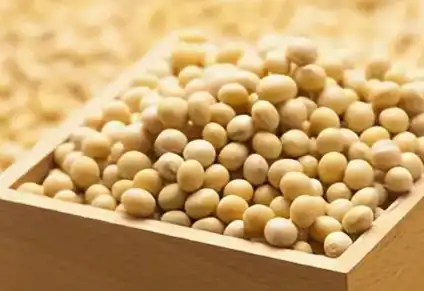
The process of making natural phosphatidylserine starts with lecithin that comes from plants, usually non-GMO sunflower or soy sources. Enzymatic transphosphatidylation is used in modern production. Phosphatidylcholine is the source molecule, and L-serine is the head group. This biological method took the place of older ways of extracting the cortex of cattle. It got rid of worries about spongiform encephalopathies that could be passed on and met modern safety standards.
Chemical synthesis or controlled fermentation methods are used in synthetic production paths. Through exact chemical reactions, these processes build the phospholipid structure. This lets producers control the composition of fatty acids and reach desired purity levels. The controlled environment lowers the unpredictability that comes with getting materials from farms, but solvent residues and reaction results need to be carefully watched.
Biochemical Structure and Function
Phosphatidylserine always has a glycerol backbone connected with fatty acids at the sn-1 and sn-2 positions and a serine head group at the sn-3 position, no matter where it comes from. This structure is amphiphilic, which means it can easily fit into lipid bilayers. This helps the membrane stay fluid, and proteins join, which are important for controlling apoptosis and cortisol. Bioavailability and formulation stability are affected by the fatty acid makeup, which changes depending on whether it comes from sunflower oleic acid or is made in a lab. This is why source selection is an important strategy decision for R&D teams.
Industry Applications
Nutritional supplement companies use phosphatidylserine powder in brain health products that help with memory, stress, and mental focus. Companies that make sports nutrition use its cortisol-modulating qualities to make healing formulas better. Functional food companies add it to ready-to-drink drinks and snacks to make them healthier, taking advantage of the fact that people want products that are good for the brain. For each use, different levels of purity, solubility, and legal paperwork are needed, which are different for natural and manufactured sources.
Key Differences Between Natural and Synthetic Phosphatidylserine Powder
Both types provide the basic phospholipid structure, but there are some scientific and business differences that affect which one to buy. Formulation managers can better choose phosphatidylserine powder that fits with the branding and quality goals of their products when they understand these differences.
Chemical Composition and Purity
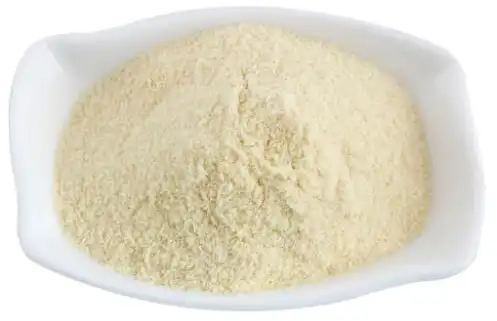
When phosphatidylserine is naturally removed from sunflower or soy lecithin, it leaves behind phospholipid parts that include phosphatidylcholine and phosphatidylethanolamine. The amount of phosphatidylserine in commercial tests is usually between 20% and 70%. The rest is made up of carrier materials like medium-chain lipids or maltodextrin to make the test more dispersible. Advanced enzymatic conversion technologies reduce the production of useless phosphatidic acid, but it is still hard to completely separate them without losing output.
Synthetic production allows for more precise concentration control, and some types can hit 90% purity by using the best reaction settings. The clear chemical route lowers the amount of co-extracted plant compounds, providing cleaner lipid profiles that are good for pharmaceutical uses. However, strict quality control must look for possible solvent leftovers from hexane or ethanol used during production. To meet USP and European Pharmacopoeia standards, these residues must be less than 50 ppm.
Safety Profiles and Regulatory Compliance
Natural phosphatidylserine that comes from plants is safer, especially when it is made from sunflower lecithin instead of soy, which can cause allergies. The enzymatic production method gets rid of strong chemical exposures, which supports promises of clean labels and standards like Halal, Kosher, and organic labels when they apply. Testing by a third party for heavy metals, bacterial contamination, and pesticide residues is still necessary because farming inputs cause variation that needs to be checked between batches.
For synthetic alternatives, production waste and chemical ingredients need to be carefully studied. Microbial risks are lower in controlled production settings, but if there are any leftover catalysts or starting materials that haven't been broken down, they need to be thoroughly analysed using HPLC-ELSD (Evaporative Light Scattering Detector) and GC-MS methods. Regulatory acceptance varies by area. For example, natural sources are often approved faster for new food uses, while synthetic forms need long safety dossiers showing that they are the same as endogenous chemicals.
Bioavailability and how well it works
Both natural and synthetic phosphatidylserine, including phosphatidylserine powder, have been shown to have bioactivity in tests of brain health. Natural versions with different kinds of fatty acids may be better at mimicking the shape of endogenous membranes, which could make them easier for cells to take in. The inclusion of complementary phospholipids in natural extracts that aren't as pure could make the effects stronger, but scientists are still looking into this.
Targeted manufacturing techniques are possible with synthetic phosphatidylserine that has controlled fatty acid profiles. Manufacturers can define the amounts of saturated and polyunsaturated fatty acids to make the product more stable or to match biological models. However, because natural products don't have any cofactors, the mixture may need to be changed further to get the same physiological effects. Comparative human studies looking at memory gain and stress biomarkers show that the two are functionally equivalent when dose and purity are matched. However, consumers often choose natural sources because they think they are more real.
Procurement Considerations: Choosing Between Natural and Synthetic Phosphatidylserine Powder
There are a lot of technical and economic factors that need to be balanced when choosing the right phosphatidylserine powder source. To make the best products and keep the business going, procurement managers have to look at what suppliers can do, how much they charge, and how well their products meet the needs of their target market.
Global Supplier Landscape
The US has a number of specialised ingredient sources that offer both natural and manufactured phosphatidylserine. These suppliers offer strong technical support and make it easy to fill out regulatory paperwork. Although these local sources are more expensive because they have higher running costs, they are better for communication and logistics. European suppliers put a lot of effort into getting organic approval and non-GMO verification. They do this to meet the needs of markets with strict rules about natural products and to meet customer standards for sustainable sourcing.
Asian companies, mostly in China, make most of the phosphatidylserine. They do this by using combined production facilities that combine enzyme conversion with lecithin extraction. Companies like Angelbio offer pharmaceutical-grade chemicals at reasonable prices by working with institutions to do research and having been in business for twenty years. They can do assays in ranges from 20% to 70%, and strict GMP compliance and ISO approval make sure that each batch is the same. Vertical integration makes the supply chain more stable by making it less vulnerable to changes in farming commodities while keeping the ability to handle large orders and custom formulations.
Cost Analysis and Pricing Trends
The price of natural phosphatidylserine is linked to the supply of farming commodities, especially sunflower and soy lecithin. Prices change moderately, usually between 10 and 15 per cent a year, because of seasonal changes and how the weather affects food yields. Processing costs go up because of enzyme conversion costs, but economies of scale lower costs per unit in big manufacturing processes. The price of 50% assay natural phosphatidylserine on the market right now ranges from $180 to $350 per kilogram, based on the level of certification and the size of the sale.
Because chemical inputs are managed, synthetic production prices stay more stable. However, the initial investment in synthesis equipment makes it harder for new suppliers to join, which limits the variety of suppliers. The cost of high-purity synthetic types is usually 20–30% higher than natural options. This is because they have to be made in a special way and go through a lot of safety tests. When you buy more than 500 kg, you can get big savings on the price, which makes synthetic sources appealing for big production runs that need to be completely regular.
Customization and Certification Requirements
Vegan approval is now a must for many supplement brands that want to attract plant-based customers. Sunflower-based natural phosphatidylserine easily meets these standards without any extra processing. On the other hand, synthetic methods need to make sure that all of their reagents and processing tools are vegan-friendly. Both natural and synthetic sources still have a hard time getting organic certification. Natural variants need certified organic lecithin inputs and allowed enzymatic preparations, while synthetic production usually can't get organic status under the present rules.
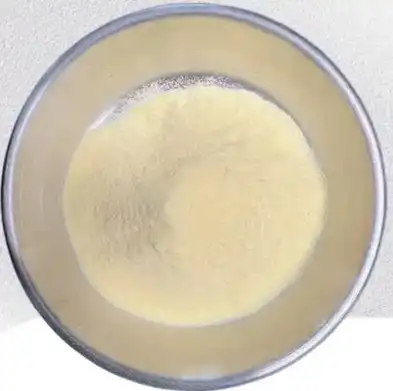
Custom assay creation lets producers ask for phosphatidylserine powder amounts that work best for their needs. For example, a functional drink that needs to mix well with water might call for a 20% test mixed with hydrophilic carriers, while a high-quality nootropic pill needs a 70% concentration to work well. Suppliers with their own research and development departments, like those that are connected to research schools, can help with preparation by meeting the needs of the ingredients with goals for stability and bioavailability. Documentation packages that include Certificates of Analysis, allergy statements, and regulatory compliance letters specific to each country make it easier to import goods and speed up the time it takes to start new products.
Conclusion
To tell the difference between natural and manufactured phosphatidylserine, you need to look at how they are sourced, how pure they are, how they are positioned in the market, and how much they cost. Natural phosphatidylserine from plant-based lecithin has safety profiles that are well-known and appeal to modern consumers who want products that are good for them and don't contain harmful chemicals. Synthetic production gives you more control over the regularity and bigger concentrations that are good for medicinal uses. When made to strict quality standards, both types are good for your brain health. The best option for you will depend on the needs of your target market, government rules, design goals, and the ability to work with sellers who offer clear quality assurance and quick technical support. As nanotechnology improves and people learn more about brain health chemicals, the phosphatidylserine market continues to change.
FAQ
1. Is natural phosphatidylserine safer than synthetic versions?
When made according to GMP standards and checked by a third party, both natural and synthetic phosphatidylserine have good safety profiles. Natural versions that come from plants take away the worry of germs that come from animals, and when made from sunflower lecithin, they are usually allergen-free. Chemical residues must be carefully watched over during synthetic production, but microbial risks are lower in controlled industrial settings. Regulatory groups like the FDA and EFSA say that both kinds are safe as long as they meet certain purity standards.
2. What dosage ranges are typical for phosphatidylserine supplements?
Phosphatidylserine doses of 100 mg to 300 mg per day are usually used in clinical studies that look at cognitive effects. Up to 600 mg per day may be used in sports diet programs that aim to control cortisol. The amount of phosphatidylserine powder you need affects how much of the ingredient you need. For example, a 50% assay product needs twice as much as a potential 100% pure compound in order to have the same amount of phosphatidylserine.
3. Can phosphatidylserine be used in vegan formulations?
Natural phosphatidylserine made from sunflower or soy lecithin by enzyme conversion is vegan-friendly as long as all the ingredients used in the processing are plant-based. For verification, the source of the lecithin and the roots of the enzyme mixture must be checked. Depending on the production chemicals and processing methods used, synthetic phosphatidylserine can become vegan. However, this requires suppliers to confirm that the product meets vegan standards at every step of the manufacturing process.
Partner with Angelbio for Premium Phosphatidylserine Powder Supply
Angelbio is a top company that makes Phosphatidylserine Powder. They combine production on a business scale with research that starts in universities. This gives your products the quality assurance and technical support they need. Our Phosphatidylserine Powder is made by enzymes and is certified by foreign organisations like ISO, Halal, and Kosher. It can be assayed at levels ranging from 20% to 70%, depending on your needs. We offer complete paperwork packages that include Certificates of Analysis, letters of regulatory compliance, and stability data. These packages make the buying process easier and speed up your entry into the market. Our formulation experts can help you choose the best assay, create the best carrier system, and make your goal product format more stable. Contact angel@angelbiology.com to get trial materials, information on bulk prices, or help with creating custom specifications. Our team will get back to you within 24 hours to help you find the ingredients your brand needs with the trust and skill your brand deserves.
References
1. Glade, M.J., and Smith, K. (2015). "Phosphatidylserine and the Human Brain." Nutrition, 31(6), 781-786.
2. Kingsley, M. (2006). "Effects of Phosphatidylserine on Exercise Capacity During Cycling in Active Males." Medicine & Science in Sports & Exercise, 38(1), 64-71.
3. Jorissen, B.L., et al. (2001). "The Influence of Soy-Derived Phosphatidylserine on Cognition in Age-Associated Memory Impairment." Nutritional Neuroscience, 4(2), 121-134.
4. Monteleone, P., et al. (1990). "Effects of Phosphatidylserine on the Neuroendocrine Response to Physical Stress in Humans." Neuroendocrinology, 52(3), 243-248.
5. Pepeu, G., et al. (1996). "A Review of Phosphatidylserine Pharmacology and Clinical Effects." Advances in Therapy, 13(1), 12-23.
6. Kidd, P.M. (2005). "Omega-3 DHA and EPA for Cognition, Behavior, and Mood: Clinical Findings and Structural-Functional Synergies with Cell Membrane Phospholipids." Alternative Medicine Review, 12(3), 207-227.