



Mulberry leaf extract powder bulk purchase options for retailers
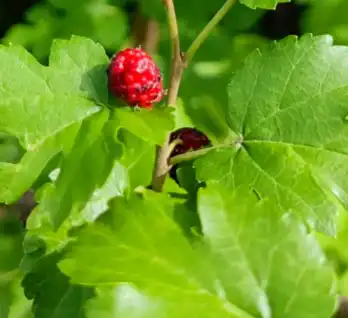
This powder, Mulberry Leaf Extract Powder, is easy for stores to find when they need to buy a lot of natural plant products. The choice is flexible and scientifically sound, so it can meet the wants of a lot of people. This part comes from Morus alba leaves and is normally taken out. A lot of bioactive chemicals are packed in it, mostly 1-Deoxynojirimycin (1-DNJ). These chemicals don't change quality over time and can be used in supplements, useful foods, and cosmetics. When buying, teams know about the different ways to get things, they can make sure they always have what they need and keep up with how customers want natural, effective ingredients to change.
Understanding Mulberry Leaf Extract Powder for Bulk Buyers
When stores start selling plant extracts, they need to know what makes professional-grade mulberry extracts different from regular leaf powders. You can get white mulberry leaf extract powder in two ways: by extracting the leaves with water or ethanol and water. This concentrates the beneficial chemicals while getting rid of the rest of the plant material.
What Makes This Extract Different?
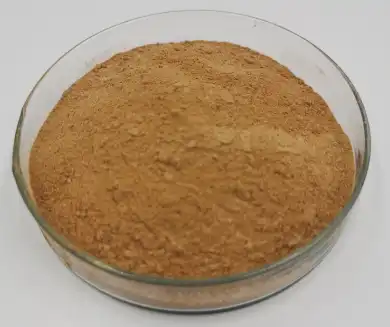
During the extraction process, raw plant material is turned into a measured ingredient with a certain amount of activity. Whole leaf products have different amounts of active chemicals based on how they were harvested. Professionally prepared extracts, on the other hand, have consistent percentages of 1-DNJ that range from 1% to 20%. This standardization solves a major problem for formulators who need all production runs to have the same amount of strength. The powder that is made has a fine, hygroscopic texture that can be yellow-brown to light green based on the concentration level. It dissolves easily in water, which makes it easy to use in a variety of product forms.
Core Bioactive Compounds and Their Applications
Plants have chemicals that work with 1-DNJ. These are flavonoids (such as quercetin and kaempferol) and polyphenols (such as chlorogenic acid). This ingredient is found in weight loss products, vitamins that help control blood sugar, and makeup that slows down the aging process because it is good for you. You can make any recipe you want when you use things that have more than one molecule.
Technical Properties That Matter for Procurement
People who buy a lot of this extract should know that it can stand up to 120°C. In other words, it can be used normally to make healthy drinks. Because they soak up water, you need to be careful about how you pack them. Fabrics that block moisture keep their biological structure while they are being shipped and stored. Most quality certificates list the amounts of 1-DNJ that were checked with HPLC. It's clear that we're following the rules since we have proof of strength data to work with.
Criteria for Selecting Mulberry Leaf Extract Powder Suppliers
Successful bulk procurement begins with clearly defined supplier selection criteria that align with your product development goals and quality standards.
Certification and Compliance Standards
Manufacturers with a good reputation keep licenses that show they follow international quality standards. For example, GMP approval means that the factory is under strict control and uses approved methods and systems for keeping records. Getting an ISO approval shows that a company is dedicated to quality control and constant growth. For stores that want to reach a wide range of customers, sellers that offer non-GMO proof, Halal certification, and Kosher approval can reach more customers without making buying more difficult. Following USP and EP rules makes sure that the extract meets pharmaceutical-grade standards. This is especially important for supplement brands that want to set themselves apart by quality.
Manufacturing Capabilities and Customization
When it comes to customization choices and technical help, working directly with manufacturers is often better than going through distributors. We have seen that the best providers offer a range of 1-DNJ concentrations in mulberry leaf extract powder, from 1% for general wellness uses to 10% or higher for specific metabolic health formulas. This gives stores the freedom to find the best cost-performance rates for each product. OEM options allow private label development with personalized particle sizes, capsule forms, and mixed formulas that use plants that work well together.
Pricing Structures and Minimum Order Quantities
Clear price plans take into account how hard the extraction is, how much biological material is present, and the approval needs. Due to the costs of limited farming and proof, organic approval usually adds 15 to 30 percent to the base price. Different sellers have very different MOQ rules. For example, well-known makers may need at least 50 kg of an order, while distributors may be able to handle smaller test amounts. Long-term supply deals can lead to bulk savings of 5 to 15%, which is good for stores whose demand patterns are stable from a financial point of view.
Logistics and Supply Chain Reliability
When you buy something internationally, you have to think about more than just the product specs. Standard goods usually have lead times of two to four weeks, while special formulas need longer development times. It is easier for suppliers who have experience exporting to deal with paperwork requirements, customs processes, and temperature-controlled delivery than for those who haven't done it before. Helpful customer service that answers technical questions, gives certificates of analysis for specific batches, and fixes transportation problems builds operating trust, which lowers buying risk.
Comparing Mulberry Leaf Extract Powder Options on the Market
The botanical extract marketplace presents numerous options that require evaluation across multiple dimensions to identify optimal choices for specific retail applications.
Organic versus Conventional Cultivation
You have to pay more for organic white mulberry extract powder than regular powder, but it fits in with the clean-label trends that are taking over the functional food and supplement businesses. With conventional farming, you can get cheaper extracts that are chemically similar. This is good for product lines that want to save money. Getting the right customers should be weighed against the need to make money. An organic stance can help high-end health brands, while mass-market goods may try to be as cheap as possible without losing their biological value.
Concentration Levels and Application Suitability
Extracts with a lower content, like 1% to 2% 1-DNJ, work well in functional drinks and general health products where the ingredient is part of a larger plant mix. Concentrations in the middle of the range, around 5%, support tailored metabolic health formulas that are expected to work. Higher ratios, closer to 10–20%, are used in specific situations that need the most power in the smallest amount of doses. The cost of ingredients as a share of the price of the finished product is lowest when the quantity is right for the job.
Positioning Against Alternative Botanical Extracts
When retailers are building their product lines, it's helpful to know how mulberry extract stacks up against other options. Green tea extract has various kinds of catechins that work in different ways to protect cells. While moringa has a higher mineral density, it doesn't have the special alpha-glucosidase blockage that makes mulberries a better choice for metabolic health. Berberine is very good at controlling glucose levels, but it can be hard to deal with regulations in some places. This comparison helps stores find empty spaces where mulberry extract can add value in a way that other products can't.
Best Practices for Bulk Ordering Mulberry Leaf Extract Powder
Strategic purchasing practices protect quality, optimize inventory management, and ensure regulatory compliance across the supply chain.
Calculating Requirements and Batch Sizing
Accurately predicting demand stops both running out of stock and having too much product that goes bad before it can be used. The shelf life is usually 24 months if stored properly, but after 18 months, even with the best care, the biological strength starts to slowly decrease. Teams in charge of buying things should figure out how much to order by using usage cycles every 6 to 12 months to find the best mix between big savings and keeping things fresh. Formulation-specific calculations need to be done to turn the amount of finished product that is made into the amount of raw materials that are needed. For example, a 500 mg pill with 100 mg of mulberry leaf extract powder at a 5% 1-DNJ concentration needs different amounts of raw materials than a beverage formula with 50 mg per dose.
Storage and Packaging Considerations
Bioactive chemicals that support high prices can be kept for a long time with the right storage. Temperature-controlled areas between 15°C and 25°C stop heat decay. Controlling humidity below 60% relative humidity takes care of the hygroscopic nature that can lead to clumps and damage from water. Light protection from dark packing materials keeps photodegradable flavonoids from breaking down. Depending on the amount of goods being shipped and the space available, bulk packing choices include metal foil bags that are flushed with nitrogen, fiber drums with moisture-barrier layers, and containers that are sealed with pressure.
Quality Verification and Risk Management
Testing incoming materials guards against departures from specifications and the risk of contamination. A third-party lab test proves the quantity of 1-DNJ using HPLC, the lack of heavy metals, herbicides, and microbes as toxins, and the identification of the substance using both objective and organoleptic methods. Supplier certificates of analysis are the first piece of proof, but independent verification sets up quality control standards that protect the brand's image. Setting up lists of accepted suppliers based on their proven track records cuts down on the need for ongoing testing while still upholding quality standards.
Strategic Insights and Future Trends for Bulk Buyers
Market dynamics and technological developments shape procurement strategies that position retailers for sustained success.
Growing Market Demand Drivers
Consumer awareness of metabolic health concerns continues expanding, driving demand for natural ingredients with scientific validation. The global botanical extracts market reflects double-digit growth rates as manufacturers reformulate products to meet clean-label expectations. Mulberry extract benefits from both traditional use history and modern clinical research—a combination that satisfies consumer preferences for heritage ingredients with contemporary scientific support. Retailers who establish reliable supply chains now position themselves advantageously as mainstream adoption accelerates.
Innovation in Extraction Technologies
Advancing purification methods enhance bioactive concentration while improving cost efficiency. Supercritical fluid extraction, membrane filtration, and chromatographic separation techniques produce higher purity grades that enable lower dosage requirements in finished products. These technological improvements gradually shift pricing dynamics—higher concentration extracts become more cost-competitive on a per-dose basis compared with lower-grade materials requiring larger quantities to achieve equivalent potency.
Building Strategic Supplier Partnerships
Long-term relationships with manufacturers create mutual benefits beyond transactional purchasing. Joint product development leverages supplier technical expertise to optimize formulations for stability, bioavailability, and sensory characteristics, including those of Mulberry Leaf Extract Powder. OEM customization capabilities enable private label differentiation through proprietary blends and delivery systems. Supply chain stability improves through preferential allocation during periods of high demand or raw material scarcity. Retailers investing in partnership development gain competitive advantages that extend beyond individual purchase orders.
Conclusion
Bulk procurement of mulberry leaf extract powder requires balancing multiple considerations—bioactive standardization, supplier credentials, pricing structures, and quality assurance protocols. Retailers who approach purchasing decisions with clear specification requirements, thorough supplier evaluation, and strategic inventory management position their product lines for success in expanding natural health markets. The ingredient's versatility across supplement, functional food, and cosmetic applications provides formulation flexibility that justifies inventory investment. As consumer demand for scientifically validated botanical ingredients continues growing, establishing reliable mulberry extract supply chains delivers both immediate formulation benefits and long-term competitive positioning.
FAQ
1. What are typical minimum order quantities for bulk mulberry extract purchases?
MOQ requirements vary significantly based on supplier type and product specifications. Direct manufacturers typically establish minimums between 50 and 500 kg to justify production run setup costs and maintain efficiency. Distributors sometimes accommodate smaller quantities starting around 10-25 kg, though per-unit pricing increases accordingly. Custom formulations with specific 1-DNJ concentrations or additional processing requirements may carry higher MOQs. Retailers should communicate anticipated usage volumes during supplier negotiations to identify partners whose MOQ structures align with inventory management capabilities and cash flow considerations.
2. How can buyers verify the purity and potency of mulberry leaf extract?
Verification begins with requesting certificates of analysis from suppliers documenting HPLC testing results for 1-DNJ concentration. Independent third-party laboratory testing provides additional validation—reputable analytical laboratories can quantify bioactive compounds, screen for contaminants, and confirm botanical identity through established pharmacopeial methods. Organoleptic characteristics including color, odor, and taste provide preliminary quality indicators, though instrumental analysis remains essential for specification compliance. Establishing relationships with certified testing facilities creates ongoing quality assurance capabilities that protect against specification drift across multiple purchase cycles.
3. What safety considerations should retailers know about this ingredient?
Quality mulberry extract demonstrates excellent tolerability in standard supplement dosages. Potential considerations include interactions with glucose management regimens due to the alpha-glucosidase inhibition mechanism—product labeling should advise consultation with healthcare providers for individuals monitoring blood sugar levels. Proper supplier selection ensures the absence of heavy metals, pesticides, and microbial contamination through GMP manufacturing and batch testing protocols. Retailers should maintain documentation supporting safe use claims and ensure product formulations comply with applicable dietary supplement regulations, including FDA requirements in the United States market.
Partner with Angelbio for Premium Mulberry Leaf Extract Powder Supply
Retailers seeking a dependable mulberry leaf extract powder supplier benefit from partnering with manufacturers who combine technical expertise, quality certifications, and flexible procurement options. Angelbio brings over 18 years of independent research and development capabilities to natural ingredient production, backed by collaborative investment from Angel Holding Group and the Institute of Life and Health Research of Xi'an Jiaotong University. Our ISO-certified facilities deliver standardized extracts with verified 1-DNJ concentrations meeting USP and EP specifications, supported by comprehensive testing documentation that streamlines your quality assurance processes.
We understand that successful bulk purchasing requires more than competitive pricing—it demands responsive technical support, flexible MOQ policies, and reliable international shipping capabilities. Our team works directly with procurement professionals to customize concentration levels, particle specifications, and packaging formats that optimize your formulation requirements. Contact angel@angelbiology.com to request certificates of analysis, discuss your specific volume needs, or arrange sample testing that demonstrates the quality standards driving our reputation across nutritional supplement, functional food, and cosmetic ingredient markets.
References
1. Chen, F., & Nakashima, N. (2012). Inhibitory activity of mulberry leaf extract and its bioactive compounds on α-glucosidase. Journal of Natural Products, 75(4), 614-619.
2. Jiang, Y., & Nie, W. J. (2015). Chemical properties in fruits of mulberry species from the Xinjiang province of China. Food Chemistry, 174, 460-466.
3. Kimura, T., Nakagawa, K., Kubota, H., Kojima, Y., Goto, Y., Yamagishi, K., & Oita, S. (2007). Food-grade mulberry powder enriched with 1-deoxynojirimycin suppresses the elevation of postprandial blood glucose in humans. Journal of Agricultural and Food Chemistry, 55(14), 5869-5874.
4. Mohammadi, J., & Naik, P. R. (2008). Evaluation of hypoglycemic effect of Morus alba in an animal model. Indian Journal of Pharmacology, 40(1), 15-18.
5. Singab, A. N., El-Beshbishy, H. A., Yonekawa, M., Nomura, T., & Fukai, T. (2005). Hypoglycemic effect of Egyptian Morus alba root bark extract: Effect on diabetes and lipid peroxidation of streptozotocin-induced diabetic rats. Journal of Ethnopharmacology, 100(3), 333-338.
6. Wang, Y., Xiang, L., Wang, C., Tang, C., & He, X. (2013). Antidiabetic and antioxidant effects and phytochemicals of mulberry fruit (Morus alba L.) polyphenol enhanced extract. PLoS ONE, 8(7), e71144.