



Neohesperidin Dihydrochalcone Powder for Flavor Enhancement
Neohesperidin Dihydrochalcone Powder represents a breakthrough in natural flavor modulation, delivering sweetness approximately 1,500 to 1,800 times greater than sucrose while addressing critical formulation challenges. Derived from citrus bioflavonoids through hydrogenation of neohesperidin extracted from bitter orange, this semi-synthetic ingredient excels at masking bitterness in functional formulations, suppressing metallic off-notes in plant-based sweeteners, and enhancing mouthfeel in reduced-sugar products. Its unique synergistic properties allow formulators to reduce total sweetener loads while maintaining exceptional taste architecture across diverse applications.
Understanding Neohesperidin Dihydrochalcone Powder
Natural Origins and Extraction Process
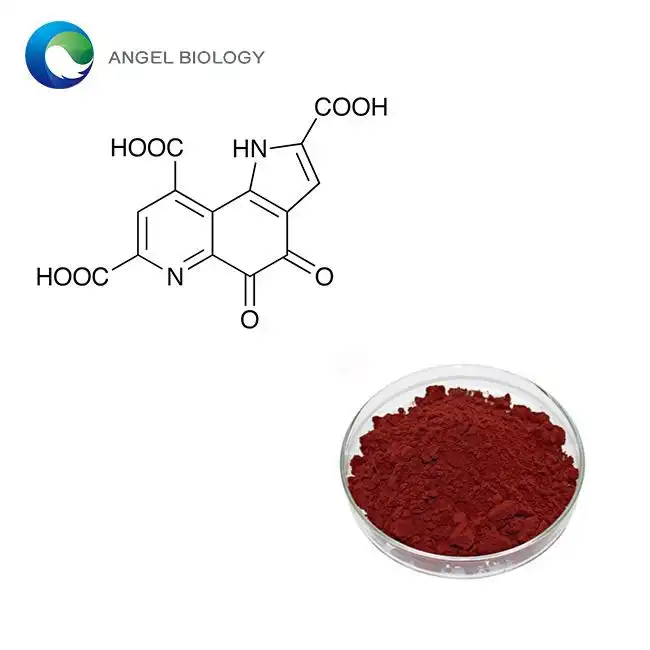
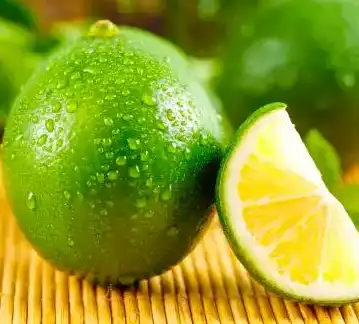
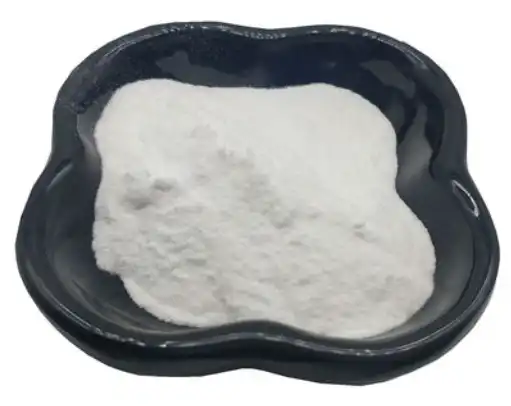
Neohesperidin, a flavanone glycoside that is found in large amounts in bitter orange peels, is the first step in making this citrus-based sugar. Manufacturers change this natural starting material into a stable dihydrochalcone structure through chemical hydrogenation. This method keeps the plant's original form while adding useful properties that regular citrus extracts can't give. The powder is solid and off-white to brownish. Its molecular formula is C28H36O15, and its molecular weight is 612.58 g/mol.
Unlike direct plant extracts, the controlled chemical modification makes sure that the consistency from batch to batch, which is important for industrial uses. Leading suppliers use strict quality controls to get assay levels of 96–101% purity through HPLC analysis. The melting points of these materials are between 152°C and 156°C.
Unique Sweetness Architecture
This ingredient's delayed start and longer finish make it different from other sweeteners in terms of how it tastes. Formulators take advantage of the chance to layer tastes that this trait gives them in complex matrices. The licorice-like, cooling quality that comes out helps balance out strong flavours in functional drinks and vitamin mixes.
This substance is unique because it can make sweetness seem stronger when mixed with other strong sweeteners. Adding sucralose or erythritol to a mixture can make it 10–30% sweeter generally and smooth out sharp flavour spikes. This multiplying effect lowers the total amount of sweetener needed, which meets clean-label standards without lowering the quality of the taste.
Physicochemical Advantages
Its stability performance is better than that of many other sweets when it comes to temperature and pH changes. The compound doesn't change chemically when the pH level changes from 2 to 12.0, and it can handle temperatures above 120°C during the pasteurisation and extrusion processes. Because it is so strong, it can be used in beverages that don't go bad, baked goods, and nutritional supplements that are heated up, which aspartame and other temperature-sensitive options can't do.
To formulate things that are soluble, you need to use smart methods. Neohesperidin Dihydrochalcone Powder doesn't dissolve very well in cold water (0.4 to 0.5 g/L), but it dissolves much better in hot water, ethanol, and propylene glycol. Formulators with a lot of experience use co-solvent methods and dissolution sequences to get the best results when mixing ingredients in water.
Comparing NHDC Powder with Other Sweeteners
Performance Against Stevia Extracts
Stevia's market share keeps growing, even though consumers don't like the bitter and liquorice smell that it leaves behind. This alternative, which comes from citrus fruits, works as a modifier to hide stevia's unpleasant notes while adding a round sweetness. The mix lets formulators make claims about natural sweetening while getting around stevia's taste issues that have been a problem for product makers.
Researchers have found that mixing these two natural sweeteners makes things taste up to 40% less bitter than when they are just stevia. This combination allows for lower stevia amounts, which further reduces off-notes while keeping ingredient lists that are the health-conscious customers' cup of tea.
Superiority Over Aspartame
When comparing these sweets in acidic drinks, the differences in stability become clear right away. Aspartame breaks down hydrolytically at low pH and when heated, which makes the food less sweet and creates unwanted breakdown products. The compound from citrus fruits keeps its shape even after being pasteurised and stored for a long time, so the flavour stays the same from production to consumption.
This benefit of steadiness directly affects the quality of the product and how much it costs. In order to protect both sensory consistency and profit margins in competitive beverage markets, manufacturers make sure that sweetness fade doesn't happen, which would require adding too much alcohol or changing the recipe.
Advantages Over Monk Fruit and Sucralose
Monk fruit sweeteners have a natural place, but they often need large amounts to reach the desired level of sweetness, which can be hard for formulations because of the size and cost. Because it is so strong, the citrus option gives you the same clean-label benefits at a much lower usage rate. When mixed with monk fruit, it makes the sweetness stronger and adds to the roundness of the flavour.
Sucralose is stable at high temperatures and tastes sweet, but it doesn't change the taste of bitter or harsh notes in enriched foods. The hydrogenated hesperidin derivative works with sucralose to make it more complicated and hide its functions in ways that pure sugars can't. Together, they make taste profiles that are well-balanced in difficult situations involving vitamins, minerals, and plant products.
Procurement Guide for Neohesperidin Dihydrochalcone Powder
Quality Specifications and Certification Requirements
When making sourcing decisions, suppliers who offer a lot of paperwork proving purity and safety must be given the most weight. The best industrial grades should have HPLC test results that show they are at least 96% pure, as well as certificates of analysis that show the heavy metal content is less than 10 parts per million, residual solvent limits for methanol and ethanol, and microbiological requirements that meet food-grade standards.
Documentation that shows agreement with regulations is necessary for foreign trade. Check that the companies you buy from have MSDS sheets, allergen statements, GMO-free certificates, and any food safety standards that are needed, like ISO 22000, FSSC 22000, or HACCP proof. FEMA GRAS status (No. 3811) proof is good for products going to the U.S. market, but E959 additive name compliance is needed for products going to Europe.
The way particles are distributed affects how they dissolve and how well they work in an application. Specifications should list the most common particle sizes that work for your type of composition, such as tiny particles for fast-dissolving liquid concentrates or larger grades for dry-blend supplements.
Supplier Evaluation Criteria
Direct relationships with manufacturers have benefits over networks of distributors, such as lower prices, the ability to customise Neohesperidin Dihydrochalcone Powder products, and access to expert help. Check the production ability of possible providers to make sure they can reliably scale up as your formulations become more popular in the market. Manufacturing facilities should show that they have quality management systems that can track raw materials from where they are grown to where they are packaged.
Technical knowledge is what sets great sellers apart from average ones. Partners who know about flavour design can suggest the best rates of use, the best amounts for mixing ingredients that work well together, and ways to fix formulation problems that come up during product development. This consultative method shortens the time it takes to get a product to market and cuts down on the cost of reformulating it.
Reliability in the supply chain includes things like lead times for output, managing stockpiles, and the ability to move goods. Make it clear what the minimum order size is, how long delivery usually takes, and what will happen if demand changes. When suppliers keep smart amounts of goods on hand, they can quickly meet urgent needs without sacrificing quality by making things too quickly.
Pricing Dynamics and Market Trends
Knowing what costs help you negotiate and make budget plans. Price structures are affected by the supply of raw materials from citrus yields, the cost of hydrogenation catalysts, and the efficiency of the purification process. When compared to small-quantity sales, buying in bulk usually results in cost savings of 15 to 25 percent. However, storage stability is needed to support long periods of inventory holding.
Demand keeps going up because more healthy drinks, plant-based foods, and clean-label products are coming out on the market. Setting up long-term supply agreements that guarantee good prices and fair distribution during times of limited supply is helpful for procurement professionals. Strategies that look to the future plan for legal changes in emerging countries where the use of natural sweeteners grows quickly.
Ensuring Safety and Compliance of NHDC Powder
Regulatory Approvals and Global Recognition
The toxicological profile of Neohesperidin Dihydrochalcone Powder has been carefully reviewed by international food safety authorities. The European Food Safety Authority (EFSA) gave it the additive name E959, and the Flavour and Extract Manufacturers Association (FEMA) gave it GRAS approval for use in the United States. The Joint FAO/WHO Expert Committee on Food Additives (JECFA) has said that it is safe, which makes it easier for markets around the world to accept.
An Acceptable Daily Intake of 0 to 5 mg per kilogram of body weight was set by the Scientific Committee on Consumer Products in the EU. This ADI gives a lot of safety margins for normal levels of use in food and drink applications. Formulators have to figure out dosages that make sure the finished product stays within these limits in all reasonable eating situations.
Application Guidelines and Best Practices
The best rates of use depend on the type of product and the level of sweetness that is wanted. 20 to 50 parts per million are usually used in beverage recipes, while 30 to 80 parts per million may be needed for flavour hiding in nutritional goods. Blending with sugars that work well together often lowers the amounts that are needed while improving the overall taste.
Neohesperidin Dihydrochalcone Powder is good for diabetic-friendly recipes and weight management products because it doesn't contain any calories and doesn't affect blood sugar levels. It doesn't change insulin levels or blood glucose levels, which supports metabolic health claims that are becoming more and more important to health-conscious customers. Stability in digestive conditions makes sure that the flavour stays the same while it is being eaten.
The quality of the ingredients is maintained throughout the manufacturing process by following the right handling steps. Keeping things stored in cool, dry places away from strong smells keeps them from absorbing water and getting dirty. When you seal containers, they keep out rust, which can change the taste of food over time.
Future Trends and Innovations in Flavor Enhancement with NHDC
Clean-Label Product Development
Formulation plans in all food sectors are still being changed by consumers' demands for easily recognisable, naturally derived ingredients. Neohesperidin Dihydrochalcone Powder fits with the clean-label trend because it comes from plants and is processed in a simple way. "From bitter orange" wording helps brands connect with customers who want to avoid synthetic chemicals while still getting great taste.
When it comes to plant-based and alternative protein products, this ingredient really shines. People don't like pea protein, soy isolates, and other plant proteins very much because they taste bitter. This ongoing formulation problem can be solved by strategically choosing sweeteners that can hide flavours while also making the product sweeter. This will allow more plant-based products to be sold.
Technological Advancements
Microencapsulation, spray-drying changes, and co-processing with hydrocolloids are some of the methods being used in an ongoing study to improve soluble properties. Higher dissolution rates open up more uses in cold-process beverages and instant-mix formats, where current restrictions make use limited. These new ideas will open up more markets without giving up any of the benefits of security.
New developments in sensory science make it possible to precisely describe how Neohesperidin Dihydrochalcone Powder and functional ingredients change the taste of food. Figuring out how to block taste at the receptor level leads to better formulation design, which cuts down on research time and ingredient costs. Predictive modelling tools help formulators make the best blends before they are tested on animals, which speeds up the innovation cycle.
Market Expansion Trajectories
North America and Europe are the first to adopt because their regulatory systems are more developed, and people there prefer natural alternatives. Functional beverage groups are growing at rates of more than 8% per year, thanks to positioning for immunity, energy, and digestive health, where this ingredient's ability to hide works well.
There are new possibilities in changing the ingredients in sports nutrition to use natural sweeteners instead of fake ones that don't affect performance. There is no metallic aftertaste, and the product is very stable during production, which meets the needs of a sports diet for providing clean energy and helping with healing.
Conclusion
Neohesperidin Dihydrochalcone Powder gives formulators the most options for solving today's tough flavour problems. Its citrus origin meets the requirements for a clean label, and its high stability, ability to increase sweetness synergistically, and ability to hide bitterness solve formulation issues that lower product quality. Partnerships with certified suppliers that offer technical know-how, consistent quality, and reliable supply chains give procurement professionals a competitive edge. As the market continues to favour natural sweeteners with health benefits, this ingredient puts brands in a good position to succeed in health-focused product categories that demand both great taste and clear ingredient lists.
FAQ
1. How does this citrus sweetener compare to stevia extracts?
Stevia often has bitter and licorice-like aftertastes that make it hard for people to accept. The citrus-based alternative works as a modifier, hiding the bitterness of stevia and adding a round sweetness. When compared to stevia alone, this mix cuts down on unwanted notes by up to 40%, which lets lower stevia concentrations be used and better overall taste profiles.
2. What solubility characteristics should formulators expect?
Neohesperidin Dihydrochalcone Powder is only slightly soluble in cold water (about 0.5 g/L), but it dissolves much more easily in hot water. Dissolving in ethanol or propylene glycol makes liquid mixtures that work well for use in drinks. Strategic formulation sequence and co-solvent methods help ingredients mix better in water-based systems where solubility is a problem at first.
3. Does heat processing affect sweetness intensity?
This chemical is very stable when heated, keeping its shape and sweetness at temperatures used in common baking, pasteurisation, and extrusion processes. Unlike aspartame and other choices that change when heated, Neohesperidin Dihydrochalcone Powder doesn't lose much of its sweetness or functionality during thermal processing, so the flavour stays the same.
4. What impact does it have on blood glucose levels?
Since it's not a caloric sweetener, Neohesperidin Dihydrochalcone Powder doesn't change blood sugar or insulin levels, so it can be used in diabetic-friendly recipes. The metabolic neutrality supports claims that it can help with weight loss and blood sugar control, which are becoming more and more important to health-conscious customers looking for natural options that won't have glycaemic effects.
Partner with Angelbio for Premium Neohesperidin Dihydrochalcone Powder Supply
Angelbio is a reliable company that makes top grade citrus sweeteners and Neohesperidin Dihydrochalcone Powder and has a history of 18 years of excellent independent research and development. Our partnership with Angel Holding Group and the Institute of Life and Health Research at Xi'an Jiaotong University guarantees cutting-edge extraction technology and strict quality control that meet the highest standards around the world. We give you all the paperwork you need to be successful with your formulation, such as FEMA GRAS certification, full analytical profiles, and application guidance.
Our technical team works directly with R&D directors, procurement managers, and formulation specialists to make sure that the performance of ingredients is at its best in applications like clean-label foods, functional drinks, and nutritional supplements. Email our experts at angel@angelbiology.com to ask for examples, look at our certifications, or talk about unique solutions that are made to fit your formulation needs. Angelbio's factory-direct supply model eliminates intermediaries, delivering competitive pricing without compromising the quality standards your brand reputation demands.
References
1. Kinghorn, A.D. & Compadre, C.M. "Alternative Sweeteners: Third Edition, Revised and Expanded." Marcel Dekker Inc., New York, 2001.
2. DuBois, G.E. & Prakash, I. "Non-Caloric Sweeteners, Sweetness Modulators, and Sweetener Enhancers." Annual Review of Food Science and Technology, Vol. 3, 2012.
3. Galindo-Cuspinera, V. et al. "Physiological and Psychological Dimensions of Sweetness in Citrus-Derived Dihydrochalcones." Journal of Food Science, Vol. 71, 2006.
4. European Food Safety Authority. "Scientific Opinion on the Re-evaluation of Neohesperidin DC (E 959) as a Food Additive." EFSA Journal, Vol. 13, 2015.
5. Spillane, W.J. "Optimizing Sweet Taste in Foods." Woodhead Publishing Limited, Cambridge, 2006.
6. Hellfritsch, C. et al. "Human Psychometric and Taste Receptor Responses to Steviol Glycosides and Neohesperidin Dihydrochalcone." Journal of Agricultural and Food Chemistry, Vol. 60, 2012.