



Neohesperidin Dihydrochalcone Powder (NHDC) Guide: Uses, Benefits, and Applications in Low-Calorie Foods
Over the past few years, Neohesperidin Dihydrochalcone Powder has led the natural sweetener revolution. Manufacturers of low-calorie food and beverages are increasingly using this citrus-derived high-intensity sweetener. It solves formulation problems and meets clean-label consumer preferences with 1500-1800 times the sweetness potency of sucrose and greater heat stability. This handbook covers technical requirements, application strategies, and procurement considerations that make this natural sweetener a strategic choice for B2B product development teams.
Understanding Neohesperidin Dihydrochalcone Powder (NHDC)
Chemical Composition and Origin
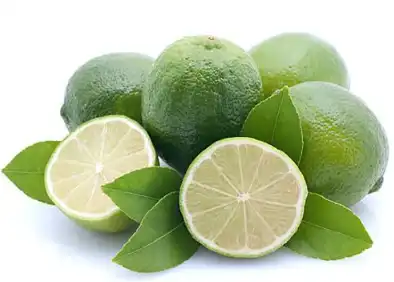
Bitter oranges are rich in citrus flavonoids, which make this a natural sweetener. Neohesperidin is extracted from orange peel and hydrogenated to dihydrochalcone. The chemical has the formula C28H36O15 and weighs 612.58 g/mol. This derivation process preserves the ingredient's natural status in most regulatory regimes, unlike numerous synthetic alternatives. The extraction and modification method retains flavonoid structure and boosts sweetness.
Physical and Chemical Properties
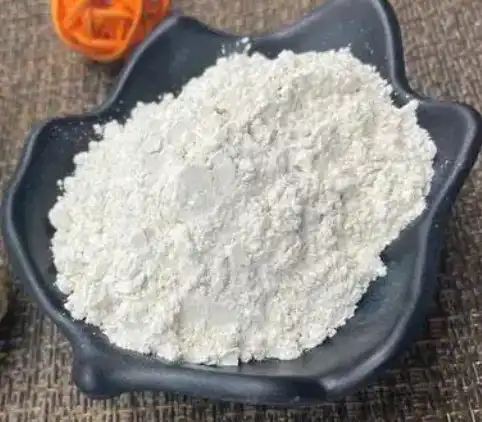
The powder is off-white to yellowish crystalline and melts around 152°C–154°C. It dissolves poorly in cold water (0.4–0.5 g/L) but better in alcohol-water systems at increased temperatures. This solubility profile must be considered during formulation sequencing, especially for cold-processed beverages.
Stability characteristics offer substantial technological advantages. Many competitive sweeteners break down in acidic circumstances, while the molecule remains chemically intact from 2.0 to 12.0. Pasteurisation and UHT processing temperatures over 120°C maintain sweetness intensity throughout manufacture. The organoleptic profile has a delayed sweetness onset, a refreshing, licorice-like chilling sensation, and a lingering aftertaste that can accentuate some flavour systems.
Regulatory Status and Safety Framework
Neohesperidin Dihydrochalcone Powder: Significant regulatory approvals have been obtained in major foreign areas. For some purposes, the substance is GRAS in the US, while the EU authorises its use under E959 with maximum dose limits. These regulatory frameworks provide producers with defined inclusion guidelines, usually 5-50 ppm, depending on the application matrix. R&D teams negotiating worldwide compliance requirements may make confident formulation selections since international food safety regulators have repeatedly shown no harmful health impacts at authorised doses.
Key Benefits and Uses of NHDC in Low-Calorie Food Applications
Exceptional Sweetness Potency and Caloric Advantages
This citrus-derived sweetener transforms formulation economics. Due to its 1500-1800 times sucrose weight potency, minimum amounts produce optimal sweetness with low calorie impact. Manufacturers targeting zero-calorie or ultra-low-calorie products benefit from this trait. The high intensity allows formulators to substitute large amounts of sugar while preserving or improving sweetness, meeting customer demand for low-sugar options without sacrificing flavour.
The chemical synergistically enhances sweetness when mixed with sugar alcohols like erythritol or high-intensity sweeteners like aspartame. Strategic mixing increases perceived sweetness by 10-30% beyond theoretical values, according to research. This multiplier effect lets formulators reduce sugar or sweetener concentrations while retaining desired sweetness. The combination balances flavour spikes and creates full-sugar-like taste sensations.
Bitter Masking and Flavor Enhancement Properties
Low-calorie formulations often have bitter and astringent notes, but the compound can mask them. Functional additives, including plant proteins, botanical extracts, vitamins, and amino acids, can provide bitterness that reduces product adoption. At proper doses, this natural sweetener neutralises these off-notes, allowing producers to use more beneficial chemicals without taste penalties. BCAA-containing sports nutrition formulas, which are notoriously difficult, benefit from this masking action.
Flavour enhancement goes beyond masking to include positive flavour modification. In fruit-based drinks and dairy, the component enhances fruit flavours and bodies to resemble full-sugar sensations. The lingering sweet taste improves sensory quality and consumer approval in sensory assessment panels, unlike many high-intensity sweeteners.
Diverse Application Opportunities
This element is versatile across product categories, making it useful in several production operations:
Neohesperidin Dihydrochalcone Powder Carbonated soft drinks, functional waters, ready-to-drink teas, and sports beverages use the chemical because it is stable in acidic pH settings and thermally resistant. Clean-label functional beverage production benefits from its capacity to improve fruit flavours and disguise the harshness of vitamin or botanical extracts. Manufacturers can deliver desired sweetness while preserving zero-glycemic index compositions for diabetics and health-conscious consumers.
Milk and Plant-Based replacements: The ingredient maintains sweetness in yoghurt, flavoured milk, and non-dairy milk replacements during refrigeration. Its thermal stability permits integration before pasteurisation without potency loss, simplifying manufacture. Alternative dairy products are growing due to their flavor-rounding capabilities, which disguise beany or earthy aromas in plant-based protein matrices.
Baked goods and confections: Heat stability promotes baking, although formulators should notice the delayed sweetness onset and residual aftertaste may necessitate flavour optimisation by blending. When made with supplementary sweeteners, sugar-free cookies, cakes, and confections are possible.
These application examples show how the ingredient solves formulation issues and helps producers differentiate goods with superior flavour and clean label placement. Brand strength in competitive health-focused product sectors is supported by technical qualities that match market trends toward natural sweeteners.
Comparing NHDC with Other Popular Natural and Artificial Sweeteners
Sweetness Intensity and Taste Profile Analysis
Learn how this citrus-derived sweetener compares to others to help procurement teams source. Stevia extracts, the most popular natural sweetener, have 200-400 times the sucrose sweetness, compared to 1500-1800 times for dihydrochalcone. Stevia has harsh or licorice-like aftertastes that need to be masked or blended, whereas the citrus-based component has a more balanced sweet flavour and a refreshing cooling impact that many customers prefer.
Sucralose, 600 times sweeter than sugar, has a clear flavour and good stability. But its synthetic categorisation contradicts clean-label practices that are increasingly crucial to consumer buying decisions. The dihydrochalcone alternative benefits brands that value botanical origins and natural ingredients due to its citrus flavonoid origin.
Neohesperidin Dihydrochalcone Powder Aspartame is 200 times as sweet as sucrose, yet thermally unstable and pH sensitive, restricting its use in heat-treated foods. The citrus compound's temperature and pH stability greatly improve formulation options. Saccharin, one of the oldest artificial sweeteners with 300-500 times the sweetness, has legacy perception and metallic aftertaste difficulties that the natural alternative avoids.
Health, Safety, and Regulatory Considerations
Regulation acceptance patterns show key differences. Aspartame and sucralose remain unpopular with consumers despite regulatory approvals, although natural alternatives are more popular. The citrus-derived compound's GRAS classification and E959 European certification give producers regulatory assurance in important markets. The regulatory framework for this dihydrochalcone constituent makes formulation compliance easy, unlike certain stevia preparations that have usage restrictions or purity grades.
All sweeteners are safe for diabetic formulas since they have no glycaemic reaction. The dihydrochalcone compound's citrus derivation matches consumer preferences for botanical sources, which may improve product acceptability compared to synthetic alternatives.
Strategic Blending Approaches
Optimisation often involves combining sweeteners to maximise strengths and minimise weaknesses. The citrus ingredient and high-intensity sweetener work well together because sugar alcohol adds bulk and cooling, and erythritol adds potency. This synergistic combo reduces sweetener needs and improves flavour characteristics over either ingredient alone.
Combining with modest doses of sucralose or aspartame accelerates sweetness onset and reduces aftertaste, providing sugar-like taste sensations. Formulators can optimise cost structures and achieve high taste quality to compete in price-sensitive markets without losing sensory qualities.
Procurement Guide for NHDC Powder: What B2B Buyers Need to Know
Critical Supplier Selection Criteria
Finding high-quality material involves multidimensional supplier evaluation. Certification portfolios are key markers of industrial quality and dependability. GMP (Good Manufacturing Practices) accreditation ensures pharmaceutical-grade quality and contamination control. ISO 9001 and ISO 22000 are essential for food manufacturers to verify quality and food safety management systems.
Pureness standards are another important evaluation factor. Premium industrial grades should have HPLC test values of 96.0% to 101.0% and closely regulated heavy metal levels below 10 ppm. Methanol and ethanol residual solvents must be monitored to ensure product safety and regulatory compliance. Buyers can check quality versus specifications by requesting COAs for recent production batches.
Manufacturing capabilities and technical support distinguish superior suppliers from commodity providers. Companies that optimise particle size distributions for dissolving display technological competence for specialised applications. Formulation scientists who can advise on application and solve incorporation issues bring value beyond ingredient supply. Angelbio's 18 years of autonomous R&D and manufacturing expertise, backed by the Angel Holding Group and Xi'an Jiaotong University's Institute of Life and Health Research, demonstrate this holistic approach.
Supply Chain and Logistics Considerations
Due to its citrus processing infrastructure and cheap production economics, China is the world's main producer of this component. MOQs assist in connecting sourcing with inventory strategy and working capital restrictions. Trial orders are typically 25 kg, whereas commercial-scale manufacturing requires 500 kg or more. Flexible suppliers may accept lesser volumes for new product development.
Shipping logistics include packaging and storage considerations. Multi-layer food-grade polyethylene bags in fibre drums or cartons should protect the crystalline powder from moisture. Storage should be cool, dry, and out of direct sunlight to ensure a 24-month shelf life. Supply interruptions that might stop production can be avoided by checking supplier inventory buffers.
Lead times vary by order size and customisation, from 2-4 weeks for conventional grades to 6-8 weeks for special specifications or first-time orders requiring further testing. Working with consignment or vendor-managed inventory providers reduces lead time risks and optimises working capital.
Documentation and Regulatory Support
Neohesperidin Dihydrochalcone Powder's complete documentation simplifies regulatory compliance and quality control. Suppliers should supply physical, purity, and microbiological standards sheets. Allergen statements, GMO status declarations, and BSE/TSE certificates meet customer and regulatory needs. For export markets, providers must provide health certifications, origin certificates, and other importing country requirements.
Technical data sheets for formulation work should include solubility values for different solvents and temperatures, stability data for varied pH and thermal settings, and suggested usage levels for different application categories. Suppliers who engage in application research and formulation examples care about customers beyond transactions.
Conclusion
This tutorial shows why Neohesperidin Dihydrochalcone Powder is a key ingredient for low-calorie food and beverage makers. Its high sweetness potency, stability across pH and temperature ranges, and bitter-masking qualities solve formulation problems and facilitate clean-label placement. Synergistic behaviour with other sweeteners optimises flavour profiles to mimic full-sugar experiences, vital for customer acceptability and repeat purchases. As natural alternatives become more popular and regulatory settings encourage sugar reduction, this citrus-derived sweetener gives producers a competitive edge through product distinctiveness and functional performance. With these supplier assessment criteria, quality parameters, and application insights, procurement teams can safely source this ingredient to support innovation pipelines and market positioning.
FAQ
Q1: Is Neohesperidin Dihydrochalcone Powder safe for consumption?
The ingredient's safety at suggested consumption levels has been extensively assessed by worldwide regulatory bodies. The substance is GRAS in the US and E959 in the EU, with dose limits. Diabetic formulations can include the compound since toxicological tests show no harmful effects and no glycaemic reaction. Manufacturers should follow regional regulatory limitations of 5-50 ppm, depending on use.
Q2: How does the taste compare to stevia extracts?
Though natural high-intensity sweeteners, their taste characteristics differ. The citrus-derived molecule has a more balanced sweetness and licorice-like coolness, while stevia has bitter or metallic aftertastes that must be masked. In formulations with bitter functional ingredients, dihydrochalcone masks bitterness well. Because of stevia's quick onset and the citrus compound's flavor-rounding capabilities, many formulators combine the two sweeteners for a better taste.
Q3: What should I look for when selecting a supplier?
GMP, ISO 9001, and ISO 22000 certification portfolios showing rigorous quality systems and food safety management are prioritised. With tight heavy metal restrictions below 10 ppm, HPLC purity should reach 96%. Beyond quality, evaluate technical support, including formulation and application advice. Reliable vendors offer certificates of analysis, allergy declarations, and regulatory support documents. Inventory reserves and variable MOQ regulations prevent production delays. Research-and-manufacturing companies like Angelbio provide strategic partnerships beyond commodity supply.
Q4: Can this ingredient be used in hot-fill beverage applications?
The exceptional thermal stability makes the compound well-suited for hot-fill processing. The ingredient maintains chemical integrity and sweetness potency at temperatures exceeding 120°C, withstanding pasteurization and even UHT processing conditions without degradation. This stability advantage differentiates it from heat-sensitive alternatives like aspartame, which degrade rapidly under thermal processing. Formulators should incorporate the ingredient into beverage matrices before heat treatment, as the compound's stability ensures consistent sweetness throughout processing and shelf life.
Partner with Angelbio for Premium Neohesperidin Dihydrochalcone Powder Supply
Sourcing decisions for specialized ingredients require suppliers combining technical expertise with manufacturing excellence and regulatory rigor. As a leading Neohesperidin Dihydrochalcone Powder manufacturer, Angelbio delivers these critical capabilities through our unique foundation. Our joint investment structure linking Angel Holding Group with Xi'an Jiaotong University's Institute of Life and Health Research creates unmatched R&D strength, with over 18 years of independent research supporting continuous innovation. Our quality systems pursue sustained improvement aligned with international standards, encompassing GMP certification and comprehensive testing protocols, ensuring every batch meets stringent specifications.
We provide more than ingredient supply, offering application support from experienced food scientists who understand formulation challenges across beverage, dairy, bakery, and functional food categories. Our flexible approach accommodates trial quantities for product development through commercial-scale orders, with custom particle size distributions and OEM services supporting your specific requirements. We maintain robust inventory positions, ensuring reliable supply continuity that protects your production schedules.
Contact our team at angel@angelbiology.com to discuss your formulation needs, request technical specifications, or arrange sample evaluation. Let us demonstrate how our technical capabilities and quality commitment support your product innovation objectives and competitive differentiation strategies. Together, we can develop natural sweetening solutions that meet your performance standards while aligning with clean-label consumer preferences.
References
1. O'Donnell, K., & Kearsley, M. W. (2012). Sweeteners and Sugar Alternatives in Food Technology (2nd ed.). Wiley-Blackwell.
2. Kinghorn, A. D., & Compadre, C. M. (2001). Alternative Sweeteners (3rd ed.). Marcel Dekker Inc.
3. Goyal, S. K., Samsher, & Goyal, R. K. (2010). Stevia (Stevia rebaudiana) a bio-sweetener: a review. International Journal of Food Sciences and Nutrition, 61(1), 1-10.
4. Dubois, G. E., & Prakash, I. (2012). Non-Caloric Sweeteners, Sweetness Modulators, and Sweetener Enhancers. Annual Review of Food Science and Technology, 3, 353-380.
5. Mitchell, H. (2006). Sweeteners and Sugar Alternatives in Food Technology. Blackwell Publishing Professional.
6. Walters, D. E., Orthoefer, F. T., & DuBois, G. E. (1991). Sweeteners: Discovery, Molecular Design, and Chemoreception. American Chemical Society Symposium Series.