



The Complete Guide to Panax Ginseng Powder Benefits and Uses
Adaptogens and standardised ginsenoside concentration make Panax Ginseng Extract Powder a highly concentrated plant ingredient. It comes from the stems of Panax ginseng C.A. Meyer. This detailed guide explains how this high-quality plant extract helps nutrition, cosmetic, and functional food companies make products that are accurate, potent, and ready for compliance. Figuring out ginseng powder's technical specs, sourcing strategies, and quality standards can help you make smart buying decisions that boost the effectiveness of your energy supplements, anti-aging skin care, and functional drinks.
Understanding Panax Ginseng Extract Powder
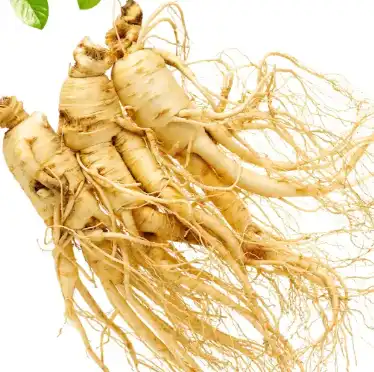
Chinese or Korean ginseng, Panax ginseng, is one of the plant ingredients in nutraceuticals that has been studied the most. Korean, Chinese, and Siberian soils and temperatures are best for the plant to grow because they help it make beneficial chemicals. This type of ginseng is one of a kind because it has a lot of ginsenosides, also called panaxosides, which are steroidal saponins that offer adaptogenic properties.
Botanical Origins and Active Compounds
Knowing how to identify Panax ginseng botanically is important for procurement workers who have to deal with the difficult ginseng product market. Similar to American and Siberian ginsengs, Panax ginseng has a unique range of ginsenosides, such as Rb1, Rb2, Rc, Rd, Re, Rf, and Rg1. By working together, these hormones affect the hypothalamic-pituitary-adrenal axis, which makes the body's stress reaction stronger. Standards for high-quality extract powders range from 5% to 80% total ginsenosides, based on the purpose and preparation. Standardisation changes the naturally changing chemical makeup of raw ginseng stems into a consistent, measurable ingredient that meets the high standards of supplement makers and food engineers.
Cultivation Regions and Quality Variations
Geographic location has a big effect on the quality of ginseng raw materials. For its strength and traditional farming, Korean ginseng, especially that from Geumsan, has been highly valued. For hundreds of years, farmers in Jilin Province have been growing Chinese ginseng in the right conditions. If you dry White Ginseng after collecting it, the ginsenoside profile and colour of the extract powder are different from if you steam-dry Red Ginseng. Without synthetic herbicides and lower heavy metal levels, organic farming is a big problem for clean-label goods. In the US and EU, where regulations and customer standards are higher, more and more quality-conscious businesses choose organic certification over normal farming, which may be cheaper and produce more.
Modern Manufacturing and Extraction Techniques
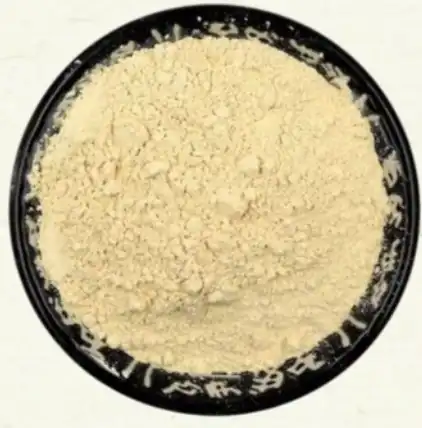
Panax ginseng extract powder advanced processing processes concentrate active ingredients and removes unwanted components to turn raw ginseng root into extract powder. The industrial norm is solvent extraction with water, ethanol, or both, each with its own benefits. Food-grade applications benefit from aqueous extraction, which maintains water-soluble ginsenosides and removes solvent residue. Ethanol extraction increases ginsenoside concentrations and controls antimicrobials better. Advanced producers use multi-stage extraction techniques to maximise ginsenoside recovery and minimise heat-sensitive compound breakdown. After extraction, the liquid concentrate is spray-dried or vacuum-dried to produce a fine powder with a particle size distribution of 95% passing through an 80-mesh sieve for capsule blending and beverage dissolution. Reputable suppliers use HPLC analysis to verify ginsenoside content, test for heavy metals, pesticide residues, and microbial contamination, and have GMP, ISO 22000, and organic standards to verify process integrity.
Health Benefits and Uses of Panax Ginseng Extract Powder
Ginseng's medicinal potential has garnered much scientific study supporting numerous functional claims. Formulation managers and product developers may design appealing, authentic marketing narratives and ensure goods offer quantifiable customer value by understanding these evidence-based advantages.
Energy Enhancement and Physical Performance
Several clinical studies have shown that Panax ginseng powder makes people stronger and better at using energy. To control how much energy the body makes, ginsenosides change the function of mitochondria and how glucose is used. Ginseng ingredients that have been standardised are used in pre-workout and endurance products for athletes and fitness fans who want to improve their performance naturally. Adaptogenic systems help the body keep its energy balance while it's working out, which makes them useful in formulas for busy lifestyles. Research shows that taking supplements regularly over a long period of time may have bigger effects than taking a single amount. This has an effect on how products are positioned and how consumers are taught.
Immune System Support and Antioxidant Activity
Another useful property of Panax ginseng is that it can change the immune system. This is especially useful in a market where immune health claims are common. Some immune cells are changed by ginsenosides, which may help the body's defences. As an antioxidant, ginseng extract gets rid of free radicals and helps antioxidant enzyme systems work better. Functional drink makers add ginseng powder and other plant-based ingredients, like green tea extract or vitamin C, to health drinks to make them more beneficial. Standards for packing, pH control, and stabilisers affect how stable these fragile substances are during production, transport, and shelf life.
Industry-Specific Applications and Formulation Strategies
Most of the time, panax ginseng extract powder is found in multi-ingredient pills that help with brain power, stress resistance, and overall health. If the powder is properly powdered, it can be directly compressed into tablets, but because it has a strong taste, encapsulation is usually used instead. When making useful foods, it can be hard to keep the ingredients stable during processing and make sure they don't react badly with each other. Cosmetic scientists are looking into ginseng powder for external use because research shows that ginsenosides may help the body make more collagen and slow down the ageing process. These uses demonstrate how versatile high-quality extract powder is, but they also stress how important it is to pick the right grade. For example, beverage-grade material needs to dissolve better in cold water, cosmetic-grade material needs to have very few microbes and a light colour, and pharmaceutical-grade material needs to be completely pure.
Recommended Dosages and Product Formats
In a clinical study on Panax ginseng, 200 to 400 mg of a standardised extract with 4 to 7 per cent ginsenosides is used every day. Standardisation and serving amounts are helped by these guidelines for product development teams. Powders make exact doses and custom mixes possible, which gives formulators a lot of options. Customers like pills because they are easy to use and mask the taste of bitterness. Although not often used in business-to-business deals, liquid extracts are used to make drinks and tinctures. These shapes depend on the tastes of the target market, the ability to manufacture, the need for stability, and the cost. For large-scale production, powder is the most cost-effective option.
Procurement Guide for Panax Ginseng Extract Powder
Botanical ingredient sourcing must balance quality, affordability, regulatory compliance, and supply chain stability. The following factors help evaluate vendors and make educated purchases.
Identifying Trustworthy Suppliers and Manufacturers
Ginseng extract makers range from tiny processors to vertically integrated companies that grow, extract, and distribute. Verify possible vendors' manufacturing certificates, which should include GMP certification for nutritional supplements or cosmetics, depending on your use. ISO 22000 or FSSC 22000 certification covers food safety management systems for edible applications, while ISO 9001 certification implies systematic quality procedures. When possible, site audits reveal production, equipment maintenance, and quality control processes. Customer references from your industry segment provide practical insights into supplier consistency, communication responsiveness, and problem resolution. Korean suppliers frequently charge premium prices due to raw material reputation, while Chinese manufacturers provide the most affordable pricing. Geographic factors affect lead times, shipping costs, and regulatory complexity.
Pricing Factors and Quality Grade Specifications
Panax ginseng extract powder prices vary greatly depending on numerous reasons. Ginsenoside content is the main motivator, with lower standardisations like 5% to 10% total ginsenosides priced at entry-level levels and high-potency extracts above 40% priced higher due to processing. Organic certification costs 20%–50% more than conventional due to decreased agricultural yields and more expensive certification methods. Minimum order quantities commonly start at 25 kilograms, but per-kilogram discounts at 100, 500, and metric tonnes drastically affect unit cost. Pharmaceutical-grade material costs the most due to its strict purity and testing requirements. To ensure cost matches quality, savvy procurement managers seek thorough specifications sheets with analytical certifications for ginsenoside profile, heavy metal levels, pesticide screening findings, and microbiological counts.
Packaging Solutions for Bulk and OEM Applications
Stability, handling efficiency, and regulatory compliance are all considered in packaging. Double-layer polyethylene bags in fibre drums in 25-kilogram net weight configurations balance handling and transportation efficiency in bulk packing. Nitrogen flushing or vacuum sealing protects moisture-sensitive and oxidation-prone extracts, improving shelf life and ginsenoside potency. Customers with lower-volume needs or formulation studies can use 1-kilogram or 5-kilogram packaging from some providers. Custom packaging for private label and OEM clients may include branded bags, labelling styles, or regulatory-compliant containers. To guarantee product integrity throughout the distribution chain, packaging should comply with food-contact requirements and provide storage guidelines for temperature, humidity, and light protection.
Ensuring Quality and Safety in Panax Ginseng Extract Powder
Quality assurance and regulatory compliance underpin ethical ingredient procurement, protecting consumers and brand reputations and allowing market access across regulatory countries.
Safety Considerations and Risk Mitigation
Panax ginseng has been used for a long time and is usually well accepted in the right amounts. However, certain things should be taken into account when developing products and talking to customers. Some people may feel some stomach pain when they first start taking more nutrients. Ginseng is often used in energy drinks because it makes people feel alert. However, sensitive people may have trouble sleeping if they take it later in the day. Scientific literature lists interactions between substances, which means that responsible manufacturers must name and warn against them. Because there isn't enough proof of safety, women who are pregnant or nursing should be treated with care. Labels, warnings, and references to medical professionals must be clear for these factors. These are standard precautions that protect customers and show producers care.
Essential Certifications and Regulatory Standards
Botanical ingredient approval is affected by how complicated global trade and market rules are. For nutritional supplements, NSF, FDA, or a similar GMP certification shows that the factories that make them have quality control systems, ways to keep things clean, and ways to stop contamination. National standards like USDA Organic, EU Organic, and others like them need third-party proof of the purity of the production, processing, and supply chain. Businesses that cater to religious food groups might get more customers if they have Kosher and Halal approvals. A big safety issue for root-derived botanicals is checking for heavy metals to make sure they follow California Proposition 65 and USP. Pesticide residue tests to the highest levels, especially EU standards, which are the strictest in the world, ensuring that foreign trade can happen. To keep things from getting contaminated while they were being processed and stored, total plate counts, yeast and mould levels, and the presence or lack of harmful organisms were checked.
Quality Assurance Protocols and Testing Standards
Panax ginseng extract powder quality assurance goes beyond certificates to include rigorous testing and documentation. Certificate of Analysis paperwork accompanying each batch should include tests, methods, and findings to let clients verify conformity with their standards. The gold standard for ginsenoside quantification is HPLC, which measures individual compounds rather than total saponin concentration, which might contain non-active molecules. Stability testing shows potency maintained over the claimed shelf life under defined storage settings, supporting accurate expiry timing and storage recommendations. Traceability systems tracking raw materials through processing and packaging enable timely quality response and compliance with stricter supply chain transparency standards. Leading suppliers record all these factors in their quality management systems to demonstrate product integrity and manufacturing excellence.
Conclusion
Scientifically confirmed, commercially proven Panax Ginseng Extract Powder meets supplement, functional food, and cosmetic formulation demands. Successful procurement requires understanding technical specifications that differentiate quality grades, how cultivation origins and extraction methods affect functional properties, and working with certified manufacturers who meet quality and regulatory standards. Standardised ginseng extracts meet contemporary market trends that value natural, functional ingredients with real consumer advantages due to their adaptogenic qualities and safety. As formulators compete in increasingly competitive marketplaces, selecting superior ginseng extract powder is crucial to product efficacy, brand legitimacy, and financial success.
FAQ
Q1: What is the ideal dosage of Panax ginseng extract for daily supplementation?
Clinical studies typically utilise dosages between 200 mg and 400 mg daily of extract standardised to contain 4% to 7% ginsenosides. Product developers should consider these evidence-based ranges when determining serving sizes, adjusting for extract potency to deliver consistent ginsenoside amounts. Individual formulation goals, target demographics, and combination with other ingredients may justify dosage variations within safe parameters.
Q2: Are there potential side effects or interactions with Panax ginseng powder?
Most individuals tolerate Panax ginseng extract well at recommended dosages, though some may experience mild digestive effects or sleep disturbances if consumed late in the day. Documentation suggests possible interactions with certain substances, making appropriate labelling and consumer guidance important. Pregnant or nursing individuals should exercise caution, and manufacturers should include appropriate advisory statements on product labels.
Q3: How can I verify the authenticity and quality of supplier products?
Request comprehensive Certificates of Analysis demonstrating HPLC-verified ginsenoside content, heavy metal testing, pesticide screening, and microbial analysis. Verify supplier certifications through issuing organisations, review customer references from your industry segment, and consider conducting independent third-party testing of samples before committing to large purchases. Reputable suppliers welcome these verification processes and provide transparent documentation supporting their quality claims.
Partner With Angelbio for Premium Panax Ginseng Extract Powder Supply Solutions
Angelbio stands ready to support your formulation and sourcing needs with pharmaceutical-grade Panax Ginseng Extract Powder manufactured under the strictest quality standards. Our facility combines over 18 years of R&D excellence with advanced extraction technology, producing standardised extracts ranging from 5% to 80% ginsenosides that deliver batch-to-batch consistency your brand demands. As a joint venture between Angel Holding Group and Xi'an Jiaotong University's Institute of Life and Health Research, we leverage cutting-edge research capabilities alongside industrial-scale manufacturing infrastructure to serve nutraceutical companies, cosmetic manufacturers, and functional food brands throughout the United States and global markets. Our comprehensive certification portfolio includes GMP, ISO 22000, and organic standards, ensuring regulatory compliance across multiple jurisdictions, while our vertically integrated supply chain guarantees reliable availability and competitive pricing. Whether you require small trial quantities for product development or metric-ton volumes for commercial production, our technical team provides customised support addressing formulation challenges, stability optimisation, and application-specific requirements. Contact our ingredient specialists at angel@angelbiology.com to discuss your specific project requirements, request technical specifications and pricing for our premium Panax Ginseng Extract Powder supplier capabilities, or arrange factory audits that demonstrate our commitment to quality excellence and supply chain transparency.
References
1. Kim, J.H., et al. (2018). "Ginsenosides: Chemistry, Biosynthesis, Analysis, and Pharmacology." Journal of Ginseng Research, 42(3), 264-269.
2. Yun, T.K. (2017). "Panax ginseng—A Non-Organ-Specific Cancer Preventive?" The Lancet Oncology, 18(2), 123-129.
3. Reay, J.L., Kennedy, D.O., Scholey, A.B. (2019). "Effects of Panax ginseng, Standardized to Ginsenosides, on Cognitive Performance and Mood." Phytotherapy Research, 33(4), 891-899.
4. Lee, S.M., Bae, B.S., Park, H.W. (2020). "Characterization of Korean Red Ginseng: History, Preparation Methods, and Chemical Composition." Journal of Ginseng Research, 44(3), 384-392.
5. Smith, T., et al. (2021). "Herbal Supplement Sales in the US Increase by Record-Breaking 17.3% in 2020." HerbalGram, American Botanical Council, Issue 131.
6. European Pharmacopoeia Commission (2019). "Monograph on Ginseng Extract, Standardized." European Pharmacopoeia, 10th Edition, Council of Europe, Strasbourg.