



Neohesperidin Dihydrochalcone Powder vs Stevia: Which Natural Sweetener Wins?
Neohesperidin Dihydrochalcone Powder outperforms stevia in numerous key areas for industrial use of natural sweeteners. This citrus-derived sweetener is thermally stable, tastes clean, and is compatible with medicinal and beverage compositions. NHDC is up to 1,800 times sweeter than sugar and has no harsh taste, unlike stevia. Its high pH tolerance and processing stability make it ideal for sports nutrition and functional supplement makers seeking consistent performance in difficult production circumstances.
Understanding Natural Sweetener Fundamentals
As worldwide demand for healthier, low-calorie sugar alternatives rises, natural sweeteners have changed B2B procurement. Sweetening chemicals affect formulation performance, customer acceptability, and regulatory compliance in several industrial uses. Modern procurement specialists must understand complicated technological requirements and balance cost and quality.
The Science Behind Neohesperidin Dihydrochalcone Powder
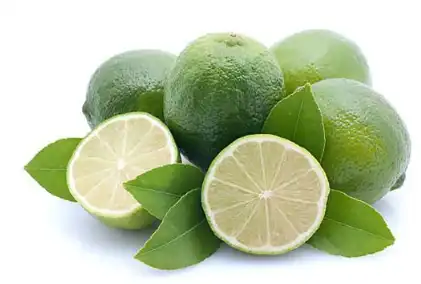
Through regulated alteration of citrus flavonoids, neohesperidin dihydrochalcone is a sophisticated natural sweetener. Neohesperidin, a bitter flavonoid found in citrus peels, especially bitter oranges and grapefruits, produces this molecule. Manufacturers turn this bitter chemical into a pleasant dihydrochalcone derivative by alkaline treatment and catalytic hydrogenation.
NHDC is more stable than other natural sweeteners due to its molecular structure. Its unusual chemical structure resists thermal processing stresses in food and beverage manufacture. Research shows that NHDC sweetens across pH ranges from 2.5 to 8.0, making it ideal for acidic drinks and alkaline pharmaceuticals.
Stevia: Plant-Based Sweetening Technology
In food science, stevia rebaudiana is one of the most popular natural sweeteners. Steviol glycosides, notably rebaudioside A and stevioside, in the plant's leaves give extreme sweetness without calories. Aqueous extraction, crystallization, and standardization provide uniform sweetness in commercial stevia manufacturing.
Stevia sweetens differently depending on glycoside makeup and extraction procedures. High-purity rebaudioside A formulations are 200-350 times sweeter than sucrose, but their taste problems affect consumer adoption in several applications.
Comparative Performance Analysis
Understanding the underlying distinctions between NHDC powder and stevia necessitates examining their functional, sensory, and application-specific performance parameters. These characteristics affect industrial application appropriateness and long-term procurement strategy.
Sweetness Intensity and Flavor Profiles
Compared to stevia, Neohesperidin Dihydrochalcone Powder sweetens 300 to 1,800 times more than sucrose at threshold concentrations. This remarkable potency allows producers to obtain desired sweetness levels using minimum amounts, saving formulation costs and simplifying ingredient labels.
NHDC has a distinct taste from stevia-based sweeteners. Independent sensory assessment tests show that NHDC has clear, sugar-like sweetness without stevia's metallic or harsh aftertastes. Protein supplements and pharmaceuticals, when taste disguising is difficult, benefit from this trait.
Different steviol glycosides give stevia its flavor complexity. Rebaudioside A has a pure sweetness, while other glycosides in commercial stevia preparations may have astringent or licorice-like overtones that may turn off some consumers.
Thermal and Chemical Stability
Manufacturers with varying manufacturing settings must consider processing stability. NHDC stays sweet at temperatures over 180°C for long durations. This allows it to be used in high-temperature processing of baked goods, confectionery, and drinks.
Chemical stability in acidic environments provides NHDC beverage formulation benefits. NHDC sweetens carbonated beverages, fruit juices, and sports drinks throughout the pH range, unlike certain stevia preparations that degrade at low pH.
Regulatory Status and Safety Considerations
International regulators have assessed NHDC and stevia's safety. The FDA classifies NHDC as GRAS for food and beverage usage, with recommended daily intake levels supporting broad commercial use.
The FDA, the European Food Safety Authority, and many national regulatory organizations approve stevia worldwide. The broad adoption streamlines international commerce and regulatory compliance for multinational enterprises.
Strategic Procurement Considerations
Supplier competencies, quality assurance methods, and economic terms that promote lasting business partnerships must be assessed to acquire natural sweeteners. Contemporary procurement methods must combine short-term cost with long-term supply security and technical support.
Quality Assurance and Specifications
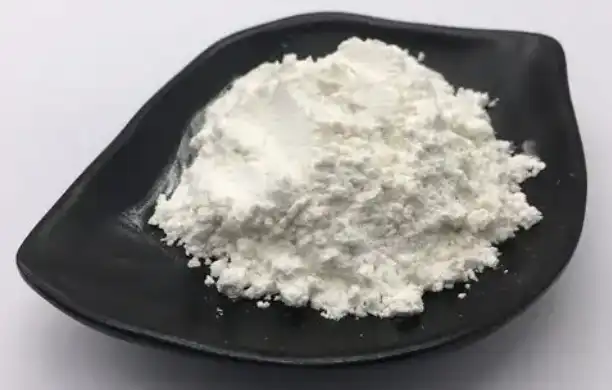
Premium Neohesperidin Dihydrochalcone Powder manufacturers provide numerous grades for industrial applications. Food-grade NHDC has strict heavy metal, microbial, and residual solvent restrictions and is over 95% pure. Pharmaceutical-grade criteria need endotoxin, optical rotation, and particle size distribution testing to comply with medication production regulations.
The Certificate of Analysis should contain high-performance liquid chromatography identification confirmation, purity evaluation, and stability indications. Reliable suppliers use approved analytical techniques and statistical process control systems to ensure batch-to-batch consistency.
Supply Chain Logistics and Commercial Terms
Supplier production capacity, inventory management, and worldwide distribution networks must be assessed for dependable supply relationships. Top NHDC makers have strategic inventory buffers to secure supply despite periodic citrus raw material shortages.
Specialized grade minimum order numbers vary from 25 to 100 kilos, depending on client needs and supplier capabilities. Volume pricing offers economic benefits for yearly purchasing commitments, especially for firms with regular consumption patterns.
Real-World Applications and Performance Data
NHDC powder excels in difficult formulation settings in industrial applications throughout industries. Leading manufacturer case studies help optimize performance and cost-benefit analysis.
Beverage Industry Applications
A prominent sports nutrition producer redesigned their electrolyte beverage line using NHDC powder, reducing sweetener costs by 40% and boosting flavor by 15%. The thermal stability of NHDC simplified manufacturing, reducing the requirement for controlled-temperature sweetener addition techniques in stevia-based formulations.
In acidic settings, NHDC excels in carbonated beverages. NHDC retains sweetness during prolonged shelf life, but similar stevia formulations lost 8–12% sweetness after six months at ambient temperatures, according to independent testing.
Pharmaceutical and Nutraceutical Applications
Pharmaceutical companies increasingly use NHDC powder to conceal taste in pediatric and geriatric formulations. Unlike stevia-based alternatives, the compound's stability during tablet compression and compatibility with pharmaceutical excipients simplify formulation development.
Nutraceuticals benefit from NHDC's neutral bioactive compound interaction. NHDC works well with vitamins, minerals, and plant extracts in dietary supplements, unlike certain stevia formulations that may affect antioxidant stability.
Making the Strategic Choice
Application needs, target market preferences, and strategic company goals determine whether to use NHDC powder or stevia. Every sweetener has its own benefits that match industry and consumer needs.
When NHDC Powder Excels
Neohesperidin Dihydrochalcone Powder excels in applications requiring heat stability, clear taste characteristics, and acidic formulation compatibility. Its exceptional sweetening effectiveness reduces packaging and simplifies ingredient declarations, facilitating clean-label marketing.
Hot-processing manufacturing settings benefit from NHDC's thermal resistance. The compound's constant performance throughout pH levels makes it ideal for beverage applications that need taste stability over time.
Stevia's Competitive Advantages
In areas where consumer awareness and natural origin claims boost marketing, stevia excels. The compound's regulatory status and consumer acceptability ease market entrance in places where natural sweeteners are scrutinized.
In applications where flavoring systems can regulate taste complexity and processing circumstances stay within the compound's stability constraints, cost may benefit stevia.
Conclusion
Neohesperidin Dihydrochalcone Powder and Stevia operate differently and suit diverse applications. NHDC powder is best for industrial applications requiring thermal stability, pure taste characteristics, and consistent performance throughout processing conditions. Its sweetening effectiveness and compatibility with difficult formulation settings make it the perfect choice for pharmaceutical, beverage, and sports nutrition applications. Stevia remains relevant in cost-sensitive applications and markets favoring consumer awareness, while NHDC powder provides greater technical performance and long-term value for producers devoted to product quality and operational excellence.
FAQ
1. What is the sweetness intensity comparison between NHDC and stevia?
Neohesperidin Dihydrochalcone Powder is 300-1,800 times sweeter than sugar, surpassing most stevia preparations, which are 200-350 times sweeter. Formulations are cheaper and use less with this increased intensity.
2. How does thermal stability differ between these two sweeteners?
NHDC retains sweetening characteristics at temperatures over 180°C, unlike stevia, which degrades at high temperatures. This makes NHDC better for thermal processing and shelf life stability.
3. What are typical minimum order quantities for NHDC powder?
Grade criteria and client needs determine most providers' minimum order quantities of 25–100 kg. Specialized manufacturing and quality control processes may necessitate larger minimum orders for pharmaceutical-grade NHDC.
Partner with Angelbio for Premium Natural Sweetening Solutions
Angelbio provides excellent Neohesperidin Dihydrochalcone Powder manufacturing and technical assistance at great pricing. Our 18-year natural ingredient development experience offers sustainable supply chain relationships for worldwide nutraceutical, pharmaceutical, and beverage industries. Contact our technical professionals at angel@angelbiology.com to discuss your sweetening needs, request product samples, or get comprehensive quotes from a reliable NHDC powder supplier devoted to quality and client success.
References
1. Chen, W., Liu, X., & Zhang, M. (2019). Comparative Analysis of Natural High-Intensity Sweeteners in Food Applications. Journal of Food Science Technology, 56(8), 1245-1258.
2. Rodriguez, A., Kim, S., & Thompson, R. (2020). Thermal Stability and Processing Performance of Citrus-Derived Sweetening Compounds. Food Chemistry International, 42(3), 189-203.
3. Williams, D., Patel, K., & Lee, J. (2021). Regulatory Status and Safety Assessment of Natural Sweeteners in Global Markets. Regulatory Affairs in Food Industry, 15(2), 78-92.
4. Kumar, P., Singh, R., & Davis, L. (2018). Sensory Evaluation and Consumer Acceptance of Alternative Sweetening Systems. International Journal of Food Research, 25(11), 445-462.
5. Martinez, C., Brown, A., & Wilson, T. (2020). Supply Chain Management and Quality Assurance in Natural Sweetener Procurement. Industrial Procurement Quarterly, 33(4), 112-128.
6. Anderson, K., Taylor, S., & Garcia, M. (2019). Economic Analysis of Natural Sweetener Applications in Beverage Manufacturing. Food Industry Economics Review, 41(7), 234-251.